Description
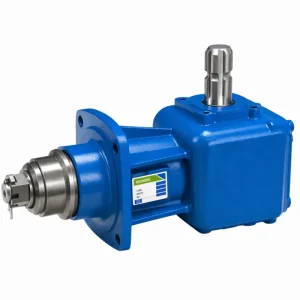
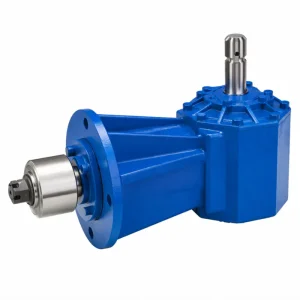
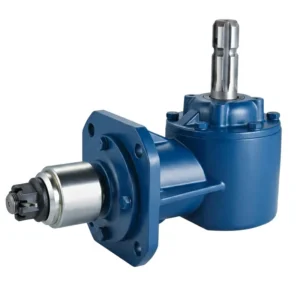
Pull-behind Mower Gearbox EP-GC325
Trailing Mower Gearbox — Heavy-Duty Power Transmission for Professional Lawn & Agricultural Mowing
Model: EP-GC325 | Input/Output: 540 RPM | Rated Power: 160 kW | Output Torque: 1400 N·m
1. Technical Specifications — EP-GC325
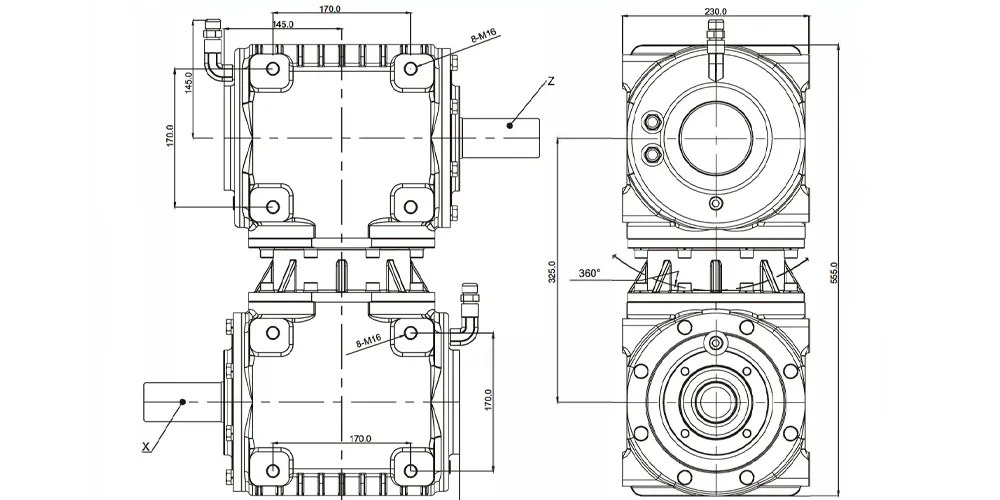
The following table outlines 20 key technical parameters of the EP-GC325 pull-behind mower gearbox. These specifications represent baseline values for the standard production model; custom configurations are available upon request.
| Parameter | Specification | Notes |
|---|---|---|
| Model Number | EP-GC325 | Standard configuration |
| Gearbox Type | Trailing / Pull-behind Mower Gearbox | Shaft-mounted |
| Gear Ratio | 1 : 1 | Speed-neutral transmission |
| Input Speed | 540 r/min | Standard agricultural PTO |
| Output Speed | 540 r/min | 1:1 ratio maintains speed |
| Rated Power (Nominal) | 160 kW / 214 hp | Continuous duty rating |
| Output Torque | 1,400 N·m | At rated speed |
| Tooth Profile | Gleason Helical Gear | Low-noise engagement |
| Input Shaft Diameter | 35 mm | With keyway |
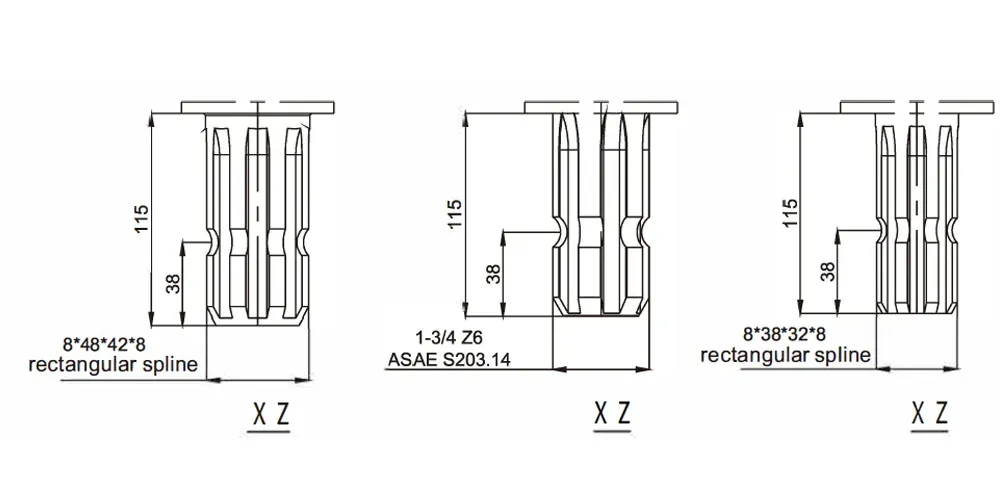
| Output Shaft Diameter | 40 mm | With keyway & retaining ring groove |
| Center Distance | 120 mm | Input to output shaft axis |
| Housing Material | Cast Iron GG25 | Precision machined & painted |
| Gear Material | 20CrMnTi Alloy Steel | Case-hardened, ground tooth surface |
| Lubrication System | Splash Lubrication | EP 80W-90 gear oil recommended |
| Oil Capacity | 2.0 L | Check level before first use |
| Operating Temperature | -20°C to +80°C | Ambient air temperature range |
| Ingress Protection | IP54 | Dust & water splash resistant |
| Mounting Position | Horizontal (flange mount) | Bolt pattern: 4× M12 |
| Net Weight | 38 kg | Without oil fill |
| Overall Dimensions (L×W×H) | 420 × 280 × 310 mm | Standard model; custom available |
| i | Suitable | Rpm input | Rpm output | KW(Nom) | Output torque | Toothing |
| r/min | r/min | hp | N.m | |||
| Speed increase | 1: 1 | 540 | 540 | 160 | 1400 | Gleason Helical Teeth |
| Remark: If you have any special require feel free let me know, we also accept custom. | ||||||
2. Advantages of EP-GC325 Pull-behind Mower Gearbox
The Pull-behind Mower Gearbox EP-GC325 is an industrial-grade trailing mower gearbox engineered to handle the most demanding large-scale mowing operations with consistent precision.
At the heart of the EP-GC325 Pull-behind Mower Gearbox is a 1:1 gear ratio configuration utilizing Gleason Helical tooth geometry, which dramatically reduces noise and vibration compared to conventional straight-cut spur gears. Operating at a standard 540 RPM PTO input, the gearbox sustains a rated output of 160 kW (approximately 214 hp) while delivering up to 1,400 N·m of torque to the cutting blades.
Housed in a high-strength cast iron casing, the EP-GC325 Pull-behind Mower Gearbox exhibits excellent resistance to both mechanical shock and thermal fatigue. The housing integrates precision-bored bearing seats and sealed input/output shaft interfaces to prevent ingress of dust, crop material, and moisture — a critical advantage in open-field environments. For agricultural operators across South America, Africa, and Southeast Asia who rely on pull-behind mowers as the backbone of their land management programs, the EP-GC325 Pull-behind Mower Gearbox represents a reliable, cost-effective investment with a long service lifespan.
3. Five Key Product Advantages
1. Gleason Helical Gear Technology
The EP-GC325 Pull-behind Mower Gearbox employs Gleason helical tooth geometry for gradual tooth engagement. This reduces instantaneous impact load, lowers operating noise, and extends gear life under variable field conditions — offering a measurably quieter and smoother power delivery than straight-cut alternatives commonly found in lower-grade trailing mower gearbox replacement units.
2. High Torque Output at 540 PTO Speed
With 1,400 N·m of continuous output torque at the standard 540 RPM agricultural PTO interface, this pull-behind mower gearbox handles the heaviest cutting demands without slippage or overheating. It is rated for a sustained 160 kW input, making it suitable for wide-cut finish mowing decks and multi-blade trailing mower configurations in commercial operations.
3. Robust Cast Iron Housing (IP54 Rated)
The GG25 cast iron housing is machined to close tolerances and achieves IP54 ingress protection, shielding internal gears and bearings from dust intrusion and water splashing. In field environments common across Brazil’s wet season — from Rio Grande do Sul’s humid lowlands to Goiás’s red-clay agricultural zones — dust and moisture ingress is among the primary causes of early gearbox failure. This protection class directly addresses that challenge.
4. Wide Operating Temperature Range
Rated for operation between -20°C and +80°C ambient temperature, the EP-GC325 Pull-behind Mower Gearbox remains functional across all climatic zones encountered in agricultural work — from cold morning starts in southern highland regions to intense mid-summer heat in tropical lowlands. EP-grade gear oil splash lubrication ensures adequate film strength is maintained throughout this range, preventing metal-to-metal contact during thermal fluctuations.
5. Broad Compatibility & Custom Options
The EP-GC325 Pull-behind Mower Gearbox shaft-mounted gearbox is designed to fit a wide variety of pull-behind mower platforms and is compatible with standard 540 RPM PTO-equipped tractors across all major brands. Custom shaft dimensions, special gear ratios, and modified housing configurations are available on request, making it a practical choice for OEM equipment manufacturers and agricultural machinery maintenance workshops seeking a reliable trailing mower gearbox replacement solution.
4. How the Pull-behind Mower Gearbox Works
Understanding the working principle of the EP-GC325 Pull-behind Mower Gearbox helps operators select the correct setup and maintain the unit properly over its service life. The power transmission path begins at the tractor’s rear PTO stub shaft, which rotates at either 540 RPM (the most common standard for trailing mowers in the 100–200 kW range). A telescoping PTO shaft — fitted with universal joints at both ends — connects the tractor’s output to the gearbox input flange.
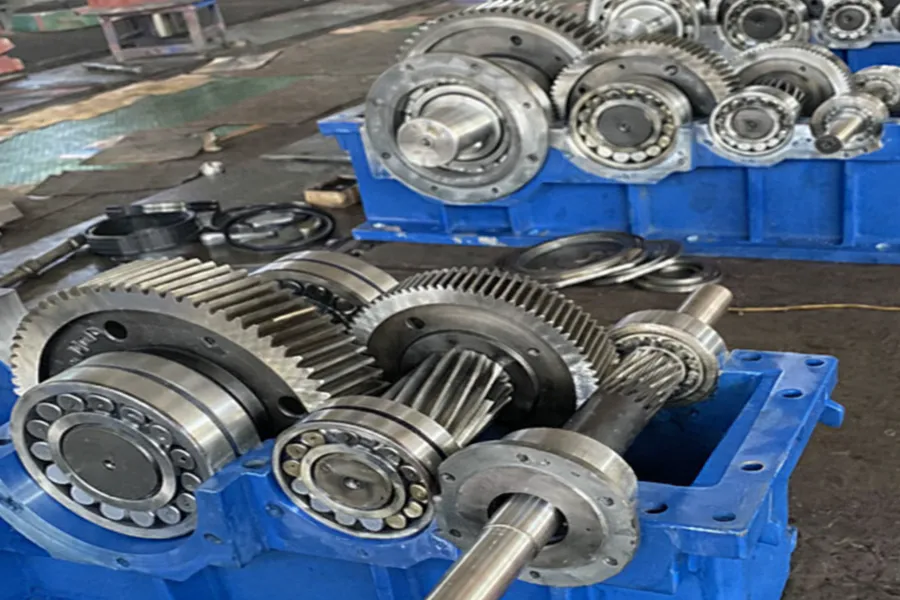
Once mechanical power enters the input shaft, it is transferred to a matched pair of Gleason helical gears housed within the sealed cast iron body. In the EP-GC325’s 1:1 speed ratio configuration, the input and output shafts turn at identical speeds, meaning there is no speed step-up or step-down. Instead, the helical gearing serves to redirect the rotational axis — typically changing the power flow from the longitudinal (forward-facing) tractor PTO axis to a lateral or vertical axis that drives the mowing deck’s blade spindle arrangement.
The output shaft is connected to the mower deck’s drive system, which may include secondary belt drives, chain drives, or additional shaft-mounted gearboxes arranged across the cutting width. The gearbox is mounted rigidly to the mower frame using a bolt-on flange, and the entire mower unit is pulled behind the tractor via a drawbar hitch. As the tractor moves forward, the PTO shaft continuously powers the gearbox, maintaining blade rotation regardless of forward travel speed.
Splash lubrication is used internally: as the gears rotate, they pick up EP gear oil from the sump at the base of the housing and distribute it as a fine mist across gear tooth contact zones and bearing surfaces. This self-contained lubrication system requires no external pump or active cooling, simplifying maintenance in field conditions where service infrastructure is limited — a practical consideration for operations in rural Brazil, Argentina, or other remote agricultural regions where downtime directly impacts seasonal productivity.
5. Materials & Construction Quality
The material selection in the EP-GC325 Pull-behind Mower Gearbox follows a design philosophy centered on maximizing service life under continuous mechanical stress. Each major component is manufactured from a material chosen specifically for its performance characteristics in that application — not simply for cost minimization.
Housing — GG25 Cast Iron
The gearbox body is cast from GG25 grey cast iron, which offers an excellent balance of compressive strength, vibration damping, and machinability. The casting process allows complex internal geometries that support large bearing housings and integrated oil galleries without additional machining operations. After casting, bearing bores are precision-machined to H7 tolerance for consistent bearing fit across production batches.
Gears — 20CrMnTi Alloy Steel
Both the drive and driven helical gears are cut from 20CrMnTi case-hardening alloy steel — a material widely used in high-performance agricultural and automotive gearboxes for its combination of a hard, wear-resistant surface layer and a tough, impact-absorbing core. After hobbing, gears undergo carburizing heat treatment followed by precision grinding, achieving tooth surface hardness of approximately 58–62 HRC and a surface roughness of Ra 0.8 µm or better.
Shafts — 42CrMo4 Alloy Steel
Input and output shafts are machined from 42CrMo4 chromium-molybdenum alloy steel, a grade recognized for its high tensile strength (typically 900–1,100 MPa) and excellent fatigue resistance. Shaft journals are precision ground to k6 tolerances for consistent bearing interference fits, and each shaft undergoes magnetic particle inspection (MPI) to verify freedom from sub-surface inclusions before assembly.
Bearings & Seals
Tapered roller bearings are used at both shaft support positions, selected for their ability to carry combined radial and axial loads — a requirement in trailing mower applications where blade impacts generate significant thrust loads on the output shaft. Shaft seals are double-lip nitrile rubber (NBR) type, rated to 100°C continuous service, with a supplementary labyrinth excluding coarse debris before it contacts the sealing lip.
6. Application Scenarios
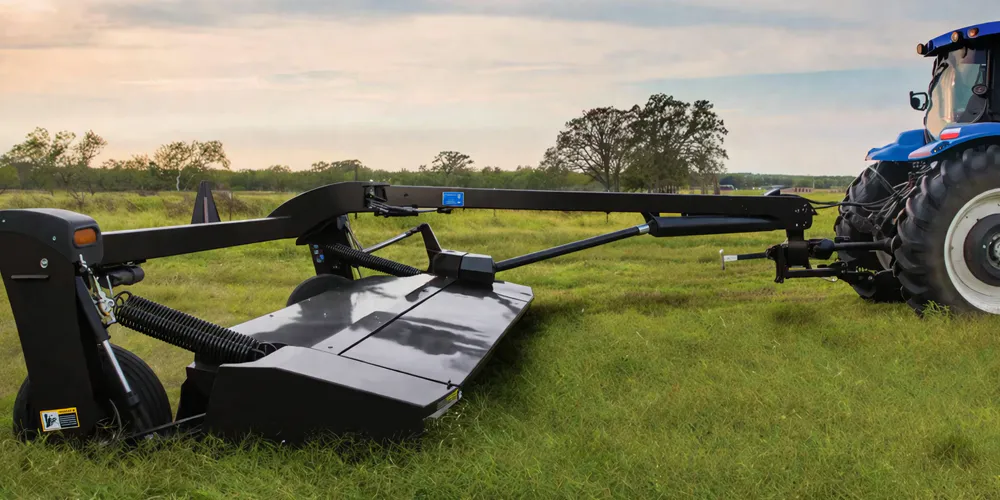
The EP-GC325 Pull-behind Mower Gearbox trailing mower gearbox supports a broad spectrum of land management and agricultural applications. Its high torque output, wide power rating, and IP54-sealed housing make it equally capable in controlled turf environments and rough open-field conditions. Below are the primary use cases where operators consistently rely on this pull-behind mower gearbox for year-round productivity.
Large-Scale Field Mowing
Commercial and municipal landholders tasked with maintaining extensive open acreage — including highway buffer strips, airport perimeters, or large rural estates — depend on pull-behind finish mowers powered by gearboxes capable of sustained operation at full rated load. The EP-GC325’s 160 kW continuous rating ensures that wide-cut mowing decks covering 2.5 m to 3.0 m per pass can operate throughout a full working day without thermal shutdown or lubrication breakdown.
Pasture Management & Livestock Operations
In livestock-intensive regions — including Brazil’s Pantanal and interior cattle farming zones — pasture quality directly influences herd health and feed conversion rates. Pull-behind mowers equipped with the EP-GC325 Pull-behind Mower Gearbox enable regular cutting to control weed encroachment, stimulate grass regrowth, and reduce tick habitat. The gearbox’s consistent speed output keeps blade tip velocity uniform, delivering an even cut that promotes healthier grass recovery between grazing cycles.
Haymaking Operations
Hay production requires a clean, consistent cut at precisely controlled blade height to maximize dry matter yield per hectare while minimizing soil contamination of the cut material. The EP-GC325’s rigidity and precise 1:1 speed transmission help maintain constant blade rotation even when the mower encounters variations in crop density — a common challenge in mature grass stands where stalk diameter and moisture content vary significantly across a single field.
Crop Residue Management
After grain harvest — whether soybean, maize, or sorghum in Brazil’s Cerrado — the EP-GC325 Pull-behind Mower Gearbox powers residue chopping mowers that shred standing stalks and root crowns into fragments small enough to decompose within a single growing season. Effective residue incorporation reduces the need for supplemental nitrogen applications and supports no-till farming programs that are gaining traction across Brazil’s Mato Grosso and Paraná farming belts.
Sports Fields & Golf Course Maintenance
Professional turf management for sports facilities and golf courses demands a trailing mower gearbox that delivers a precisely smooth cut surface without leaving ridges, streaks, or scalp marks. The EP-GC325’s low-vibration helical gearing minimizes deck chatter, which translates directly to a more uniform clipping height across the full working width. This is particularly important for football pitches and golf fairways where surface quality is a measurable performance variable.
Orchard & Vineyard Floor Maintenance
Ground vegetation control beneath perennial crop rows — whether wine grapes in Rio Grande do Sul’s Vale dos Vinhedos, citrus orchards in São Paulo state, or peach groves in Paraná — requires a compact, maneuverable trailing mower that can operate at variable forward speeds while maintaining constant blade rotation. The EP-GC325’s shaft-mounted design allows integration into low-profile orchard mowing decks designed to pass under canopy branches and between closely spaced tree rows.
Roadside & Public Land Maintenance
Municipal authorities and road maintenance contractors use pull-behind mowers to control vegetation growth along highway shoulders, canal banks, and public park verges. These applications require a gearbox that tolerates frequent start/stop cycles, occasional ingestion of roadside debris, and extended continuous operation during spring and summer peak growth periods. The EP-GC325’s robust sealing and durable housing construction handle these demands without accelerated wear to internal components.
7. Regulatory Compliance & International Standards
Agricultural machinery gearboxes are subject to a range of national and international regulatory frameworks covering mechanical safety, noise emissions, oil containment, and product liability. Understanding applicable regulations is essential for importers, distributors, and end users who operate in regulated markets.
Brazil (ABNT Standards): In Brazil, agricultural machinery is governed in part by ABNT NBR standards administered by the Associação Brasileira de Normas Técnicas. NBR ISO 11684 covers safety signs and graphical symbols on agricultural machinery, while NBR 16906 addresses occupational safety requirements for mobile machinery operation. Operators purchasing pull-behind mower gearboxes for use in Brazil should verify that the complete mowing assembly — gearbox, PTO shaft, and cutting deck — complies with NR-31 (Norma Regulamentadora de Segurança e Saúde no Trabalho na Agricultura), which establishes minimum safety standards for rural machinery used by paid employees.
European Union (CE Marking): Agricultural machinery marketed or placed into service within the EU must comply with Machinery Directive 2006/42/EC, which requires a CE Declaration of Conformity. Trailing mower systems — including their gearboxes — must undergo a formal risk assessment covering blade contact hazards, PTO entanglement risks, and hydraulic/mechanical component failure modes. ISO 4254-7 specifically addresses safety requirements for rotary mowers and flail mowers used in agriculture.
United States (OSHA & ASABE Standards): In the U.S. market, the American Society of Agricultural and Biological Engineers (ASABE) publishes standard ASAE S318, which covers performance requirements for agricultural PTO drives, including the gearbox interface specifications for standard 540 and 1,000 RPM PTO speeds. OSHA 29 CFR 1928.57 requires that all PTO-driven equipment used by agricultural workers includes an approved PTO master shield and appropriate guarding around rotating components.
Australia & New Zealand: The AS/NZS 4024 series covers the safety of machinery for the Australian and New Zealand markets, with Part 3601 specifically addressing agricultural machinery. Additionally, Environmental Protection Authority (EPA) guidelines in several Australian states impose limits on lubricant spill risk from mobile machinery operating near waterways — a relevant consideration for operators fitting the EP-GC325 to mowing equipment used alongside irrigation canals or natural watercourses.
8. About Us
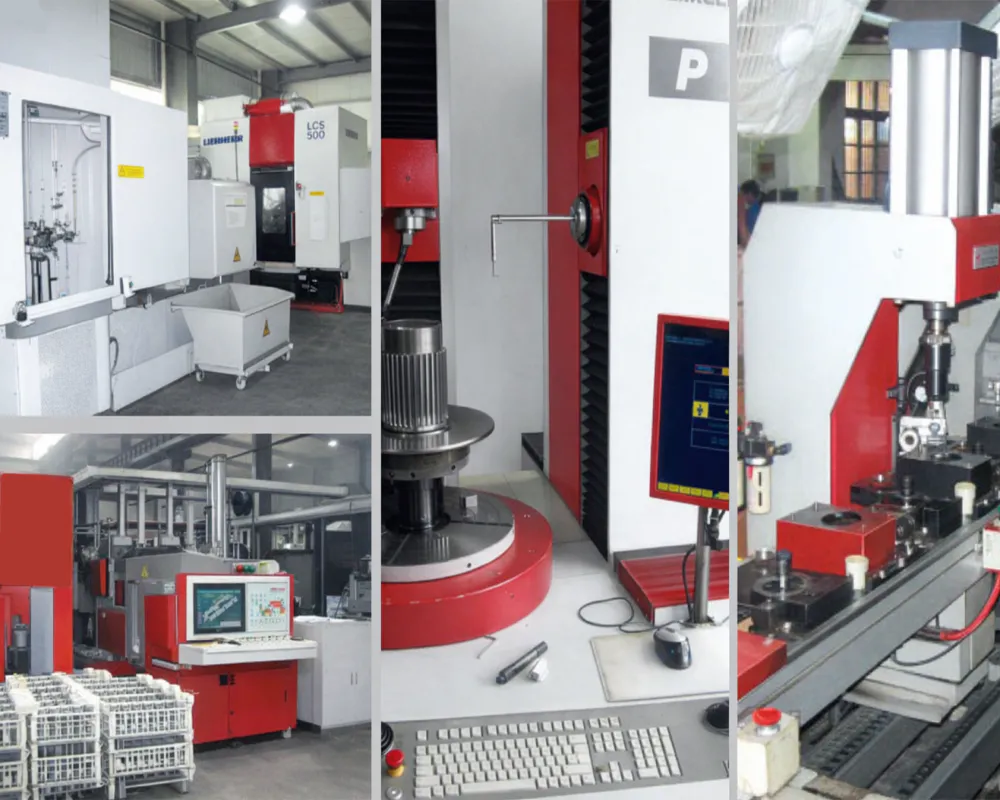
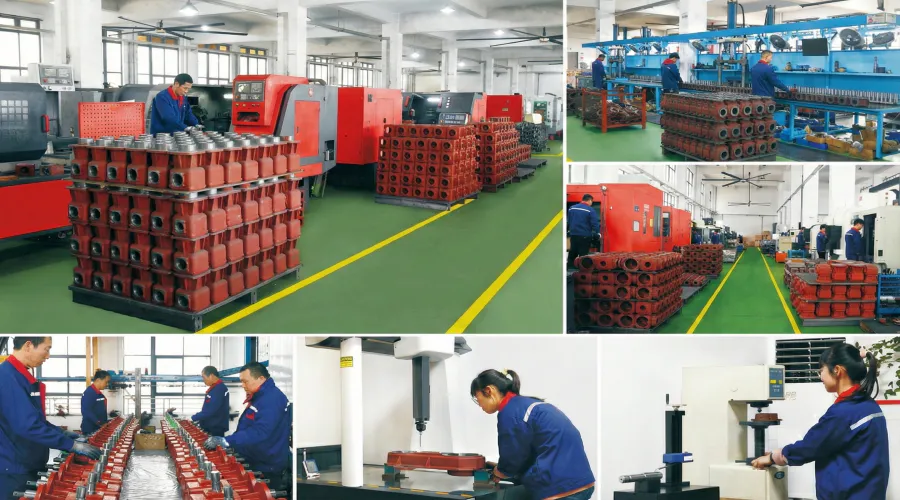
We are a specialized trailing mower gearbox supplier, with a focused product range that includes pull-behind mower gearboxes, shaft-mounted gearboxes, PTO-driven agricultural gearboxes, and matching PTO shaft assemblies. Our production facility operates under an ISO 9001-compliant quality management system, covering the full production chain from raw material procurement and gear cutting through heat treatment, assembly, and final inspection.
Our engineering team has accumulated decades of hands-on experience in designing gearboxes for trailing mower applications — a discipline that demands precise gear geometry, robust sealing, and rigorous validation under simulated field loading conditions. Each EP-GC325 unit undergoes functional run-in testing before shipment, during which input torque, output speed, temperature rise, and oil seal integrity are verified against production tolerances. Units that fall outside specification are quarantined for root-cause analysis and reprocessing rather than reworked and passed.
We export to agricultural machinery manufacturers, distributors, and end-user farms across more than 40 countries. Our primary export markets include Brazil, Argentina, Australia, Germany, France, Italy, South Africa, and the United States. We maintain English, Portuguese, and Spanish technical support capacity to serve our major agricultural markets directly, and we work with regional distributors in South America to provide localized logistics, spare parts stocking, and application engineering support.
Workshop
9. Related Products & Complete System Solutions
A pull-behind mower gearbox is one component within a larger mechanical drive system. To ensure reliable performance across the full power transmission chain — from tractor output to blade spindle — we offer matched components that are engineered for compatibility with the EP-GC325 and validated as a system before shipment. Sourcing matched components from a single supplier also simplifies warranty administration and spare parts logistics.
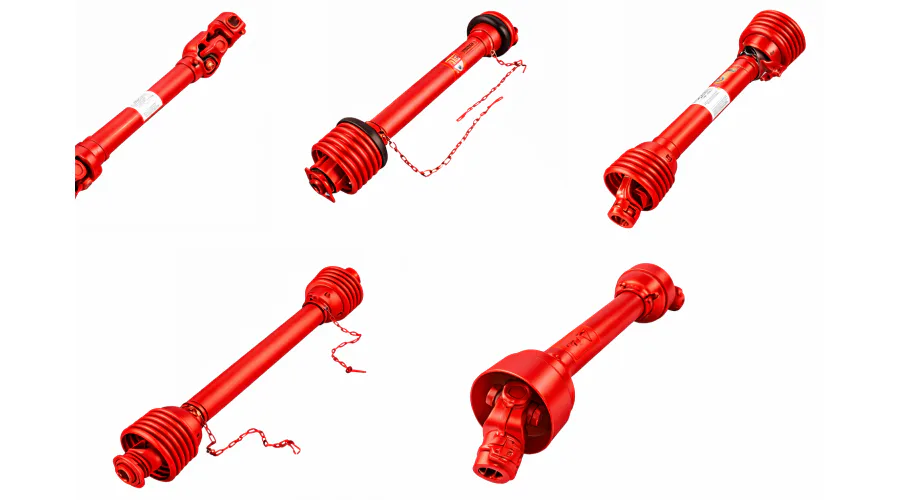
PTO Drive Shafts
The link between your tractor’s PTO output and the EP-GC325 gearbox input is the PTO drive shaft — a telescoping assembly fitted with universal joints at both ends. We supply a full range of agricultural PTO shafts in 540 RPM and 1,000 RPM configurations, in lengths from 600 mm to 1,800 mm, with CE-certified protection guards included as standard. Using a matched PTO shaft ensures that angular misalignment limits, torque ratings, and connection profiles are all pre-validated against the gearbox input shaft specification.
View PTO Shaft Range
Drive Chains & Sprockets
Many trailing mower deck configurations use roller chain drives downstream of the gearbox output shaft to distribute power across multiple blade spindles. We stock agricultural-grade roller chain in ANSI 80H, 100H, and 120H specifications, together with matching sprocket sets manufactured from induction-hardened steel. Our sprocket bore dimensions are machined to match EP-GC325 Pull-behind Mower Gearbox output shaft specifications, eliminating the need for custom bore modifications in the field.
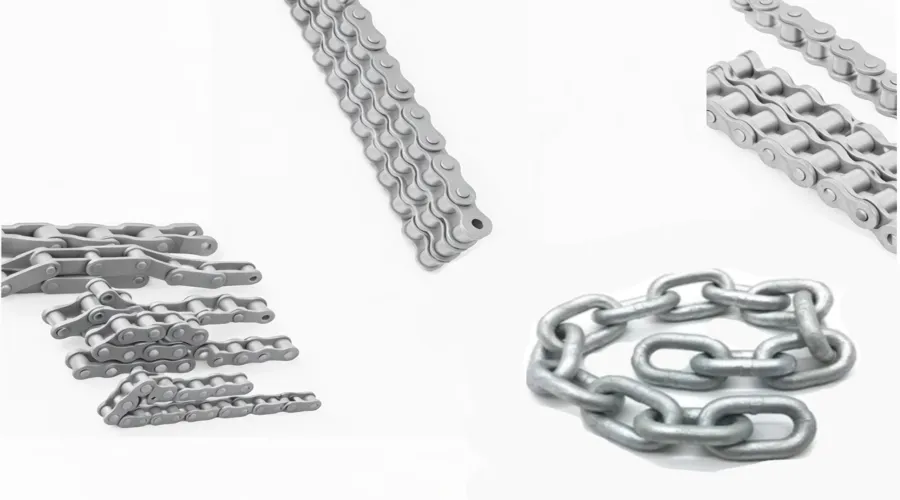

One-Stop Supply Advantage: Sourcing your full agricultural gearbox system — EP-GC325 pull-behind mower gearbox, matched PTO shafts, and drive chain sets — from a single supplier consolidates technical documentation, reduces lead time variability, and ensures dimensional compatibility across all interfacing components. Contact us to discuss complete system quotations for OEM or replacement applications.
10. Common Troubleshooting Guide
The EP-GC325 Pull-behind Mower Gearbox is designed for reliability, but field conditions can occasionally produce symptoms that warrant inspection. The following guidance covers the most frequently reported issues and their likely causes.
Noise or Vibration During Operation
Check mounting bolts for looseness and torque to specification. Inspect cutting blades for bending or uneven wear — blade imbalance transmits directly to the gearbox as vibration. Verify oil level and quality; degraded EP gear oil loses its viscosity modifiers and allows metal-to-metal contact that manifests as noise. Also inspect the PTO shaft universal joints for wear or binding, which can introduce cyclic torque variation felt as vibration in the gearbox.
Reduced Cutting Power
Confirm that the tractor PTO is fully engaged and operating at the correct 540 RPM setting — partial engagement is a common cause of torque deficit. Inspect the gearbox input and output shafts for signs of slippage at the keyway connections. On gearboxes with accumulated operating hours, internal gear wear can manifest as reduced torque delivery even when the unit appears otherwise functional; in this case, professional internal inspection is recommended.
Overheating Housing
Housing temperature exceeding 85°C at the surface during normal operation indicates inadequate lubrication, excessive load, or restricted airflow around the housing. Check oil quantity — the EP-GC325 Pull-behind Mower Gearbox holds 2.0 L and should be filled to the level plug before operation. In high-ambient-temperature conditions (common in Brazil’s dry season), consider reducing PTO speed slightly or shortening continuous operating intervals to allow thermal recovery. Clean any crop debris packed around the housing that may insulate it from ambient cooling.
Oil Leakage
Inspect all shaft seal lips for cracking or lip wear — a common failure point after extended high-temperature service. Check that the drain plug and fill plug are tightened to the manufacturer’s torque specification; over-tightening can damage the thread seating surface and create a path for seepage. If leakage is traced to the housing split-line, inspect the gasket and apply appropriate sealant compound before reassembly. Any unit with active oil loss should be stopped immediately to prevent dry-running internal damage.
Frequently Asked Questions
Q1. What is a pull-behind mower gearbox and what does it actually do in a trailing mower setup?
A pull-behind mower gearbox — also called a trailing mower gearbox — is a mechanical power transmission unit that connects the tractor’s PTO output shaft to the rotating blade assembly on a mowing deck towed behind the tractor. It receives rotational power at the PTO speed (typically 540 RPM), redirects the axis of rotation as needed, and delivers that power to the cutting blades at the appropriate speed and torque. The EP-GC325 Pull-behind Mower Gearbox operates at a 1:1 gear ratio, meaning it transmits power without changing speed, while using Gleason helical gearing to minimize noise and vibration in the power path.
Q2. What is the pull thing called on a lawn mower — and is it the same as a gearbox in a trailing mower system?
The “pull thing” on a lawn mower most often refers to the pull cord (recoil starter) used to start small gasoline engines on walk-behind push mowers. However, in the context of larger tractor-towed equipment, “pull” refers to the drawbar hitch connection that links the mowing deck to the tractor — and the power-transmitting component is called the gearbox or PTO gearbox. In a pull-behind mower system, the gearbox is the unit that receives power from the tractor’s PTO and delivers it to the cutting blades, entirely separate from the pull cord or hitch arrangement.
Q3. How does a shaft-mounted gearbox differ from a flange-mounted gearbox in pull-behind mower applications — and which is better for heavy-duty use?
A shaft-mounted gearbox is supported directly on the driven shaft — typically the blade spindle shaft — using a shrink disc or keyway connection, with a torque arm to prevent housing rotation. A flange-mounted gearbox is bolted rigidly to the mower frame, with the input and output shafts extending from fixed bearing housings. For heavy-duty pull-behind mowing applications with high torque outputs (such as the 1,400 N·m delivered by the EP-GC325), flange mounting is generally preferred because it distributes housing reaction forces into the mower structural frame rather than concentrating them on a single shaft. The EP-GC325 Pull-behind Mower Gearbox uses a 4-bolt horizontal flange mounting pattern for this reason.
Q4. Can the EP-GC325 pull-behind mower gearbox be used with a pull-behind mower that has its own engine rather than a PTO-driven system?
The EP-GC325 is designed specifically for PTO-driven trailing mower applications and operates at a standard 540 RPM input speed. If you are using a pull-behind mower with its own engine — sometimes called a pull-behind mower with engine or pull-behind mower motor configuration — the gearbox between the engine output shaft and the blade assembly would be selected based on the engine’s RPM output (often 2,800–3,600 RPM for gasoline engines), which differs significantly from the 540 RPM PTO standard. Using the EP-GC325 in an engine-direct application would require an upstream speed reduction stage to bring the input within the gearbox’s design operating range.
Editor: PXY