
1. Technical Specifications: “Slope-Master” Gearbox Series
Data calibrated for Monorail Transporters operating on 45° slopes with Rack & Pinion Drive.
| Technical Parameter | Specification / Value | Unit / Context |
|---|---|---|
| Max Climbing Angle | 45 (100% Grade) | Degrees |
| Rated Load Capacity | 200 – 500 | Kilograms (Ascent) |
| Input Power Source | 4.0 – 6.5 HP (Gasoline) / 1.5kW (Electric) | Engine Type |
| Gearbox Type | Worm Reduction + Helical Final Drive | Configuration |
| Reduction Ratio | 1:30 / 1:40 / 1:60 | High Torque |
| Transport Speed | 0.6 – 1.2 | Meters/Second |
| Output Torque | 350 – 850 | Nm |
| Pinion Gear Module | M4 / M5 / M6 | Rack Compatibility |
| Braking System 1 | Internal Centrifugal Governor | Speed Limiter |
| Braking System 2 | Auto-Engage Friction Disc | Emergency Stop |
| Braking System 3 | Self-Locking Worm Gear | Static Hold |
| Housing Material | Aluminum Alloy ADC12 / Cast Iron HT200 | Weight vs Durability |
| Lubrication | Synthetic Gear Oil ISO VG 320 | Heavy Load |
| Oil Capacity | 1.2 – 2.5 | Liters |
| Sealing Rating | IP55 (Dust/Rain Proof) | Ingress Protection |
| Operating Temp | -10°C to +45°C | Ambient |
| Clutch Type | Tensioner Pulley / Centrifugal | Engagement |
| Track Gauge | Standard Single Rail | Infrastructure |
| Gear Material | 20CrMnTi / KK Bronze | HRC 58-62 |
| Warranty | 2 Years / 1500 Hours | Guarantee |
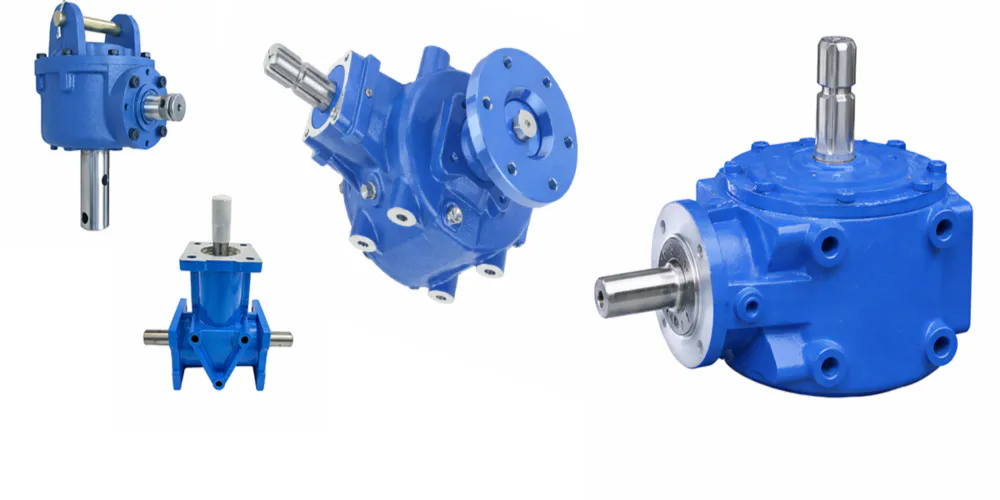
2. The “Vertical Challenge”: Revolutionizing Transport in Brazilian Mountain Agriculture
In the rugged topography of Brazil’s agricultural heartlands, specifically the grape-growing valleys of Bento Gonçalves (Serra Gaúcha) and the steep coffee terraces of Minas Gerais, traditional mechanization reaches its limit. Where tractors cannot tread due to 45-degree inclines, the Mountain Orchard Monorail Transporter becomes the lifeline of the harvest. Agrinulear Nucleo Agro (Ever-power Brazil Agency) engineers specific agricultural gearbox solutions for these gravity-defying machines. Unlike standard flat-ground transport, a monorail gearbox acts as both the propulsion engine and the primary safety device. It must convert the high-RPM output of a small gasoline or electric engine into massive low-speed torque capable of hauling 500kg of fertilizer uphill and, more critically, controlling the descent of 500kg of valuable harvest downhill without runaway acceleration. This requires a metallurgical composition that withstands constant stress cycles and a gear geometry optimized for self-locking capabilities.
Our gearboxes are designed with a “Fail-Safe” philosophy essential for the “Transportador de Monotrilho.” We utilize a specialized worm-gear reduction stage coupled with an automatic centrifugal brake and a mechanical parking brake. This ensures that if the engine fails or the belt snaps, the gearbox mechanically locks the transporter to the steel rack, preventing catastrophic accidents. For the Brazilian market, where humidity varies from the misty mornings of the south to the scorching afternoons of the Cerrado, our units feature oversized oil sumps for heat dissipation and double-sealed bearings to prevent the ingress of abrasive volcanic dust and acidic fruit juices. By integrating these features, Agrinulear Nucleo Agro delivers a propulsion system that reduces labor costs by 70% compared to manual carrying, transforming the economics of mountain farming in South America.
3. Anatomy of Ascent: How Rack-Drive Gearboxes Defy Gravity
The working principle of a monorail transporter is fundamentally different from wheeled vehicles. Traction is not derived from tire-to-ground friction, which is useless on a muddy 45° slope in Bento Gonçalves. Instead, the agricultural gear reducer drives a hardened steel pinion gear that meshes positively with a toothed rack welded to the monorail track. This positive engagement guarantees zero slippage, regardless of weather conditions. Agrinulear gearboxes serve as the central command unit, taking the high-speed input from the gasoline engine (typically 3600 RPM) and reducing it through a heavy-duty worm gear set to a manageable 60-100 RPM at the output pinion. This immense gear reduction amplifies the engine’s torque, allowing a modest 6.5HP engine to lift payloads exceeding 500kg up near-vertical inclines.
Crucially, the gearbox integrates a sophisticated “Descent Control System.” When descending with a heavy load of harvested fruit, gravity tries to accelerate the cart. Our pto gearbox internals (though not PTO driven in this case, the gear tech is similar) include a centrifugal governor that spins outward as speed increases, creating friction against the housing wall to physically limit the descent speed to a safe walking pace (approx. 0.8 m/s). This passive safety feature works independently of the operator, preventing runaway accidents that could be fatal on steep mountain slopes. Additionally, a manual “Dead Man’s” brake is often linked to the gearbox input, ensuring that if the operator trips or releases the handle, the entire transmission locks instantly.
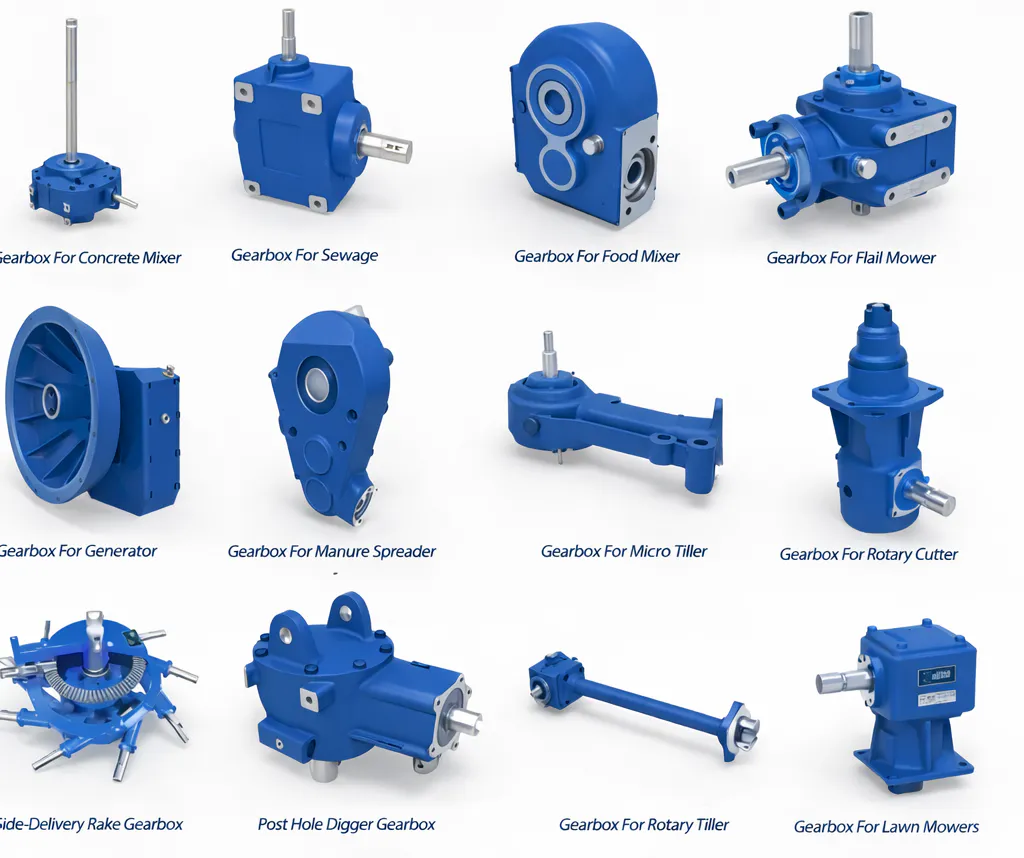
4. Engineered for the “Serra”: Adapting to Brazilian Microclimates
The “Serra Gaúcha” and the coffee regions of Espirito Santo operate in unique microclimates. Mornings are often enveloped in thick fog (neblina), leading to high condensation, while afternoons can be intensely hot. This thermal cycling creates a “breathing” effect where moisture is sucked into standard gearboxes, leading to oil emulsification and rust. Agrinulear agricultural manufacturer engineers have addressed this by equipping our Monorail Gearboxes with a specialized “Tropical Breather” and using anti-corrosive Aluminum Alloy (ADC12) housings that dissipate heat efficiently while resisting the acidic nature of organic fruit residues. The seals used are Double-Lip FKM (Viton), which provide superior resistance to the abrasive red clay dust (Terra Roxa) that coats everything during the dry season.
Furthermore, the terrain in Brazil is rarely smooth. The monorail tracks often twist and turn around rock formations. This places immense side-loads on the output shaft. We use reinforced angular contact bearings in our output stage to handle these axial and radial loads simultaneously. We also employ a specific gear lubricant (synthetic ISO VG 320) that maintains a strong film thickness even at slow speeds and high temperatures, preventing metal-to-metal contact during the grueling ascent of a fully loaded transporter. This attention to localized environmental factors is what separates an Agrinulear gearbox from generic industrial reducers.
5. Universal Compatibility & Aftermarket Excellence
The Brazilian market utilizes a mix of imported Japanese/Korean monorail technology and locally fabricated systems. Agrinulear Nucleo Agro gearboxes are engineered as high-performance retrofits that offer superior durability compared to standard OEM parts. Our mounting patterns and pinion modules are designed to be compatible with a wide range of existing infrastructure. We offer specific solutions for various setups found in Brazil:
- Monorail Systems using Honda™ Engines: Direct gearbox coupling replacements for 5.5HP and 6.5HP GX series engines.
- Nikkari™ Style Transporters: Compatible rack-drive pinion modules (M4/M5) and mounting footprints.
- Local Brazilian Fabricators (Santa Catarina): Customizable flange adapters for regional chassis designs.
- Electric Conversion Kits: Gearboxes ready for high-torque DC motor inputs, supporting the shift to green energy.
Disclaimer: All original equipment manufacturer (OEM) names, trademarks, and model references (e.g., Honda, Nikkari) are solely for identification and compatibility reference purposes. Agrinulear Nucleo Agro is an independent manufacturer and is not affiliated with or endorsed by these brands.
6. Safety First: Compliance with Brazil’s NR-12 Standard
In Brazil, regulatory standard NR-12 (Safety in Machinery and Equipment) is strictly enforced, especially for machinery that poses a risk of crushing or impact. A monorail transporter on a steep slope is a high-risk device. Agrinulear gearboxes are engineered to help manufacturers meet NR-12 requirements. Our systems include a “Dead Man’s Brake” interface—if the operator releases the control lever, the gearbox’s internal brake engages instantly. Furthermore, all rotating parts such as the input pulley and the output pinion are designed to accommodate standard yellow safety guards. By using an Agrinulear gearbox, you are integrating a component that prioritizes operator safety through passive mechanical redundancy, reducing liability for farm owners.
7. [Engineer’s Log] Mountain Logistics Case Studies
Case 1: Brazil (Bento Gonçalves) – Vintage Harvest
“The vineyard slopes here are 40 degrees. Workers were refusing to carry crates. We installed 5km of monorail with Agrinulear gearboxes. The controlled descent feature is a lifesaver; the grapes arrive at the winery without being crushed by speed.”
– Vinícola Manager, Roberto S.
Case 2: Colombia (Coffee Axis) – Similar Terrain
“We adapted the Brazilian monorail system for our coffee. The humidity in the cloud forest destroys steel. The Agrinulear ADC12 housing has held up for 3 years without corrosion. It’s the only gearbox that survives the rain.”
– Plantation Engineer, Juan D.
Case 3: Brazil (Minas Gerais) – Fertilizer Haul
“Hauling NPK fertilizer uphill was our bottleneck. The high-torque ratio of the Agrinulear box allows us to move 400kg bags up a 45° slope with a small 6HP engine. Fuel efficiency improved by 40% compared to our old 2-stroke units.”
– Farm Owner, Paulo C.
Case 4: Japan (Shizuoka) – Tech Origin
“We originated this technology for citrus. Seeing Agrinulear adapt it for heavier Brazilian loads is impressive. Their reinforced worm shaft eliminates the snapping issue we saw with other aftermarket copies.”
– Tech Consultant, Kenji T.
Case 5: Peru (Cusco) – High Altitude
“At 3000m altitude, engines lose power. The low-friction efficiency of the Agrinulear gearbox means we don’t lose precious horsepower to heat. It keeps the monorail moving even in thin air.”
– Cooperative Lead, Miguel A.
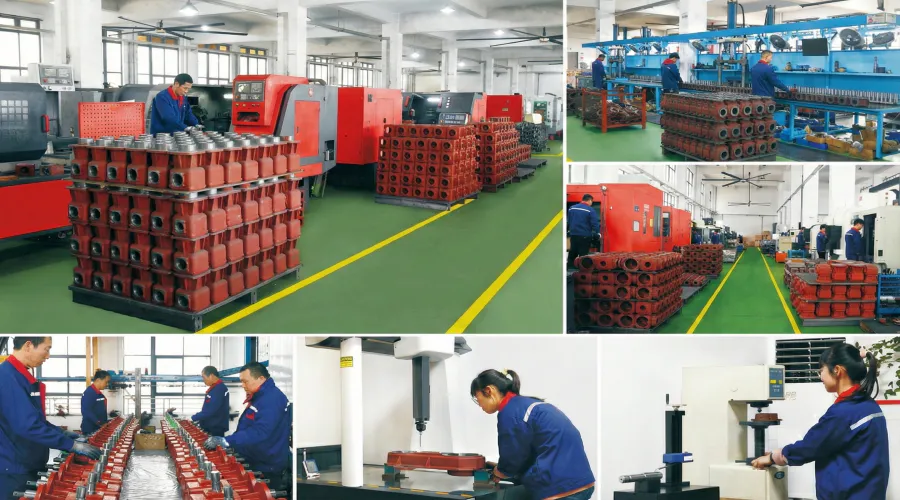
8. Complete Slope Logistics Solutions
A reliable monorail system requires more than just a gearbox. Agrinulear Nucleo Agro provides the entire drivetrain ecosystem. We manufacture the high-tensile Sprockets & Pinions that engage with the rack. Our Pulleys ensure efficient power transfer from the engine to the gearbox. For other farm needs, our PTO Shafts are the standard for tractor-driven implements. Consolidating your parts supply with us ensures compatibility and quality control across your entire fleet.
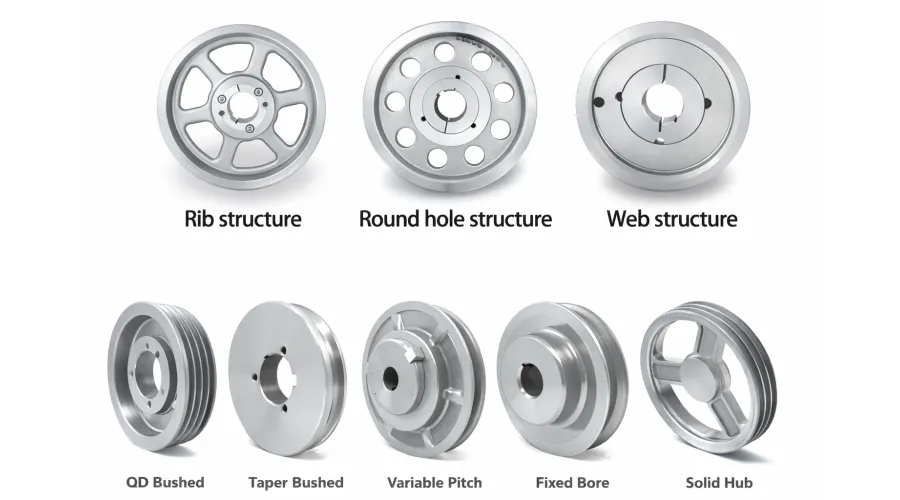
Drive Pulleys
Frequently Asked Questions
Q1: What is the maximum slope your monorail gearbox can safely handle in Brazil?
A1: Our gearboxes are rated for a 45-degree inclination (100% grade). This covers the steepest vineyard terrain found in Serra Gaúcha. The internal braking system is calibrated to hold a full load at this angle without slipping.
Q2: How does the automatic brake work if the engine dies mid-slope?
A2: We utilize a “Normally Closed” mechanical braking logic or a non-reversible worm gear set. If the input power stops, the friction in the worm gear instantly locks the output shaft, preventing gravity from reversing the mechanism. It’s a passive safety feature.
Q3: Can I use a standard industrial gearbox for this application?
A3: Absolutely not. Standard industrial gearboxes lack the centrifugal governor for descent control. Using one would result in the cart accelerating uncontrollably downhill, endangering workers. Always use a dedicated Monorail Gearbox.
Q4: Are spare parts compatible with Japanese monorail brands?
A4: Yes, our pinion modules (M4, M5) and mounting flanges are designed to retro-fit most Japanese and Korean systems commonly found in Brazil. We stock replacement gears, seals, and shafts in São Paulo for quick dispatch.
Q5: What type of oil should I use for high-temperature operation in Minas Gerais?
A5: For hot climates, we recommend a Synthetic ISO VG 320 or 460 gear oil. This viscosity ensures that the oil film doesn’t break down under the high heat and pressure of the worm gear interface, extending gear life.
Q6: Do you provide the steel rack rails as well?
A6: We focus on the gearbox and drivetrain. However, we partner with local steel fabricators in Brazil who supply the rail infrastructure. We can provide you with the exact CAD specifications for the rack teeth to ensure perfect meshing with our pinions.
Q7: How often does the centrifugal brake lining need replacing?
A7: Under normal seasonal use (harvest period), the brake linings typically last 2-3 years. We designed the housing with an easy-access inspection port so you can check wear levels without dismantling the entire unit.
Q8: Is this system NR-12 compliant for operator safety?
A8: Our gearboxes provide the mechanical foundation for compliance. When combined with proper guards and emergency stop switches (which we can advise on), the system meets the rigid safety standards of Brazil’s NR-12 regulation.
Q9: Can I retrofit this onto an electric monorail conversion?
A9: Yes, many farmers are switching to electric to reduce noise and emissions. Our gearboxes accept standard keyed shafts which can be coupled to high-torque DC motors. We can assist with torque calculations for electric drives.
Q10: What is the warranty period for commercial use?
A10: We offer a 2-year manufacturer’s warranty on the main gear set and housing for agricultural use. Wear items like seals and brake linings are covered against manufacturing defects.
Editor: PXY