
1. Technical Specifications: “Lacto-Motion” Robotic Drive Series
Data calibrated for Multi-Axis Robotic Arms in Dairy VMS Applications (Compatible with 24V/48V Servo Systems).
| Technical Parameter | Specification / Value | Unit / Engineering Context |
|---|---|---|
| Gear Mechanism Type | Strain Wave (Harmonic) / Cycloidal Pinwheel | High Precision Kinematics |
| Reduction Ratio | 1:50 / 1:80 / 1:100 / 1:120 | Single Stage Reduction |
| Nominal Output Torque | 45 – 220 | Nm (Joint Dependent) |
| Peak Acceleration Torque | Up to 480 | Nm (Rapid Retract Mode) |
| Backlash Accuracy | < 1 (Virtually Zero) | Arcmin |
| Torsional Stiffness | High Rigidity (>35 Nm/arcmin) | Prevents Arm Sag/Droop |
| Input Speed (Rated) | 3000 | RPM |
| Input Speed (Max Momentary) | 6500 | RPM |
| Ingress Protection | IP69K (Certified) | High Pressure/Temp Wash |
| Lubrication | NSF H1 Food Grade Synthetic Grease | Sanitary Safe |
| Housing Material | Stainless Steel 316L / Electroless Nickel | Corrosion Proof |
| Operating Noise | < 58 | dB (Cow Comfort Standard) |
| Output Bearing Type | Integrated Cross-Roller Bearing | Supports High Moment Loads |
| Service Life (L10) | 25,000+ | Hours (Continuous Duty) |
| Motor Interface | Servo Flange (Fanuc/Yaskawa/Panasonic) | Standardized Adaptors |
| Weight | 1.2 – 5.5 | kg (Lightweight Design) |
| Ambient Temp Range | -10°C to +55°C | Tropical Climate Ready |
| Chemical Resistance | Resistant to Nitric/Phosphoric Acid | Daily CIP Cycles |
| Vibration Resistance | 5G | Impact Durable |
| Efficiency | > 85% | At Rated Torque |
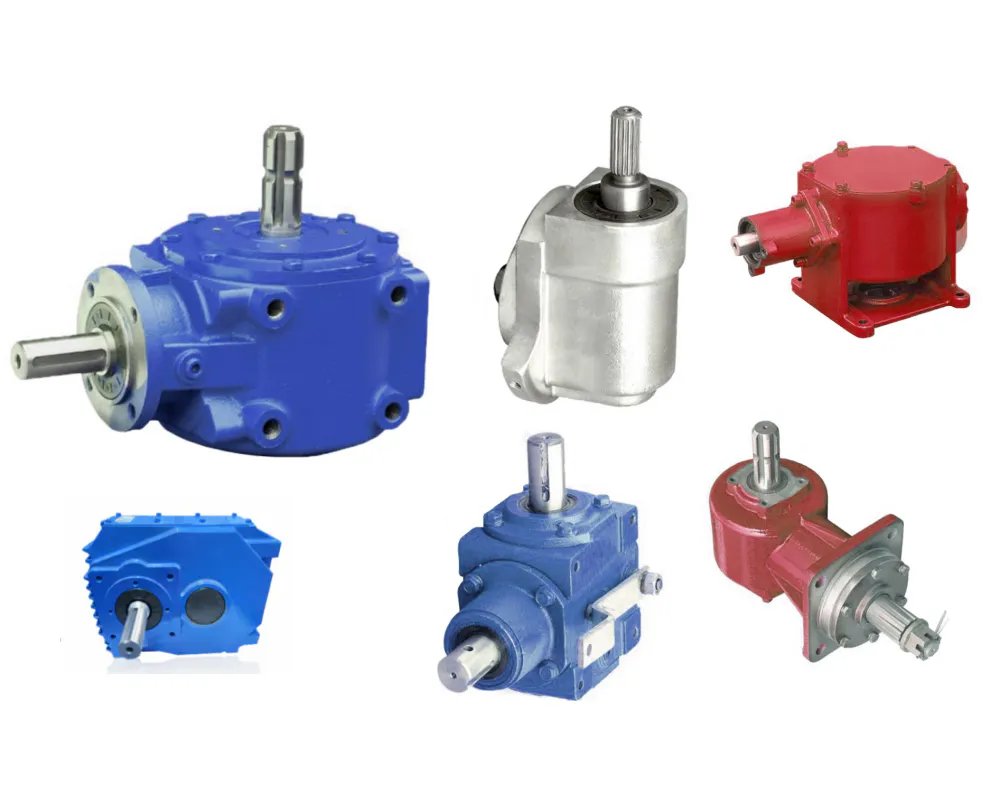
2. Surgical Precision in the Milking Parlor: Why Transmission Accuracy Defines Yield
In the elite dairy regions of Brazil, such as the “ABC” region of Castro, Carambeí, and Arapoti, the rapid adoption of Voluntary Milking Systems (VMS) represents a paradigm shift from labor-intensive farming to precision digital agriculture. However, the efficacy of a Milking Robot is entirely dependent on its ability to locate and attach the teat cups to the cow’s udder with sub-millimeter accuracy within seconds. This kinetic action is not driven by simple motors, but by highly sophisticated Robotic Arm Gearboxes. Unlike a standard agricultural gear reducer used in soil tillage which tolerates degrees of play, a robotic joint gearbox must deliver “Zero-Backlash” (Sem Folga) performance. Even a microscopic amount of backlash—often measured in arc-seconds—translates to a deviation of several centimeters at the end of the robotic arm. This results in the robot “hunting” for the teat, causing significant stress to the animal, increased kick-offs, and a measurable drop in milk let-down efficiency. For a high-production farm milking 500 cows three times a day, a 1% failure rate in attachment due to gearbox wear translates to hours of lost production and thousands of liters of uncollected milk annually.
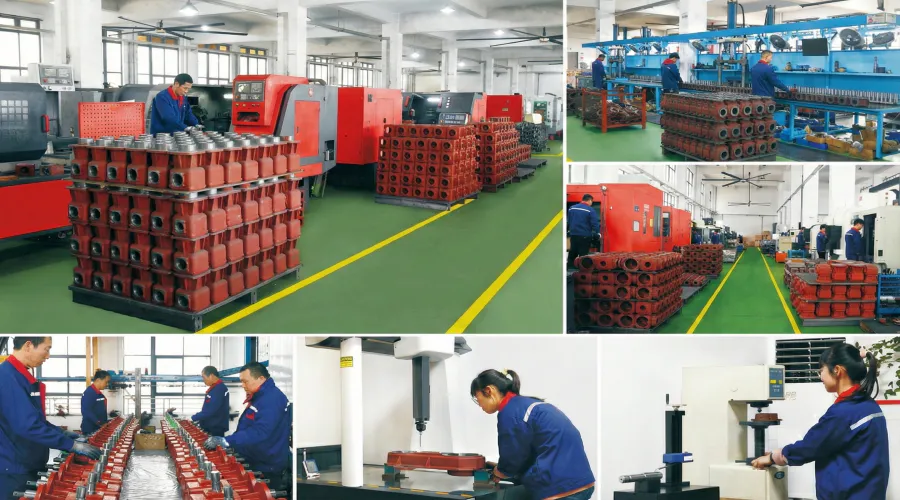
At Agrinulear Nucleo Agro (Ever-power Brazil Agency), we have engineered the “Lacto-Motion” series specifically for this bio-sensitive and technically demanding environment. These components are not merely off-the-shelf industrial parts; they are Harmonic Drive (Strain Wave) and Cycloidal style reducers that have been metallurgically modified for the specific challenges of the dairy barn. The critical challenge in Brazil is not just the mechanical precision, but the survival of that precision in a hostile environment. The milking robot arm is subjected to hot water (85°C) washdowns, caustic alkaline cleaning cycles, acidic descaling agents, and the constant presence of manure and lactic acid. Standard industrial seals will rot and crack within months under these conditions. Our units feature a triple-sealed output with Food-Grade Viton elastomers and a specialized Electro-Less Nickel Plating on the housing to meet INMETRO and MAPA sanitary standards, ensuring they resist the corrosive humidity typical of Brazilian tropical dairies while maintaining the integrity required by a top-tier agricultural manufacturer.
3. Multi-Axis Kinematics: The Anatomy of Robotic Milking Systems
A modern milking robot is essentially a collaborative industrial robot (Cobot) that has been inverted and optimized for agricultural biology. It typically possesses 3 to 6 degrees of freedom (DOF) to navigate the complex and unpredictable geometry of a cow’s udder. The Robotic Arm Gearbox acts as the “muscle” at each critical joint—the Shoulder (Base), the Elbow (Middle), and the Wrist (End Effector). The “Shoulder” joint typically utilizes a heavy-duty Cycloidal or Planetary agricultural gearbox variant designed to handle the entire cantilevered weight of the arm, the milking clusters, and the hoses. This joint requires exceptionally high moment stiffness to prevent the arm from drooping or oscillating during rapid movements. The “Elbow” and “Wrist” joints, which are responsible for the fine, micro-positioning of the teat cups based on 3D Time-of-Flight camera data, employ lightweight Harmonic Drive style reducers. These specific gearsets allow for rapid, jerky movements and instant directional changes without damaging the gear teeth, a necessity when tracking a moving animal.
The working principle of these gearboxes involves a high-speed Servo Motor (typically running at 3000-5000 RPM) sending power into the strain wave generator or cycloidal disc. The gearbox reduces this speed by a factor of 50 to 120, vastly multiplying the torque to hold the arm steady against the kicks of a nervous heifer or the resistance of heavy cleaning equipment. Crucially, Agrinulear gearboxes integrate a proprietary “Safety Friction” technology. If a cow kicks the arm violently, the gearbox is engineered to slip or back-drive slightly rather than shattering the internal flex-spline or gear teeth. This mechanical compliance is a vital feature for animal welfare, preventing injury to the cow, while simultaneously protecting the expensive robotic assets from catastrophic failure. Furthermore, our designs are optimized for hydraulic-electric hybrid systems often found in older VMS models, providing a versatile solution for the diverse fleet of milking robots currently operating across Brazil’s varied dairy landscape.
4. Tropicalizing Automation: Meeting Brazil’s NR-12 and Climate Standards
Operating high-precision robotics in Brazil involves navigating a unique intersection of strict government regulations and harsh environmental realities. The NR-12 standard (Safety in Machinery and Equipment) is rigorously enforced in the Brazilian dairy sector, demanding that all moving machinery possesses fail-safe mechanisms. Agrinulear gearboxes are supplied with full engineering documentation and safety factors that exceed NR-12 requirements, ensuring that the heavy robotic arm will not collapse in the event of a power failure. This is achieved through high-ratio self-locking capabilities or compatibility with integrated holding brakes, protecting farm workers and the herd from potential injury and shielding the farm owner from heavy fines and legal liability.
Environmentally, the dairy belts of the “Planalto Central” and Southern Brazil experience intense humidity and significant temperature fluctuations. In an automated cross-ventilated barn in Goiás, the temperature can swing from 15°C at night to 35°C during the day. This thermal cycling causes standard gearboxes to “breathe,” sucking in moist, ammonia-laden barn air as they cool down, which leads to rapid internal rust and lubricant emulsification. Agrinulear implements a “Closed-Loop” hermetically sealed design with a specialized pressure compensation membrane. This innovation allows the gearbox to handle thermal expansion without exchanging air with the dirty barn environment. Additionally, we use a specialized “Tropical Grease” formulation that maintains consistent viscosity even at 40°C ambient temperature, ensuring the agricultural manufacturer specification performance is maintained year-round, regardless of the Brazilian summer heat.
5. Aftermarket Compatibility for Major Robotic Brands
Agrinulear Nucleo Agro offers high-performance aftermarket transmission solutions designed to fit seamlessly into the chassis of the world’s leading milking robots. Our components are engineered to match the bolt patterns, spline counts, and torque profiles of OEM parts, often providing upgraded sealing and durability features specifically for the Brazilian market. We offer compatible solutions for:
- Lely™ Astronaut (A3/A4/A5): Precision actuators for arm extension, 3D positioning, and teat cup attachment modules.
- DeLaval™ VMS (Classic/V300): Hydraulic pump drives, servo gear reducers, and multi-axis joint replacements.
- GEA™ DairyRobot (R9500): Multi-box system compatible arm joint modules and reliable end-effector drives.
- Fullwood™ Merlin / M2erlin: Electric drive upgrades for silent operation and extended service intervals.
Disclaimer: All original equipment manufacturer (OEM) names, trademarks, and model numbers (e.g., Lely, DeLaval, GEA, Fullwood) are for reference and identification purposes only. Agrinulear Nucleo Agro is an independent aftermarket manufacturer and is not affiliated with, endorsed by, or sponsored by these entities.
6. [Engineer’s Log] Precision Farming Field Notes
Case 1: Brazil (Castro, PR) – High Cycle Fatigue
“A mega-dairy with 2000 cows running robots 23 hours/day. OEM arm gears were wearing out every 18 months due to the relentless cycle count. We installed Agrinulear ‘Lacto-Motion’ drives. The hardened cross-roller bearings handled the repetitive motion 40% longer. Production uptime increased significantly, saving the farm massive maintenance costs.”
– Lead Technician, Ricardo M.
Case 2: Brazil (Minas Gerais) – Heat & Humidity
“Summer temps hit 38°C inside the parlor. Standard gearboxes were leaking oil onto the milking platform due to seal degradation. Agrinulear’s tropicalized Viton seals and high-temp synthetic grease solved the leakage issue completely, keeping the robot clean and inspection-ready for the dairy inspectors.”
– Farm Owner, Carlos S.
Case 3: Uruguay (Florida) – Washdown Corrosion
“Using harsh acidic cleaners for CIP was corroding the painted aluminum housings of our robot arms, leading to contamination risks. The Nickel-Plated Agrinulear replacements look brand new after 2 years of daily acid wash. The chemical resistance is truly impressive.”
– Vet & Manager, Sofia L.
Case 4: Brazil (Goiás) – Dust Ingress
“Located near soy fields, red dust is everywhere during harvest. It was getting into the wrist joints causing seizing and robot alarms. The IP69K sealing on Agrinulear units kept the fine red dust out completely. Smooth operation was restored without needing expensive covers.”
– Maintenance Head, João P.
Case 5: Chile (Osorno) – Cold Start
“Winter mornings are cold here. The original hydraulic arms were sluggish and slow to attach cups. The electric servo conversion using Agrinulear precision gears provided instant, snappy response even at 0°C. Milking speed and throughput improved immediately.”
– Consultant, Felipe G.
7. Complete Drivetrain Ecosystem for Dairy Automation
Automating a modern dairy farm requires more than just robots; it requires a synchronized ecosystem of reliable machinery. Agrinulear Nucleo Agro supplies the critical mechanical backbone for all your feeding and cleaning machinery. We manufacture high-precision Sprockets for your automatic feed pushers and conveyor systems, ensuring consistent feed delivery. For your TMR mixers and slurry tankers, our robust PTO Shafts ensure reliable and safe power transfer from the tractor to the implement. We also provide durable Chains for manure scrapers and bale elevators. Trust Agrinulear for a fully integrated, one-stop agricultural manufacturer solution that simplifies your supply chain.
8. Frequently Asked Questions (B2B FAQ)
Q1: How do I correctly identify the exact robotic arm gearbox model for my Lely Astronaut robot operating in Brazil?
A1: It can be tricky because OEM part numbers change frequently. We recommend looking for the servo motor label and the reducer flange size. Please send us clear photos of the “Shoulder” and “Elbow” joints. Our engineering team in Paraná maintains a comprehensive cross-reference database for all major VMS models operating in Brazil and can identify the correct replacement unit instantly.
Q2: What is the typical lead time for a replacement robotic arm gearbox to Castro, PR?
A2: We fully understand that a down robot means lost milk and revenue. We maintain emergency stock of common harmonic and cycloidal drives in our São Paulo distribution hub. For Castro and the Campos Gerais region, we can typically deliver within 24 hours via specialized courier service to minimize your downtime.
Q3: Are your gearboxes fully compatible with the food-grade lubricants required by INMETRO and MAPA?
A3: Absolutely. All Agrinulear “Lacto-Motion” series gearboxes are pre-filled with high-quality NSF H1 Food Grade synthetic grease. This ensures full compliance with Brazilian food safety regulations (MAPA/INMETRO) and guarantees safety in the rare event of any accidental contact with the milking environment.
Q4: Can I replace just the damaged gearbox component or do I need to buy the entire servo motor assembly?
A4: In many cases, you can replace just the gearbox, which is significantly more cost-effective than buying a full assembly. Our units are designed with modular flanges to fit standard servo motors (like Fanuc, Yaskawa, or Panasonic). However, if the motor shaft itself is damaged, replacing the complete assembly might be the safer option.
Q5: How does your gearbox seal design handle the high-pressure washdown cycles in the milking parlor?
A5: We utilize rigorous IP69K rated sealing. This means the gearbox is certified to withstand high-pressure (up to 100 bar), high-temperature water jets from close range. We also use stainless steel or nickel-plated housings to effectively prevent rust and corrosion from the caustic cleaning chemicals used daily.
Q6: My robot arm is “sagging” or losing position accuracy. Is this likely a gearbox issue?
A6: Likely yes. This symptom is usually caused by “backlash” developing in worn gears over time. Our Zero-Backlash Harmonic drives restore the stiffness and precision of the arm, allowing the camera system to locate the teats accurately again without “hunting,” which speeds up attachment times.
Q7: Do you offer installation support or guides for independent technicians working in Brazil?
A7: Yes, we strongly support independent dairy technicians. We provide detailed installation manuals in Portuguese and video guides for our products. We also maintain a technical WhatsApp hotline for troubleshooting assistance during the installation process to ensure you get it right.
Q8: What is the expected operational lifespan of these gearboxes in a 24/7 continuous milking operation?
A8: Designed for continuous duty (S1), our gearboxes typically last between 20,000 to 25,000 hours under normal load conditions. However, proper robot calibration (avoiding collisions and excessive jerk) is key to maximizing this lifespan and getting the most value from your investment.
Q9: Can these gearboxes withstand the physical kicks and impacts from nervous cows?
A9: Yes, they are built to be robust. We use high-capacity cross-roller bearings that can handle high shock loads. Additionally, the design allows for some “safety slip” friction to protect the internal teeth if a violent impact occurs, saving the gearbox from catastrophic failure.
Q10: Where can I get a quote for bulk ordering robotic spare parts for my cooperative?
A10: Please use the “Contact Us” button below or email our B2B sales team directly. We offer special pricing tiers for dairy co-ops (Cooperativas) and large maintenance service providers across Brazil, ensuring you get the best value for your members.