
1. Technical Specifications: “Aero-Dose” Feeder Gearbox Series
Data calibrated for Rotary Valve Drives in Pneumatic Conveying Systems.
| Technical Parameter | Specification / Value | Unit / Context |
|---|---|---|
| Output Torque | 250 – 850 | Nm (Anti-Jamming) |
| Reduction Ratio | 1:15 / 1:30 / 1:60 | Worm or Helical |
| Input Power | 0.37 – 2.2 | kW (Electric Motor) |
| Output Speed | 25 – 65 | RPM (Variable) |
| Housing Material | Cast Iron HT250 / Aluminum | Epoxy Coated |
| Gear Material | KK Alloy Bronze / 20CrMnTi | Wear Resistant |
| Shaft Material | Stainless Steel AISI 304 | Corrosion Proof |
| Shaft Diameter | 25mm / 30mm / 40mm | Hollow or Solid |
| Sealing Rating | IP67 | Dust & Water Tight |
| Seal Type | Double Lip Viton (FKM) | Oil & Heat Resistant |
| Lubrication | Synthetic Polyglycol Oil | Long Life |
| Oil Capacity | 0.4 – 1.2 | Liters |
| Service Factor | 1.5 – 2.0 | Continuous Duty |
| Mounting Flange | IEC Standard (B5/B14) | Universal Fit |
| Paint Thickness | > 120 microns | Marine Grade |
| Efficiency | 75% – 92% | Depending on Type |
| Noise Level | < 65 | dB (Low Noise) |
| Bearing Brand | NSK / SKF / C&U | Heavy Duty |
| Operating Temp | -15°C to +55°C | Ambient |
| Weight | 8 – 35 | kg |
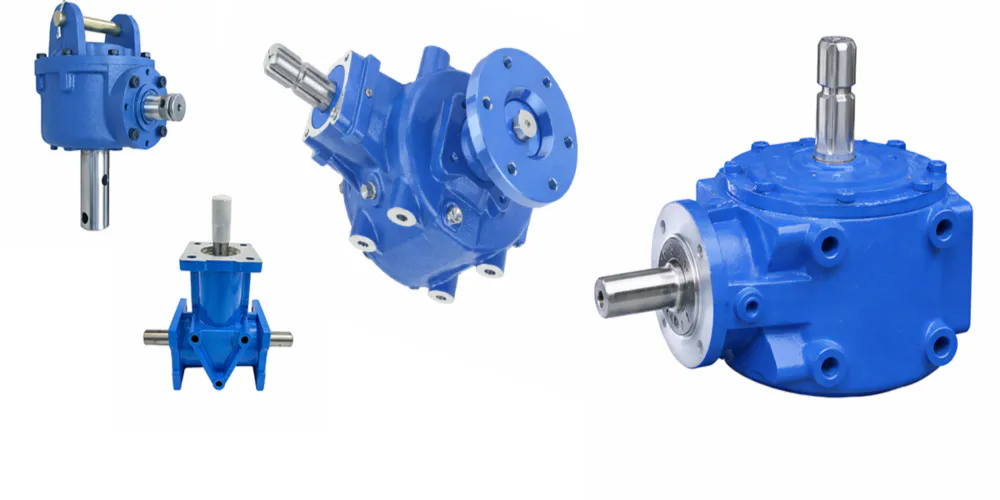
2. The Pulse of Centralized Feeding: Precision Dosing for Maximum FCR
In the expanding landscape of Brazilian aquaculture, particularly in the intensive Tilapia cage farms of the Paranapanema River and the super-intensive RAS (Recirculating Aquaculture Systems) for Shrimp, the Pneumatic Feeder for RAS/Cages Gearbox is the critical component defining Feed Conversion Ratio (FCR). Centralized pneumatic feeding systems rely on high-velocity air streams to transport pellets through HDPE pipes to cages hundreds of meters away. The gearbox in this system drives the Rotary Airlock Valve (Dosador), which must meter the feed into the airstream with absolute volumetric precision. If the gearbox falters or varies in speed, feed distribution becomes erratic—causing “dusting” (broken pellets) which pollutes the water and increases ammonia levels, or causing pipe blockages that stop feeding entirely during critical growth windows.
Agrinulear Nucleo Agro has engineered the “Aero-Dose” series specifically for these applications. Unlike standard industrial reducers that suffer from seal failure when exposed to the fine, oily dust of fish feed (Ração), our units feature a specialized IP67 Dust-Proof Sealing System. The gearbox housing is cast from corrosion-resistant HT250 iron and coated with a marine-grade epoxy to withstand the humid, saline environment typical of Brazilian cage farming. The internal gearing is designed for high-torque at low RPMs (typically driving the valve at 30-60 RPM), ensuring that the rotor shears through any oversized pellets without jamming. As a premier agricultural manufacturer, we understand that consistency in feeding equals consistency in harvest weight, directly impacting the profitability of Brazilian producers.
3. The Mechanics of Pneumatic Conveying: The Role of the Airlock Drive
In a pneumatic feeding system for RAS or open cages, the blower generates a high-volume, low-pressure air stream. The challenge is to introduce solid feed pellets into this pressurized air stream without losing air pressure (“blowback”). This is where the Rotary Airlock Valve comes in, and the agricultural gear reducer driving it is the key to its function. The gearbox reduces the high speed of the electric motor (usually 1750 RPM) to a precise, slow rotation (e.g., 40 RPM). As the valve rotates, its pockets fill with feed from the hopper above and then dump the feed into the pipe below, while maintaining an air seal.
Agrinulear’s gearboxes are designed with a high “Service Factor” to handle the potential jamming caused by feed pellets getting stuck between the rotor blade and the housing. A standard gearbox might stall or strip gears under this “shock load.” Our units utilize a hardened worm shaft (20Cr steel) and a resilient bronze alloy worm wheel, which provides shock absorption characteristics. Furthermore, the agricultural gearbox is equipped with a hollow output shaft option for direct mounting onto the airlock shaft, eliminating the need for chains or belts that require maintenance and pose safety risks on floating pontoon barges. This direct-drive capability is essential for the compact, automated barges used in Brazil’s large reservoirs.
4. Engineered for the Tropics: Surviving Heat and Humidity
Brazil’s aquaculture hubs, such as the São Francisco River Valley and the reservoirs of Mato Grosso do Sul, experience intense heat and humidity. A gearbox mounted on a metal feed barge in the middle of a lake can reach surface temperatures of over 60°C. This heat causes internal pressure buildup, which can force oil out through standard seals. Agrinulear agricultural manufacturer engineers have addressed this by integrating specialized “Sintered Bronze Breathers” that allow air expansion without letting moisture in.
Additionally, the feed dust (pó de ração) is extremely fine and oily. In combination with humidity, it forms a sticky paste that can destroy standard rubber seals. Our “Aero-Dose” gearboxes feature a “Labyrinth Seal” protection on the output shaft—a non-contact path that physically prevents dust from reaching the primary Viton oil seal. This design extends the seal life by up to 300% compared to generic reducers. We also use stainless steel hardware (bolts and plugs) to prevent the galvanic corrosion common in brackish water environments, ensuring that maintenance is possible even after years of service.
5. Outperforming the Competition: Material Science Advantage
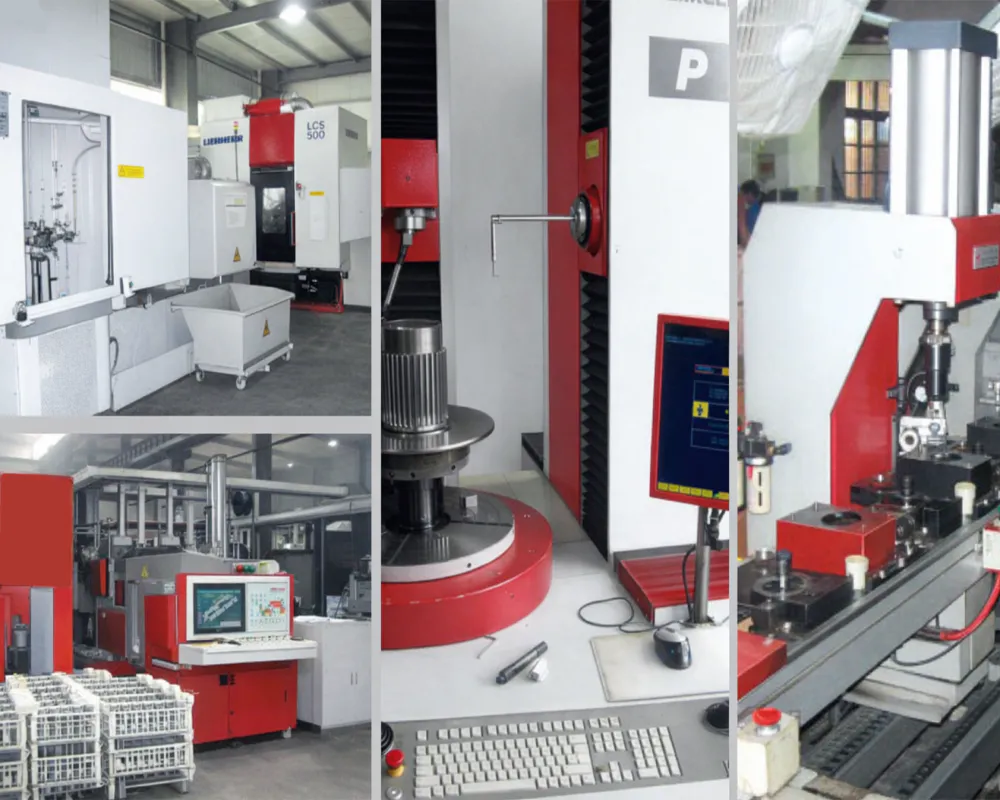
The Brazilian market is flooded with generic industrial gearboxes (“redutores industriais”) repurposed for aquaculture. These units often lack the specific protections needed for floating feed barges. Agrinulear Nucleo Agro differentiates itself by offering purpose-built solutions. While competitors use standard cast iron shafts that rust and seize, we offer Stainless Steel 304 output shafts as a standard option for our “Aqua” line. We ensure seamless compatibility with major feeding system brands found in Brazil:
- Akva Group™ Systems: Drop-in replacements for selector valve drives.
- Steinsvik™ Feeders: High-torque upgrades for rotary valve motors.
- Local “Tratador Automático” Brands: Custom flanges for Brazilian OEM feeders.
- IAS™ Products: Compatible drives for pneumatic blowers and spreaders.
Disclaimer: All original equipment manufacturer (OEM) names, trademarks, and model numbers (e.g., Akva, Steinsvik) are for reference and identification purposes only. Agrinulear Nucleo Agro is an independent manufacturer and is not affiliated with, endorsed by, or sponsored by these brands.
6. [Field Engineer’s Log] Feeding System Performance Report
Case 1: Brazil (Paraná) – Tilapia Reservoir
“Our barge feeders run 12 hours a day. The old gearboxes would overheat and leak oil into the lake, a huge environmental risk. Agrinulear’s units run 15°C cooler and the double seals give us peace of mind.”
– Operations Manager, Sr. Carlos
Case 2: Brazil (Ceará) – Shrimp RAS
“In our RAS facility, feed dust is everywhere. It killed our previous motor gearboxes in 6 months. The IP67 rating on the Agrinulear ‘Aero-Dose’ is real; we opened one after a year and it was spotless inside.”
– Technical Director, Ana M.
Case 3: Chile (Puerto Montt) – Salmon Cages
“The salt air here is corrosive. Agrinulear’s epoxy coating holds up better than anything else we’ve tried. The stainless shafts saved us hours of maintenance chipping off rust.”
– Maintenance Lead, Jorge R.
Case 4: Brazil (Tocantins) – Native Fish
“We feed large pellets for Tambaqui. Sometimes they jam the valve. The high torque of the Agrinulear worm gear powers through the jams where our old drives would stall and burn the motor.”
– Farm Owner, Lucas B.
Case 5: Brazil (São Paulo) – Automated Barge
“We needed a compact solution for our solar-powered barges. Agrinulear helped us select a high-efficiency helical unit that draws less amps, extending our battery life significantly.”
– System Integrator, Felipe S.
7. Complete Drivetrain Ecosystem for Automation
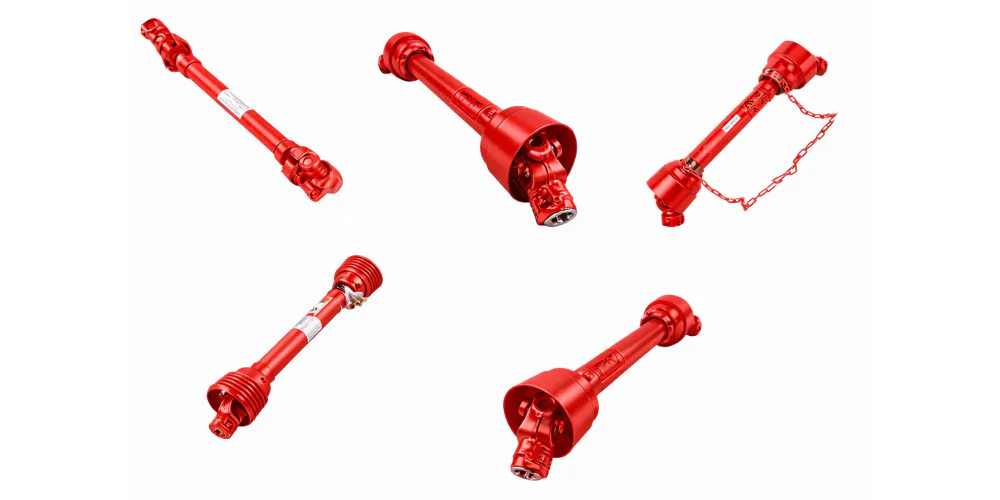
A reliable pneumatic feeding system requires more than just a gearbox. Agrinulear Nucleo Agro provides a full suite of transmission components to ensure seamless operation. For mechanical conveyor sections of the feeder, we supply corrosion-resistant Chains. For the primary drive of the blower systems (often PTO driven in mobile units), our PTO Shafts offer heavy-duty performance. We also manufacture precision Sprockets for metering chains. Emphasizing system compatibility, our one-stop supply chain simplifies maintenance for busy farm managers.
8. Future Trends: AI-Driven Precision Feeding
The future of aquaculture lies in “Precision Feeding” powered by acoustic sensors and AI. As farms in Brazil adopt acoustic feedback systems (which listen to the fish eating), the Pneumatic Feeder for RAS/Cages Gearbox must respond instantly to stop/start signals. Agrinulear is pioneering “Smart-Drive” gearboxes with integrated encoders to provide precise feedback on the exact volume of feed dispensed. This data integration allows farm management software to calculate real-time biomass and FCR, pushing the efficiency of Brazilian aquaculture to world-leading levels.
FAQ:
Q1: How do I select the right gearbox ratio for my rotary valve feeder?
A1: The ratio depends on your desired feed rate (kg/min) and the volume of your valve pockets. Typically, a rotor speed of 30-40 RPM is ideal to prevent pellet breakage. If your motor is 1750 RPM, a ratio of 1:40 to 1:60 is usually recommended. Contact our engineers for a precise calculation.
Q2: Can your gearboxes operate in the high humidity of Amazonian fish farms?
A2: Absolutely. Our “Aero-Dose” series is built with tropicalization in mind. We use non-hygroscopic breather plugs and epoxy paint that resists fungal growth and humidity, ensuring reliable operation even in the 90%+ humidity of the Amazon basin.
Q3: Do you offer stainless steel output shafts to prevent corrosion?
A3: Yes, we offer AISI 304 stainless steel output shafts as an option. This is highly recommended for pneumatic feeders used in brackish water or marine shrimp farming, as it eliminates the risk of the shaft seizing to the valve rotor due to rust.
Q4: What maintenance is required for these gearboxes on a floating barge?
A4: We design for low maintenance. For our synthetic-oil filled units, the oil is “lubricated for life” for smaller sizes. For larger units, an oil check every 6 months is recommended. Keeping the breather plug clean and checking the seals for feed dust buildup is the most important regular task.
Q5: Are your mounting flanges compatible with Brazilian electric motors like WEG?
A5: Yes, all our gearboxes follow the IEC standard (B5 or B14 flanges), which is the standard used by WEG and other major motor manufacturers in Brazil. We can guarantee a direct fit without the need for machining adapter plates.
Q6: How do you prevent feed dust from destroying the gearbox seals?
A6: We utilize a “Double-Lip” Viton seal protected by an external dust cover or labyrinth seal. This creates a multi-barrier defense that prevents fine, oily feed dust from reaching the sealing surface, significantly extending the life of the unit.
Q7: Can I use a Variable Frequency Drive (VFD) with your gearboxes to control feed rates?
A7: Yes, our gearboxes are fully compatible with VFD-driven motors. They are designed to maintain proper lubrication even at lower speeds (e.g., 20Hz operation), allowing you to precisely ramp feed rates up and down based on fish appetite.
Q8: What is the delivery time for replacement units to Northeast Brazil?
A8: We maintain a distribution center in São Paulo with ready stock of common ratios and sizes. Shipping to the Northeast (Recife, Fortaleza) typically takes 5-7 business days via road transport, or we can arrange air freight for emergencies.
Q9: Do you offer a warranty against corrosion?
A9: While no metal is 100% immune to salt water forever, our 12-month warranty covers casing integrity. Our specialized marine-grade epoxy coating is tested to withstand over 500 hours of salt spray testing, far exceeding standard industrial paint.
Q10: Is this gearbox suitable for high-pressure pneumatic conveying systems?
A10: Yes, for high-pressure systems (dense phase), the torque requirements on the airlock increase. Our heavy-duty helical-bevel units are specifically recommended for these applications due to their superior torque density and ability to handle back-pressure loads.
Editor: PXY