
1. Technical Specifications: Manure Belt Drive Data
Calibrated for Tropical Poultry Facilities.
| Parameter | Value | Unit/Note |
|---|---|---|
| Nominal Output Torque | 600 – 2500 | Nm |
| Input Power | 0.75 – 3.0 | kW |
| Reduction Ratio | 1:60 to 1:200 | Standard |
| Output Speed | 4.0 – 14.0 | RPM |
| Belt Speed | 3 – 8 | m/min |
| Output Shaft Ø | 35 / 40 / 50 | mm (Hollow) |
| Housing Material | Cast Iron HT250 | Anti-Corrosion |
| Gear Material | Bronze CuSn12 | Worm Wheel |
| Worm Shaft | 20CrMnTi | Carburized |
| Service Factor | 1.8 – 2.2 | Heavy Duty |
| Lubrication | Synthetic PAG 460 | Long Life |
| Sealing | Double Lip FKM | Viton Seals |
| IP Rating | IP66 | Washdown Safe |
| Coating | Epoxy Resin | 3-Layer |
| Voltage | 220/380/440 | V (50/60Hz) |
| Insulation Class | Class H (180°C) | Tropicalized |
| Noise Level | < 65 | dB(A) |
| Mounting | Flange / Torque Arm | Universal |
| Efficiency | 70% – 85% | High Eff. |
| Weight | 25 – 80 | kg |
2. The Mechanics of Automated Sanitation in High-Density Aviaries
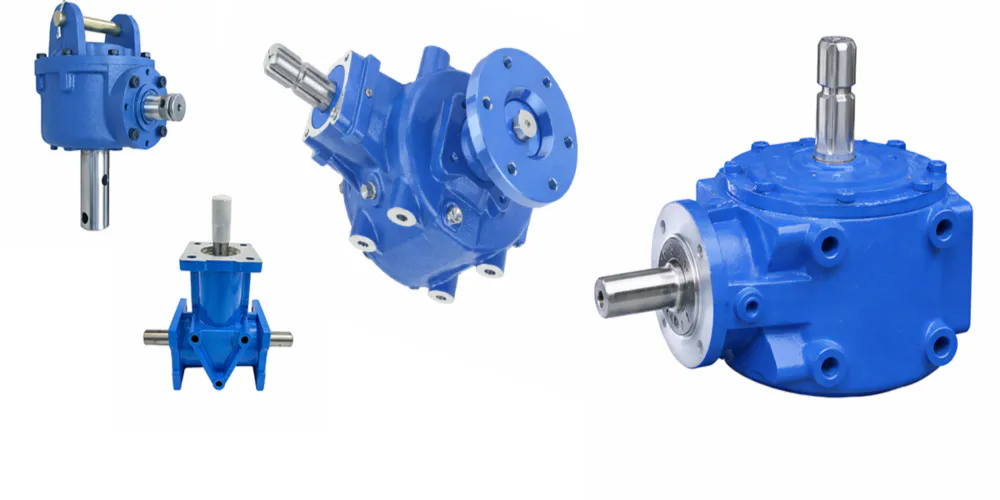
In the highly technified layer and breeder farms of Brazil, the Manure Belt Gearbox serves as the critical kinetic heart of the sanitation system. Modern aviaries, often extending over 150 meters in length, utilize polypropylene (PP) or PVC belts to collect manure directly beneath the cages. The agricultural gearbox tasked with driving these belts faces a unique set of mechanical challenges that far exceed standard industrial applications. It must generate immense break-away torque to overcome the static friction of a belt loaded with tons of wet, nitrogen-rich poultry waste, especially after a nightly accumulation cycle. If the gearbox fails to deliver this initial torque surge, the belt slips on the drive roller, causing friction burns, belt snapping, or motor burnout. Furthermore, this operation occurs in an environment saturated with ammonia (NH3) and hydrogen sulfide, gases that aggressively corrode standard aluminum housings and degrade rubber seals.
At Agrinulear Nucleo Agro, we have re-engineered the drive concept for the Brazilian market. Our “Sanita-Drive” series is not just a speed reducer; it is a biosecurity assurance system. We utilize a specialized double-worm or helical-bevel gear train that provides a self-locking feature, ensuring that the heavy manure belt does not roll back when the power is cut—a crucial safety feature for maintenance personnel entering the pit. The housing is cast from high-density iron (HT250) rather than porous aluminum, offering superior resistance to the acidic pH of poultry manure. By integrating high-load output bearings and a reinforced output shaft, our gearboxes maintain precise belt tracking, preventing the belt from wandering and damaging the cage structure. This reliability is essential for producers in regions like São Paulo and Espírito Santo, where maintaining continuous hygiene is the primary defense against Salmonella and avian influenza risks in export-grade production.
3. Engineering for the “Granja”: Torque, Friction, and Ammonia
The working principle of a Manure Belt Gearbox is a battle against variable friction. In a typical Brazilian “Granja” (poultry farm), humidity levels can fluctuate drastically, affecting the adhesion of the manure to the belt and the belt to the slider bed. A standard agricultural manufacturer might design for a constant load, but we design for the “Worst Case Scenario”: a Monday morning start-up after a weekend of accumulation, with high humidity making the belt sticky. Our gearboxes are engineered with an oversized final reduction stage that multiplies the motor’s torque output by a factor of up to 200. This immense low-speed torque capability ensures that the drive roller grips the belt firmly, initiating movement without the juddering or slipping that characterizes inferior drive systems.
Beyond torque, the material science of the gearbox is tailored for chemical warfare. Poultry manure releases ammonia, a corrosive gas that attacks standard rubber seals and aluminum alloys. Agrinulear employs “Viton” (FKM) seals on all output shafts. Unlike standard NBR seals which harden and crack when exposed to ammonia, Viton retains its elasticity and sealing properties, preventing the ingress of liquid manure into the gearbox oil sump. Furthermore, the output shafts are treated with a specialized hardening process or optionally manufactured from AISI 304 stainless steel. This ensures that the interface between the gearbox and the drive roller remains rust-free, facilitating easy maintenance and replacement even after years of service in the corrosive atmosphere of a layer house.
4. Tropical Adaptation: Surviving Brazilian Humidity and Heat
Brazil’s diverse climate, from the dry heat of the Cerrado to the humid subtropical south, imposes severe thermal stresses on electromechanical equipment. A manure belt motor-gearbox unit often operates in an enclosed pit or at the end of a cage row where ventilation is minimal and temperatures can exceed 40°C. Standard motors often trip their thermal overloads in these conditions. Agrinulear pto gearbox equivalents for electric drives feature “Tropicalized” windings with Class H insulation and enhanced cooling fans. The gearbox itself is filled with high-viscosity synthetic Polyglycol oil (PAG), which maintains a stable lubricating film even at high operating temperatures, preventing gear tooth pitting and wear.
Additionally, the cleaning protocols in Brazilian farms involve high-pressure water jets (Lavagem). To protect the internal components, our units are rated IP66. We install a secondary “Gamma Ring” or V-seal on the output shaft, which acts as a centrifugal slinger, deflecting water and debris away from the main oil seal. This double-barrier protection is critical for preventing water contamination of the gear oil—a leading cause of premature gearbox failure. By addressing both the internal heat generation and the external environmental threats, Agrinulear provides a drive solution that offers the lowest Total Cost of Ownership (TCO) for Brazilian egg and broiler producers.
5. Seamless Retrofit: The Universal Drive Solution
Agrinulear Nucleo Agro understands that the Brazilian poultry sector utilizes a mix of global technology and local ingenuity. Our Manure Belt Gearboxes are designed with a “Universal Flange” system, making them compatible with the majority of cage systems installed in Brazil. Whether you are replacing a unit on a German Big Dutchman system, a US-based Chore-Time installation, an Italian Tecno setup, or local Brazilian brands like Artbas or Kilbra, our gearboxes can be configured to fit. We offer hollow shaft outputs in 30mm, 35mm, 40mm, and 50mm, along with torque arm kits that adapt to various frame designs.
6. [Engineer’s Log] Sanitation Drive Field Reports
Case 1: Brazil (Bastos, SP) – Commercial Layer Complex
“The corrosion in our manure pits was eating through aluminum gearboxes every 8 months. Agrinulear’s Cast Iron ‘Sanita-Drive’ has survived 2 years with zero housing degradation. The ammonia resistance is real.” – Chief Engineer, Sr. Carlos M.
Case 2: Brazil (Santa Maria de Jetibá, ES) – Mountain Aviary
“Our farm has voltage fluctuations that used to burn out motors. The Agrinulear integrated motors handle the low voltage starts without overheating. We replaced all 20 units in Shed 4.” – Maintenance Lead, Paulo R.
Case 3: Argentina (Entre Ríos) – Automated Broiler Farm
“We needed a supplier who could match the Italian gearboxes on our Facco cages. Agrinulear provided a custom hollow shaft adapter that fit perfectly. Saved us weeks of downtime.” – Operations Director, Jorge L.
Case 4: Brazil (Goiás) – Breeder Farm
“Biosecurity washdowns are frequent here. The double-lip Viton seals on these gearboxes actually keep the water out. No more milky oil during maintenance checks.” – Sanitation Manager, Ana S.
Case 5: Paraguay (Asunción) – Integrated Poultry Unit
“The torque on these units is impressive. Even when the manure belt is overloaded after a holiday, the gearbox powers through without slipping. It’s a heavy-duty solution.” – Farm Manager, Diego F.
7. Complete Drivetrain Solutions for Poultry Systems
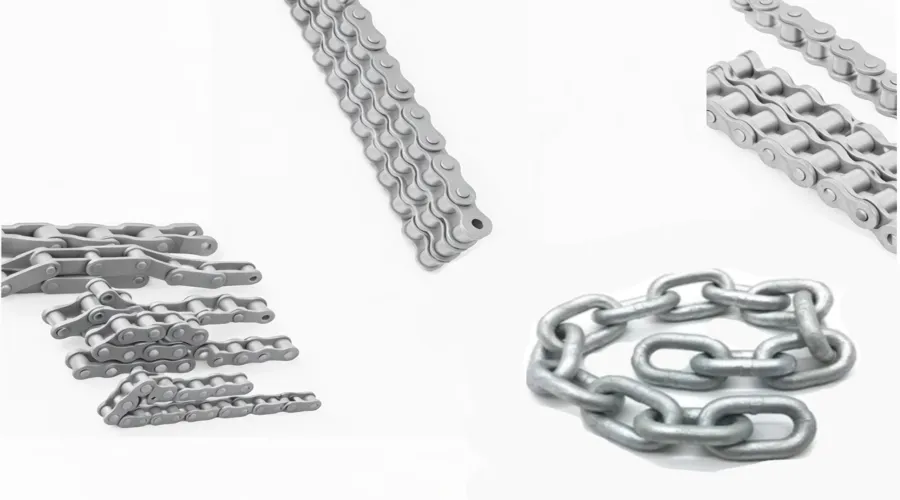
A robust manure removal system relies on more than just the gearbox. The transmission of power to the cross-conveyors and elevators requires high-quality components that can withstand the same harsh environment. Agrinulear Nucleo Agro functions as a one-stop-shop agricultural manufacturer, supplying compatible PTO shafts for tractor-driven pumps, precision sprockets for chain drives, and industrial-strength Roller Chains tailored for drag-chain conveyors. Our system compatibility ensures that every link in your waste management chain is reinforced with Agrinulear quality.
8. FAQ:
Q1: How does the Manure Belt Gearbox handle the corrosive ammonia in my layer house?
A1: We specifically tackle ammonia corrosion by using Cast Iron (HT250) housings instead of aluminum, which pits easily. Additionally, we apply a 3-layer epoxy coating system and use Viton seals that don’t degrade in ammonia-rich atmospheres, ensuring the gearbox stays sealed and structural.
Q2: Can I replace my leaking Big Dutchman manure drive with your unit?
A2: Yes, absolutely. Our gearboxes are designed with universal mounting dimensions. We offer matching hollow shaft sizes (typically 30mm or 40mm) and torque arms that allow for a direct “drop-in” replacement for Big Dutchman and other major European brands used in Brazil.
Q3: What should I do if the belt freezes to the roller in winter?
A3: In colder regions like Rio Grande do Sul, this can happen. Our gearboxes are engineered with a Service Factor of 2.0, providing extra break-away torque to free a stuck or frozen belt without damaging the internal gears. Always ensure the belt is free of debris before starting.
Q4: Do you offer 440V motors for large industrial poultry complexes?
A4: Yes, we supply motors in all standard Brazilian industrial voltages, including 220V, 380V, and 440V three-phase. Our motors are also frequency inverter ready, allowing you to adjust belt speed for different cleaning protocols.
Q5: How often do I need to change the oil in this gearbox?
A5: We recommend an initial oil change after the first 500 hours to remove break-in particles. After that, due to the harsh environment, we advise changing the synthetic oil every 2,500 hours or annually to ensure maximum protection.
Q6: Is the output shaft rust-proof?
A6: Standard steel shafts will rust. We offer an optional Stainless Steel (AISI 304) output shaft upgrade which is highly recommended for manure belt applications. It prevents the shaft from seizing to the drive roller, making future maintenance much easier.
Q7: Can this unit drive the cross-conveyor belt as well?
A7: While the manure belt gearbox is designed for high torque and low speed, cross-conveyors often run faster. We have specific models in our “Sanita-Drive” range tailored for the speed requirements of cross-conveyors and incline elevators.
Q8: Do you stock spare parts in Brazil?
A8: Yes, Agrinulear Nucleo Agro maintains a comprehensive stock of spare parts, including seal kits, motors, and complete gearboxes, at our distribution hub to ensure rapid support for our Brazilian clients.
Q9: What is the IP rating for washdown protection?
A9: Our gearboxes are rated IP66, meaning they are dust-tight and protected against powerful water jets. The double-lip seals and sealed terminal boxes are designed to withstand the rigorous cleaning cycles of a poultry farm.
Q10: Can I get a quote for a bulk order for a new farm construction?
A10: Absolutely. We specialize in supplying OEM projects and large farm expansions. Please use the contact form below to send us your project details, and our engineering team will provide a competitive bulk quote tailored to your specific cage system.
9. Future Trends: Smart Sanitation and IoT Integration
The Brazilian poultry industry is moving rapidly towards “Precision Livestock Farming” (PLF). In the realm of manure management, this means the adoption of smart gearboxes equipped with load sensors. These intelligent drives can detect the weight of the manure on the belt in real-time, automatically adjusting the cleaning frequency to prevent overload and reduce ammonia spikes. Agrinulear is at the forefront of this trend, developing “IoT-Ready” gearboxes that can communicate with farm management software, providing predictive maintenance alerts and energy usage data. This shift towards data-driven sanitation will define the next decade of high-efficiency, sustainable poultry production.
Editor: PXY