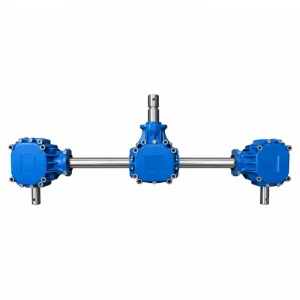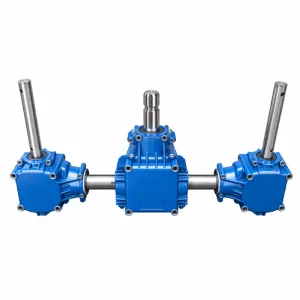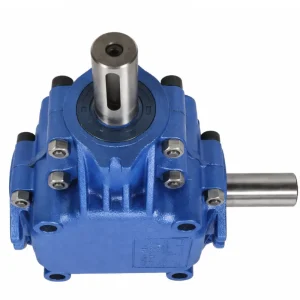
Description
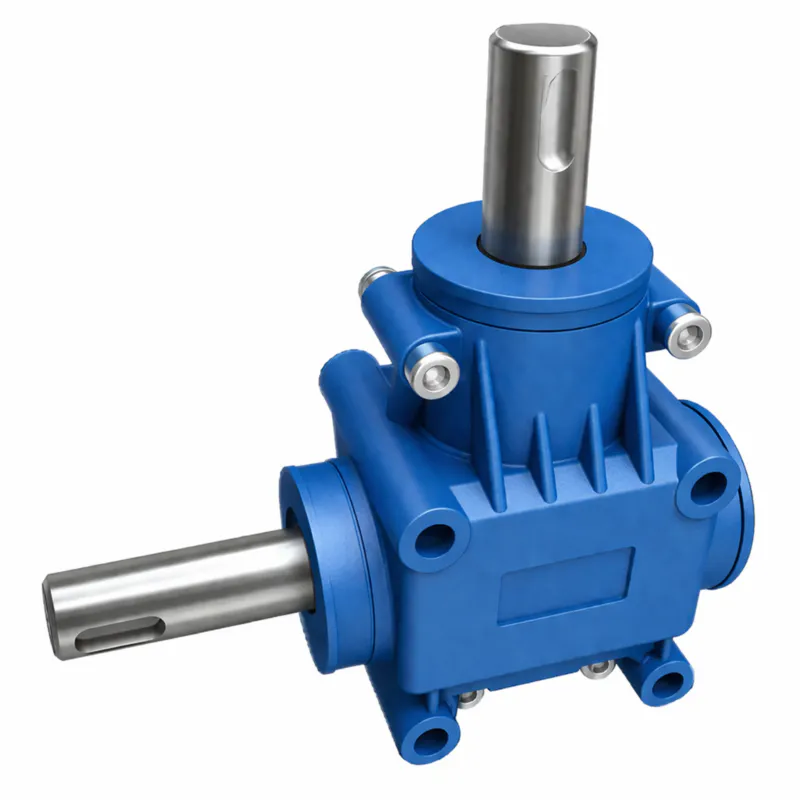
1. Technical Specifications – EP-L150J Fertilizer Spreader Gearbox
The table below presents the primary technical parameters of the EP-L150J. Data is drawn from the engineering specification sheet for this product model. Operators and purchasing engineers are encouraged to verify shaft compatibility and mounting dimensions against their specific spreader chassis prior to ordering. The specification values listed represent normal rated operating conditions; transient overloads should not exceed 150% of rated torque for periods longer than 5 seconds to avoid accelerated gear wear.
| Parameter | Value / Specification |
|---|---|
| Model No. | EP-L150J |
| Replacement Code | Comer L-150J |
| Gear Ratio | 1:1.93 |
| Input Speed (N1) | 540 rpm |
| Input Power (P1) | 8.0 kW |
| Max. Rated Power | 60 hp |
| Output Torque (M2) | 137 Nm |
| Input Shaft (Entry Shaft) | PTO Φ35 mm / Z6 (1‑3/8″ Z6) |
| Output Shaft (Exit Shaft) | Φ25 mm, two vertical bores, no keyway |
| Rotation Direction | CCW (Counter-clockwise) |
| Housing Material | Die-cast aluminum alloy |
| Mounting Pattern (Bolt Circle) | 203.2 mm |
| Lubrication Method | Grease (not included) |
| Recommended Grease Grade | NLGI Grade 2, lithium-complex |
| Grease Fill Quantity | Approx. 150 mL |
| Operating Temperature Range | -20°C to +60°C |
| Noise Level at Rated Load | ≤72 dB(A) |
| Protection Rating | IP54 |
| Net Weight | Approx. 4.2 kg |
| Overall Dimensions (L×W×H) | 235 × 195 × 120 mm |
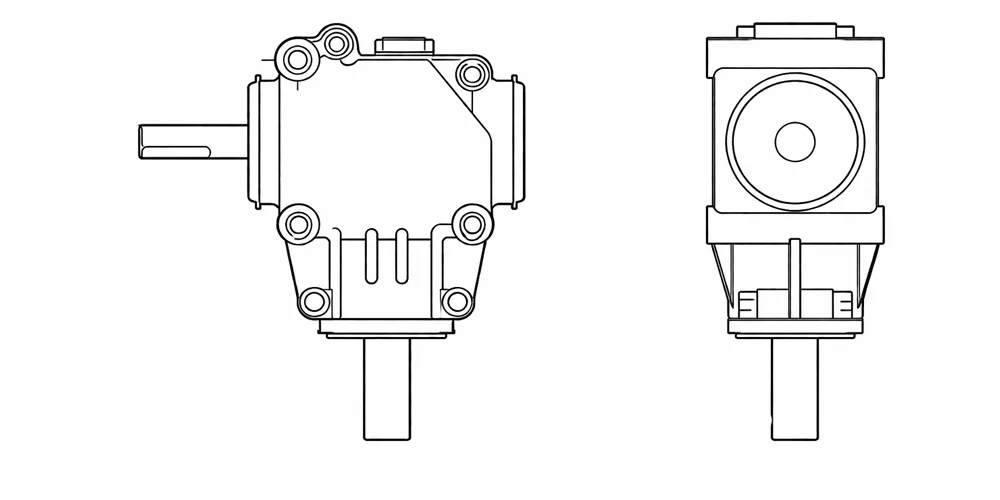
2. Five Key Product Advantages
Understanding why a specific fertilizer spreader gearbox outperforms alternatives in the field starts with a clear look at its engineering choices. Below are the five defining advantages that make the EP-L150J a preferred choice for agronomists, farm equipment dealers, and maintenance engineers working across high-intensity cropping systems in Brazil and beyond. These advantages are grounded in measurable technical criteria — not marketing claims — and they reflect the real-world priorities of operators who depend on consistent machine performance across full growing seasons. From its drop-in compatibility with Comer-coded spreaders to its thermally stable aluminum housing, each feature addresses a genuine pain point encountered during fertilizer spreader gearbox replacement and servicing work.
Direct Comer L-150J Replacement Compatibility
The EP-L150J matches the bolt-circle mounting pattern of 203.2 mm and the same I/O shaft geometry as the original Comer L-150J, meaning no welding, no drilling, and no adaptor plates. Dealers and farm mechanics who stock this fertilizer spreader gearbox can service a wide range of centrifugal spreaders in the field without returning machines to a workshop. This dramatically reduces machinery downtime during peak fertilizer application periods, which is especially critical for grain producers in Mato Grosso and Goiás who operate tight planting calendars.
Precision 1:1.93 Gear Ratio for Uniform Distribution
The gear ratio of 1:1.93 is not an approximation — it is a cut-gear specification that determines the angular velocity relationship between the PTO input and the impeller output shaft. At 540 rpm PTO input, the spreader impeller turns at approximately 1,042 rpm, producing the centrifugal energy needed to achieve consistent spread widths across multiple fertilizer types and granule sizes. Maintaining this ratio precisely is what separates a quality fertilizer spreader gearbox design from a cheap imitation, because even minor deviations in ratio result in uneven application rates that cost producers money in wasted inputs and uneven crop stands.
Lightweight Die-Cast Aluminum Housing
The housing of this fertilizer spreader gearbox is die-cast from a high-silicon aluminum alloy, chosen for its excellent strength-to-weight ratio, corrosion resistance to ammonium nitrate and urea fertilizer residues, and its thermal conductivity that helps dissipate frictional heat during extended operation. The low net weight of approximately 4.2 kg reduces dynamic loading on the spreader frame and PTO driveline, extending the service life of connected components. For operators in tropical environments such as the Brazilian Northeast or Paraguay, where high ambient temperatures combine with continuous duty cycles, this thermal management characteristic is a practical operational benefit.
Rated at 60 hp / 540 rpm for Demanding Conditions
A power rating of 60 hp at 540 rpm means this fertilizer spreader gearbox can be paired with tractors ranging from small utility units to mid-range crop tractors without risk of overloading the transmission components. The internal gear set and bearing arrangement have been sized to sustain this load continuously, not just under peak conditions. Farmers who apply liquid-coated granular fertilizers — heavier and harder to distribute than standard prilled urea — will appreciate that the gearbox’s torque capacity of 137 Nm on the output shaft provides sufficient reserve to prevent stall or premature gear wear during high-density spreading passes.
Simple Grease Lubrication – Low Maintenance Design
Unlike oil-bath gearboxes that require periodic drain-and-refill servicing and risk seal leakage in inverted or inclined operating positions, the EP-L150J uses grease lubrication throughout. NLGI Grade 2 lithium-complex grease packed into the housing maintains consistent lubrication of the gear mesh and bearing races across the full operating temperature range of -20°C to +60°C. This design choice is deliberate: it minimizes the skill level required for routine fertilizer spreader gearbox maintenance, reduces the risk of lubricant contamination of the fertilizer product, and eliminates the need for level-check ports or drain plugs. Farm technicians in regions with limited workshop infrastructure will find this system straightforward to service with standard grease guns during routine pre-season checks.
3. How the Fertilizer Spreader Gearbox Works
The operating principle of the EP-L150J fertilizer spreader gearbox begins at the tractor’s power take-off (PTO) stub shaft, which typically runs at a standardized 540 rpm in most agricultural tractors used in South America, Europe, and Asia. A PTO driveshaft — itself a separate component connected to the gearbox’s 1‑3/8″ Z6 input shaft — transfers rotational torque into the gearbox housing. Inside, a helical or spur gear pair (depending on the specific internal design generation) meshes to multiply the torque while simultaneously adjusting the output speed to match the impeller’s required rotational range. The 1:1.93 ratio means that for every revolution of the input, the output rotates 1.93 times, bringing a 540 rpm PTO input to approximately 1,042 rpm at the impeller. Counter-clockwise (CCW) output rotation is the design standard for this model, which is important: pairing the wrong rotation direction with a spreader impeller will cause the deflectors to throw material backward instead of forward in the desired spread pattern. The output shaft — Φ25 mm with two vertical bores and no keyway — transmits torque to the spreader’s disk or impeller assembly, which flings granular fertilizer outward by centrifugal force. The gearbox housing itself mounts to the spreader frame via a 203.2 mm bolt-circle pattern, positioning the unit beneath the hopper so that the impeller receives a gravity-fed stream of material from the outlet gate. Regulating that gate opening controls application rate, while tractor forward speed and PTO rpm together determine spread width and uniformity. Understanding this chain of interactions is essential for fertilizer spreader gearbox installation engineers who need to set up machines for variable-rate application systems common in precision agriculture programs operating across Brazil’s soy belt.
4. Material & Construction
Material selection for a fertilizer spreader gearbox is not a cosmetic decision — it determines service life, corrosion resistance, and maintenance burden across thousands of operating hours. The EP-L150J housing is manufactured from a high-silicon aluminum alloy (equivalent to ADC12 or A380 grade), pressure die-cast to achieve dimensional accuracy and a dense, pore-free wall structure that resists moisture ingress even in humid tropical field environments. Aluminum was chosen over cast iron for three primary reasons: it is approximately one-third the weight of iron for a given section thickness, it does not rust in the presence of ammonium-based fertilizers and soil moisture, and it dissipates frictional heat more rapidly — important for a unit that may run continuously during eight-hour application shifts. The internal gear set is manufactured from medium-carbon alloy steel, case-hardened to achieve a surface hardness that resists pitting and abrasive wear at the gear mesh contact zone while retaining a tough, shock-absorbing core. Bearing races and rolling elements are selected from standard DIN/ISO series deep-groove ball bearings with C3 radial clearance, appropriate for the combination of moderate radial loading and light axial thrust present in this application. The output shaft — Φ25 mm — is turned from a case-hardened steel bar, ground on the bearing journal diameters to h6 tolerance to ensure consistent fit in replacement applications. All external fasteners use zinc-plated metric bolts to prevent rust seizure. The input shaft seal is a double-lip rubber oil seal, but given the grease-lubricated design, its primary function is to exclude field dust and crop residue rather than to retain oil. Together these material choices produce a fertilizer spreader gearbox that balances field durability, chemical resistance, and ease of maintenance for the demanding conditions of professional crop production.
5. Application Scenarios
The EP-L150J fertilizer spreader gearbox operation is suited to a broad spectrum of cropping systems and field conditions. Whether replacing a worn-out Comer unit mid-season or equipping a newly assembled spreader, the following application contexts represent the most common deployment environments for this model. Each scenario places different demands on the gearbox in terms of duty cycle, environmental exposure, and materials handled — and the EP-L150J’s engineering margins have been sized to address all of them reliably.
Soybean & Corn Farming – Brazilian Cerrado
Large-scale grain producers across the Cerrado biome — encompassing Mato Grosso, Goiás, and Minas Gerais — rely on high-capacity centrifugal spreaders for top-dressing urea and multi-nutrient blends across their soybean and corn fields. These spreaders operate intensively during short application windows before and after planting. The EP-L150J gearbox for fertilizer spreader use in this context must sustain extended daily run times; its grease-lubrication and IP54 protection are well-matched to the dusty, hot Cerrado environment.
Sugarcane Plantations – São Paulo & Northeast Brazil
Sugarcane ratoon management involves side-dress applications of potassium chloride and nitrogen fertilizers between rows at specific crop growth stages. In São Paulo State — the world’s largest sugarcane producing region — mechanical spreaders are in constant use from March through September. The EP-L150J’s CCW output rotation and Φ25 mm output shaft interface directly with the impeller assemblies found on leading Brazilian-market spreader brands, making this a practical fertilizer spreader gearbox replacement option for fleet maintenance teams.
Pasture Renovation & Livestock Operations
Beef cattle ranches across the Brazilian Midwest and Paraná regularly broadcast limestone (calcário) and phosphate fertilizers onto degraded pastures as part of renovation programs. These granular materials are heavier and more abrasive than standard NPK prills, placing higher torque demands on the gearbox. The EP-L150J’s 137 Nm output torque rating and hardened gear set make it well-suited to this demanding fertilizer spreader gearbox working condition, providing reliable service even when spreading coarse agricultural lime at high flow rates.
Vegetable & Horticulture Farms
Intensively managed vegetable operations in the states of Goiás, Minas Gerais, and Rio Grande do Sul use compact tractor-mounted spreaders for micro-nutrient and base dressing applications. In these settings, the spreader is often operated in confined headlands and on irregular terrain, making a lightweight gearbox with a secure mounting interface especially valuable. This fertilizer spreader gearbox equipment is compact enough to fit spreaders used on 50–75 hp utility tractors common in vegetable production without exceeding the spreader’s structural load limits.
Orchards & Coffee Plantations
Brazilian coffee-producing regions — including Minas Gerais, Espírito Santo, and São Paulo — and citrus orchards in São Paulo State use trailed and three-point-hitch mounted spreaders for potassium and calcium applications between tree rows. In orchard settings, the PTO-driven spreader typically operates at lower forward speeds with intermittent starts and stops, which can stress the drivetrain through inertia loading. The EP-L150J’s robust gear set and quality input shaft bearing support these intermittent-duty cycles reliably, earning consistent marks in fertilizer spreader gearbox quality evaluations by farm equipment servicers.
6. Regulatory Compliance & Industry Standards
Agricultural gearbox products must navigate a complex landscape of technical standards, safety directives, and import regulations depending on the target market. Buyers and importers should verify that products meet applicable local and regional requirements before placing units into service. The following overview covers the principal regulatory frameworks relevant to this fertilizer spreader gearbox across key markets.
Brazil (MAPA / ABNT): In Brazil, agricultural machinery and implements are subject to oversight by the Ministério da Agricultura, Pecuária e Abastecimento (MAPA) under Portaria SDA regulations that govern imported agricultural machinery components. Mechanical power transmission components used in PTO-driven implements must comply with the relevant ABNT (Associação Brasileira de Normas Técnicas) technical standards, particularly ABNT NBR standards relating to mechanical safety and power take-off systems. Importers are required to ensure that equipment is registered in the RENAGRO (Registro Nacional de Máquinas Agrícolas) system when applicable. PTO shaft and gearbox installations must also comply with the operator safety requirements outlined under NR31 — Brazil’s regulatory standard for rural occupational health and safety — which mandates proper shielding of rotating components.
European Union (CE / Machinery Directive): Products sold into EU member states must comply with the Machinery Directive 2006/42/EC, which establishes essential health and safety requirements for mechanical transmission components. Manufacturers placing PTO-driven gearboxes on the EU market must affix CE marking and provide a Declaration of Conformity. ISO 11684 governs the design of safety signs on agricultural machinery. ISO 4254 (series) covers the safety requirements for agricultural tractors and self-propelled machinery and is broadly referenced for PTO-connected implements across the EU.
United States (ASABE / OSHA): In the United States, ASABE (American Society of Agricultural and Biological Engineers) standards — including ASABE S205 for PTO shaft speed classification — define the interface standards for PTO-driven implements. OSHA regulations under 29 CFR 1928 govern agricultural operations and require that all rotating power transmission components be guarded to prevent operator contact. Power take-off components must conform to ASABE S296 (general terminology and definitions) and ASABE S318 (human factors engineering) as applicable.
Argentina & MERCOSUR Region: Argentina’s SENASA (Servicio Nacional de Sanidad y Calidad Agroalimentaria) and the Instituto Nacional de Tecnología Industrial (INTI) set standards for mechanical agricultural components. Within the MERCOSUR trade bloc, harmonized technical regulations (Reglamentos Técnicos MERCOSUR) increasingly align member states’ requirements for imported agricultural machinery components, simplifying import procedures for operators sourcing fertilizer spreader gearbox parts from outside the region.
ISO International Standards: Irrespective of local jurisdiction, the EP-L150J is designed with reference to ISO 6336 (calculation of load capacity of spur and helical gears) and ISO 281 (rolling bearing life calculation), providing an internationally recognized engineering basis for the rated power and torque values stated in the specification table above.
7. About Us
We are a specialized manufacturer of agricultural power transmission components, with engineering and production capabilities focused entirely on gearboxes, PTO shafts, and related drivetrain assemblies used in crop production machinery. Our production facility operates under a quality management system aligned with ISO 9001 principles, and our engineering team includes specialists in gear design, materials science, and agricultural machinery integration with combined decades of experience developing products for demanding field applications worldwide. We supply replacement gearboxes, OEM-specification assemblies, and custom-engineered units to agricultural equipment dealers, original equipment manufacturers, and large-scale farm operations across more than forty countries. Our product development process is grounded in reverse-engineering and performance benchmarking against leading OEM components — including Comer and Bondioli & Pavesi references — so that every unit we supply meets or exceeds the dimensional and performance specifications of the original part it replaces.
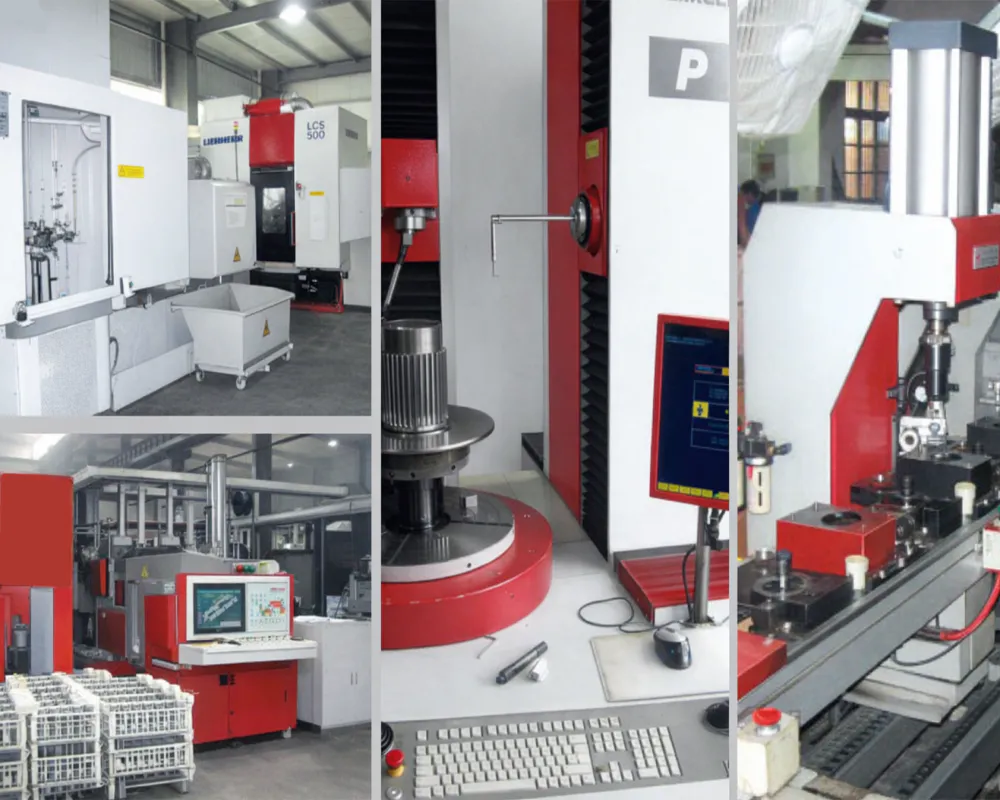
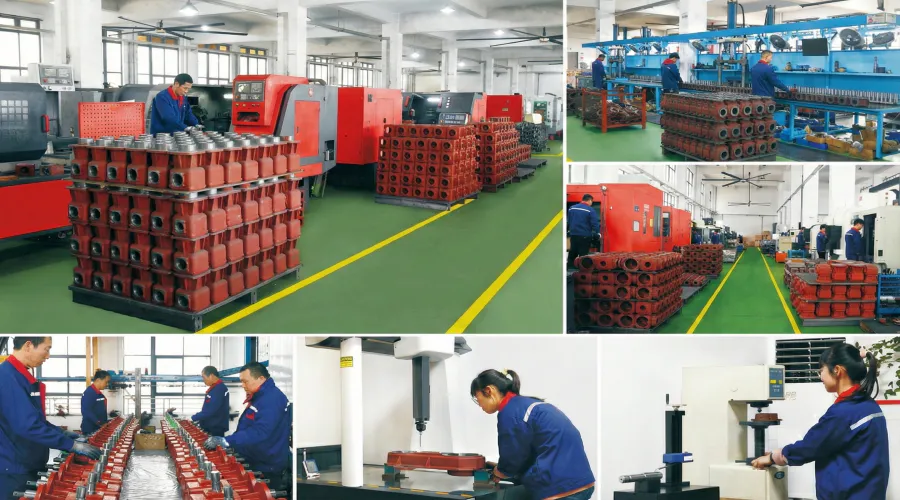
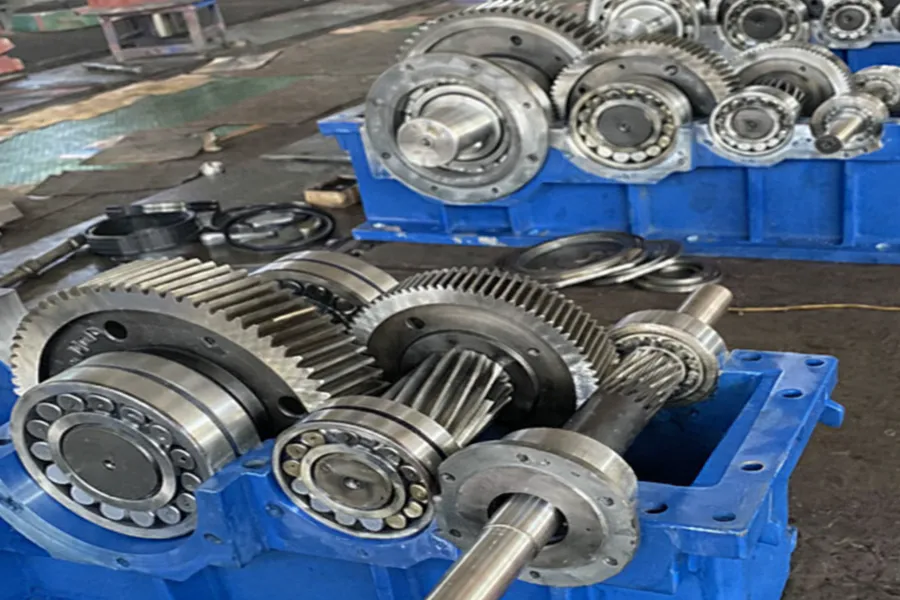
WorkShop
8. Related Products & System Compatibility
A fertilizer spreader gearbox operates as one component within a complete PTO-driven power transmission chain. System performance and reliability depend on the quality and compatibility of all connected components. We supply the full drivetrain assembly — from the tractor PTO stub to the spreader impeller — enabling customers to source a fully compatible, pre-matched system rather than assembling components from multiple suppliers. This one-stop supply approach simplifies procurement, ensures dimensional compatibility, and provides a single point of contact for technical support.
PTO Shafts for Fertilizer Spreaders
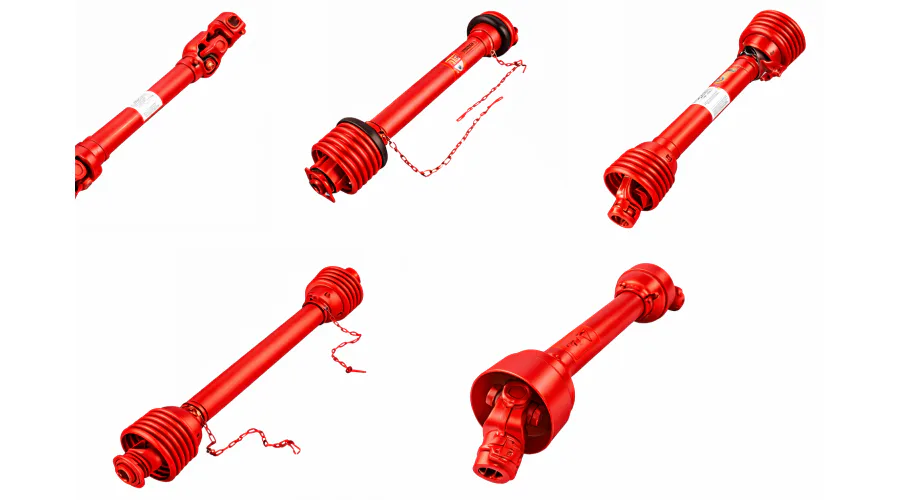
Every fertilizer spreader gearbox working installation requires a compatible PTO driveshaft connecting the tractor output stub to the gearbox input. We supply a full range of agricultural PTO shafts in 540 rpm and 1,000 rpm configurations, with safety shielding, quick-disconnect yokes, and shear-bolt or friction-clutch overload protection. These shafts are designed to work seamlessly with the EP-L150J’s 1‑3/8″ Z6 input, ensuring correct engagement depth and angular operating range. A properly specified PTO shaft also protects the gearbox input bearing from excessive bending loads during field maneuvers. For more information on compatible PTO shafts, visit our PTO Shaft product range.
Drive Chains & Sprockets
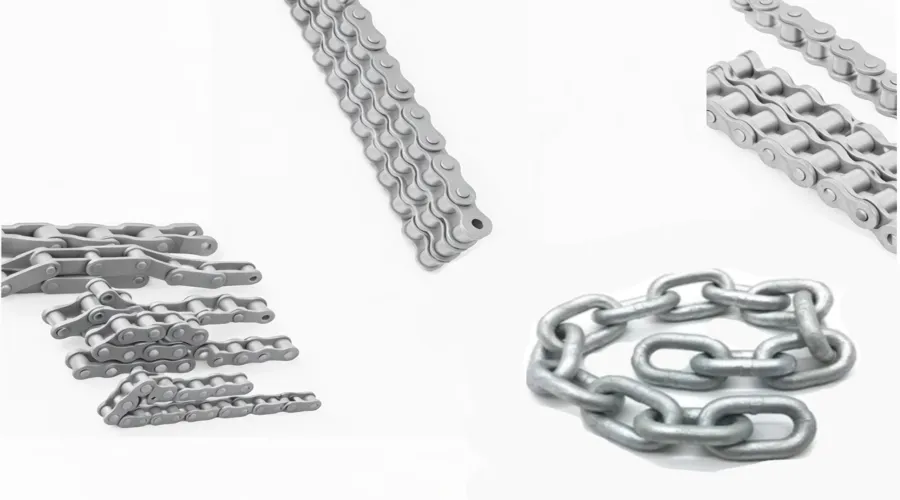
Some spreader designs incorporate secondary chain drives between the gearbox output and a secondary impeller or agitator shaft. We supply agricultural roller chains and matching sprockets engineered to withstand the shock loading common in fertilizer spreading applications. Using matched chain-and-sprocket sets sourced from the same supplier as the gearbox ensures that tooth profile, pitch, and hardness are optimized together — reducing the risk of premature chain elongation or sprocket wear that is common when mixing components from different sources.

Frequently Asked Questions
Q1. Which fertilizer spreader gearbox replacement fits Comer L-150J spreaders used on Brazilian soybean farms?
The EP-L150J is engineered as a direct replacement for the Comer L-150J and matches the original’s 203.2 mm bolt-circle mounting pattern, 1‑3/8″ Z6 input shaft, Φ25 mm output shaft, and 1:1.93 gear ratio. No machining or adaptor hardware is needed. It is suitable for the twin-impeller centrifugal spreaders widely used in Mato Grosso, Goiás, and other Cerrado soybean-producing states. When ordering, confirm the CCW rotation requirement with your spreader model’s impeller specification.
Q2. Which tractor brands and models are compatible with this gearbox for fertilizer spreader applications in Brazil?
The EP-L150J is compatible with any tractor equipped with a standard 540 rpm Category 1 or Category 2 PTO stub shaft running 1‑3/8″ with a 6-spline (Z6) profile. In the Brazilian market, this covers the entire PTO-equipped output of major brands including John Deere (5E, 6M series), AGCO/Valtra (A and N series), CNH (Case IH Farmall and Maxxum), Massey Ferguson (4700 and 6700 series), and Stara. When pairing with a specific tractor, verify that the tractor’s PTO output torque at 540 rpm does not exceed the gearbox’s 60 hp rated input to avoid overload conditions.
Q3. What is the correct fertilizer spreader gearbox installation procedure for the EP-L150J on a 540 rpm tractor PTO?
Begin by disconnecting the PTO shaft and removing the worn gearbox from the spreader mounting flange. Pack the new EP-L150J with approximately 150 mL of NLGI Grade 2 grease before mounting if not pre-filled. Torque the mounting bolts to the spreader manufacturer’s specification (typically 40–55 Nm for M10 bolts). Slide the PTO driveshaft’s female yoke onto the 1‑3/8″ Z6 input shaft until the locking collar engages. Before operating, verify that the PTO shaft length is correct: the shaft should not bottom out on the gearbox input or over-extend at maximum articulation. Run the PTO at low rpm for two minutes before increasing to working speed to allow the gear mesh to distribute grease evenly.
Q4. What PTO shaft length and type should I order together with a new fertilizer spreader gearbox for a three-point-hitch mounted spreader?
For three-point-hitch mounted spreaders, the PTO shaft length must be measured with the spreader in its working (lowered) position at the minimum tractor-to-implement distance, and also checked at the maximum raised position to ensure the shaft does not bottom out. Standard PTO shaft lengths for Category 1 and 2 three-point spreaders range from 700 mm to 1,200 mm collapsed length. Always choose a shaft with a friction clutch or shear-bolt overload protection to prevent shock loads reaching the EP-L150J gearbox input — this is especially important for operators who sometimes engage the PTO while the impeller disk is still loaded with fertilizer. Visit our PTO shaft selector page for compatible options.
Q5. How does a fertilizer spreader gearbox working at 540 rpm affect the spread width and application uniformity?
At 540 rpm PTO input, the EP-L150J’s 1:1.93 ratio delivers approximately 1,042 rpm to the impeller. Higher impeller speed generally increases centrifugal force on the fertilizer granules, resulting in wider spread widths but also greater sensitivity to granule size and density variation. For uniform application, it is important to use a calibrated spreader and to match impeller vane settings to the specific fertilizer product being applied. Operators should conduct a catch-tray test at the start of each season or when changing fertilizer products to verify the spread pattern and adjust vane angle or outlet gate accordingly.
Q6. What type of lubrication does the EP-L150J fertilizer spreader gearbox require, and how often should it be serviced?
The EP-L150J uses grease lubrication throughout — no oil fill is required. Fill the housing with approximately 150 mL of NLGI Grade 2 lithium-complex grease at initial installation. Under normal working conditions of 200–400 hours per season, inspect and re-grease every 50 operating hours or at the start of each season, whichever comes first. Grease should be added until slight resistance is felt from the fittings — do not over-fill, as this can pressurize the seals. In high-humidity or tropical operating environments, consider changing the grease completely every second season to remove any moisture contamination. Use only grease compatible with the seals (avoid silicone-based greases).
Editor: PXY