
Descrição do produto
FK730B Gearbox Suitable for 12 cbm mixer nbsp truck with Low Price
Descrição do produto
Reducers are generally used for low-speed and high-torque transmission equipment. The power of an electric motor, internal combustion engine or other high-speed operation is achieved through the gear with a small number of teeth on the input shaft of the reducer and the large gear on the output shaft to achieve the purpose of deceleration. Ordinary The reducer will also have several pairs of gears with the same principle to achieve the ideal reduction effect. The ratio of the number of teeth of the large and small gears is the transmission ratio.
There are many types of reducers, which can be divided into gear reducers, worm reducers and planetary gear reducers according to the transmission type.
The main features of planetary gear reducer are small size, large load-bearing capacity and stable operation.
The main characteristics of planetary gear transmission are small size, large load-bearing capacity, and stable operation; however, the structure of high-power and high-speed planetary gear transmission is complex and requires high manufacturing precision;
Some types of planetary gear transmission are highly efficient, but have small transmission ratios;
For other types, the transmission ratio can be very large, but the efficiency is low. When they are used as reducers, their efficiency decreases as the transmission ratio increases;When used as a speed increaser, self-locking may occur.
Parâmetros do produto
| Specification Modelo |
FK130B | FK230B | FK270B | FK330B | FK430B | FK530B | FK730B | FK830B | FK930B |
| Mixer Volume (cbm) | 3-5 | 4-6 | 6-7 | 7-8 | 9-10 | 10-12 | 12-14 | 15-16 | 17-20 |
| Torque de saída (Nm) | 30000 | 36000 | 42000 | 48000 | 54000 | 70000 | 75000 | 85000 | 95000 |
| Reduction ration | 103 | 103 | 128.5 | 133.7 | 135.5 | 135.5 | 144.3 | 141.3 | 141.3 |
| Drum angle (°) | 15 | 15 | 15 | 15 | 15 | 15 | 13 | 12 | 10 |
| Input rotation | 2500 | 2500 | 2500 | 2500 | 2500 | 2500 | 2500 | 2500 | 2500 |
| Radial load (kN) | 70 | 72 | 100 | 130 | 160 | 170 | 190 | 235 | 275 |
| Axial load (kN) | 20 | 22 | 28 | 36 | 45 | 50 | 60 | 70 | 90 |
| Peso (kg) | 160 | 162 | 175 | 185 | 325 | 330 | 340 | 405 | 415 |
| Lubricating oil (L) | 5.5 | 7.0 | 7.0 | 7.5 | 11.5 | 11.5 | 11.5 | 13.5 | 15.5 |
| Swing angle of Flange plate | ±6 | ±6 | ±6 | ±6 | ±6 | ±6 | ±6 | ±6 | ±6 |
| Model of Gear oil | SAE 85W-90/API GL4 GL5 | SAE 85W-90/API GL4 GL5 | SAE 85W-90/API GL4 GL5 | SAE 85W-90/API GL4 GL5 | SAE 85W-90/API GL4 GL5 | SAE 85W-90/API GL4 GL5 | SAE 85W-90/API GL4 GL5 | SAE 85W-90/API GL4 GL5 | SAE 85W-90/API GL4 GL5 |
| Connection port of Water pump | NO | NO | NO | NO | NO | NO | NO | NO | NO |
| Connection flange of Hydraulic motor | SAE C 16/32 Z21 |
SAE C 16/32 Z21 |
SAE C 16/32 Z21 |
SAE C 16/32 Z21 |
SAE C 16/32 Z21 |
SAE C 16/32 Z21 |
SAE C 16/32 Z21 |
SAE C 16/32 Z21 |
SAE C 16/32 Z21 |
Dimensions
Application
/* January 22, 2571 19:08:37 */!function(){function s(e,r){var a,o={};try{e&&e.split(“,”).forEach(function(e,t){e&&(a=e.match(/(.*?):(.*)$/))&&1
| Aplicativo: | Electric Cars, Motorcycle, Machinery, Marine, Agricultural Machinery, Car |
|---|---|
| Dureza: | Superfície do dente endurecida |
| Instalação: | Tipo horizontal |
| Personalização: |
Disponível
| Solicitação personalizada |
|---|
.shipping-cost-tm .tm-status-off{background: none;padding:0;color: #1470cc}
|
Custo de Envio:
Custo estimado do frete por unidade. |
sobre o custo de envio e o tempo estimado de entrega. |
|---|
| Forma de Pagamento: |
|
|---|---|
|
Pagamento Inicial Pagamento Integral |
| Moeda: | EUA$ |
|---|
| Devoluções e reembolsos: | Você pode solicitar o reembolso em até 30 dias após o recebimento dos produtos. |
|---|
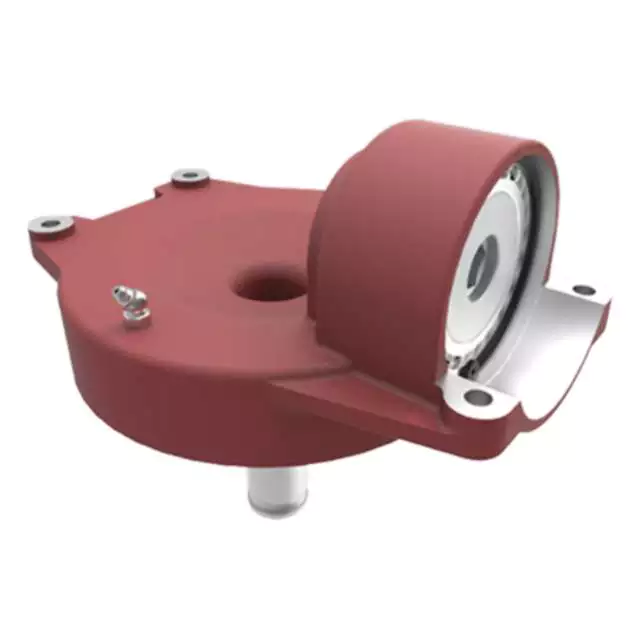
Impact of Gear Ratios on Machinery Performance in Agricultural Gearboxes
The gear ratio in agricultural gearboxes plays a crucial role in determining the performance of machinery. It directly affects the relationship between the input and output speeds and torques. Here’s how gear ratios influence machinery performance:
- Speed and Torque Conversion: Gear ratios allow for the conversion of speed and torque between the input and output shafts. Higher gear ratios can reduce output speed while increasing output torque, making it suitable for tasks requiring high power.
- Power and Efficiency: Gear ratios affect the efficiency of power transmission. While reducing the speed through higher gear ratios can increase torque, it’s essential to strike a balance to maintain efficiency. Lower efficiency can lead to energy loss and increased heat generation.
- Task Adaptability: Different agricultural tasks require varying levels of torque and speed. Gear ratios enable machinery to be adaptable to different tasks by providing the necessary torque for heavy-duty activities like plowing or tilling and higher speeds for tasks like transport.
- Optimal Performance: Selecting the appropriate gear ratio ensures that machinery operates within its optimal performance range. It prevents overloading the engine or the gearbox, contributing to smoother operation and reduced wear and tear.
- Productivity and Fuel Efficiency: Proper gear ratios can enhance the overall productivity of agricultural machinery. By optimizing torque and speed, tasks can be completed efficiently, reducing the time and fuel consumption required for operations.
- Consideration of Terrain: Different terrains and field conditions require adjustments in gear ratios. Steep slopes or heavy soil may necessitate lower gear ratios for increased torque, while flat terrain could benefit from higher ratios for faster operation.
- Impact on Components: Gear ratios can influence the load distribution on gearbox components. Higher gear ratios might subject components to increased forces and stresses, potentially affecting their lifespan.
- Operator Comfort: Proper gear ratios contribute to operator comfort by providing the necessary power for smooth operation without straining the machinery. This can lead to reduced operator fatigue and improved safety.
- Personalização: Some modern agricultural equipment offers adjustable or variable gear ratios, allowing operators to fine-tune machinery performance based on specific tasks and conditions.
Choosing the right gear ratio for agricultural gearboxes involves considering factors such as the intended task, soil conditions, and equipment specifications. It’s essential to strike a balance between torque and speed to achieve optimal machinery performance and maximize productivity.
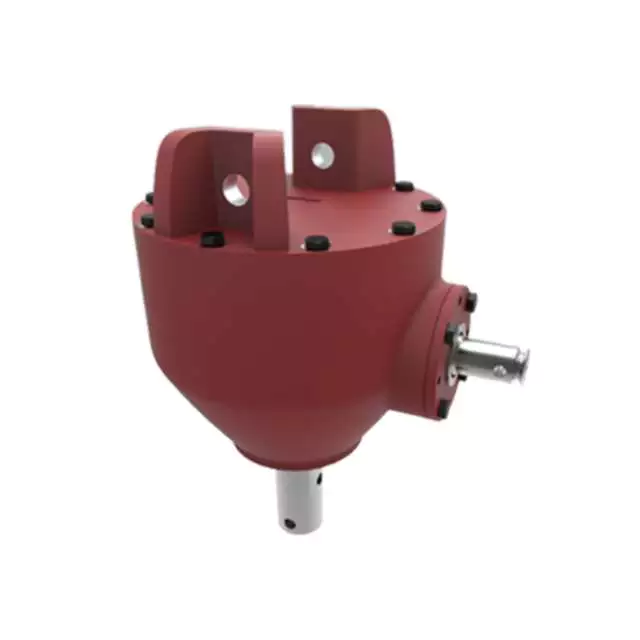
Desafios Potenciais na Manutenção e Reparos de Caixas de Câmbio Agrícolas
Manutenção e reparo de caixas de câmbio na agricultura podem apresentar vários desafios:
- Ambientes Hostis: Maquinário agrícola opera em ambientes desafiadores, exposto a sujeira, detritos, umidade e temperaturas variadas. Essas condições podem acelerar o desgaste e a corrosão, exigindo manutenção frequente.
- Cargas de Trabalho Pesadas: As caixas de câmbio em equipamentos agrícolas frequentemente lidam com cargas de trabalho pesadas, levando a um aumento do estresse nos componentes. Isso pode resultar em desgaste mais rápido, exigindo inspeções e substituições de peças mais frequentes.
- Acessibilidade: Algumas caixas de engrenagens estão localizadas em áreas de difícil acesso das máquinas. Isso torna a manutenção e os reparos regulares mais desafiadores, pois os técnicos podem precisar de ferramentas e equipamentos especializados para acessar e consertar as caixas de engrenagens.
- Conhecimento Especializado: A manutenção adequada de caixas de engrenagens agrícolas requer conhecimento e habilidades especializadas. A compreensão inadequada da mecânica das caixas de engrenagens e das práticas de manutenção pode levar a reparos incorretos, reduzindo a vida útil e a eficiência da caixa de engrenagens.
- Custos: Reparar ou substituir componentes da caixa de câmbio pode ser custoso, especialmente para maquinário agrícola de alta performance. Os agricultores precisam considerar tanto os custos diretos de peças e mão de obra, quanto o tempo de inatividade potencial durante os processos de reparo.
- Tempo de inatividade: O tempo de inatividade necessário para manutenção ou reparo de caixas de câmbio pode impactar as operações agrícolas, especialmente durante as épocas críticas de plantio ou colheita. O agendamento eficiente e equipamentos de reserva podem ajudar a mitigar esse desafio.
- Disponibilidade de Peças: Obter peças de reposição para modelos de caixa de câmbio mais antigos ou menos comuns pode ser desafiador. Os agricultores podem precisar adquirir peças de fornecedores especializados, o que pode levar a atrasos potenciais nos reparos.
Abordar esses desafios exige um planejamento de manutenção proativo, inspeções regulares, treinamento adequado do pessoal de manutenção e aquisição antecipada de peças de reposição.
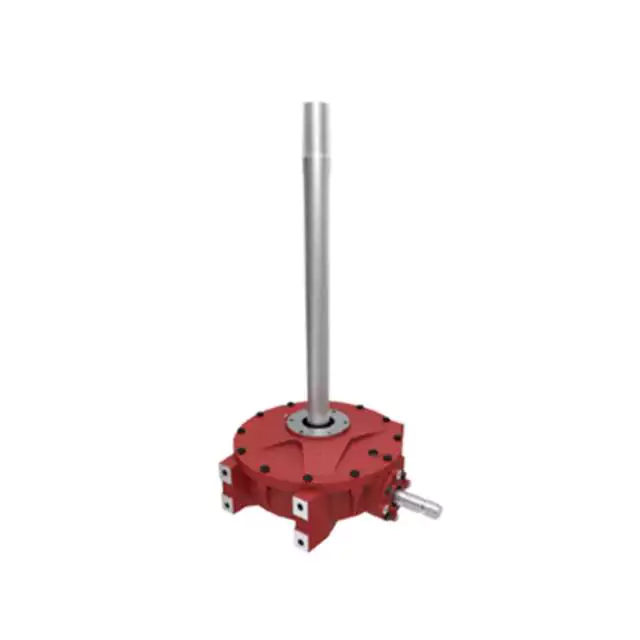
Types of Agricultural Gearboxes for Specific Tasks
Various types of agricultural gearboxes are designed to cater to specific tasks and applications in farming. These gearboxes are engineered to meet the unique requirements of different agricultural machinery and operations. Some common types of agricultural gearboxes include:
- Rotary Mower Gearboxes: These gearboxes are used in rotary mowers and cutters. They transmit power from the tractor’s power take-off (PTO) to the blades, enabling efficient cutting of grass, crops, and vegetation.
- Manure Spreader Gearboxes: Manure spreaders utilize specialized gearboxes to distribute manure evenly across fields. These gearboxes ensure consistent spreading of fertilizer while accommodating variable loads.
- Harvesting Gearboxes: Gearboxes used in harvesting equipment, such as combines and harvesters, enable efficient gathering, threshing, and separating of crops from their stalks. These gearboxes handle high loads and varying operating conditions.
- Seed Drill Gearboxes: Seed drills require gearboxes to distribute seeds accurately and at consistent intervals. These gearboxes ensure precise seed placement for optimal germination and crop growth.
- Hay Rake Gearboxes: Hay rakes utilize gearboxes to gather and arrange hay into windrows for baling. These gearboxes help optimize the hay collection process.
- Irrigation System Gearboxes: Agricultural irrigation systems may use gearboxes to control the movement and positioning of irrigation equipment, ensuring efficient water distribution across fields.
- Tillage Equipment Gearboxes: Gearboxes used in tillage equipment, such as plows and cultivators, help break up soil, prepare seedbeds, and promote seedling emergence.
- Tractor Gearboxes: Tractors may incorporate various gearboxes for tasks such as shifting gears, driving the power take-off, and operating attachments.
- Grain Auger Gearboxes: Grain augers use gearboxes to facilitate the movement of harvested grain from one location to another, such as from a combine to a storage bin.
Each type of agricultural gearbox is designed with specific features, load capacities, and durability to suit the demands of its intended task. Manufacturers engineer these gearboxes to withstand the challenging conditions of agricultural operations while ensuring efficient and reliable performance.


editor by CX 2024-05-14