Descrição
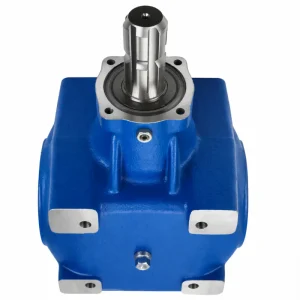
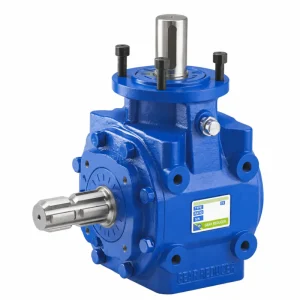
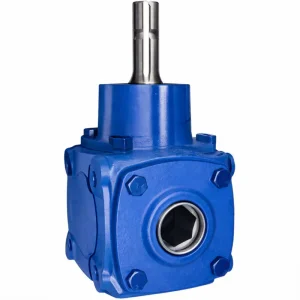
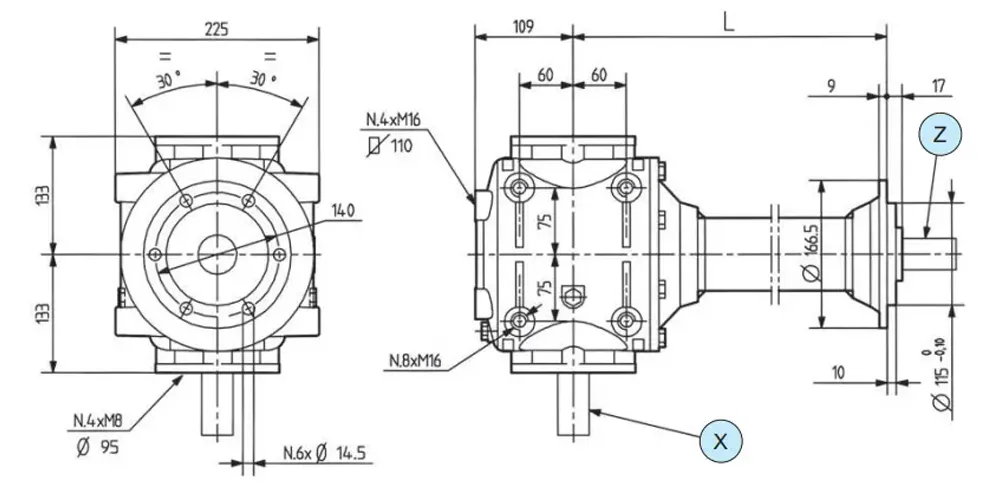
1. Technical Parameters – Rotary Tiller Gearbox TLZ292A
| # | Parameter |
|---|---|
| i | 1.86 |
| N₁ [rpm] | 540 |
| P₁ [kW] | 47.8 |
| M₂ [Nm] | 1525 |
| Shaft X | 1″ 3/8 Z6 |
| Shaft Z | 42*48 |
| Input | X |
2. Five Key Advantages of This Rotary Tiller Gearbox
With a rated output torque of 1,525 Nm, this Rotary Tiller Gearbox handles the heaviest soil preparation tasks without slippage or overheating — critical for hard-baked tropical clay soils common across Brazil’s interior states. The gear geometry is precision-machined to distribute load evenly across all tooth contact surfaces, maximizing service intervals and protecting bearing assemblies even under continuous field operation.
Every mounting dimension, spline count, and shaft geometry on this unit mirrors the original Comer TLZ292A specification. Agricultural contractors and implement dealers working with existing Comer-compatible tillers can make a straight swap without workshop modifications, reducing fleet downtime and avoiding costly adaptor procurement. This is a true OEM-equivalent rotary tiller gearbox replacement.
Under correct selection, routine lubrication, and appropriate operating parameters, the main structural components of this tiller gearbox are rated for no less than 20,000 hours of operational life. This exceeds the working lifespan of many competing units in the market and is a direct result of gas carburizing, quenching, and precision grinding applied to every gear and gear shaft during manufacture. Wear parts — oil seals, bearings, and lubricant — are all standard sizes and widely available through local agricultural supply chains.
One of the practical field benefits of this gearbox rotary cultivator design is the ability to shift between gear settings without draining the gearbox oil — a feature that saves considerable time during operations involving varied soil textures or multiple tilling depths. Operators working through mixed fields can adapt rotor speed to conditions without stopping for a fluid change, directly improving daily output and reducing labor cost per hectare.
Precision-cut helical gears and high-quality tapered roller bearings combine to keep operating noise below 72 dB(A) at rated speed — noticeably quieter than comparable units with straight-cut gear profiles. Stable, vibration-free transmission also reduces mechanical stress on the tractor’s PTO linkage and the tiller chassis itself, extending the service life of the entire implement. This matters particularly in orchards and market-garden operations where operators work in close proximity to the equipment for extended periods.
3. Rotary Tiller Gearbox: How does it work
Understanding the working principle of a power tiller rotary gearbox helps operators configure, maintain, and troubleshoot their equipment with confidence. The entire power transmission sequence can be broken into six interconnected stages:
1. Power Input from the Tractor PTO. The process begins when the tractor operator engages the power take-off lever, connecting the engine crankshaft output to the PTO stub shaft at the rear of the tractor. This shaft typically runs at 540 RPM under standard agricultural configurations. The Rotary Tiller Gearbox receives this rotational input through its 1-3/8″ Z6 spline input shaft (Shaft X), which locks firmly onto the PTO-driven driveline.
2. Speed Conversion via Internal Gear Set. Raw PTO speed — while consistent — is too high for effective soil disruption. Inside the housing, a matched set of precision-cut hardened steel gears intercepts this input and reduces rotational speed according to the 1.86 gear ratio. This conversion stage is where the fundamental character of the rototiller gearbox is established: slower, more controlled rotation at the output shaft.
3. Torque Amplification. Reducing speed mechanically means increasing torque. The gear ratio of 1.86 translates to an output torque of 1,525 Nm — more than sufficient to drive the hardened L-shaped or C-shaped tiller blades through compacted agricultural soils. In practice, this is the force that makes the difference between clean tilling and stalling, particularly in the heavy clay-loam soils found across much of Mato Grosso do Sul and Paraná in Brazil.
4. Power Delivery to the Tiller Rotor. Transformed power leaves the gearbox through the output shaft (Shaft Z, 42×48 mm square hub), which directly couples to the tiller’s rotor assembly. The blades rotate in a pattern determined by their bolt-on configuration — C-pattern or Y-pattern depending on the tiller model — chopping, lifting, and turning soil to the desired tillage depth.
5. Operator Adjustability. Multiple gear settings within this gearbox for tiller configuration allow the operator to dial in rotor speed appropriate to conditions — slower for heavy wet soils, faster for light sandy loam requiring rapid passes. Critically, speed changes do not require stopping to drain or refill the oil, saving time and preventing contamination during field operations.
6. Safety and Overload Protection. The gearbox assembly integrates with shear-bolt or slip-clutch arrangements on the PTO driveline, which are designed to sacrifice themselves rather than allow mechanical energy to destroy the gearbox internals when the tiller blades contact an embedded rock or root system. The rugged housing also serves as physical protection, keeping field debris, grit, and moisture away from gears and bearings.
4. Structural Components And Materials Of Rotary Tiller Gearbox
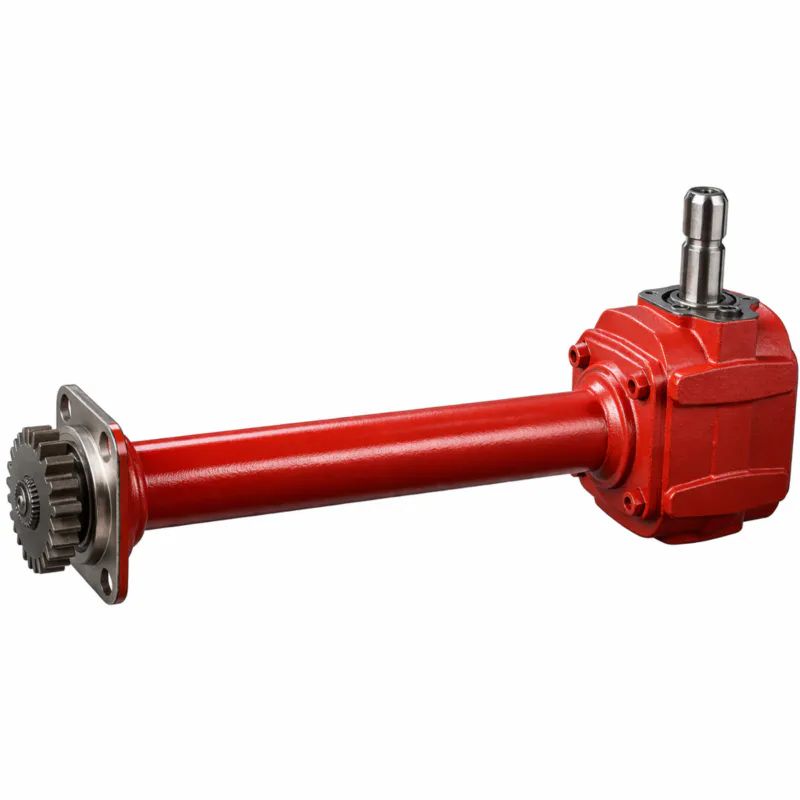
A Rotary Tiller Gearbox is not a single machined part but a precisely assembled system of interacting components, each fulfilling a distinct mechanical function. Below is a detailed description of the six primary assemblies in this TLZ292A-format unit and the materials selected for each.
Housing (Casing)
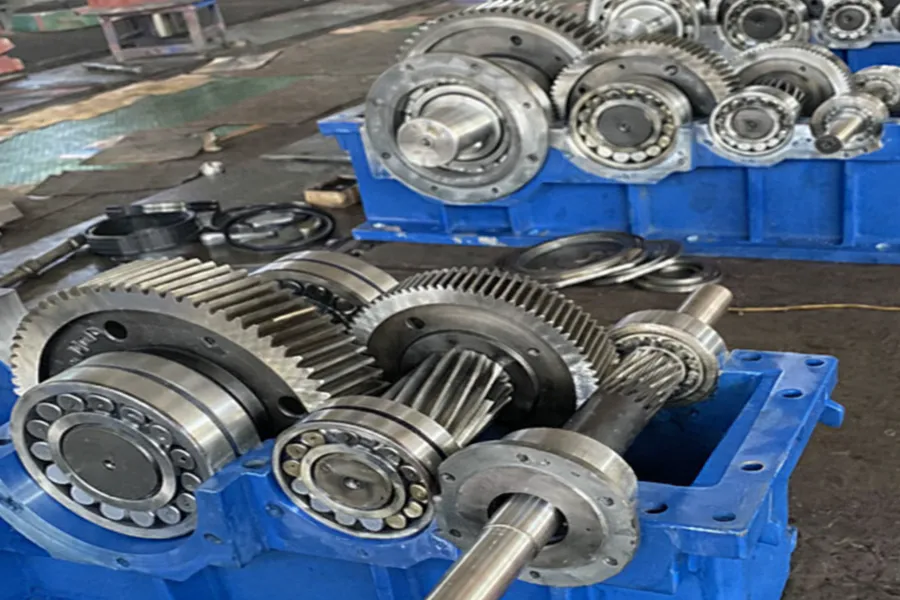
Cast from GG25 high-strength gray iron, the housing is the structural backbone of the entire assembly. Its mass and rigidity absorb vibration during operation, while its sealed cavity maintains the oil bath that lubricates internal components. The interior surfaces are machined to precise tolerances to ensure correct bearing seat geometry and gear mesh alignment.
Input Shaft
Machined from alloy steel and heat treated to achieve surface hardness of 58–62 HRC, the input shaft receives rotational power directly from the tractor’s PTO through a 1-3/8″ 6-spline connection conforming to ASAE S205 and ISO 500 standards. Spline geometry is precision-hobbed to ensure full load distribution across all six engagement points.
Gear Set
Gears are cut from 20CrMnTi alloy steel, then gas carburized to achieve a case depth of 0.8–1.2 mm before oil quenching and precision cylindrical grinding. This treatment sequence produces gears with a tough, resilient core and an extremely hard wear surface — the combination that accounts for the 20,000+ hour design life rating of the main assembly.
Bearings
ISO-standard tapered roller bearings support all rotating shafts, providing excellent combined radial and axial load capacity. Bearing fits are dimensioned to standard interference tolerances, meaning replacement bearings are available through any industrial bearing distributor — important for operators working in remote field locations in Brazil’s interior, far from specialized agricultural spare parts suppliers.
Eixo de Saída
The output shaft is engineered to transmit 1,525 Nm of torque to the tiller rotor with zero perceptible flex under rated load. Its 42×48 mm square hub end mates directly to the tiller’s central rotor tube, secured via cross-pin or locking collar depending on the implement design. Shaft material is the same 20CrMnTi alloy as the gear set, heat treated for surface hardness equivalent to the gear teeth it interfaces with.
Seals and Gaskets
Dynamic shaft seals are manufactured from FKM (Viton-grade) fluoroelastomer, selected for its resistance to petroleum-based lubricants, wide temperature tolerance, and resilience against the fine abrasive dust particles generated during soil tilling. Static gaskets between housing halves are formed from reinforced composite material compressed to a controlled thickness during final assembly, preventing any oil weep that could contaminate field soil.
5. Application Scenarios Of Rotary Tiller Gearbox
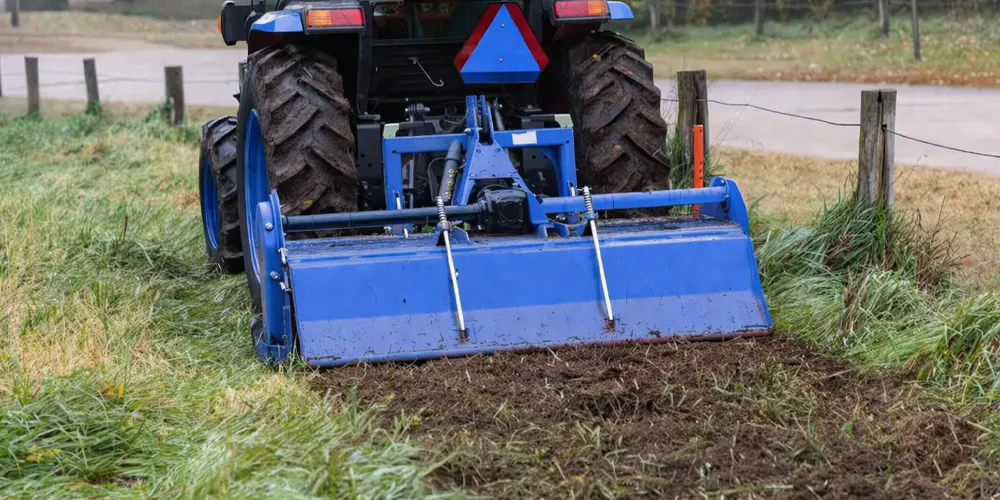
A Rotary Tiller Gearbox TLZ292A format is employed across a wide spectrum of field operations. The five scenarios below represent the most common use cases encountered by agricultural machinery distributors and farm equipment buyers across Brazil, Latin America, and global emerging markets.
The foundational application of any Rotary Tiller Gearbox: primary or secondary tillage ahead of a planting campaign. The gearbox drives the rotor blades through previously compacted or stubble-covered ground, breaking clods, improving aeration, and creating a uniform seedbed. In Brazil’s grain-producing states — including Mato Grosso, Goiás, and Paraná — this step is performed at scale ahead of soybean, corn, and wheat planting seasons, often in soils that have been under no-till management and require periodic mechanical intervention.
In vegetable production, orchards, and sugarcane plantations, the rototiller gearbox powers inter-row cultivation passes that physically disrupt weed root systems and prevent re-establishment. This mechanical approach reduces dependence on broad-spectrum herbicides, a particularly relevant benefit in markets — including Brazil — where herbicide resistance in key weed species is an increasingly serious agronomic challenge. Operators adjust rotor depth to skim the surface without damaging shallow root systems of the cash crop.
After grain or sugarcane harvest, fields are typically covered with substantial residue — stalks, leaves, and root crowns — that must be managed before the next cycle. A tiller gearbox running at the correct output speed can chop and incorporate this organic matter in a single pass, replacing what would otherwise require burning or multiple mechanical operations. Incorporation of residues builds soil organic carbon over time, improving long-term fertility and water retention — particularly valuable in degraded tropical soils.
Compact, narrow-configuration rotary tillers fitted with this Rotary Tiller Gearbox are widely used in fruit orchards, coffee plantations (a major sector in Minas Gerais and Espírito Santo), and commercial landscaping operations. Working between planted rows, the tiller aerates root zones, manages cover crop termination, and maintains the clean alleyways expected in certified organic and GAP-compliant production systems. The gearbox’s low noise output is an added benefit in peri-urban and agritourism farm settings.
For crops with exacting germination requirements — lettuce, carrot, onion, and other high-value vegetables — the power tiller rotary gearbox enables fine-tuned control of rotor speed and depth to create a smooth, fine-grained soil surface. The adjustable gear output allows operators to work slowly and shallowly, producing a seedbed structure suitable for direct-seeding systems without overworking the soil profile. This level of control is not achievable with fixed-ratio or chain-driven tiller transmissions.
6. Regulatory Compliance and Standards
Agricultural machinery gearboxes are subject to safety and technical standards in all major markets. Buyers and importers should confirm that the units they procure meet applicable local and international requirements. Below is a summary of the most relevant regulatory frameworks by region.
Brazil – ABNT / INMETRO
In Brazil, agricultural machinery and its components are governed under the broad framework of ABNT NBR standards, with product safety oversight coordinated through INMETRO. PTO-driven equipment safety — including guarding requirements for rotating shafts — follows principles consistent with NR 12 (Segurança no Trabalho em Máquinas e Equipamentos), a Ministry of Labor regulation that sets mandatory safety requirements for machinery sold and operated within Brazilian territory. Importers of rotary tiller gearbox assemblies are expected to ensure that complete tiller implements comply with NR 12 requirements at the system level, particularly regarding PTO shaft guarding and emergency stop provisions.
European Union – Machinery Directive 2006/42/EC
Products destined for EU member states must conform to the Machinery Directive 2006/42/EC (to be superseded by Regulation EU 2023/1230 from January 2027). This directive mandates that mechanical power transmission components — including gearbox rotary cultivator assemblies — are covered by adequate guarding, properly labelled, and accompanied by a Declaration of Conformity. EN ISO 4254-7 specifically addresses safety requirements for soil tillage machinery. CE marking on the complete implement indicates conformity with these essential health and safety requirements.
United States – ASAE / OSHA Standards
In the United States, PTO shaft and gearbox connections on agricultural implements must conform to ASAE S205 (Implement Power Take-Off Connection) and ASAE S203 (Power Take-Off for Agricultural Tractors). OSHA’s agricultural standards under 29 CFR 1928.57 require that all power transmission components on farm equipment be guarded to prevent operator contact. The input shaft of this Rotary Tiller Gearbox conforms to the 1-3/8″ 6-spline ASAE specification used across all North American and most South American tractor brands.
Argentina – SENASA and INTA Technical Standards
Argentina’s agricultural machinery sector operates under guidelines issued by SENASA (Servicio Nacional de Sanidad y Calidad Agroalimentaria) and technical standards developed in cooperation with INTA (Instituto Nacional de Tecnología Agropecuaria). Equipment used on registered agricultural land must be fit for the soil classification and application conditions. Buyers of pto tiller gearbox components for the Argentine market should confirm that complete implement assemblies carry the appropriate technical documentation for machinery registration.
ISO International Standards
Several ISO standards directly govern the design and performance of rotary tiller gearbox parts and complete tiller systems: ISO 500 defines PTO shaft dimensions and spline specifications; ISO 11684 sets safety sign requirements for agricultural machinery; ISO 11684-3 governs the pictogram language used on machinery safety labels. ISO 4254-7 defines safety requirements specific to soil tillage machines. Specifying gearbox components that conform to these standards ensures broad international compatibility and supports smooth import and customs processes across all major agricultural export markets.
7. About Us
We are a specialized professional rotary tiller gearbox manufacturer, with a production focus on high-torque gearboxes designed for PTO-driven implements used in field-scale farming. Our engineering team has accumulated decades of hands-on experience developing and refining rotary tiller gearbox assemblies for demanding tropical and subtropical agricultural environments — including the heavy clay soils, high-humidity conditions, and wide temperature swings characteristic of farming operations across Brazil, Argentina, and Southeast Asia.
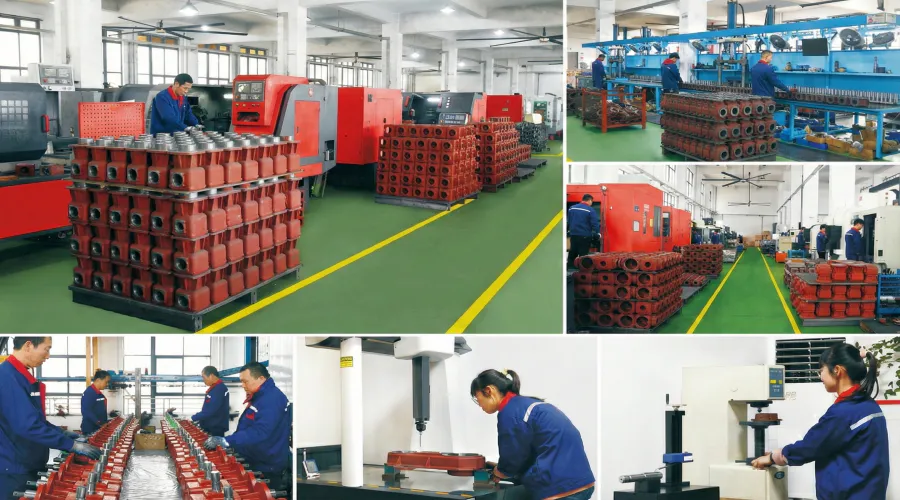
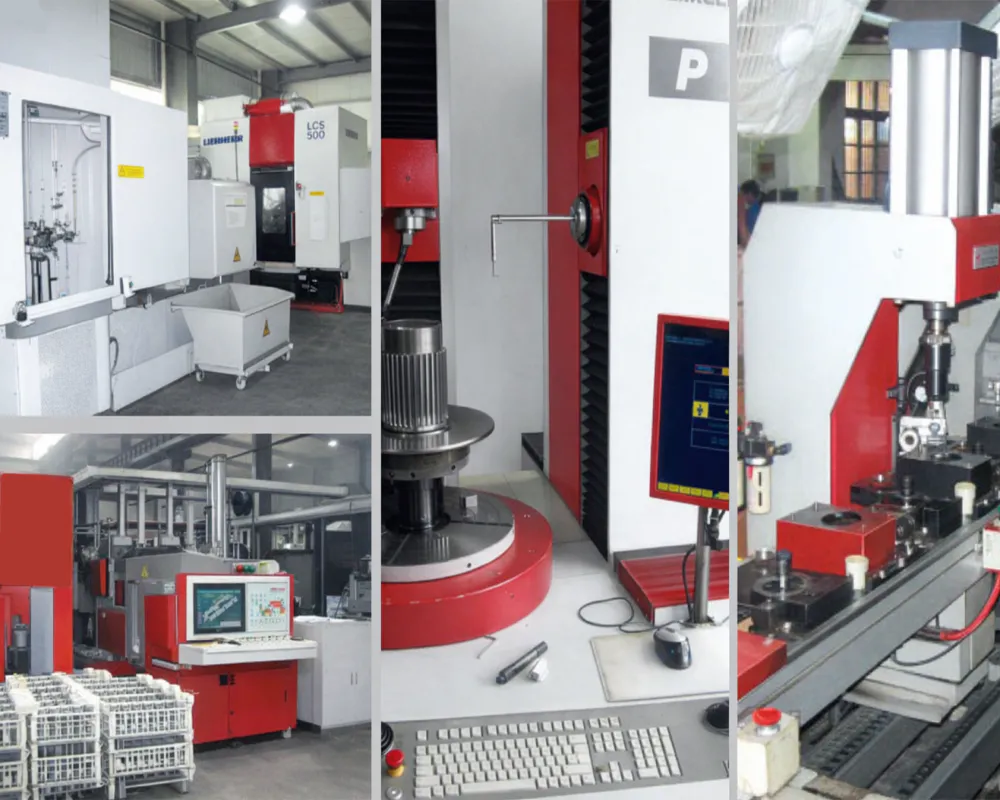
Our manufacturing facility is equipped with gear hobbing, shaping, and grinding centers capable of producing precision gear components to DIN and AGMA quality grades. All housing castings are sourced from qualified foundry partners supplying GG25 and GG30 gray iron conforming to EN 1561, and every finished assembly undergoes oil-fill leak testing, no-load running verification, and dimensional inspection before dispatch. Our quality management system operates under the principles of ISO 9001 continuous improvement, with documented control plans for each critical manufacturing process stage.
WorkShop
8. Related Products — Complete System Solutions
A Rotary Tiller Gearbox performs at its best when matched with compatible driveline components. We manufacture and supply the full power transmission chain from tractor PTO to tiller rotor, offering buyers a single sourcing point for compatible, interchangeable components — an advantage that simplifies spare parts logistics and reduces total system integration risk.
Agricultural PTO shaft for rotary tiller
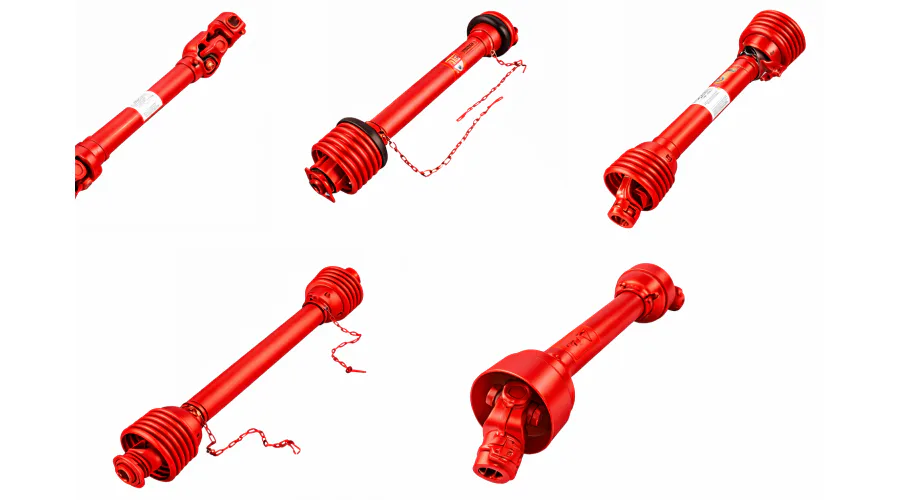
The PTO shaft is the mechanical bridge between the tractor and the rotary tiller gearbox. Correct shaft length, spline specification, and torque rating are critical to safe and efficient power transfer. Our range covers standard 1-3/8″ and 1-3/4″ profiles with telescoping tubes and CE-certified guards. Explore our full range of compatible driveshaft assemblies at pto-shaft — all units are designed for direct compatibility with this TLZ292A-format gearbox.
Drive Chain and Sprocket Assemblies
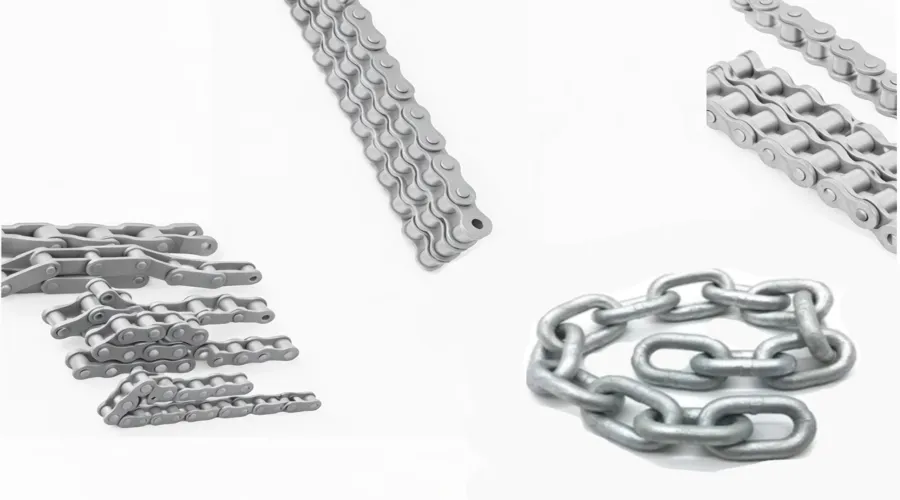
For tillers using secondary chain drives within the implement chassis — common in certain high-torque rear-discharge tiller designs — we supply matched roller chain and sprocket kits dimensioned for the output torque range of the TLZ292A gearbox. Using components from a single supply source ensures load ratings are correctly matched and simplifies warranty management for implement dealers.

Frequently Asked Questions
Q1. How does a rotary tiller gearbox work with a standard 540 RPM tractor PTO in heavy Brazilian clay soils?
The gearbox receives the 540 RPM input from the tractor’s PTO shaft through the 1-3/8″ 6-spline input connection. Internal gears reduce this speed by a factor of 1.86, producing an output shaft speed of approximately 290 RPM while simultaneously amplifying torque to 1,525 Nm. This higher torque output is what enables the tiller blades to penetrate and break apart the heavy clay soils common in Mato Grosso and Paraná without stalling the tractor engine. Operators in high-clay-content environments are advised to begin passes at reduced forward speed to allow the gearbox to deliver maximum torque before increasing travel speed.
Q2. Which tractor horsepower range is best matched to this rotary tiller gearbox for sugarcane inter-row cultivation in São Paulo state?
This unit is rated for 47.8 kW (approximately 64 hp) at the PTO. For sugarcane inter-row cultivation with typical tiller working widths of 1.6 to 2.0 metres, tractors in the 70–90 hp range are the most practical match — they provide sufficient engine reserve to maintain rated PTO speed under load without over-stressing the gearbox beyond its rated torque limit. Four-wheel-drive tractors with good ballast distribution are preferred in sugarcane plantations where ground conditions vary from firm headlands to soft inter-row channels that have retained irrigation moisture.
Q3. What are the advantages and disadvantages of a rotary tiller gearbox compared to a chain-driven tiller drive system for large-scale grain farming operations?
The primary advantages of a Rotary Tiller Gearbox over chain drives are greater torque capacity, higher efficiency under continuous heavy load, better sealed protection against soil contamination, and lower ongoing maintenance requirements — chain drives require regular tension adjustment and re-lubrication in open operating environments. The main disadvantage is upfront cost: a quality gearbox assembly costs more than an equivalent chain drive setup. However, for large-scale operations covering hundreds of hectares per season, the gearbox’s longer service life and lower per-hectare maintenance cost typically deliver a better total cost of ownership over a 5–7 year equipment cycle.
Q4. How do I confirm that a rotary tiller gearbox replacement is the correct fit for my existing Comer TLZ292A implement before placing a supplier quote?
Request the following dimensional confirmation from any supplier before ordering: (1) gear ratio — should be 1.86; (2) input shaft specification — 1-3/8″ Z6 6-spline; (3) output shaft — 42×48 mm square hub; (4) housing bolt pattern and centre distances. If a supplier provides these four parameters and they match your existing unit’s service documentation, the replacement will fit without modification. We recommend photographing the nameplate data on your current gearbox and sharing it with the supplier alongside a dimensioned sketch of the housing mounting face for additional confirmation.
Editor: PXY