
Description du produit
FK730B Gearbox Suitable for 12 cbm mixer nbsp truck with Low Price
Description du produit
Reducers are generally used for low-speed and high-torque transmission equipment. The power of an electric motor, internal combustion engine or other high-speed operation is achieved through the gear with a small number of teeth on the input shaft of the reducer and the large gear on the output shaft to achieve the purpose of deceleration. Ordinary The reducer will also have several pairs of gears with the same principle to achieve the ideal reduction effect. The ratio of the number of teeth of the large and small gears is the transmission ratio.
There are many types of reducers, which can be divided into gear reducers, worm reducers and planetary gear reducers according to the transmission type.
The main features of planetary gear reducer are small size, large load-bearing capacity and stable operation.
The main characteristics of planetary gear transmission are small size, large load-bearing capacity, and stable operation; however, the structure of high-power and high-speed planetary gear transmission is complex and requires high manufacturing precision;
Some types of planetary gear transmission are highly efficient, but have small transmission ratios;
For other types, the transmission ratio can be very large, but the efficiency is low. When they are used as reducers, their efficiency decreases as the transmission ratio increases;When used as a speed increaser, self-locking may occur.
Product Parameters
| Specification Modèle |
FK130B | FK230B | FK270B | FK330B | FK430B | FK530B | FK730B | FK830B | FK930B |
| Mixer Volume (cbm) | 3-5 | 4-6 | 6-7 | 7-8 | 9-10 | 10-12 | 12-14 | 15-16 | 17-20 |
| Couple de sortie (Nm) | 30000 | 36000 | 42000 | 48000 | 54000 | 70000 | 75000 | 85000 | 95000 |
| Reduction ration | 103 | 103 | 128.5 | 133.7 | 135.5 | 135.5 | 144.3 | 141.3 | 141.3 |
| Drum angle (°) | 15 | 15 | 15 | 15 | 15 | 15 | 13 | 12 | 10 |
| Input rotation | 2500 | 2500 | 2500 | 2500 | 2500 | 2500 | 2500 | 2500 | 2500 |
| Radial load (kN) | 70 | 72 | 100 | 130 | 160 | 170 | 190 | 235 | 275 |
| Axial load (kN) | 20 | 22 | 28 | 36 | 45 | 50 | 60 | 70 | 90 |
| Poids (kg) | 160 | 162 | 175 | 185 | 325 | 330 | 340 | 405 | 415 |
| Lubricating oil (L) | 5.5 | 7.0 | 7.0 | 7.5 | 11.5 | 11.5 | 11.5 | 13.5 | 15.5 |
| Swing angle of Flange plate | ±6 | ±6 | ±6 | ±6 | ±6 | ±6 | ±6 | ±6 | ±6 |
| Model of Gear oil | SAE 85W-90/API GL4 GL5 | SAE 85W-90/API GL4 GL5 | SAE 85W-90/API GL4 GL5 | SAE 85W-90/API GL4 GL5 | SAE 85W-90/API GL4 GL5 | SAE 85W-90/API GL4 GL5 | SAE 85W-90/API GL4 GL5 | SAE 85W-90/API GL4 GL5 | SAE 85W-90/API GL4 GL5 |
| Connection port of Water pump | NO | NO | NO | NO | NO | NO | NO | NO | NO |
| Connection flange of Hydraulic motor | SAE C 16/32 Z21 |
SAE C 16/32 Z21 |
SAE C 16/32 Z21 |
SAE C 16/32 Z21 |
SAE C 16/32 Z21 |
SAE C 16/32 Z21 |
SAE C 16/32 Z21 |
SAE C 16/32 Z21 |
SAE C 16/32 Z21 |
Dimensions
Application
/* January 22, 2571 19:08:37 */!function(){function s(e,r){var a,o={};try{e&&e.split(“,”).forEach(function(e,t){e&&(a=e.match(/(.*?):(.*)$/))&&1
| Application : | Electric Cars, Motorcycle, Machinery, Marine, Agricultural Machinery, Car |
|---|---|
| Hardness: | Hardened Tooth Surface |
| Installation : | Type horizontal |
| Personnalisation : |
Disponible
| Demande personnalisée |
|---|
.shipping-cost-tm .tm-status-off{background: none;padding:0;color: #1470cc}
|
Shipping Cost:
Estimated freight per unit. |
about shipping cost and estimated delivery time. |
|---|
| Payment Method: |
|
|---|---|
|
Initial Payment Full Payment |
| Currency: | US$ |
|---|
| Return&refunds: | You can apply for a refund up to 30 days after receipt of the products. |
|---|
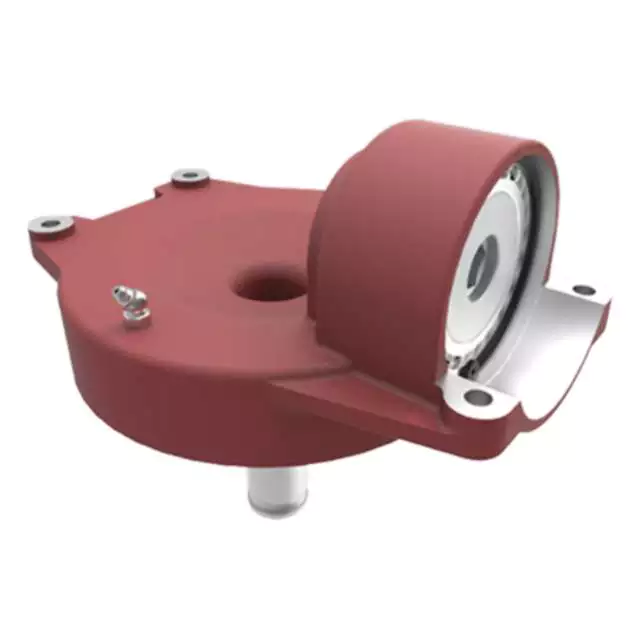
Impact of Gear Ratios on Machinery Performance in Agricultural Gearboxes
The gear ratio in agricultural gearboxes plays a crucial role in determining the performance of machinery. It directly affects the relationship between the input and output speeds and torques. Here’s how gear ratios influence machinery performance:
- Speed and Torque Conversion: Gear ratios allow for the conversion of speed and torque between the input and output shafts. Higher gear ratios can reduce output speed while increasing output torque, making it suitable for tasks requiring high power.
- Power and Efficiency: Gear ratios affect the efficiency of power transmission. While reducing the speed through higher gear ratios can increase torque, it’s essential to strike a balance to maintain efficiency. Lower efficiency can lead to energy loss and increased heat generation.
- Task Adaptability: Different agricultural tasks require varying levels of torque and speed. Gear ratios enable machinery to be adaptable to different tasks by providing the necessary torque for heavy-duty activities like plowing or tilling and higher speeds for tasks like transport.
- Optimal Performance: Selecting the appropriate gear ratio ensures that machinery operates within its optimal performance range. It prevents overloading the engine or the gearbox, contributing to smoother operation and reduced wear and tear.
- Productivity and Fuel Efficiency: Proper gear ratios can enhance the overall productivity of agricultural machinery. By optimizing torque and speed, tasks can be completed efficiently, reducing the time and fuel consumption required for operations.
- Consideration of Terrain: Different terrains and field conditions require adjustments in gear ratios. Steep slopes or heavy soil may necessitate lower gear ratios for increased torque, while flat terrain could benefit from higher ratios for faster operation.
- Impact on Components: Gear ratios can influence the load distribution on gearbox components. Higher gear ratios might subject components to increased forces and stresses, potentially affecting their lifespan.
- Operator Comfort: Proper gear ratios contribute to operator comfort by providing the necessary power for smooth operation without straining the machinery. This can lead to reduced operator fatigue and improved safety.
- Personnalisation : Some modern agricultural equipment offers adjustable or variable gear ratios, allowing operators to fine-tune machinery performance based on specific tasks and conditions.
Choosing the right gear ratio for agricultural gearboxes involves considering factors such as the intended task, soil conditions, and equipment specifications. It’s essential to strike a balance between torque and speed to achieve optimal machinery performance and maximize productivity.
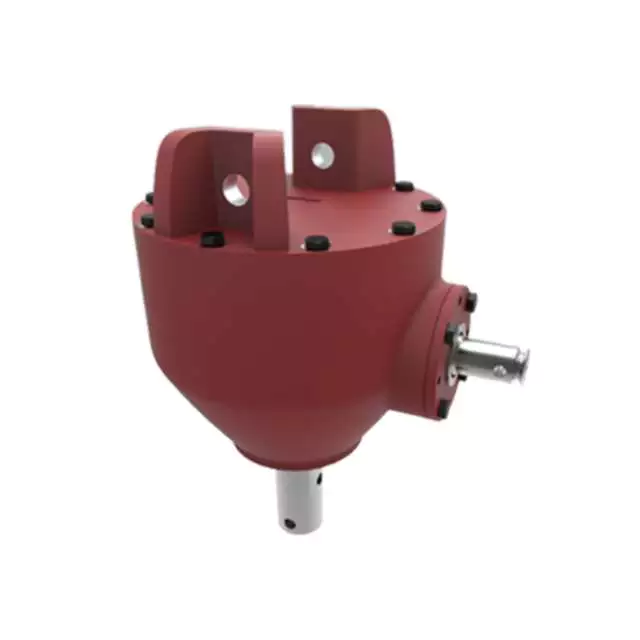
Potential Challenges in Maintenance and Repairs of Agricultural Gearboxes
Maintenance and repairs of gearboxes in agriculture can pose several challenges:
- Harsh Environments: Agricultural machinery operates in challenging environments with exposure to dirt, debris, moisture, and varying temperatures. These conditions can accelerate wear and corrosion, necessitating frequent maintenance.
- Heavy Workloads: Gearboxes in farming equipment often handle heavy workloads, leading to increased stress on components. This can result in faster wear and tear, requiring more frequent inspections and part replacements.
- Accessibility: Some gearboxes are located in hard-to-reach areas of machinery. This makes regular maintenance and repairs more challenging, as technicians may need specialized tools and equipment to access and service the gearboxes.
- Specialized Knowledge: Proper maintenance of agricultural gearboxes requires specialized knowledge and skills. Inadequate understanding of gearbox mechanics and maintenance practices can lead to improper repairs, reducing the gearbox’s lifespan and efficiency.
- Costs: Repairing or replacing gearbox components can be costly, especially for heavy-duty agricultural machinery. Farmers need to consider both the direct costs of parts and labor, as well as potential downtime during repair processes.
- Downtime: The downtime required for gearbox maintenance or repairs can impact farming operations, especially during critical planting or harvesting seasons. Efficient scheduling and backup equipment can help mitigate this challenge.
- Availability of Parts: Obtaining replacement parts for older or less common gearbox models can be challenging. Farmers may need to source parts from specialized suppliers, leading to potential delays in repairs.
Addressing these challenges requires proactive maintenance planning, regular inspections, proper training of maintenance personnel, and sourcing spare parts in advance.
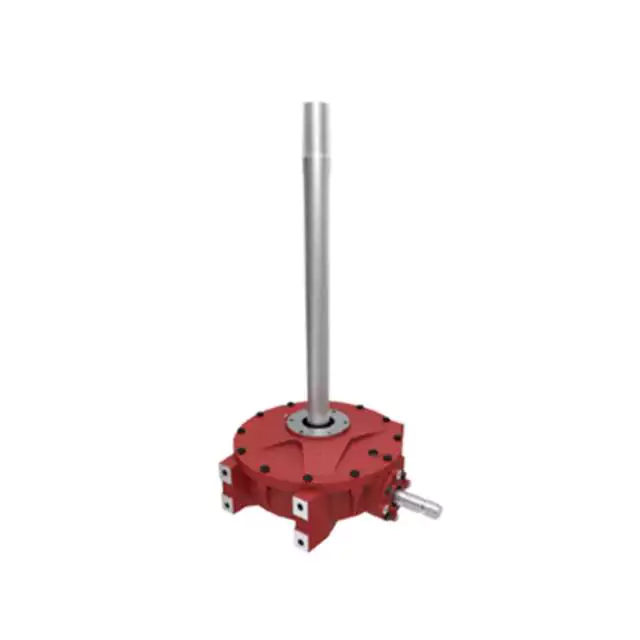
Types de réducteurs agricoles pour des tâches spécifiques
Différents types de réducteurs agricoles sont conçus pour répondre à des tâches et des applications spécifiques dans le domaine de l'agriculture. Ces boîtes de vitesses sont conçues pour répondre aux exigences uniques des différentes machines et opérations agricoles. Les types de boîtes de vitesses agricoles les plus courants sont les suivants :
- Boîtes de vitesses pour faucheuses rotatives : Ces boîtes de vitesses sont utilisées dans les faucheuses et les coupeuses rotatives. Ils transmettent la puissance de la prise de force du tracteur aux lames, ce qui permet de couper efficacement l'herbe, les cultures et la végétation.
- Boîtiers d'engrenages pour épandeurs de fumier : Les épandeurs de fumier utilisent des boîtes de vitesses spécialisées pour répartir le fumier uniformément sur les champs. Ces boîtes de vitesses assurent une épandage constant d'engrais tout en s'adaptant à des charges variables.
- Récolte des boîtes de vitesses : Les boîtes de vitesses utilisées dans les équipements de récolte, tels que les moissonneuses-batteuses et les moissonneuses, permettent une collecte, un battage et une séparation efficaces des cultures de leurs tiges. Ces boîtes de vitesses gèrent des charges élevées et des conditions d'exploitation variables.
- Boîtiers d'engrenages de semoirs Les semoirs nécessitent des boîtes de vitesses pour distribuer les semences avec précision et à intervalles réguliers. Ces boîtes de vitesses assurent un placement précis des semences pour une germination et une croissance optimales des cultures.
- Boîtes de vitesses pour faucheuses-andaineuses : Les râteaux à foin utilisent des boîtes de vitesses pour rassembler et disposer le foin en andains en vue de la mise en balles. Ces boîtes de vitesses permettent d'optimiser le processus de collecte du foin.
- Boîtiers d'engrenage pour systèmes d'irrigation : Les systèmes d'irrigation agricole peuvent utiliser des boîtes de vitesses pour contrôler le mouvement et le positionnement du matériel d'irrigation, assurant ainsi une distribution efficace de l'eau dans les champs.
- Boîtiers d'engrenages pour équipements de travail du sol : Gearboxes used in tillage equipment, such as plows and cultivators, help break up soil, prepare seedbeds, and promote seedling emergence.
- Boîtes de vitesses de tracteur : Les tracteurs peuvent intégrer diverses boîtes de vitesses pour des tâches telles que le changement de vitesse, l'entraînement de la prise de force et le fonctionnement des outils.
- Boîtiers d'engrenages pour vis sans fin à grains Les vis sans fin de grain utilisent des boîtes de vitesses pour faciliter le déplacement du grain récolté d'un endroit à un autre, par exemple d'une moissonneuse-batteuse à un silo de stockage.
Chaque type de boîte de vitesses agricole est conçu avec des caractéristiques spécifiques, des capacités de charge et une durabilité adaptées aux exigences de sa tâche prévue. Les fabricants conçoivent ces boîtes de vitesses pour résister aux conditions difficiles des opérations agricoles tout en garantissant une performance efficace et fiable.


editor by CX 2024-05-14