
Descripción del producto
FK730B Gearbox Suitable for 12 cbm mixer nbsp truck with Low Price
Descripción del producto
Reducers are generally used for low-speed and high-torque transmission equipment. The power of an electric motor, internal combustion engine or other high-speed operation is achieved through the gear with a small number of teeth on the input shaft of the reducer and the large gear on the output shaft to achieve the purpose of deceleration. Ordinary The reducer will also have several pairs of gears with the same principle to achieve the ideal reduction effect. The ratio of the number of teeth of the large and small gears is the transmission ratio.
There are many types of reducers, which can be divided into gear reducers, worm reducers and planetary gear reducers according to the transmission type.
The main features of planetary gear reducer are small size, large load-bearing capacity and stable operation.
The main characteristics of planetary gear transmission are small size, large load-bearing capacity, and stable operation; however, the structure of high-power and high-speed planetary gear transmission is complex and requires high manufacturing precision;
Some types of planetary gear transmission are highly efficient, but have small transmission ratios;
For other types, the transmission ratio can be very large, but the efficiency is low. When they are used as reducers, their efficiency decreases as the transmission ratio increases;When used as a speed increaser, self-locking may occur.
Product Parameters
| Specification Modelo |
FK130B | FK230B | FK270B | FK330B | FK430B | FK530B | FK730B | FK830B | FK930B |
| Mixer Volume (cbm) | 3-5 | 4-6 | 6-7 | 7-8 | 9-10 | 10-12 | 12-14 | 15-16 | 17-20 |
| Par de salida (Nm) | 30000 | 36000 | 42000 | 48000 | 54000 | 70000 | 75000 | 85000 | 95000 |
| Reduction ration | 103 | 103 | 128.5 | 133.7 | 135.5 | 135.5 | 144.3 | 141.3 | 141.3 |
| Drum angle (°) | 15 | 15 | 15 | 15 | 15 | 15 | 13 | 12 | 10 |
| Input rotation | 2500 | 2500 | 2500 | 2500 | 2500 | 2500 | 2500 | 2500 | 2500 |
| Radial load (kN) | 70 | 72 | 100 | 130 | 160 | 170 | 190 | 235 | 275 |
| Axial load (kN) | 20 | 22 | 28 | 36 | 45 | 50 | 60 | 70 | 90 |
| Peso (kg) | 160 | 162 | 175 | 185 | 325 | 330 | 340 | 405 | 415 |
| Lubricating oil (L) | 5.5 | 7.0 | 7.0 | 7.5 | 11.5 | 11.5 | 11.5 | 13.5 | 15.5 |
| Swing angle of Flange plate | ±6 | ±6 | ±6 | ±6 | ±6 | ±6 | ±6 | ±6 | ±6 |
| Model of Gear oil | SAE 85W-90/API GL4 GL5 | SAE 85W-90/API GL4 GL5 | SAE 85W-90/API GL4 GL5 | SAE 85W-90/API GL4 GL5 | SAE 85W-90/API GL4 GL5 | SAE 85W-90/API GL4 GL5 | SAE 85W-90/API GL4 GL5 | SAE 85W-90/API GL4 GL5 | SAE 85W-90/API GL4 GL5 |
| Connection port of Water pump | NO | NO | NO | NO | NO | NO | NO | NO | NO |
| Connection flange of Hydraulic motor | SAE C 16/32 Z21 |
SAE C 16/32 Z21 |
SAE C 16/32 Z21 |
SAE C 16/32 Z21 |
SAE C 16/32 Z21 |
SAE C 16/32 Z21 |
SAE C 16/32 Z21 |
SAE C 16/32 Z21 |
SAE C 16/32 Z21 |
Dimensions
Aplicación
/* 22 de enero de 2571 19:08:37 */!function(){function s(e,r){var a,o={};try{e&&e.split(“,”).forEach(function(e,t){e&&(a=e.match(/(.*?):(.*)$/))&&1
| Aplicación: | Electric Cars, Motorcycle, Machinery, Marine, Agricultural Machinery, Car |
|---|---|
| Dureza: | Superficie dental endurecida |
| Instalación: | Texto horizontal |
| Personalización: |
Disponible
| Solicitud personalizada |
|---|
.shipping-cost-tm .tm-status-off{background: none;padding:0;color: #1470cc}
|
Costo de envío:
Flete estimado por unidad. |
sobre costos de envío y tiempo estimado de entrega. |
|---|
| Método de pago: |
|
|---|---|
|
Pago inicial Pago completo |
| Moneda: | EE. UU.$ |
|---|
| Devoluciones y reembolsos | Puede solicitar un reembolso hasta 30 días después de la recepción de los productos. |
|---|
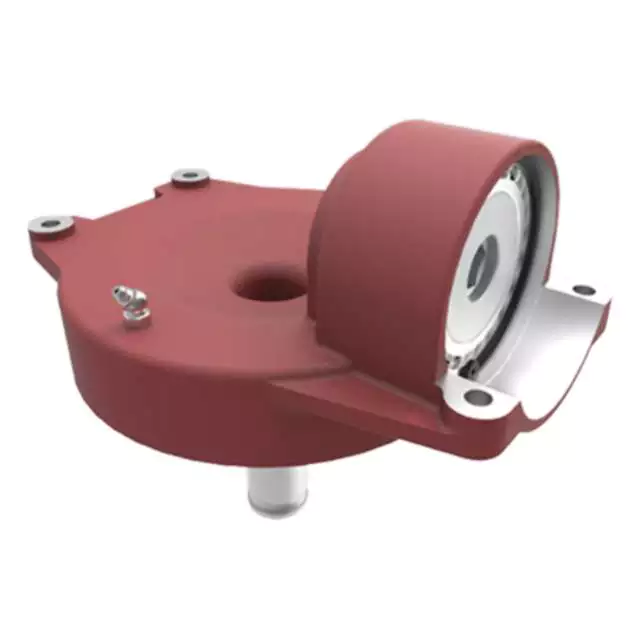
Impacto de las Relaciones de Transmisión en el Rendimiento de la Maquinaria en las Cajas de Cambios Agrícolas
La relación de engranajes en las cajas de cambios agrícolas juega un papel crucial en la determinación del rendimiento de la maquinaria. Afecta directamente la relación entre las velocidades y los pares de entrada y salida. Así es como las relaciones de engranajes influyen en el rendimiento de la maquinaria:
- Conversión de velocidad y par: Las relaciones de transmisión permiten la conversión de velocidad y par entre los ejes de entrada y salida. Las relaciones de transmisión más altas pueden reducir la velocidad de salida mientras aumentan el par de salida, lo que las hace adecuadas para tareas que requieren alta potencia.
- Potencia y Eficiencia: Las relaciones de transmisión afectan la eficiencia de la transmisión de potencia. Si bien reducir la velocidad a través de relaciones de transmisión más altas puede aumentar el par, es esencial lograr un equilibrio para mantener la eficiencia. Una menor eficiencia puede provocar pérdidas de energía y un aumento de la generación de calor.
- Adaptabilidad de Tareas: Diferentes tareas agrícolas requieren distintos niveles de par y velocidad. Las relaciones de engranaje permiten que la maquinaria sea adaptable a diferentes tareas al proporcionar el par necesario para actividades de uso intensivo como el arado o la labranza y velocidades más altas para tareas como el transporte.
- Rendimiento óptimo: La selección de la relación de transmisión adecuada asegura que la maquinaria opere dentro de su rango de rendimiento óptimo. Evita la sobrecarga del motor o la caja de cambios, contribuyendo a un funcionamiento más suave y a una menor desgaste.
- Productividad y eficiencia de combustible: Las relaciones de transmisión adecuadas pueden mejorar la productividad general de la maquinaria agrícola. Al optimizar el par y la velocidad, las tareas se pueden completar de manera eficiente, reduciendo el tiempo y el consumo de combustible necesarios para las operaciones.
- Consideración del terreno Los diferentes terrenos y condiciones del campo requieren ajustes en las relaciones de transmisión. Las pendientes pronunciadas o el terreno pesado pueden requerir relaciones de transmisión más bajas para un mayor par motor, mientras que el terreno plano podría beneficiarse de relaciones más altas para una operación más rápida.
- Impacto en los Componentes: Las relaciones de engranaje pueden influir en la distribución de la carga en los componentes de la caja de cambios. Las relaciones de engranaje más altas podrían someter a los componentes a fuerzas y tensiones crecientes, lo que podría afectar su vida útil.
- Confort del operador: Las relaciones de transmisión adecuadas contribuyen a la comodidad del operador al proporcionar la potencia necesaria para un funcionamiento suave sin forzar la maquinaria. Esto puede reducir la fatiga del operador y mejorar la seguridad.
- Personalización: Algunos equipos agrícolas modernos ofrecen relaciones de engranajes ajustables o variables, lo que permite a los operadores ajustar el rendimiento de la maquinaria según las tareas y condiciones específicas.
Elegir la relación de transmisión adecuada para las cajas de engranajes agrícolas implica considerar factores como la tarea prevista, las condiciones del suelo y las especificaciones del equipo. Es esencial lograr un equilibrio entre el par y la velocidad para optimizar el rendimiento de la maquinaria y maximizar la productividad.
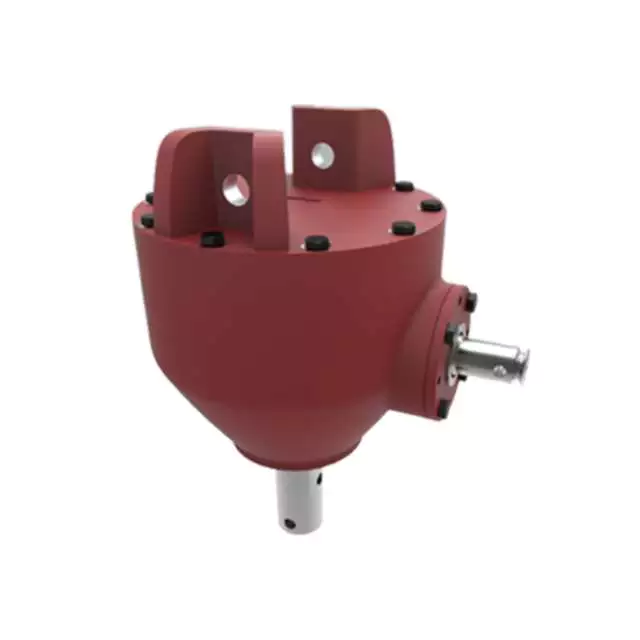
Potential Challenges in Maintenance and Repairs of Agricultural Gearboxes
Maintenance and repairs of gearboxes in agriculture can pose several challenges:
- Harsh Environments: Agricultural machinery operates in challenging environments with exposure to dirt, debris, moisture, and varying temperatures. These conditions can accelerate wear and corrosion, necessitating frequent maintenance.
- Heavy Workloads: Gearboxes in farming equipment often handle heavy workloads, leading to increased stress on components. This can result in faster wear and tear, requiring more frequent inspections and part replacements.
- Accessibility: Some gearboxes are located in hard-to-reach areas of machinery. This makes regular maintenance and repairs more challenging, as technicians may need specialized tools and equipment to access and service the gearboxes.
- Specialized Knowledge: Proper maintenance of agricultural gearboxes requires specialized knowledge and skills. Inadequate understanding of gearbox mechanics and maintenance practices can lead to improper repairs, reducing the gearbox’s lifespan and efficiency.
- Costs: Repairing or replacing gearbox components can be costly, especially for heavy-duty agricultural machinery. Farmers need to consider both the direct costs of parts and labor, as well as potential downtime during repair processes.
- Downtime: The downtime required for gearbox maintenance or repairs can impact farming operations, especially during critical planting or harvesting seasons. Efficient scheduling and backup equipment can help mitigate this challenge.
- Availability of Parts: Obtaining replacement parts for older or less common gearbox models can be challenging. Farmers may need to source parts from specialized suppliers, leading to potential delays in repairs.
Addressing these challenges requires proactive maintenance planning, regular inspections, proper training of maintenance personnel, and sourcing spare parts in advance.
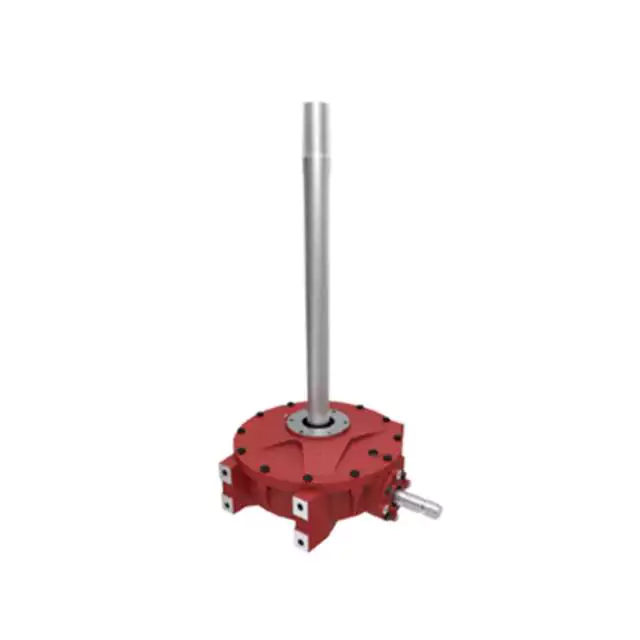
Types of Agricultural Gearboxes for Specific Tasks
Various types of agricultural gearboxes are designed to cater to specific tasks and applications in farming. These gearboxes are engineered to meet the unique requirements of different agricultural machinery and operations. Some common types of agricultural gearboxes include:
- Rotary Mower Gearboxes: These gearboxes are used in rotary mowers and cutters. They transmit power from the tractor’s power take-off (PTO) to the blades, enabling efficient cutting of grass, crops, and vegetation.
- Manure Spreader Gearboxes: Manure spreaders utilize specialized gearboxes to distribute manure evenly across fields. These gearboxes ensure consistent spreading of fertilizer while accommodating variable loads.
- Harvesting Gearboxes: Gearboxes used in harvesting equipment, such as combines and harvesters, enable efficient gathering, threshing, and separating of crops from their stalks. These gearboxes handle high loads and varying operating conditions.
- Seed Drill Gearboxes: Seed drills require gearboxes to distribute seeds accurately and at consistent intervals. These gearboxes ensure precise seed placement for optimal germination and crop growth.
- Hay Rake Gearboxes: Hay rakes utilize gearboxes to gather and arrange hay into windrows for baling. These gearboxes help optimize the hay collection process.
- Irrigation System Gearboxes: Agricultural irrigation systems may use gearboxes to control the movement and positioning of irrigation equipment, ensuring efficient water distribution across fields.
- Tillage Equipment Gearboxes: Gearboxes used in tillage equipment, such as plows and cultivators, help break up soil, prepare seedbeds, and promote seedling emergence.
- Tractor Gearboxes: Tractors may incorporate various gearboxes for tasks such as shifting gears, driving the power take-off, and operating attachments.
- Grain Auger Gearboxes: Grain augers use gearboxes to facilitate the movement of harvested grain from one location to another, such as from a combine to a storage bin.
Each type of agricultural gearbox is designed with specific features, load capacities, and durability to suit the demands of its intended task. Manufacturers engineer these gearboxes to withstand the challenging conditions of agricultural operations while ensuring efficient and reliable performance.


editor by CX 2024-05-14