
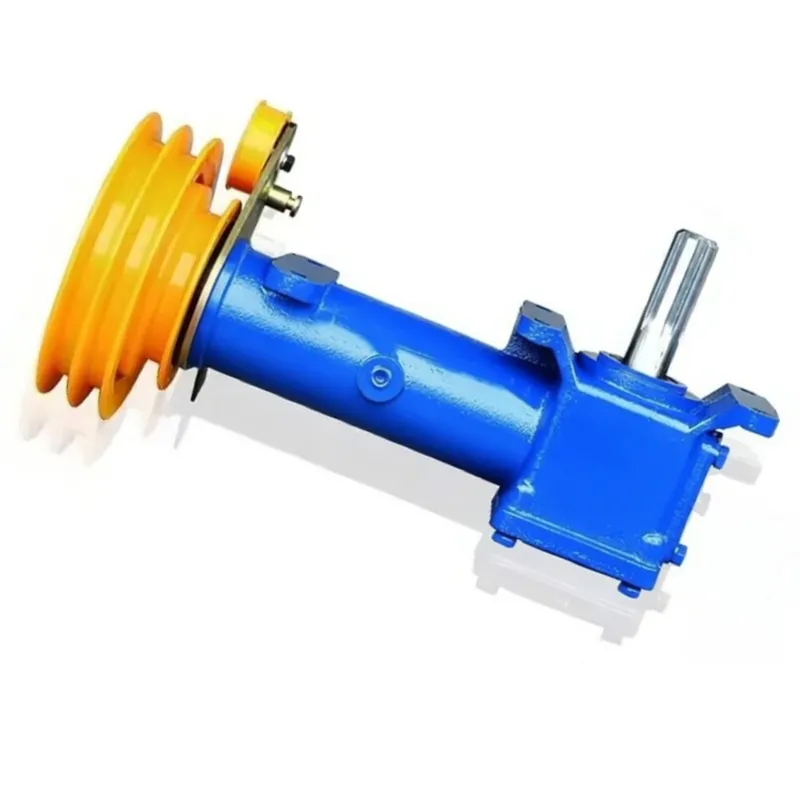
Descripción
1. Basic Product Specifications
| Attribute | Detail |
|---|---|
| Nombre del producto | Agricultural Combine Harvester Gearbox for Rice Harvesting |
| Modelo | EP-1.6Z.03-05 |
| Material de vivienda | QT450 Ductile Iron |
| Gear Shaft Material | 20CrMnTi (Carburized & Hardened) |
| Color | Customization Available |
| Primary Application | Rice Combine Harvester |
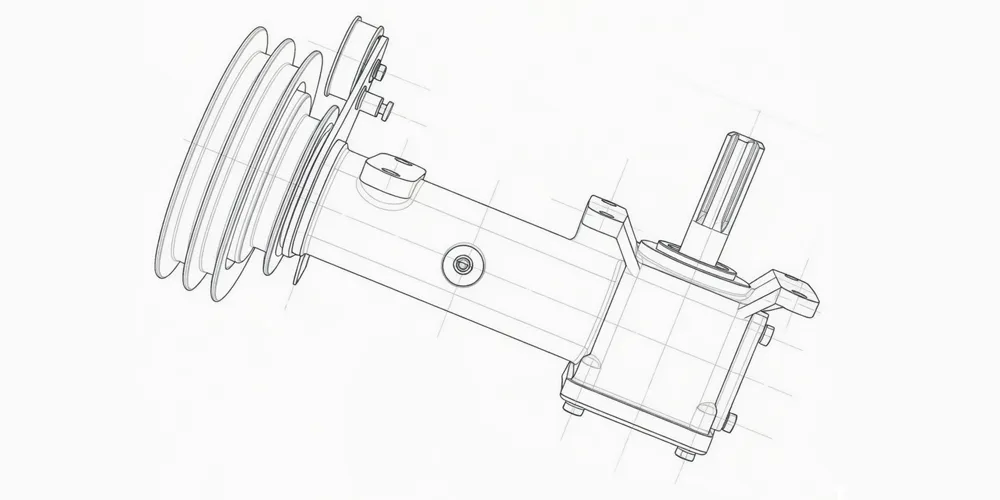
2. What Is a Combine Harvester Gearbox?
So, what is a combine harvester gearbox, and why does it sit at the mechanical center of every rice combine on the market? In plain terms, it is the transmission unit that receives rotational energy from the engine and redistributes it to the cutting header, threshing drum, and conveying auger at the correct speeds and directions. Without a reliable combine harvester gearbox, the harvester simply cannot coordinate its subsystems, and any mismatch between engine output and implement load turns into stalled drums, torn belts, or shattered gears. A modern combine harvester gearbox system integrates helical or bevel gear sets, a shift fork, input and output shafts, tapered roller bearings, and oil seals inside a sealed housing. For rice, a reversing function is non-negotiable, because wet straw wraps around the cutter bar constantly, and the operator must be able to back-drive the header without climbing down to clear debris by hand. That is where the combine harvester reversing gearbox earns its keep. The gearbox for combine harvester platforms used across Brazil’s lowland rice belt has to balance torque capacity, thermal stability, and a compact footprint that slides into tight chassis cavities.
3. Five Key Advantages of This Combine Harvester Gearbox
1. Rapid Jam Recovery in Wet Paddy Conditions
Tropical rice fields routinely produce clogs from wet stalks, weeds, and lodged grain. The reversing capacity of this heavy duty combine harvester gearbox lets the operator back-drive the cutterbar in under three seconds, freeing the blockage without a service stop. For Brazilian crews harvesting 14–16 hours daily during the February to April window in the South, that recovery time translates directly into hectares completed per shift.
2. Extended Service Life Under Continuous Load
Carburized 20CrMnTi shafts paired with QT450 housing resist the fatigue cracking that ordinary castings develop after 2,000 operating hours. Independent bench testing of the combine harvester drive gearbox shows load-endurance margins 30% above the ISO 6336 baseline, extending overhaul intervals and lowering total cost of ownership for cooperatives running multiple combines.
3. Sealed Protection Against Water and Particulate Ingress
Double-lip oil seals and gasketed housing joints keep paddy water, silt, and pesticide residue out of the gear chamber. The sealing grade meets IP65 equivalency under field test conditions, which matters enormously for a rice combine harvester gearbox operating in standing water.
4. Broad Compatibility with Brazilian-Market Harvesters
Mounting patterns and shaft dimensions align with major rice-harvester brands sold across Latin America, making this a practical replacement gearbox for combine harvester fleets already in service. Conversion kits are available for older frames, reducing the downtime involved in retrofitting.
5. Consistent Torque Output Across Temperature Ranges
Brazilian paddy operations see ambient swings from 18 °C at dawn to 38 °C by mid-afternoon. This agricultural combine harvester gearbox is specified with 85W-140 GL-5 lubricant to hold viscosity across that range, preventing the torque drop and gear hammering that comes with out-of-spec fluid thickness.
4. Working Principle of the Combine Harvester Reversing Gearbox
The working principle of this Combine Harvester Gearbox follows a staged power-routing logic that begins at the engine’s output shaft. Engine torque enters through the input shaft, passes across a hydraulic clutch assembly, and reaches the primary gear set mounted on tapered bearings. Under normal forward operation, the operator selects the drive position through a mechanical shift linkage; power flows through the forward gear pair and exits the output shaft to the cutterbar, reel, and threshing drum at the target rotational speed. When straw piles up and the header locks, the operator disengages the clutch, moves the shift lever into reverse, and re-engages. The combine harvester reversing gearbox now routes torque through an idler gear that flips the output rotation direction, allowing the cutter bar to back-spin and eject the blockage. The clutch is the critical timing element: it gives the gear teeth a brief moment to unload before re-meshing, which prevents the chipping and pitting that destroys gearboxes without synchronized engagement. The entire cycle, from stall detection to resumed forward motion, takes under ten seconds when performed correctly, which is why this combine harvester main gearbox layout has become the industry standard across rice-harvesting platforms worldwide.
5. Product Materials and Manufacturing
Material selection drives everything about the long-term performance of this Combine Harvester Gearbox. The housing is cast from QT450-10 ductile iron, a pearlitic-ferritic nodular iron grade selected for its tensile strength of 450 MPa and elongation of 10%, giving the casing the toughness to absorb the shock loads that flatten lesser aluminum housings. Gear shafts are machined from 20CrMnTi alloy steel, then carburized to a surface hardness of 58–62 HRC with a core hardness of 30–40 HRC. That combination gives the tooth flanks wear resistance while leaving the shaft core ductile enough to flex under peak torque without cracking. Every gear is ground to DIN 6 precision class after heat treatment, eliminating the whine and vibration associated with looser manufacturing tolerances. Bearings are sourced from recognized tier-one suppliers and rated for L10 life beyond 20,000 hours at design load. Fasteners meet ISO 898 class 10.9 or higher. For customers seeking combine harvester spare parts gearbox components, individual gears, bearings, shafts, and seal kits are stocked separately so operators can rebuild rather than replace when a single element fails. This approach reflects the repair-first philosophy that serious agricultural fleets across Brazil and Argentina prefer.
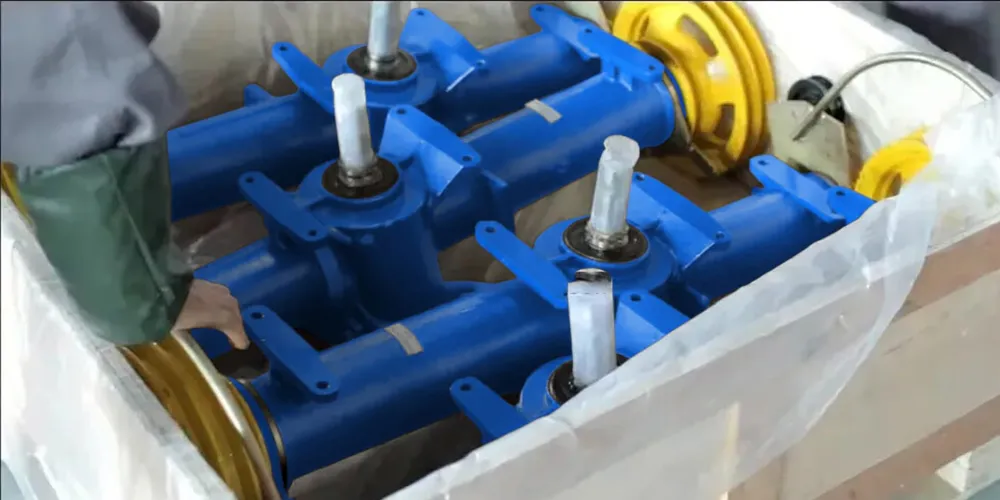
6. Application Scenarios
While this Combine Harvester Gearbox is optimized for rice, its reversing architecture and torque rating make it suitable across a wider range of grain harvesting operations common throughout South American agriculture.
Rice Harvesting in Flooded Paddies
The primary use case. In Rio Grande do Sul paddies, where water depth can exceed 10 cm, the sealed housing and reverse capability of this rice combine harvester gearbox keep crews productive through the short autumn harvest window.
Wheat Harvesting in Southern Brazil
Paraná and Rio Grande do Sul produce most of Brazil’s wheat. The gearbox for combine harvester units handles the lighter stalks of wheat at higher RPMs, maintaining precision threshing without grain shatter.
Soybean Threshing Across the Cerrado
Mato Grosso’s soy belt runs millions of hectares annually. The torque stability of this combine harvester drive gearbox allows delicate bean separation at moderate drum speeds, reducing loss and preserving seed grade.
Corn Harvesting in Midwestern States
Corn stalks challenge gearboxes with their density. The reinforced 20CrMnTi teeth and higher peak torque rating keep the header driving through thick biomass without tooth deflection or clutch overheating.
Barley and Small Grain Operations
For cooperatives diversifying into barley or oats, this agricultural combine harvester gearbox delivers the fine threshing speed control needed to preserve kernel integrity during high-moisture harvests.
7. Compliance with Agricultural Machinery Regulations
Selling or importing a Combine Harvester Gearbox into Brazil places clear regulatory obligations on both supplier and buyer. Brazil’s INMETRO (Instituto Nacional de Metrologia, Qualidade e Tecnologia) sets conformity-assessment rules for mechanical components sold domestically, while MAPA (Ministério da Agricultura, Pecuária e Abastecimento) publishes technical guidance on agricultural equipment durability and safety. The Brazilian standard NR-12 covers operator safety on agricultural machinery and mandates guarding around exposed rotating parts, which applies to any combine harvester gearbox system integrated into a harvester sold in the country. For export across Mercosur, Argentina’s INTA (Instituto Nacional de Tecnología Agropecuaria) provides parallel testing protocols. Units shipped to the European Union must carry CE marking under Machinery Directive 2006/42/EC and comply with ISO 4254-7 for combine harvester safety requirements. United States buyers expect OSHA 1928.57 compliance for power take-off protection and ASABE S318.18 for rotational energy transfer. Australia applies AS/NZS 4024 machinery safety standards. This Combine Harvester Gearbox is manufactured under an ISO 9001:2015 quality management system, with materials traceability documentation available for every batch. Buyers in Chile, Colombia, Peru, and Uruguay can rely on the same certification package to clear customs and satisfy local agricultural ministry reviews.
8. About Us
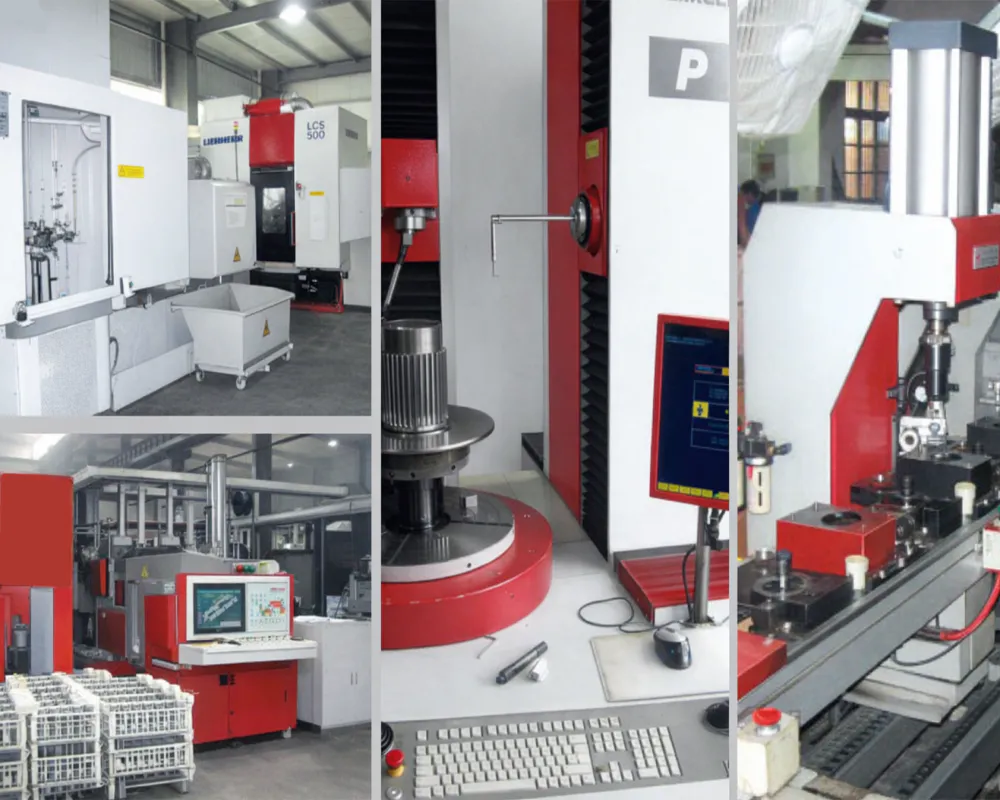
Every Combine Harvester Gearbox leaving our line passes a 100% no-load test plus a sample-basis loaded dynamometer check. Our engineering team includes mechanical designers certified in gear theory and a dedicated rice-harvester specialist group that has supported field trials in Brazil, Vietnam, Thailand, and India. We hold ISO 9001:2015 and offer CE-compliant variants for regulated markets. Custom designs are welcome; send your mounting drawings, torque profile, and duty cycle, and our engineering team will return a proposal within five working days.
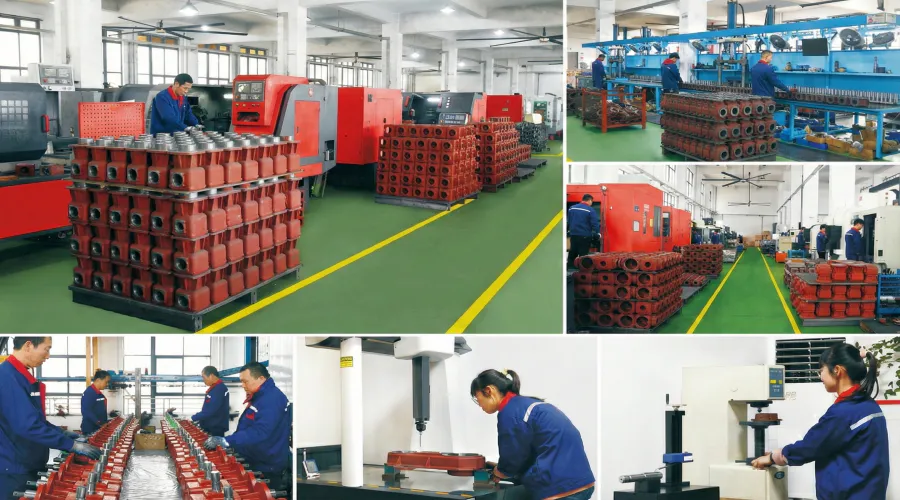
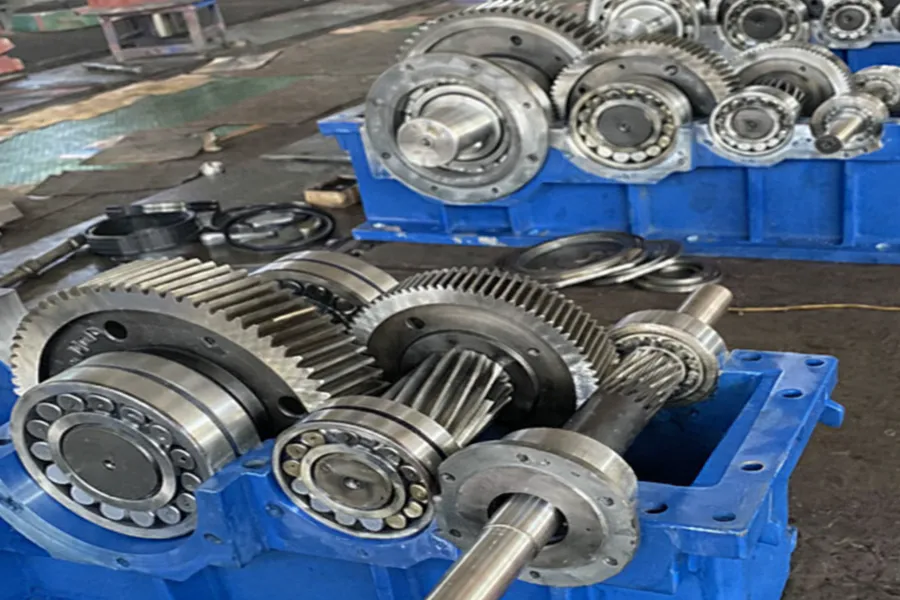
WorkShop
9. Related Products — Full Agricultural Gearbox System
Beyond the Combine Harvester Gearbox itself, we supply the complete driveline ecosystem. Farmers and dealers rely on us as a one-stop source for the matched components that keep harvesters running season after season. Our full-series agricultural gearbox line and one-stop service philosophy shorten sourcing time and ensure true system compatibility.
PTO Shaft
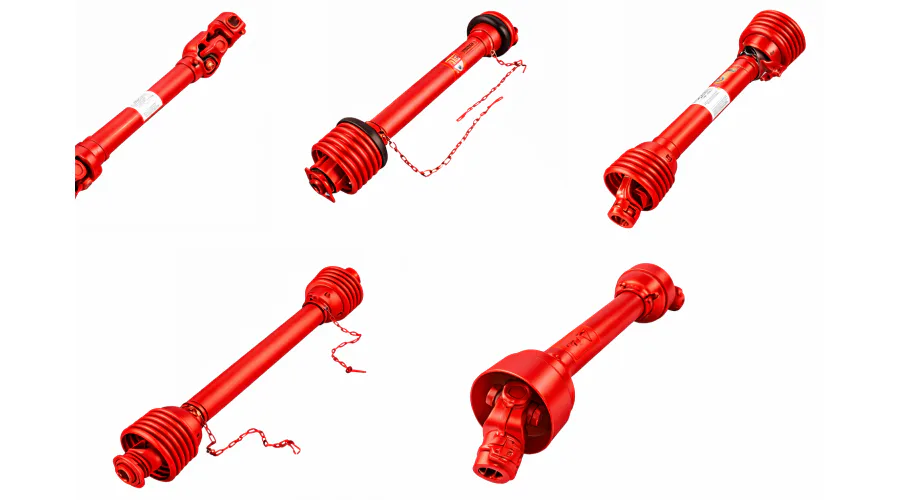
The power take-off shaft is the mechanical link between the tractor and the Combine Harvester Gearbox. A properly sized, balanced PTO Shaft ensures that input torque reaches the gearbox at the correct angle and speed, with the right overload clutch to protect downstream gear teeth. Matched sets reduce vibration and extend gearbox life in the field.
Sprockets
Drive sprockets transmit the output of the gearbox to the conveying chains of the combine. Our sprockets are produced from the same alloy steels as our gearshafts, heat-treated to matched hardness so that the whole drivetrain wears at a consistent rate. Supplied alongside any Combine Harvester Gearbox order to guarantee drivetrain compatibility.

Frequently Asked Questions
Q1. Why do Brazilian rice growers often request a heavy duty combine harvester gearbox over lighter commercial grades?
A1. Heavy duty units carry higher peak torque ratings, thicker housings, and more substantial bearings, which matter when reversing under a fully loaded header. Lighter grades cost less but fail earlier in the dense, wet straw typical of Brazilian rice fields, leading to a higher total cost of ownership over five seasons.
Q2. What is a combine harvester gearbox and why is reversing capability critical for rice harvesting in tropical climates?
A2. A combine harvester gearbox is the transmission unit that routes engine torque to the header and threshing mechanisms. Reversing capability is critical in rice because wet straw jams the cutter bar frequently, and operators need to back-drive the header from the cab rather than climbing down into knee-deep water to clear it by hand.
Q3. What operating temperature range should a combine harvester main gearbox handle during the Brazilian rice harvest season?
A3. A well-specified unit should operate continuously between -10 °C and +90 °C. Brazilian summer ambient temperatures commonly reach 38 °C, and internal oil temperature can climb 40 °C higher under full load, so the gearbox should be comfortable up to around 80 °C sustained without lubricant degradation.
Q4. Which maintenance routines extend the life of a rice combine harvester gearbox operating in flooded paddy conditions?
A4. Change the 85W-140 gear oil every 500 operating hours or once per season, whichever comes first. Inspect the input and output seals after each harvest for signs of water intrusion. Listen for whining or grinding that might indicate bearing wear, and top up lubricant only to the designated mark to avoid seal pressure buildup.
Q5. What are the main combine harvester gearbox advantages and disadvantages compared to direct hydraulic drive systems?
A5. Advantages include higher mechanical efficiency, lower cost, and simpler field service. Disadvantages include slightly slower reverse engagement and the need for periodic lubricant changes. For most rice-harvesting operations across South America, mechanical gearboxes remain the preferred choice because of their rebuildability and lower lifetime cost.
Q6. Which certifications should an agricultural combine harvester gearbox carry for import into Brazil and Mercosur markets?
A6. Look for ISO 9001:2015 manufacturing certification, material traceability reports, and NR-12 safety compliance documentation. For wider Latin American distribution, CE marking under Machinery Directive 2006/42/EC simplifies customs clearance. Argentina additionally expects INTA-aligned test reports for agricultural equipment durability.
Q7. When should Brazilian operators schedule replacement of a combine harvester drive gearbox that has been running for several seasons?
A7. Plan replacement or full rebuild at 6,000 to 8,000 operating hours, or sooner if oil analysis shows elevated iron particles. Signs that indicate immediate action include persistent gear whine, visible lubricant weeping past seals, or sluggish reverse engagement that suggests clutch plate wear.
Q8. How do tropical humidity and paddy water conditions affect a combine harvester gearbox system and its expected lifespan?
A8. Humidity accelerates seal aging and encourages condensation inside the housing, which contaminates the gear oil and increases corrosion risk. Units with IP65-equivalent sealing and seasonal oil changes typically reach full design life. Neglected sealing can cut service life by 40% or more in flooded paddy operations.
Editor: PXY