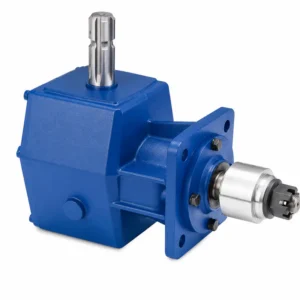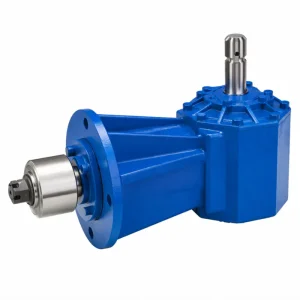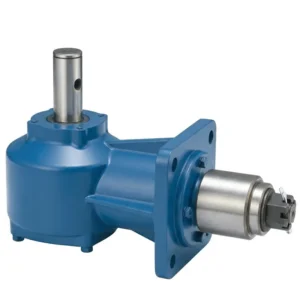

Description
3-Point Hitch Mower Cutter Bar — EP-GC Series
Tractor-Mounted Mower Cutter Bar for Disc Mowers
Full all-gear drivetrain • 4 to 8 high-speed rotating discs • Cat.2 three-point hitch • 1.65 m to 3.20 m cutting width • Designed for demanding forage and pasture operations across South America and global markets
1. Technical Parameters — EP-GC Series Hitch Mower Cutter Bar
| Paramètre technique | EP-GC04 | EP-GC05 | EP-GC06 | EP-GC07 | EP-GC08 |
|---|---|---|---|---|---|
| Disc Mower Model | YS1650 | YS2100 | YS2450 | YS2860 | YS3200 |
| Knife Beam Type | KLF-GC04 | KLF-GC05 | KLF-GC06 | KLF-GC07 | KLF-GC08 |
| Gearbox Weight (kg) | 148 | 168 | 197 | 226 | 262 |
| Min. Power Requirement (kW / hp) | 21 / 28 | 26 / 35 | 31 / 42 | 37 / 50 | 44 / 60 |
| Overall Beam Length (mm) | 1,821.8 | 2,221.4 | 2,586.3 | 2,981.4 | 3,340.0 |
| Effective Cutting Width (m) | 1.65 | 2.10 | 2.45 | 2.86 | 3.20 |
| Number of Cutting Discs | 4 | 5 | 6 | 7 | 8 |
| Total Blade Count | 8 | 10 | 12 | 14 | 16 |
| Blades per Disc | 2 or 3 | 2 | 2 or 3 | 2 | 2 or 3 |
| PTO Input Speed (r/min) | 1,000 — all models | ||||
| Disc Rotational Speed (r/min) | 2,667 — all models | ||||
| Disc Outside Diameter | 500 mm (19.7 in.) | ||||
| Field Travel Speed (km/h) | 4 – 12 | ||||
| Matched Tractor Output (hp) | 40 – 210 | 50 – 210 | 70 – 210 | 90 – 210 | 100 – 210 |
| PTO / Hitch Standard | Cat. 2 (ISO 730) | ||||
| Complete Assembly Weight (kg) | 500 | 550 | 590 | 629 | 707 |
| Beam Suspension Type | Spring suspension — parallel linkage | ||||
| Transmission Architecture | Full gear train — no belt or chain in main drive | ||||
| Build Specification | Normal | Normal | Normal / Enhanced | Normal / Enhanced | Enhanced |
| Productive Work Rate (ha/h) | 0.7 – 1.2 | 0.9 – 1.5 | 1.1 – 1.7 | 1.3 – 2.0 | 1.5 – 2.2 |
Custom specifications — including non-standard gear ratios, alternative cutting widths, or modified hitch configurations — are available on request.

2. Advantages of EP-GC Series-3-Point Hitch Mower Cutter Bar
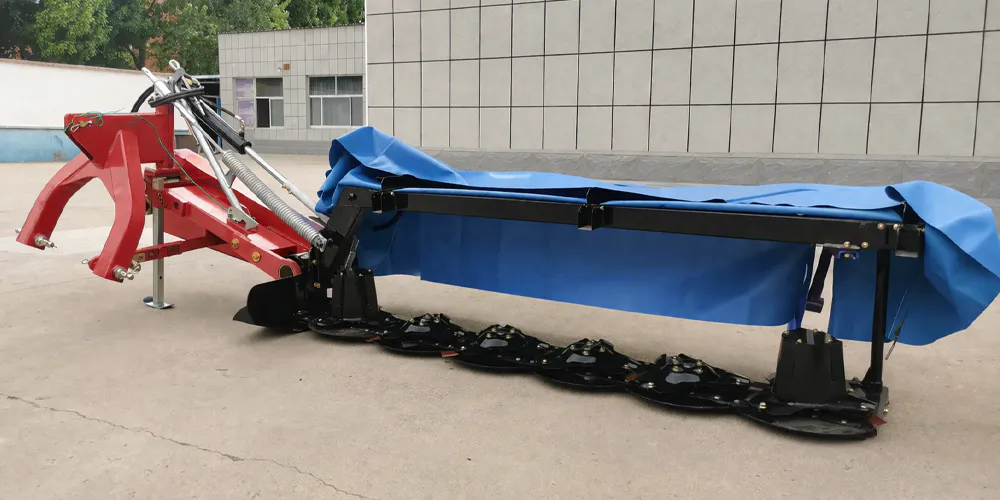
The EP-GC hitch mower cutter bar is a tractor-rear-mounted disc mowing system purpose-designed for efficient, continuous-operation forage harvesting. The machine connects to the tractor’s three-point hitch frame via a Category 2 linkage and draws its power from the standard 1,000 r/min PTO shaft. Once engaged, the input speed is stepped up through the onboard gearbox assembly — reaching approximately 2,667 r/min at the disc output — delivering the rotational energy required for clean, high-speed cutting through dense forage crops including alfalfa, ryegrass, oat grass, Tifton 85, and Brachiaria species commonly grown across Brazil’s centre-west and southern agricultural regions.
What sets this 3-point hitch mower cutter bar apart from reciprocating-blade alternatives is its scalable disc count: the EP-GC hitch mower cutter bar family spans 4-disc to 8-disc configurations, with cutting widths from 1.65 m up to 3.20 m. Larger operations benefit from the wider models, achieving working rates well above 1.5 ha per hour without compromising cut quality. The entire transmission from PTO input to disc output is gear-driven — there are no belts or chains in the main drivetrain — which keeps the power transfer consistent and minimises the unplanned downtime that belt-dependent systems can introduce at critical points in the harvest calendar.
The knife beam is suspended from the hitch frame via a parallel spring linkage. This arrangement lets the beam ride independently of the tractor body, following ground contours at travel speeds between 4 and 12 km/h without the operator needing to make constant height corrections from the cab. The spring system also acts as a mechanical buffer, absorbing minor ground impacts and protecting the disc assemblies from the kind of sustained shock loading that accelerates bearing wear in rigidly mounted designs. For farms operating on the undulating terrain common in Mato Grosso do Sul, Goiás, and the Serra Gaúcha, this ground-following capability is a practical working advantage rather than a theoretical one.
Each disc carries two or three free-swing hardened blades, depending on the model variant. These blades can deflect when they contact a hidden rock or soil obstruction, returning to their operating position once clear — a design feature that protects the disc carrier, the shaft, and the downstream gearbox components from sudden impact damage. Blade replacement when wear does occur is a routine field task that requires no special tooling, allowing operators to manage the consumable cost efficiently and keep the machine productive throughout the mowing season.
3. Five Key Advantages of the hitch mower cutter bar
1. Stable All-Gear Power Delivery
The EP-GC hitch mower cutter bar’s complete gear-driven transmission eliminates the performance variability that comes with belt-driven disc mowers. Under heavy crop loads — particularly during peak-season cutting of dense tropical grasses in Brazil’s cerrado — the gear system maintains consistent disc speed, prevents the drag-related slowdowns that reduce cut quality, and avoids the belt slippage that can leave uncut strips and force repeat passes over the same ground. For operations where field time is at a premium, this mechanical consistency directly improves overall harvesting efficiency.
2. Spring-Suspended Ground Following
The spring-suspension parallel linkage between the hitch frame and the knife beam allows approximately 150–200 mm of independent vertical movement, enabling the cutter bar to track uneven ground without lifting away from the target cutting height or digging into the soil. This feature preserves the sward root zone and reduces soil contamination of the cut swath — important both for hay drying speed and for silage fermentation quality. It also reduces the structural fatigue load on the beam and hitch attachment, contributing to longer component service life.
3. Scalable Cutting Width from 1.65 m to 3.20 m
Five model configurations allow buyers to select the cutting width that matches their tractor’s horsepower, their field dimensions, and their target output rate. A smaller operation running a 60 hp tractor can deploy the EP-GC04 hitch mower cutter bar effectively, while a commercial forage contractor with a 150 hp machine can leverage the EP-GC08’s 3.20 m working width to maintain the daily hectarage needed to service multiple farm clients within a single cutting window. This scalability means the product line serves a wide range of users with a single consistent design platform.
4. Cat.2 Universal Hitch — Broad Tractor Compatibility
Category 2 three-point hitch geometry is standardised under ISO 730 and used on the overwhelming majority of tractors in the 40–210 hp range — including models from John Deere, Massey Ferguson, New Holland, Valtra, and AGCO brands widely operated across Brazilian farms. Attachment requires no proprietary adapters under standard conditions, and the 1,000 r/min PTO input aligns with the outputs found on virtually all current and recent-vintage tractors in this power class. This means the EP-GC hitch mower cutter bar integrates into an existing fleet rather than requiring dedicated tractor purchases.
5. Low Lifecycle Cost Through Simple Maintenance
The EP-GC hitch mower cutter bar is designed with field-level maintenance in mind. Individual blades are the primary wear item, and they can be replaced without removing the disc from the shaft — a task that takes under 20 minutes with basic hand tools. The gearbox requires periodic oil level checks and scheduled oil changes at intervals that align with typical seasonal working patterns. There are no belt tension adjustments, no chain lubrication requirements, and no complex tensioning mechanisms. For operations in regions with limited access to specialist workshop support, this simplicity of maintenance is a meaningful operational advantage.
4. How It Works — Hitch Mower Cutter Bar
The drivetrain sequence begins at the tractor’s PTO stub, where the operator-engaged shaft begins rotating at 1,000 r/min. A matched PTO shaft — with appropriately sized universal joints and telescoping overlap — transmits this rotation to the gearbox input flange mounted at the front of the cutter bar frame. Inside the gearbox, a bevel gear stage changes the rotational axis from the forward-facing PTO direction to the transverse direction of the cutter bar, while simultaneously increasing the rotational speed. The output shaft running the length of the knife beam then delivers approximately 2,667 r/min to each disc spindle through a series of bevel and spur gear pairs arranged in sequence along the beam housing.
Each disc is independently mounted on a vertical spindle bearing. The discs are phased so that adjacent discs rotate in opposite directions, directing cut material inward toward the centre of the swath or outward depending on the crop and conditions desired. This alternating rotation also helps to balance the reaction torques on the knife beam, reducing the tendency for the machine to yaw under heavy crop loads. At 2,667 r/min with a 500 mm disc diameter, the blade tip speed is sufficient to shear through stem material cleanly without tearing — producing the smooth cut face that minimises plant-cell damage and accelerates moisture loss from the swath.
The spring-suspension mechanism operates in parallel with the hitch linkage. As the tractor’s three-point lift arms set the nominal working height, the spring pack allows the beam to deviate from this height in response to terrain features. Rising ground pushes the beam upward against the spring load; a depression allows the beam to drop toward the soil surface. The result is a cutting height that tracks the actual ground level within the spring’s travel range, rather than following the tractor body’s pitch and roll. This is what makes the EP-GC hitch mower cutter bar effective on the gently undulating terrain typical of Brazilian pasture land without requiring the operator to micro-manage the hitch position throughout the work day.
At the end of a run or when turning at a headland, the operator raises the tractor’s three-point hitch to transport height using the standard hydraulic lift controls. This lifts the entire knife beam clear of the ground. The PTO is then disengaged, and the disc assemblies coast to a stop within a few seconds. The machine can be driven at transport speeds with the beam raised, and re-entry into the next crop row simply requires lowering the hitch to the working position and re-engaging the PTO before the tractor resumes forward travel.
5. Materials & Construction of hitch mower cutter bar
The EP-GC hitch mower cutter bar is cast from ductile iron (GGG40 or equivalent grade), selected for its combination of impact resistance and dimensional stability under the cyclic thermal loads of extended field operation. This material maintains housing geometry accurately over the equipment’s service life, preserving gear mesh alignment and preventing the oil-seal leakage that can occur when housings distort under repeated heating and cooling cycles. All internal gear pairs are machined from case-hardened alloy steel — typically 20CrMnTi or equivalent — with case depths and surface hardness in the range of 0.8–1.2 mm and 58–62 HRC, respectively, providing a hard, wear-resistant working surface over a tough, fatigue-resistant core.
The knife beam structure itself is fabricated from high-strength structural steel plate with a minimum yield strength of 355 MPa. Welded joints at disc carrier positions are designed for full-penetration fusion and subjected to visual and dimensional inspection during assembly. The completed beam is surface-prepared by shot blasting to Sa 2.5 standard and coated with an agricultural-grade epoxy primer followed by a polyurethane topcoat. This system provides corrosion resistance suitable for operation in high-rainfall environments such as those found in Brazil’s southern states, where soil moisture, crop acids, and condensation create continuous corrosion challenges for unprotected steel structures.
Cutting blades are produced from boron-alloyed steel (typically 27MnCrB5 or 30MnB5) and heat-treated by quenching and tempering to achieve a Rockwell hardness of 48–55 HRC. This range is selected to balance cutting-edge durability against fracture toughness — harder blades hold their edge longer but are more susceptible to catastrophic failure on stone contact, while softer blades are tougher but require more frequent replacement. The specification used across the EP-GC hitch mower cutter bar range has been validated over multiple seasons of commercial use in varied soil conditions.
Rolling element bearings used throughout the disc spindle assemblies and the main gearbox shafts are sourced from suppliers meeting ISO 281 load rating standards. All spindle bearings are sealed and pre-loaded with high-temperature lithium-complex grease compatible with the operating environment. Shaft seals are manufactured from nitrile rubber (NBR) formulations that maintain their sealing performance across the temperature range of -15 °C to +100 °C — covering both cold-morning start-up conditions and extended-operation temperature plateaus in tropical climates.
7. Application Scenarios
Hay Production
Alfalfa, Coast Cross, and Tifton 85 are the primary hay crops on Brazilian farms supplying dairy and beef cattle operations. The EP-GC’s high disc speed produces a clean cut face that releases moisture rapidly from the swath, enabling faster wilting to target baling moisture content. Reducing the time between cutting and baling lowers the weather risk exposure that is a constant concern for hay producers in the humid subtropical climate zones of Rio Grande do Sul and Santa Catarina. The adjustable cutting height also allows operators to protect the alfalfa crown by setting a height that removes the shoot without stressing the regrowth point.
Pasture Renovation & Maintenance
Tropical pastures — Brachiaria brizantha, Mombaça, Massai, Marandu — require periodic topping to remove rank growth, reduce weed pressure, and encourage the tillering that maintains a productive sward. The EP-GC’s range of travel speeds allows operators to match the working rate to the density of growth present, and the spring-suspended beam tracks the irregular micro-topography common in cerrado pastures. In regions like Mato Grosso, where pasture blocks can exceed 500 ha per farm, the higher-output EP-GC07 and EP-GC08 hitch mower cutter bar configurations provide the daily coverage rate needed to complete renovation work within a single dry-season window.
Silage Forage Cutting
Sorghum, corn, and high-biomass tropical grasses cut for silage must be harvested within a narrow dry matter window to achieve optimal fermentation. The EP-GC’s throughput capacity — particularly in the 6- and 7-disc configurations — allows a single tractor-operator combination to cut the required daily tonnage to keep a harvester or bunker operation running at full capacity. The uniform swath width laid down by the alternating-direction disc arrangement also facilitates efficient pick-up by the subsequent chopping or raking equipment, reducing field time at each stage of the silage making process.
Cover Crop Termination
The adoption of cover crop systems in Brazilian soybean-corn rotations has created demand for reliable mechanical termination options. Mowing Brachiaria ruziziensis, oat, or sunn hemp ahead of cash crop establishment with a universal tractor mounted mower cutter bar provides a herbicide-free or herbicide-reduction option that is increasingly relevant as resistance management pressures grow. The EP-GC deposits the biomass in a uniform mat that breaks down progressively, releasing nitrogen and improving the surface organic matter content of the soil ahead of the next crop cycle.
Orchard & Vineyard Row Management
In São Paulo and Minas Gerais citrus and coffee production areas, the inter-row vegetation must be managed several times annually to control nutrient competition, reduce fungal disease pressure from excessive ground cover, and maintain tractor access during harvest operations. The EP-GC hitch mower cutter bar’s profile and cutting height range make it suitable for this application, allowing operators to set a vegetation height that keeps the soil surface covered for erosion protection while preventing rank growth from creating humidity levels that favour canopy disease. The Cat. 2 hitch compatibility with orchard-pattern tractors further extends the machine’s applicability in these perennial crop systems.
Weed Seed Management in Grain Crops
Field margins, waterway edges, and farm road verges are persistent weed seed sources that contribute to herbicide resistance spread when left uncontrolled. Mowing these areas with a tractor mounted mower cutter bar for sale-grade machine before weed seed set reduces the annual input to the soil seed bank. The EP-GC hitch mower cutter bar is well-suited to this application because its travel speed range and hitch compatibility allow it to work efficiently in these narrow, irregular strips without requiring a specialised or dedicated vehicle.
8. Safe Operation & Precautions
Operators of the EP-GC hitch mower cutter bar should establish a pre-operation checklist and follow it consistently before every field entry. Check all blade fasteners for correct torque — loose blades present both a cutting performance issue and a safety hazard. Verify that the gearbox oil level is within the specified range, and that there are no visible oil leaks from seals or housing gaskets. Confirm that the PTO shaft guard is intact, correctly positioned, and that the guard’s retention chain is attached to a fixed chassis point to prevent the guard from rotating with the shaft.
Before entering a field, walk the working area or make an initial reconnaissance pass to identify rocks, irrigation hardware, wire, or other hidden objects embedded in the crop canopy. Disc mowers operating at 2,667 r/min have significant stored kinetic energy in the disc-blade assemblies; projectile discharge from foreign object contact can reach dangerous distances. A cleared working area is the single most effective precaution against both equipment damage and bystander risk.
Never approach the knife beam while the PTO is engaged or while any disc rotation is still occurring after PTO disengagement. The inertia of the disc assemblies means rotation continues for several seconds post-shutdown. Cutting height adjustments, blade inspections, and any work near the beam must only be performed with the tractor engine off, the PTO fully disengaged, and all disc movement stopped. In Brazil, these requirements align with NR-31 occupational safety regulations for agricultural machinery use.
9. Regulatory Standards & Compliance
Brazil — MAPA, ABNT & NR-31
Agricultural machinery sold commercially in Brazil falls under oversight by the Ministry of Agriculture, Livestock and Food Supply (MAPA), which requires registration of imported implements under provisions of Lei 6.360/1976 and associated normative instructions (IN MAPA). Safety guards on rotating PTO components are addressed by ABNT standards aligned with ISO 4254, and workplace safety for agricultural workers — including tractor operators — is governed by Norma Regulamentadora NR-31 (Segurança e Saúde no Trabalho na Agricultura), which requires hazard identification, operator training, and the provision of appropriate safety guards on all powered implements.
European Union — Machinery Regulation (EU) 2023/1230
The EU’s Machinery Regulation 2023/1230 (successor to Directive 2006/42/EC) governs the design and conformity assessment of agricultural machinery placed on the EU market, including disc mowers. Manufacturers targeting EU buyers must ensure their equipment meets the Essential Health and Safety Requirements (EHSRs) covering guarding of rotating parts, three-point hitch structural integrity, and protection against ejected objects. CE marking and a Declaration of Conformity are required documentation for legally placing the product on the EU market. EN ISO 4254-7 (Agricultural machinery — Safety — Rotary mowers and flail mowers) is the relevant harmonised standard for disc mower safety design.
United States — ASABE & OSHA
The American Society of Agricultural and Biological Engineers (ASABE) publishes ASABE S318 (Safety for Agricultural Field Equipment) and related standards that define design recommendations for PTO-driven implements in the US market. OSHA’s 29 CFR Part 1928 sets minimum requirements for guarding of rotating components when the equipment is operated in a formal employment context. Equipment designed to ASABE standards is broadly accepted as meeting US industry best practice expectations for PTO-driven mowing equipment.
Argentina, Colombia & Regional South American Markets
Argentina’s SENASA and IRAM standards apply to agricultural machinery imports and domestic production. Colombia’s ICA governs agricultural equipment registration for commercial distribution. Distributors and importers in these markets should confirm applicable registration and labelling requirements with local authorities before commencing commercial sales activity. The general principle across the region is that PTO-driven implements must be equipped with complete shaft guards, and that operators must receive documented training on safe use procedures.
10. About Us
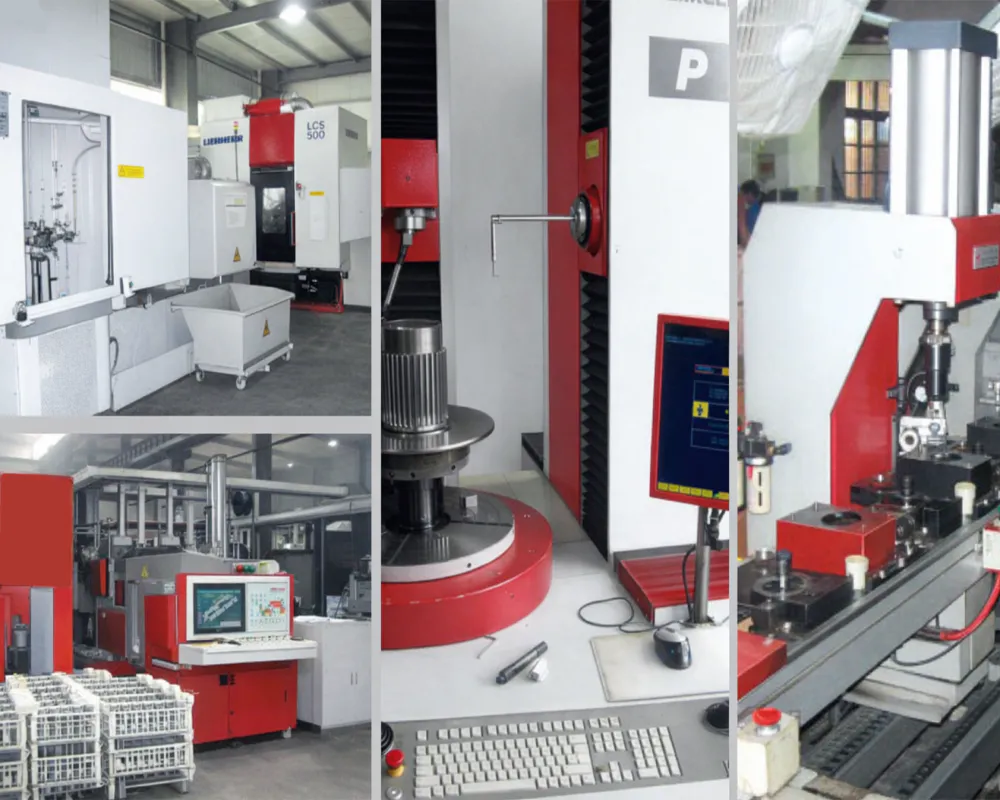
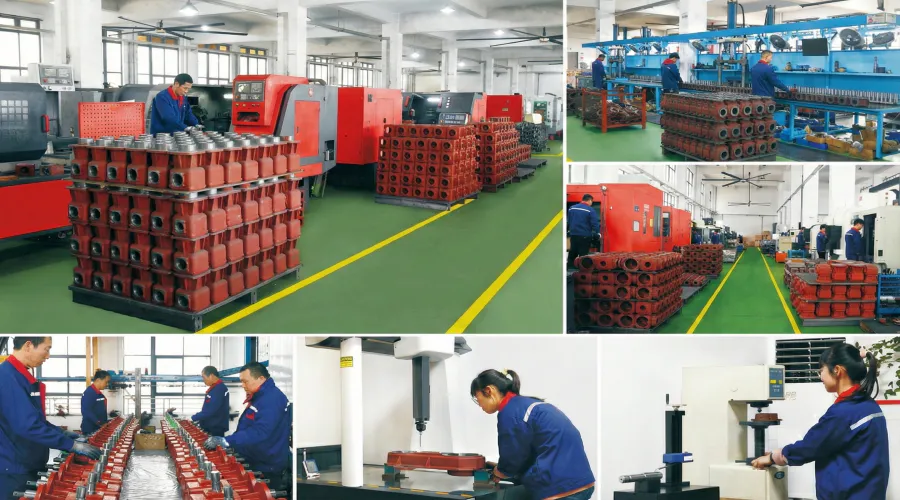
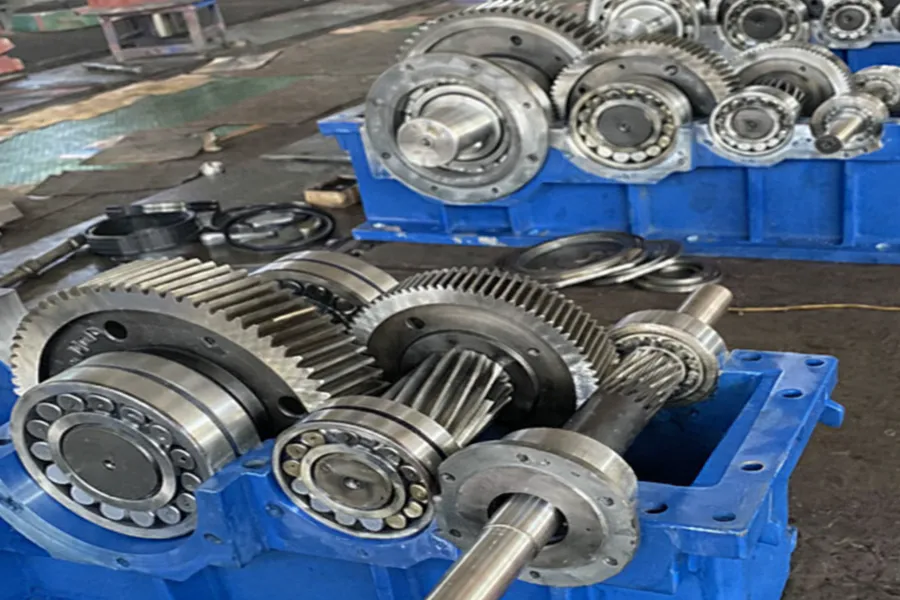
As a Professional Hitch Mower Cutter Bar Manufacturer, we design and manufacture our own gearbox housings, cut our own gear sets, and assemble complete cutter bar units under one roof — giving us direct control over every dimension and material specification that determines product quality and service life.
Our quality management system is certified to ISO 9001, and our process disciplines include incoming material inspection, in-process dimensional checking at machining stages, and a functional end-of-line test on every completed gearbox assembly.
WorkShop
11. Related Products & One-Stop Supply
The EP-GC hitch mower cutter bar performs best when the entire drivetrain — from tractor PTO to cutter disc — is specified as a compatible system. We manufacture the supporting components to the same design and material standards as the cutter bar itself, allowing buyers to source everything needed for a complete installation from a single supplier.
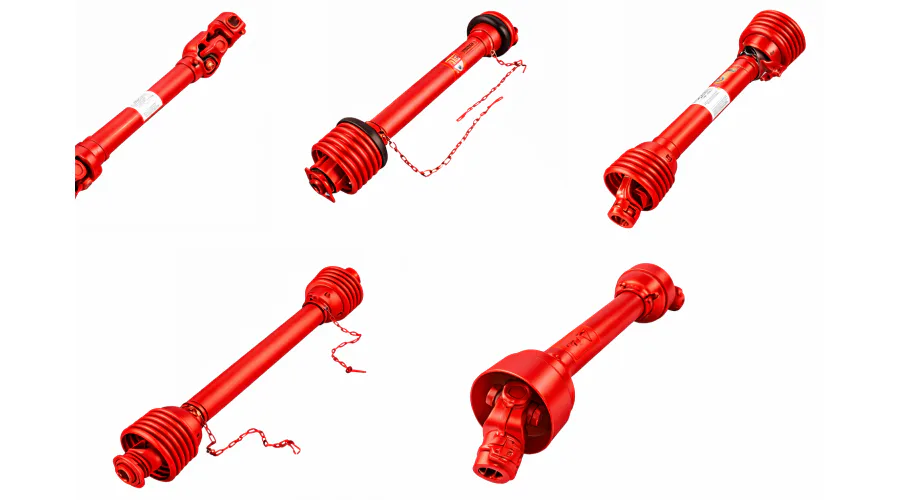
PTO Shaft — Complete Drive Shaft Solutions
The correct PTO shaft specification is critical for the EP-GC hitch mower cutter bar’s operating life. The shaft must be the right collapsed and extended length for your tractor-implement combination, with appropriate universal joint angles at both the tractor and implement ends. We supply matched PTO shaft assemblies rated for the torque outputs of all EP-GC models, with overrunning clutch and shear bolt protection options available for applications where sudden disc overload is a risk. Pairing the cutter bar with a matched shaft eliminates the most common source of early gearbox wear — mismatched shaft length leading to incorrect operating angles at the universal joints.
Drive Chains & Matched Sprockets
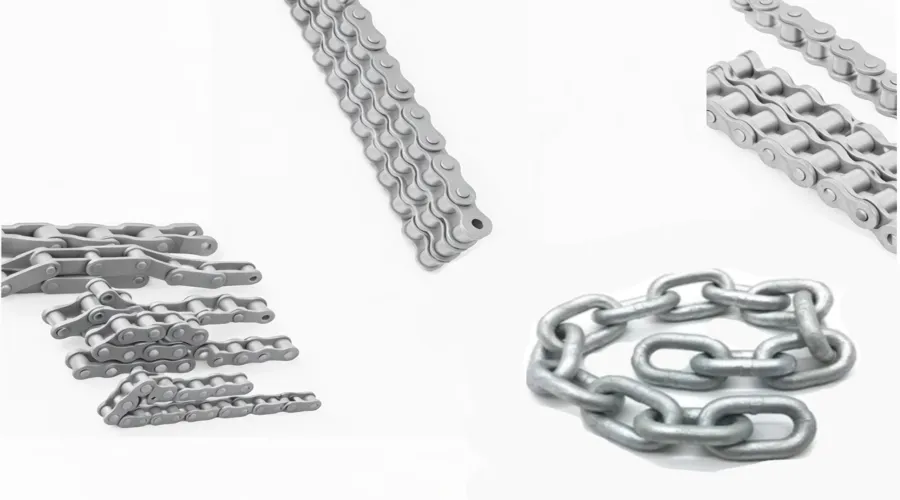
For ancillary systems integrated with or feeding from the disc mower installation — including conveyor systems, secondary conditioning rollers, or auxiliary drive take-offs — we supply precision roller chain manufactured to ANSI/ASME B29.1 and ISO 606 standards, along with hardened-tooth sprockets matched to the relevant pitch and tooth count. All chain and sprocket components are manufactured within the same quality system as our gearbox products, ensuring traceability of material grades and dimensional tolerances across the complete drivetrain assembly.

Foire aux questions
Éditeur : PXY