
Descrição do produto
Why should servo motor be equipped with planetary reducer?
The function of servo motor Bai is to carry out servo, that is to precisely set Du position. The reducer adjusts the output speed and torque of the motor to meet the requirements. Because Shu is the speed output of the motor is usually constant (only a few gears), but the actual required speed varies greatly, so it is necessary to use the reducer to adjust to the required speed range. When the load of servo motor is very large, blindly improving the power of servo motor has met the required torque, which will cause cost waste. Therefore, it is reasonable to select a suitable servo reducer in the required speed range. The function of servo reducer itself is to slow down the speed and increase the output torque. Generally speaking, the speed of servo motor can not meet the requirements of low speed and large torque of working load. It can be described in a popular word: servo motor and reducer are twin. Please contact us for more details.
Industry-specific attributes
Gearing Arrangement
Planetary
Torque de saída
10-2100Nm
Velocidade de entrada
based on motor
Velocidade de saída
based on ratio
Other attributes
Applicable Industries
Garment Shops, Building Material Shops, Manufacturing Plant, Machinery Repair Shops, Food & Beverage Factory, Farms, Retail, Food Shop, Printing Shops, Construction works , Energy & Mining, Food & Beverage Shops
Weight (KG)
9
Place of CHINAMFG
ZheJiang , China
Brand Name
3F
Application
Textile, Food Processing Machine, CNC, AGV, Robotic Industry
Posição de Montagem
Any direction
Gearbox Size
42 ~ 220mm
Cor
Silver blue
Razão
3 ~ 100
Garantia
One year after the day of ex-factory
Embalagem
Wooden box or carton
Input Form
IEC Flange
Certificate
CE & ISO
Structures
Bearing + Gear + Box
Packaging and delivery
Port
ZheJiang
attribute-list
Supply Ability
10000 Piece/Pieces per Month
Lead time
| Quantity (sets) | 1 – 10 | > 10 |
| Lead time (days) | 12 | To be negotiated |
/* 10 de Março, 2571 17:59:20 */!function(){function s(e,r){var a,o={};try{e&&e.split(“,”).forEach(function(e,t){e&&(a=e.match(/(.*?):(.*)$/))&&1
| Aplicativo: | Motor, Electric Cars, Motorcycle, Machinery, Toy, Agricultural Machinery, Car |
|---|---|
| Dureza: | Superfície do dente endurecida |
| Instalação: | Tipo horizontal |
| Layout: | Coaxial |
| Forma da engrenagem: | Conical – Cylindrical Gear |
| Etapa: | Etapa única |
| Personalização: |
Disponível
| Solicitação personalizada |
|---|
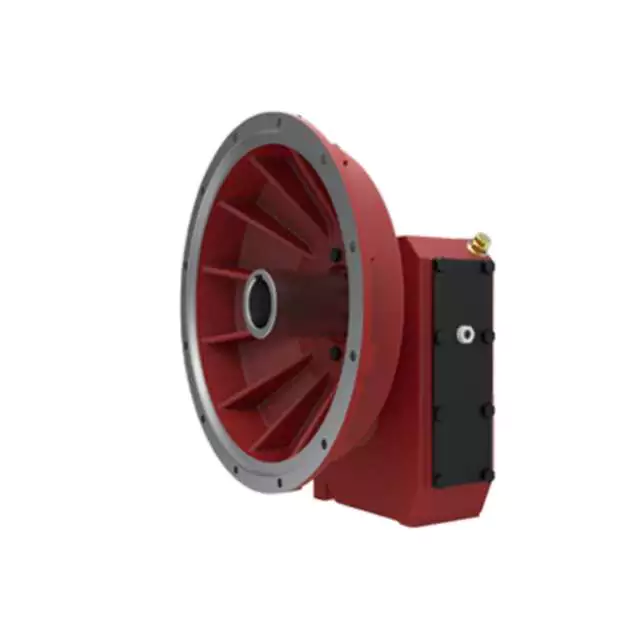
Usando Caixas de Câmbio Agrícolas em Tarefas Especializadas: Preparo e Plantio
As caixas de engrenagens agrícolas são componentes versáteis que desempenham um papel crucial em várias operações agrícolas, incluindo tarefas especializadas como aração e plantio. Veja como as caixas de engrenagens agrícolas são utilizadas nessas tarefas:
- Aragem O revolvimento é uma etapa essencial na preparação do solo para o plantio. As caixas de câmbio agrícolas são usadas em cultivadores montados em tratores para acionar as hastes rotativas que quebram e reviram o solo. As altas capacidades de torque e a eficiência na transmissão de potência da caixa de câmbio permitem que o cultivador trabalhe eficazmente mesmo em condições de solo difíceis. As relações de engrenagem ajustáveis na caixa de câmbio permitem que os operadores controlem a velocidade e a profundidade de penetração do cultivador, otimizando a preparação do solo.
- Plantio: O plantio de precisão requer posicionamento e espaçamento exatos das sementes para maximizar o rendimento da safra. Caixas de engrenagens agrícolas são integradas a equipamentos de plantio para acionar mecanismos que distribuem as sementes uniformemente na profundidade desejada. A capacidade da caixa de engrenagens de transmitir potência com precisão garante o posicionamento consistente das sementes, contribuindo para a germinação e o crescimento uniforme das plantas. Algumas caixas de engrenagens em equipamentos de plantio também oferecem opções de velocidade variável, permitindo que os agricultores ajustem as taxas de plantio com base nos tipos de sementes e nas condições do campo.
Ao permitir a transmissão eficiente de energia e oferecer configurações personalizáveis de velocidade e torque, as caixas de engrenagens agrícolas aumentam a eficácia de tarefas especializadas como aração e plantio. Os agricultores podem confiar nessas caixas de engrenagens para obter preparação ideal do solo e precisão no plantio, contribuindo em última análise para maiores rendimentos de safra.
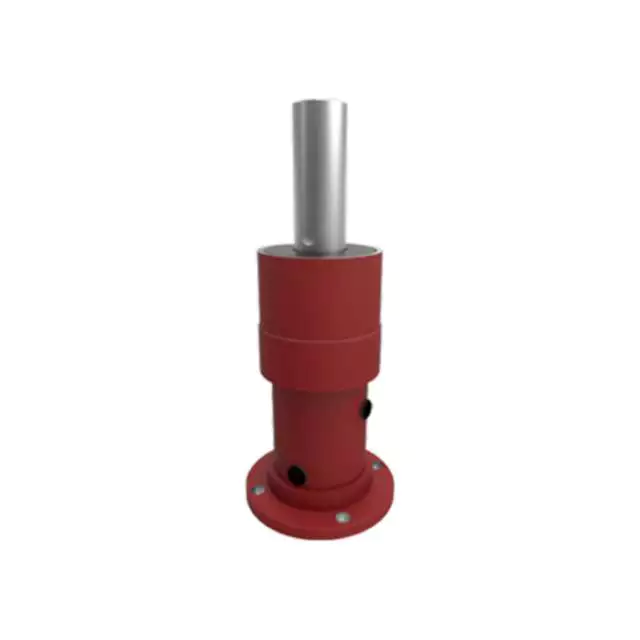
Common Signs of Gearbox Wear and Their Solutions
Gearboxes, like any mechanical components, can experience wear over time due to factors such as friction, load, and operating conditions. Recognizing the common signs of gearbox wear is essential for timely maintenance and avoiding potential breakdowns. Here are some signs to watch out for and the solutions to address them:
- Unusual Noises: Grinding, clicking, or whining noises during operation can indicate worn gears or bearings. Inspect the gearbox for damaged teeth or inadequate lubrication. Replace damaged components and ensure proper lubrication.
- Increased Vibration: Excessive vibration suggests misalignment or imbalance within the gearbox. Check for proper alignment and balance the components if necessary. Also, inspect for worn or damaged shafts or bearings.
- Leakage: Oil or lubricant leaks may indicate worn seals or gaskets. Replace seals and gaskets to prevent leakage and ensure adequate lubrication.
- Slipping Gears: Gears slipping out of engagement or difficulty shifting can point to worn or damaged gear teeth. Inspect gears for signs of wear or chipping, and replace as needed.
- Temperature Increase: Abnormal heat generation can result from increased friction due to worn parts. Check lubrication levels and quality, and replace worn bearings or gears causing excess friction.
- Decreased Performance: Reduced power transmission or output efficiency can indicate wear in the gearbox. Inspect gears, bearings, and other components for signs of wear and replace as necessary.
- Excessive Play: Excessive play or backlash in gears can indicate worn gear teeth or bearings. Inspect components for wear, adjust backlash, and replace worn parts.
Addressing gearbox wear requires routine maintenance, including proper lubrication, alignment checks, and regular inspections. Timely replacement of worn or damaged components can extend the gearbox’s lifespan and maintain optimal performance in various applications.
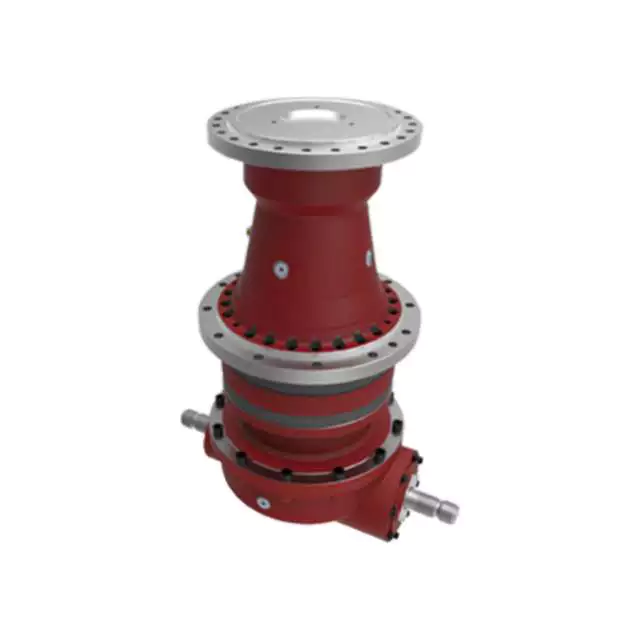
Maintenance Requirements for Agricultural Gearboxes
Maintaining agricultural gearboxes is crucial to ensure the smooth and efficient operation of farming equipment. Proper maintenance helps extend the lifespan of gearboxes and prevents costly breakdowns. Here are the key maintenance requirements:
- Regular Inspections: Conduct routine visual inspections to check for signs of wear, damage, leaks, or misalignment. Regularly inspect gear teeth, seals, and bearings for any issues.
- Lubrication: Proper lubrication is essential to minimize friction and wear in gearboxes. Follow the manufacturer’s guidelines for the type of lubricant to use and the recommended intervals for lubrication.
- Lubricant Checks: Monitor the gearbox’s lubricant levels and quality regularly. Replace or replenish lubricants as needed, and ensure that contaminants are kept out of the lubrication system.
- Tightening Bolts and Fasteners: Check and tighten bolts, nuts, and fasteners to prevent loosening due to vibrations during operation. Loose components can lead to misalignment and premature wear.
- Seal Inspection: Examine seals for leaks and proper sealing. Damaged or worn seals should be replaced promptly to prevent lubricant leakage and the ingress of contaminants.
- Cleaning: Keep gearboxes clean by removing dirt, debris, and residue. Regular cleaning prevents abrasive particles from entering the gearbox and causing damage.
- Alignment: Ensure that gearboxes are properly aligned with connected components, such as shafts and couplings. Misalignment can lead to increased wear and reduced efficiency.
- Temperature Monitoring: Monitor the operating temperature of the gearbox. Abnormal temperature increases may indicate issues like overloading or insufficient lubrication.
- Filter Replacement: If the gearbox has a filtration system, regularly replace or clean the filters to prevent contaminants from entering the gearbox.
- Expert Inspection: Periodically have gearboxes inspected by qualified technicians. They can identify potential problems that may not be visible during routine inspections.
Adhering to these maintenance requirements ensures that agricultural gearboxes remain in optimal condition and contribute to the reliability and efficiency of farming equipment. Regular maintenance not only prevents unexpected downtime but also prolongs the service life of the gearboxes, ultimately benefiting the productivity of agricultural operations.


editor by CX 2023-12-20