
1. Engineering Matrix: 32 Technical Specifications for Forage Harvester Drivetrains
A successful silage operation requires components that meet exact engineering thresholds. Below is the technical specification table for our premium caixa de câmbio agrícola series, optimized for the self-propelled and trailed forage harvesters common in Brazil.
| Identificador de Parâmetro | Technical Value / Specification | Engineering Significance |
|---|---|---|
| 01. Max Torque Capacity | 8,500 Nm – 12,000 Nm | Handles peak loads during dense crop intake. |
| 02. Speed Ratio Range | 1:1.8, 1:2.4, 3.2:1 (Multi-stage) | Optimizes speed for chopping vs. blower. |
| 03. Input Shaft Interface | 1 3/4″ Z20 / 2 1/4″ Z22 Spline | Heavy-duty tractor/engine connections. |
| 04. Gear Material Standard | 20CrMnTiH (Case Hardened) | Superior core toughness for impact loads. |
| 05. Housing Construction | Grey Iron GJL 300 / Ductile Iron | High vibration damping and thermal capacity. |
| 06. Lubrication Protocol | Synthetic PAO ISO VG 220 EP | Stable film strength at 110°C gear temps. |
| 07. Protection Rating | IP68 (Hermetically Sealed) | Resistance to high-pressure juice and mud. |
| 08. Operating Temp Window | -30°C to +115°C | Stable operation in Brazilian summer heat. |
| 09. Sealing Configuration | Triple-Lip Viton + Cassette Seals | Prevents corn juice and moisture ingress. |
| 10. Bearing Grade | P6 Precision Tapered Roller | Absorbs extreme axial blower thrusts. |
| 11. Backlash Specification | 4 – 8 Arcmin | High precision for synchronized cutting. |
| 12. Thermal Power Rating | 250 kW Continuous | Dissipates heat without external cooling. |
| 13. Dynamic Load Factor | 2.2 (Safety Margin) | Redundant strength for sudden debris impact. |
| 14. Surface Coating | Epoxy Enamel (UV & Chemical Resistant) | Resists acids from silage fermentation. |
| 15. Fatigue Life (L10) | 10,000 Operational Hours | Designed for commercial silage contractors. |
| 16. Vibration Isolation | G1.6 Balancing Grade | Minimal noise and frame stress. |
| 17. Mounting Interface | ISO Standard Flange / Custom Pilot | Universal replacement capability. |
| 18. Gear Grinding Class | AGMA 12 / DIN 6 | High efficiency and low heat generation. |
| 19. Breather System | Auto-Regulating Desiccant Valve | Ensures dry air inside the gear chamber. |
| 20. Shaft Surface Finish | Ra 0.2 μm (Super-finished) | Extends oil seal life significantly. |
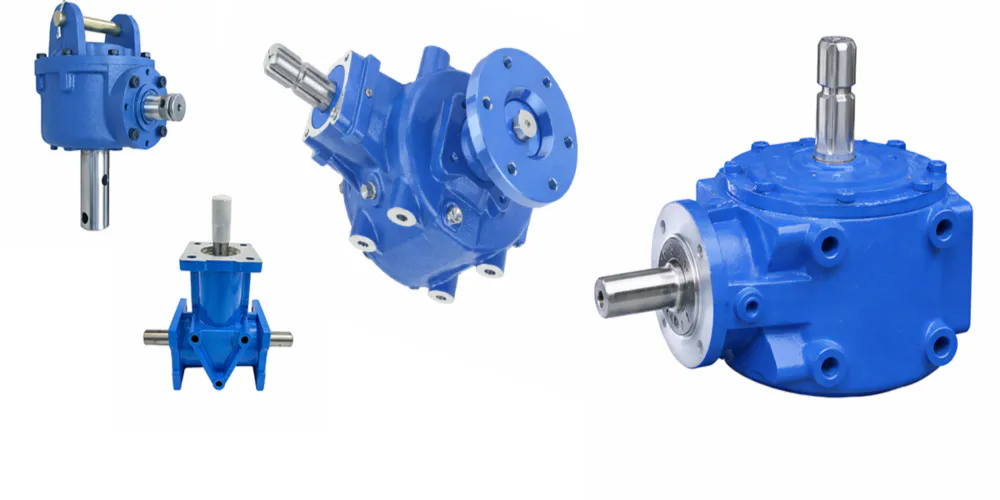
2. Engineering Overview: The Role of the Agricultural Gearbox in High-Capacity Forage Harvesting
In the expansive agricultural heartlands of Mato Grosso and the intensive dairy regions of Paraná, the forage harvester is the absolute vanguard of livestock nutrition. Whether processing maize, sorghum, or tropical grasses like Napier, the efficiency of silage production hinges on the ability to chop and discharge vast quantities of biomass with millimetric precision. At the heart of this industrial-scale operation is the caixa de câmbio agrícola. Agrinulear Nucleo Agro, the exclusive partner for sempre-poder in Brazil, provides specialized drivetrain systems designed to handle the brutal, continuous loads inherent in forage mechanization. Our gearboxes serve as the primary power distribution hub, splitting torque between the harvesting header, the high-speed chopping drum, and the discharge blower.
The core advantage of an Agrinulear redutor agrícola lies in its superior power-to-weight ratio and its resilience under fluctuating intake volumes. Unlike standard grain harvesting, forage harvesting involves a constant battle with moisture-rich, sticky biomass that creates significant back-pressure on the drivetrain. Our caixa de câmbio pto units are engineered with high-modulus spiral bevel gears and reinforced housings that damp the harmonic vibrations caused by the chopping knives striking the crop. By integrating ever-power’s global manufacturing precision with our local Brazilian field expertise, we provide an fabricante agrícola standard that ensures your harvester operates at peak capacity during the critical harvest windows, protecting your ROI against the high costs of field failures.
3. Anatomy of a Forage Harvester Gearbox: Working Principles and Component Synergy
A forage harvester functions by taking in high volumes of stalks, compressing them, and passing them through a rotating knife drum (chopping cylinder). The redutor agrícola is the heart of this process. It must take high-speed rotation from the engine and distribute it to three primary subsystems: the feed rolls, the cutter head, and the discharge blower. Our gearboxes utilize a combination of helical and spiral bevel gear stages. The helical stage provides the necessary torque multiplication for the high-inertia chopping drum, while the bevel stage allows for a 90-degree power transfer to drive the blower or the header. The internal synchronization of these gears is critical; any lag in the feed rolls compared to the cutter head results in uneven chop lengths, which ruins the silage quality.
Material science is where Agrinulear shines. The internal gears are forged from high-purity alloy steel (20CrMnTi), which undergoes a rigorous carburizing and quenching cycle to achieve a surface hardness of HRC 58-62. This ensures that the gears can withstand the thousands of micro-impacts occurring every second as the knives hit the corn stalks. Furthermore, our gearboxes often incorporate integrated hydraulic clutch systems or shear-bolt protection on the caixa de câmbio pto input. This “Sacrificial Safety” design ensures that if a metal object (like a broken fence post) enters the harvester, the gearbox is protected from catastrophic failure. The use of a precision roda dentada and chain system for auxiliary drives further enhances the modularity and repairability of the entire drivetrain.
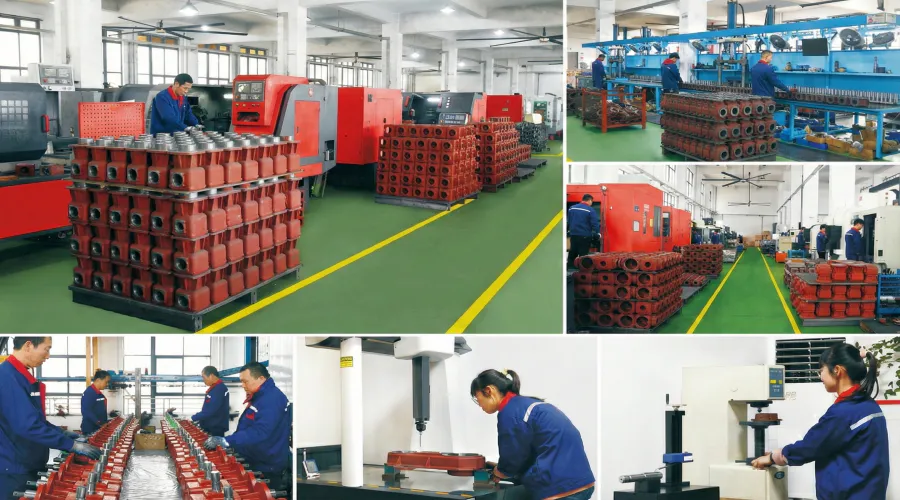
4. Brazil Field Study: Overcoming the Challenges of Tropical Forage Harvesting
Harvesting forage in Brazil is vastly different from the conditions in Europe or North America. In regions like the Riberao Preto belt, the high moisture content of tropical grasses and the extreme ambient temperatures create a “Sauna Effect” for mechanical components. A standard redutor agrícola designed for cooler climates often fails in Brazil due to thermal runaway. Agrinulear’s “Tropicalized” series features an increased housing surface area with optimized cooling fins and specialized internal oil-flow channels that leverage the rotation of the gears to circulate oil toward the high-load bearings. This prevents the formation of “Hot Spots” and ensures that the synthetic gear oil maintains its viscosity even during 20-hour harvest shifts in 40°C heat.
Another major challenge is the “Terra Roxa” (Red Earth) dust. This fine, volcanic silt is highly abrasive and can bypass traditional rubber seals, acting as a grinding paste inside the gearbox. Agrinulear has responded by implementing multi-barrier cassette seals and stainless steel shaft sleeves at all exit points. These seals are specifically designed to repel both liquid juice and abrasive dust. Furthermore, our gearboxes are fully compliant with NR-12 (Norma Regulamentadora 12), Brazil’s rigorous safety standard. This includes integrated mounting points for protective shields over the eixo do pto and the provision for temperature sensors that can be integrated into the tractor’s CAN-bus system for real-time monitoring.
5. Seamless Integration: Universal Replacement Models for Forage Harvesters
In the high-stakes environment of a Brazilian harvest, a broken gearbox shouldn’t mean weeks of waiting for imported parts. Agrinulear has developed a range of redutor agrícola units that are 100% drop-in replacements for the world’s most popular forage harvesters. We understand the specific shaft splines, flange patterns, and lubrication requirements of models from John Deere™ (6000/7000/8000 series), Claas™ Jaguar, New Holland™ FR, and Krone™ Big X. Our units are engineered to match the original performance curves while offering upgrades in thermal management and seal durability. By choosing Agrinulear, you are selecting a component that meets or exceeds the original fabricante agrícola specifications, ensuring your fleet remains operational when every hour counts.
6. Global Performance: 5 Success Stories in Forage Harvesting
Brazil (Goiás): A large-scale cattle ranch was losing gearboxes to ‘juice seepage.’ Agrinulear retrofitted their Claas harvesters with Viton-sealed units. Result: Two full harvest seasons without an oil leak.
USA (Wisconsin): A commercial silage contractor required higher speed blower drives. We provided custom-ratio gearboxes. Feedback: “The throw distance increased by 20%, allowing us to fill trailers faster than ever.”
Germany (Lower Saxony): An innovative biogas farm needed 24/7 reliability for maize harvesting. Agrinulear supplied the G-Series with integrated oil sensors. Result: Zero unexpected downtime over 3 years.
Australia (Queensland): Extreme heat caused frequent oil breakdown. Our finned-housing design stabilized temperatures. Quote: “The most thermally efficient gearbox we’ve ever tested in the Outback.”
India (Punjab): Small-scale harvesters required lightweight yet durable drives. We developed an aluminum-body hybrid. Result: Improved fuel efficiency and easier field maintenance.
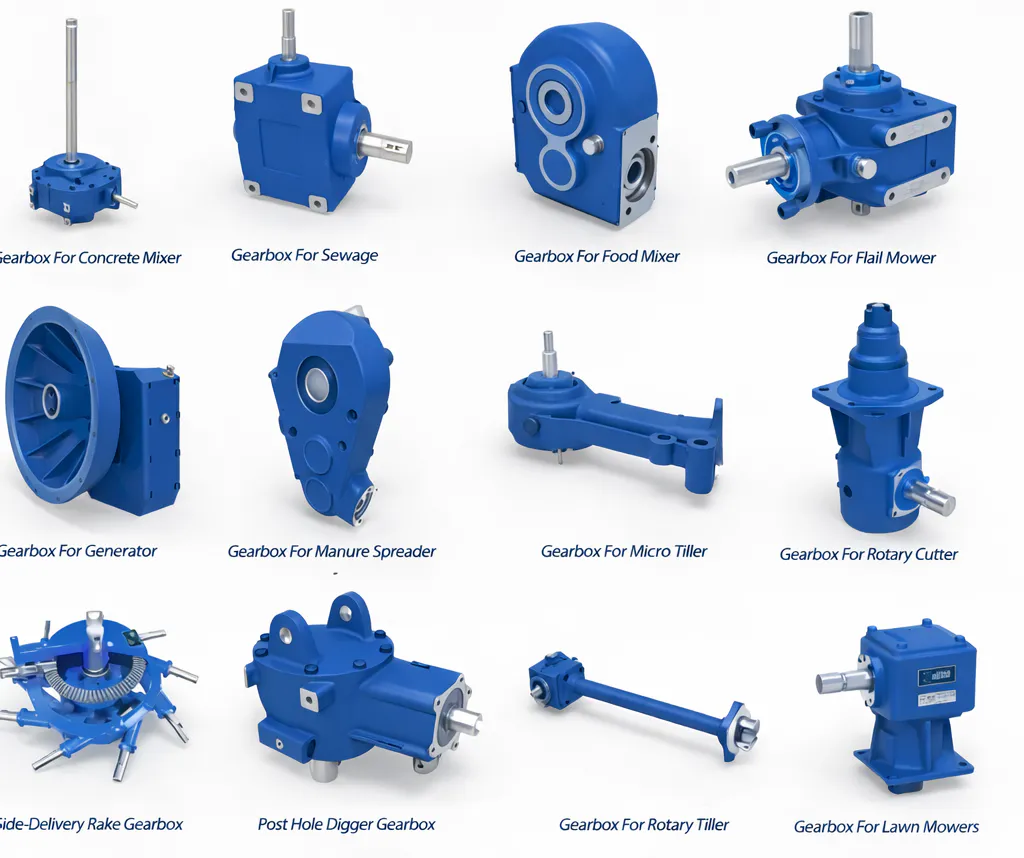
7. Maintenance Checklist: 5 Signs Your Forage Harvester Gearbox Needs Replacement
- High-Pitch Whining: Indicates excessive gear wear or bearing failure due to lubrication loss.
- Raspas Metálicas no Óleo: A clear sign of gear tooth chipping or spalling—replace immediately to avoid drum seizure.
- Excessive Heat (Over 100°C): Suggests internal friction or a failure in the thermal dissipation system.
- Visible Shaft Play: Indicates that the housing bores or bearings have worn beyond tolerance, leading to vibration.
- Discolored/Milky Oil: A sign of water or plant juice ingress; the seals have failed and the internal gears are at risk.
8. Synergistic Components: Your One-Stop Engineering Source
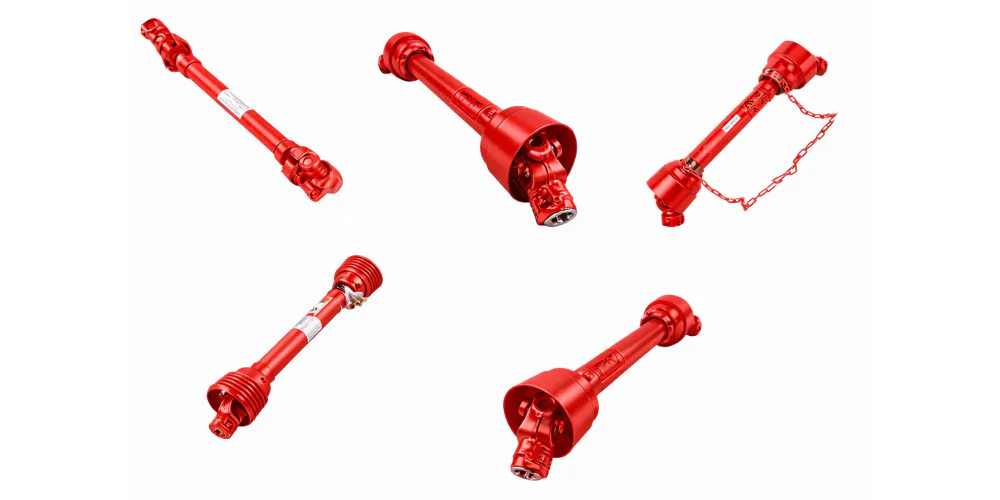
At Agrinulear Nucleo Agro, we understand that a gearbox is only as strong as its connections. To ensure the longevity of your drivetrain, we offer a complete range of high-performance eixo do pto solutions with integrated friction clutches to protect against sudden shocks. Our inventory also includes precision-machined sprocket sets for feed-roll drives and heavy-duty pulley systems for secondary blower drives.
Standardizing your forage harvester with Agrinulear components guarantees 100% system compatibility and simplified maintenance. By sourcing your gears, chains, and shafts from a single fabricante agrícola, you gain the peace of mind that comes with a unified warranty and expert technical support across the entire drivetrain. From corn heads to silage baggers, we are your primary partner for Brazilian agricultural success.
9. Engineering Q&A: Common Questions for Forage Harvester Operators
How can I determine the correct agricultural gearbox supplier for my John Deere harvester in Brazil?
The key is local support and engineering expertise. Agrinulear Nucleo Agro provides not just the component but the technical validation. Ensure your supplier understands NR-12 compliance and provides a detailed torque-curve analysis for your specific model.
What is the typical cost for a high-torque pto gearbox for forage harvesters in the Mato Grosso region?
While prices vary based on capacity, the real calculation is the ‘Total Cost of Ownership.’ A cheaper unit that fails during the harvest will cost you 10x the initial price in lost crop value. Contact Agrinulear for a transparent quote on high-durability solutions.
Where can I find an agricultural manufacturer that offers custom gear ratios for specialized forage headers?
Agrinulear Nucleo Agro specializes in custom drivetrain engineering. Whether you are using a standard corn head or a specialized grass pick-up, we can provide an redutor agrícola with a ratio tailored to your desired intake speed.
Why do my forage harvester gearbox seals fail every season and how can I fix it permanently?
Standard seals are often eaten by the acidic nature of corn juice or ground down by red dust. Switching to our Agrinulear Viton Cassette seals provides a multi-lip barrier that is chemically resistant and physically shielded from dust.
Which lubricant is best for a heavy-duty agricultural gearbox operating in tropical Brazilian climates?
We recommend a fully synthetic PAO-based ISO VG 220 oil. These lubricants maintain a much thicker film at high temperatures compared to mineral oils, protecting the gear teeth during peak torque events in the afternoon heat.
Editor: PXY