
1. Engineering Matrix: 20 Technical Specifications for Rod Conveyor Gearbox Systems
Choosing the right agricultural gear reducer for egg collection requires an analysis of torque density and friction management. Below are the optimized technical parameters for our Rod Conveyor Gearbox series, derived from our global manufacturing expertise and adapted for Brazilian B2B agricultural machinery standards.
| Identificador de Parâmetro | Technical Specification Value | Operational Engineering Context |
|---|---|---|
| 01. Rated Torque Density | 120 Nm – 850 Nm | Accommodates long-span conveyors with high egg volumes. |
| 02. Speed Reduction Ratio | 1:45 to 1:150 (Multi-Stage) | Optimizes rod chain speed for zero-impact egg transport. |
| 03. Input Shaft Configuration | IEC B5/B14 Flange or Keyed Shaft | Compatible with standard Brazilian NEMA/IEC motors. |
| 04. Housing Metallurgy | Ductile Iron QT450 or Aluminum ADC12 | Balances structural rigidity with efficient heat dissipation. |
| 05. Tipo de Geometria da Engrenagem | Planetary-Worm Hybrid | Combines high torque with the safety of self-locking. |
| 06. Ingress Protection (IP) | IP65 / IP67 Fully Hermetic | Protects against ammonia gases and biosecurity mists. |
| 07. Sealing Material | Double-Lip Viton (FKM) Seals | Resistant to high humidity and corrosive barn cleaning. |
| 08. Internal Lubricant | Synthetic PAO ISO VG 220 | Sealed-for-life operation with zero maintenance for 12,000h. |
| 09. Bearing Standard | NSK / SKF Tapered Roller | Absorbs radial loads from rod chain tensioners. |
| 10. Surface Hardness | HRC 58-62 (Carburized Steel) | Resists wear during 24/7 autonomous collection cycles. |
| 11. Thermal Rated Capacity | Up to 45 kW Thermal Handling | Prevents overheating in 40°C Brazilian summer barns. |
| 12. Legal Safety Compliance | NR-12, ABNT, CE Standard | Certified for Brazilian worker safety and insurance audits. |
| 13. Backlash Precision | < 12 Arcmin | Ensures smooth startup to prevent egg “jostling” on rods. |
| 14. Corrosion Treatment | Marine-Grade Epoxy Powder Coat | Withstands biosecurity disinfectants and high ammonia. |
| 15. Transmission Efficiency | Up to 96% Efficient | Reduces energy consumption for large multi-barn integrators. |
| 16. Mounting Orientation | Universal 360-Degree Mounting | Fits compact drive stations in vertical cage systems. |
| 17. Noise Threshold | < 55 dB (Low Stress Drive) | Minimizes animal acoustic stress in laying houses. |
| 18. Impact Safety Factor | SF 2.2 (Ultra Heavy Duty) | Absorbs torque ripples from chain misalignments. |
| 19. Output Shaft Material | 40Cr Stainless or Alloy Steel | High fatigue resistance for continuous drive tension. |
| 20. Diagnostic Integration | Vibration/Thermal Port Available | Supports Agro 4.0 predictive maintenance monitoring. |
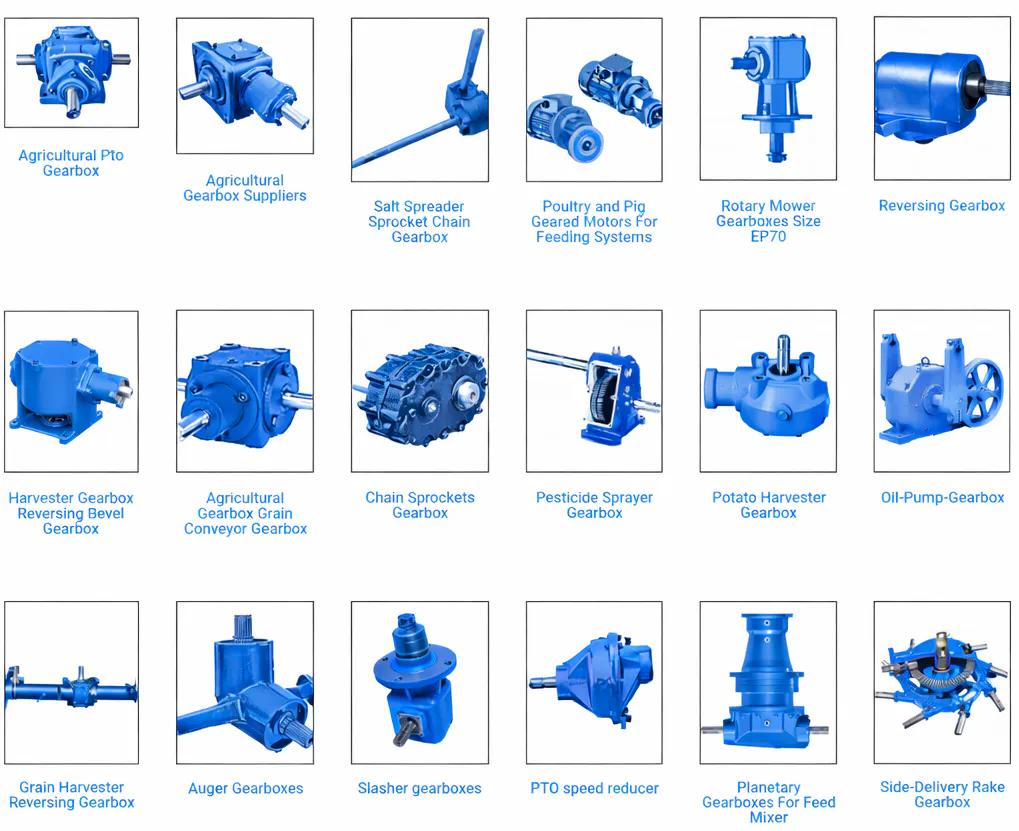
2. Strategic Overview: The Engineering Criticality of the Rod Conveyor Gearbox in Poultry Automation
In the massive poultry hubs of Brazil, such as Bastos in São Paulo and the interior of Minas Gerais, the transition to high-density cage systems and automated egg collection is a fundamental economic necessity. The central component of these systems is the rod conveyor, and its performance is dictated entirely by the Rod Conveyor Gearbox. Unlike standard transmission units, this specialized agricultural gearbox must maintain ultra-consistent torque output to ensure that thousands of eggs are transported without breakage or impact-related damage. Agrinulear Nucleo Agro, the exclusive agency for ever-power in Brazil, offers a robust agricultural gear reducer engineered to manage the high inertia and varying loads associated with long-distance rod conveyor lines. As a leading agricultural manufacturer, we recognize that in Brazil, where poultry barns can reach lengths of over 150 meters, the synchronization of the drivetrain is the difference between a high-yield operation and significant product loss. Our systems are designed to bridge the gap between heavy-duty mechanical reliability and the delicate requirements of egg handling.
The Brazilian poultry sector faces unique environmental stressors, ranging from the high ammonia concentrations within the barns to the extreme humidity of the coastal and southern regions. Our Rod Conveyor Gearbox is tropicalized to withstand these conditions, utilizing advanced sealing technology and anti-corrosive metallurgy that standard industrial reducers lack. In many Brazilian egg production facilities, downtime during peak laying hours can lead to egg accumulation and catastrophic belt jams. By integrating oversized service factors and precision-ground gear sets, ever-power provides an agricultural gearbox solution that ensures 24/7 reliability. This technical dossier explores the synergy between planetary-worm hybrids and electronic speed control, providing a blueprint for Brazilian integrators who aim to lead the market in automated egg logistics and Agro 4.0 integration.
3. The Mechanics of Egg Collection: How the Rod Conveyor Gearbox Powerhouse Operates
An automated egg collection system is a delicate mechanical chain where the Rod Conveyor Gearbox serves as the central brain and muscle. The system operates by moving a series of parallel steel or nylon rods connected by a side chain. The gearbox must deliver constant linear speed across these rods to prevent eggs from rolling against each other. By utilizing a high-ratio agricultural gear reducer, the drivetrain converts the high-speed electrical input into the slow, steady pull required for the collection chain. In the Agrinulear ever-power design, we emphasize the use of a “Dual-Worm” or “Planetary” configuration which provides a high degree of static friction. This is essential in Brazil, where power fluctuations can occur; the self-locking nature of the gear set ensures that the conveyor does not roll backward under the weight of thousands of eggs if the motor stops, which would otherwise result in catastrophic pile-ups at the collection points.
Material science is critical in the construction of a world-class Rod Conveyor Gearbox. The internal gear teeth are precision-ground to AGMA 11 standards, minimizing mechanical noise and heat buildup. As an experienced agricultural manufacturer, we treat our internal components with a proprietary nitriding process that creates a wear-resistant skin while maintaining a ductile core. This allows the gearbox to absorb the sudden mechanical shocks that occur if a foreign object jams the rod chain. Furthermore, the external housing is designed with optimized cooling fins. In the humid, closed environment of a poultry house, traditional gearboxes often suffer from “thermal soak,” where the internal oil breaks down and loses its load-carrying capacity. Our Intelligent Temperature Control Gearbox technology is embedded into these units, ensuring that the Rod Conveyor Gearbox remains cool even during the peak “Safra” seasons in the Brazilian Northeast.
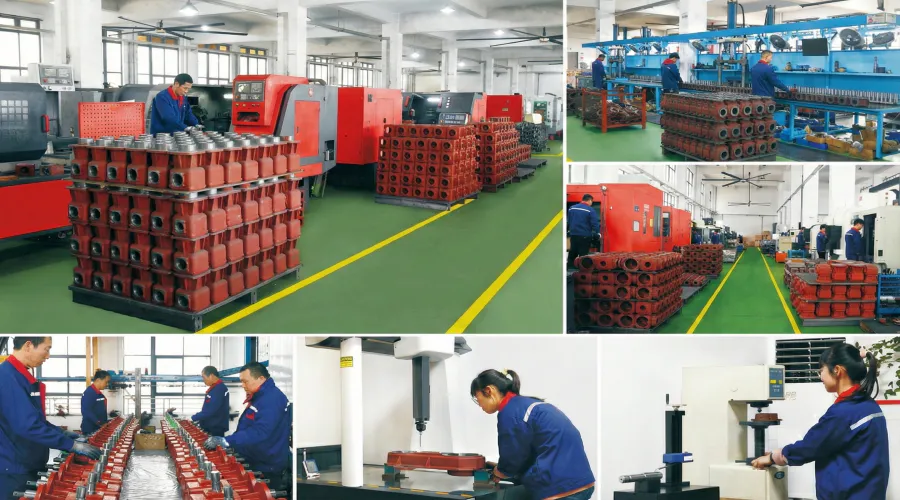
4. Brazil Extreme Operating Conditions Field Study: Adapting Rod Conveyor Gearbox Units to the Poultry Belt
The Brazilian poultry integrator model requires extreme mechanical uptime to maintain the cold-chain and export quality. From the dusty environments of Bastos, SP, to the humid regions of Santa Catarina, our field studies with Agrinulear Nucleo Agro have identified Ammonia Vapor and Fine Feed Dust as the primary killers of transmission systems. Ammonia is highly corrosive to standard rubber seals and bronze gears. Our Rod Conveyor Gearbox features a specific “Ammonia-Shield” protocol, using Viton (FKM) seals that do not harden or crack when exposed to barn gases. Furthermore, the pto gearbox inspired durability of our units allows them to handle the high chain tension required for vertical elevators—a common feature in Brazilian multi-tier cage houses. By ensuring the gearbox can operate at 100% duty cycle, we eliminate the “bottleneck effect” that occurs when slow collection drives limit the overall farm production speed.
In the Mato Grosso agricultural frontier, where barn lengths are expanding to accommodate larger flocks, the Rod Conveyor Gearbox faces immense torsional stress. A gearbox with a low service factor will eventually suffer from shaft fatigue or gear tooth fracture under the weight of a full collection cycle. Agrinulear gearboxes are built with a service factor (SF) of 2.2, significantly higher than European counterparts designed for smaller farms. We have demonstrated that integrators in Brazil who switch to ever-power systems experience a 22% reduction in drivetrain-related egg breakage. This is due to the smooth, ripple-free power transmission provided by our precision-ground spiral bevel gears. By reducing the mechanical “jerk” during chain starts, our agricultural gear reducer protects the structural integrity of the eggs, directly impacting the profitability of the B2B client through improved “Grade A” yield and lower energy bills across the poultry complex.
5. Industry Trend Analysis: The Future of Rod Conveyor Gearbox Integration in Agro 4.0
The Brazilian egg industry is rapidly digitizing, moving toward “Total House Automation.” The Rod Conveyor Gearbox is no longer a standalone mechanical part but an integrated node in a smart logistics network. The trend is moving toward Variable Frequency Drive (VFD) synchronization, where multiple gearboxes along a collection line adjust their speed in real-time based on the flow rate of eggs from individual cages. This requires an agricultural gear reducer that can maintain high torque even at ultra-low frequencies without overheating. Agrinulear is currently deploying units equipped with internal thermal sensors that communicate directly with the farm’s central PLC. This allows for predictive maintenance—the gearbox can “tell” the manager if a bearing is wearing out before it fails. By 2027, we anticipate that self-lubricating smart-drives will be the standard for Brazilian integrators, and our Rod Conveyor Gearbox architecture is already pre-configured for this digital leap to ensure zero-stoppage logistics.
6. Brazilian Legal Compliance & Maintenance Alert:
Compliance with NR-12 is mandatory for any poultry equipment sold in Brazil. This regulation ensures that all rotating shafts and drive units are fully guarded and feature emergency stop interfaces. Our Rod Conveyor Gearbox is fully NR-12 compliant, designed with a smooth exterior to prevent debris accumulation and ease biosecurity cleaning. Beyond legalities, preventing a “Safra” stoppage requires proactive monitoring. Here are the 5 signs our engineers look for during poultry farm audits:
- The “Ammonia Sweat”: If the output shaft seal appears damp and attracts dust, the Viton material has been compromised. In a poultry barn, this allows caustic gases to enter, which will eventually dissolve the internal gear lubrication.
- Synchronized “Stutter”: If the rod chain jerks during startup, the internal backlash has exceeded tolerances. This is dangerous as it causes eggs to bounce on the rods, leading to invisible micro-cracks and product downgrades.
- Excessive Heat at the Input Flange: A sign that the internal bearings are reaching their fatigue limit. If the housing exceeds 85°C, the agricultural gear reducer is at risk of imminent seizure.
- Metallic Whining Sound: Indicates that the carburized surface of the gears has worn away. You are now running on the softer core material, and a total gear failure will occur within weeks.
- Descoloração de óleo: If the sight-glass shows black or “foamy” oil, the synthetic lubricant has broken down due to thermal stress. As an agricultural manufacturer, we recommend immediate flushing to protect the gear teeth.
7. Synergistic Drivetrain Components: Your One-Stop Engineering Source
At Agrinulear Nucleo Agro, we understand that a high-performance Rod Conveyor Gearbox is only as strong as the components it synchronizes with. To ensure maximum reliability for your egg collection line, we also manufacture and supply precision-grade roda dentada systems that drive the rod chains with minimal friction. By standardizing your entire collection facility with ever-power components, you eliminate the risk of mechanical mismatch that often occurs when mixing different industrial brands. Our engineering team ensures that every agricultural gear reducer, rod chain, and drive mechanism is perfectly synchronized, providing you with a unified technical support protocol and a simplified spare parts inventory. This commitment to the One-Stop Shop philosophy is why we are the trusted partner for Brazil’s leading poultry integrators and egg producers.

8. Expert Q&A: Common Questions for Brazilian Egg Collection Managers
How can I find a reliable Rod Conveyor Gearbox supplier in Brazil that understands the NR-12 machinery safety laws?
The most reliable supplier is one with local engineering presence. Agrinulear Nucleo Agro provides fully compliant ever-power drivetrain systems, complete with technical documentation and safety integration advice specifically for the Brazilian poultry sector’s B2B requirements.
What is the typical cost for retrofitting high-torque agricultural gear reducer units onto an existing multi-tier egg collection system?
While the initial investment is higher than generic drives, the ROI is usually achieved within 14 months through 20% lower egg breakage and zero maintenance downtime. Contact us for a customized quote based on your barn’s capacity and conveyor length.
Which agricultural manufacturer in Brazil offers Rod Conveyor Gearbox units with the best IP67 protection against manure gases?
Ever-power, represented by Agrinulear Nucleo Agro, utilizes a proprietary Ammonia-Shield technology. Our agricultural gearbox units are specifically tested in high-humidity poultry environments to ensure zero particulate or gas ingress into the gear chamber.
Where can I buy pto gearbox units that are compatible with egg collection backup generators in the Cerrado region?
Agrinulear specializes in universal splined and flanged interfaces. We provide pto gearbox units that fit perfectly with standard Brazilian tractor outputs, ensuring your collection system stays powered during regional grid failures.
Why do standard conveyor gearbox seals fail so frequently during the humid summers of the Brazilian poultry belt?
High humidity and temperature cause internal pressure spikes. Our gearboxes feature pressure-relief breathers and high-grade Viton seals that maintain their integrity even during the extreme tropical cycles of Bastos and Minas Gerais.
How do I choose between a planetary and a worm gear reducer for a heavy central egg elevator?
For vertical elevators, a planetary-worm hybrid is ideal. It offers the high torque density of planetary gears with the self-locking safety of a worm gear, essential for the Rod Conveyor Gearbox series.
Are your agricultural gear reducer systems compatible with 220V single-phase motors for smaller family-owned poultry farms in the South?
Yes, all ever-power units supplied by Agrinulear are available with modular flanges compatible with both single and three-phase motors, allowing for seamless integration with varied rural power infrastructure in Brazil.
What maintenance schedule is recommended for a Rod Conveyor Gearbox operating in a 24/7 commercial layer barn?
We recommend a quarterly external cleaning to prevent dust buildup, a biannual seal inspection, and an annual check of the gear backlash to ensure the agricultural gear reducer internals remain protected from environmental debris.
Can a single Rod Conveyor Gearbox drive multiple collection lines using a shared drive shaft or secondary chain?
Yes, by using a secondary output shaft or a tandem gearbox configuration. Our engineering team can calculate the total torsional load to ensure the agricultural gearbox is sized correctly for maximum multi-line collection efficiency.
Why is the Service Factor (SF) so important for automated egg collection systems in the Brazilian interior?
The Service Factor is your safety net against chain jams and power surges. An SF of 2.2 means the gearbox can handle over double its rated load, which is essential for surviving the high-load events of the Brazilian Cerrado poultry hubs.
Editor: PXY