Descripción
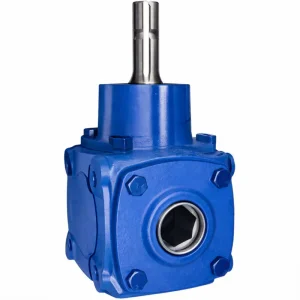
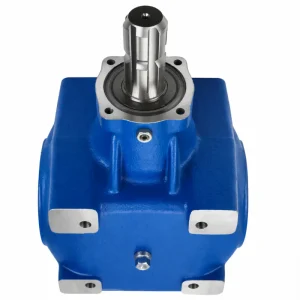
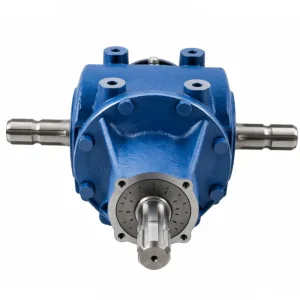
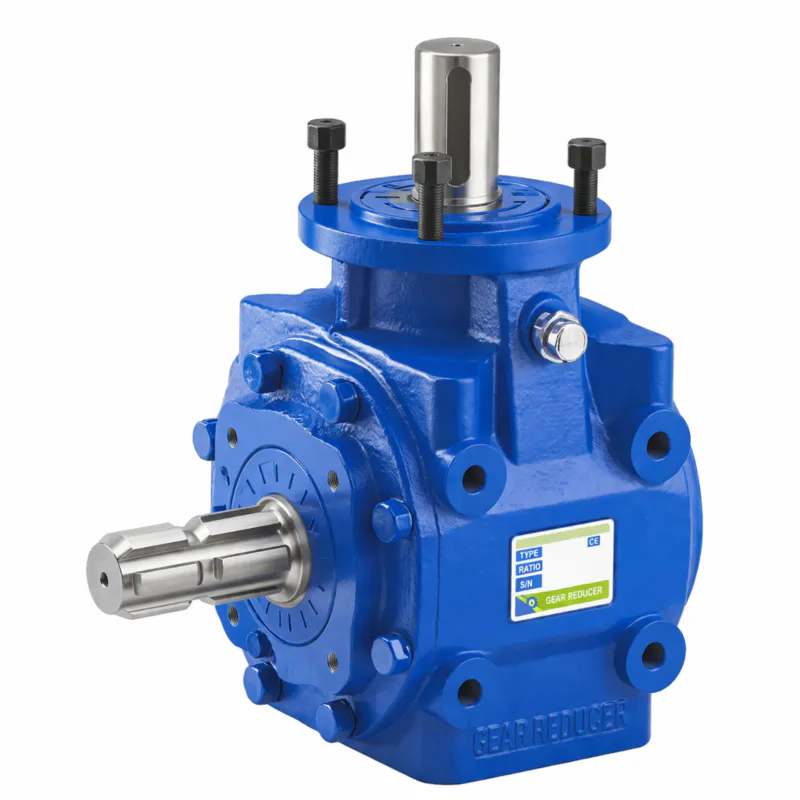
EP-9.310 Rotary Tiller Cultivator Gearbox for Agricultural
SKU: EP-9.310 | Category: Rotary Tiller Gearbox / Agricultural Gearbox / Bevel Gearboxes
The EP-9.310 is a heavy-duty Rotary Tiller Cultivator Gearbox engineered for tractors ranging from 12 HP to 80 HP. Designed with a middle gear transmission system, this gearbox delivers consistent performance across dry fields, paddy fields, and compacted soils — making it a preferred agricultural gearbox for rotary tiller applications throughout Brazil and South America.
1. Technical Specifications — EP-9.310 Rotary Tiller Cultivator Gearbox
The table below lists 20 key technical parameters for the EP-9.310. Engineers specifying a rotary tiller gearbox replacement or evaluating rotary tiller gearbox for tractor parts compatibility should cross-reference these values against their tractor’s PTO category and implement frame requirements.
| ITEM | HC-9.310 Rotary Tiller Gearbox |
| Relación | 1:3 |
| Teeth | 12/36 |
| Module | 3.45 |
| Power(HP) | 30 |
| Rated Input | 540rpm |
| Input/Output Description | 1 3/8 Z6 Optic axis |
| Weight(N.W) | 18KG |
2. Advantages Of EP-9.310 Rotary Tiller Cultivator Gearbox
The EP-9.310 is built around a proven middle gear transmission architecture that channels rotational power from the tractor’s PTO (Power Take-Off) shaft directly to the rotary blades. By adopting a 1:3 ratio between input and output, this Rotary Tiller Cultivator Gearbox multiplies working torque while managing blade speed for optimal soil penetration. Whether your operation involves preparing seedbeds on clay-heavy cerrado soils in Mato Grosso or turning compacted paddy fields in Rio Grande do Sul, the EP-9.310 handles the load with minimal downtime.
One of the standout qualities of this gearbox for rotary tiller is the full coverage of tractor wheel tracks after each tillage pass. Since the working width extends beyond the tractor’s footprint, soil disturbance is maximized and subsequent passes are minimized — translating directly into lower fuel consumption and faster field turnaround. For large-scale soybean and sugarcane growers operating across Brazil’s Cerrado and Pantanal borders, this kind of operational efficiency is not a luxury; it is a production necessity.
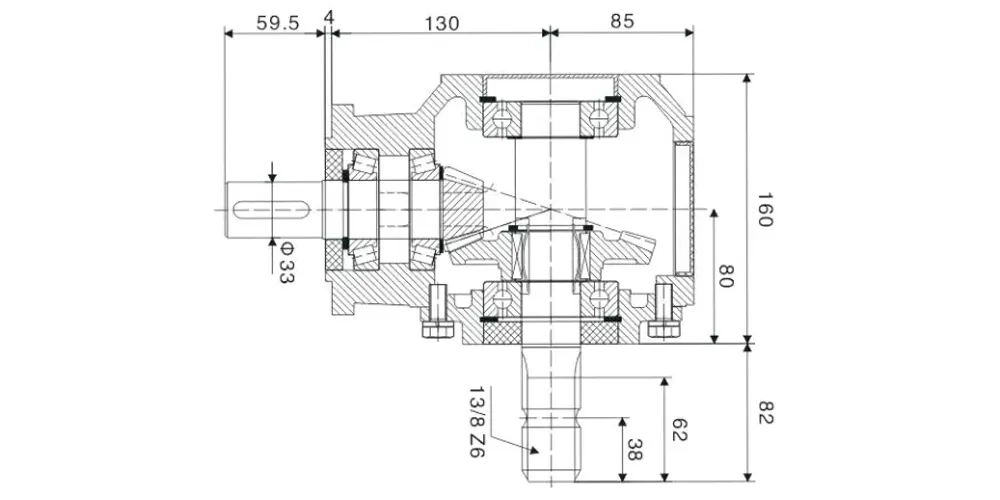
Constructed from high-grade cast iron, the gearbox body resists fractures under repeated field loads. Internal components — including bevel gears with a 12/36 tooth profile and a module of 3.45 — are precision-machined to tight tolerances, ensuring smooth power flow and extended service life. The entire assembly weighs 18 kg net, making it manageable for single-operator installation and replacement, which is a meaningful advantage in remote farming regions with limited workshop access.
3. What Is a Rotary Tiller and How Does the Gearbox Fit In?
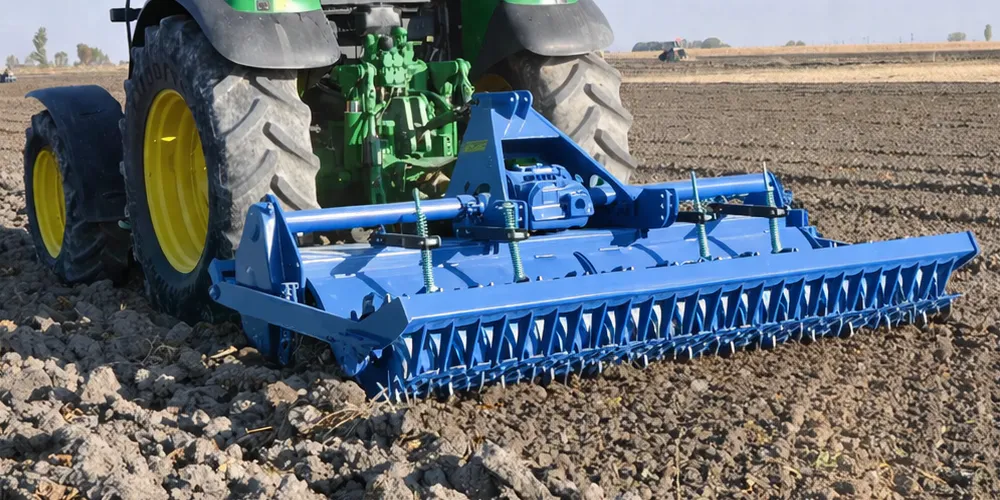
A rotary tiller — also referred to as a rotary cultivator, power cultivator, rotary hoe, or rototiller — is a soil preparation implement that uses rotating blades or tines to break up, aerate, and turn the earth. It can be self-propelled or attached to a two- or four-wheel tractor via a three-point linkage and PTO connection. Rotary tillers are deployed in family vegetable gardens, large grain farms, sugarcane fields, and even infrastructure projects like pipeline-corridor preparation and road base clearing.
The Rotary Tiller Gearbox is the mechanical heart of the entire implement. Without it, the PTO shaft’s rotational input cannot be transformed into the correct speed and torque profile required by the cutting blades. The EP-9.310, functioning as a tractor rotary tiller gearbox, sits at the center of the machine and redistributes power to both sides of the tine shaft. Its bevel gear set changes the axis of rotation by 90 degrees, redirecting power from the longitudinal PTO input to the transverse blade shaft — a fundamental mechanical necessity that defines the geometry of any horizontal-axis rotary cultivator.
4. How Does the EP-9.310 Rotary Tiller Gearbox Work?
Power flow through the EP-9.310 begins at the 1-3/8 inch, 6-spline (Z6) input shaft, which connects directly to the tractor’s standard Category 1 or Category 2 PTO stub at 540 RPM. Inside the cast-iron housing, a bevel pinion gear with 12 teeth meshes with a 36-tooth crown gear — producing the 1:3 ratio that slows output speed while tripling torque delivery to the tine shaft. This transformation is essential: rotary tines require high torque at moderate speed to cut through soil without stalling or overheating the drivetrain.
The output shaft runs transversely through the machine and drives the L-shaped or C-shaped blades mounted on the rotor. As the blades rotate, they impact and fragment soil clods, invert soil layers, and incorporate surface residue — preparing a fine, level seedbed. The side protection plates added to the rear deflection hood contain the flying soil debris within the working width, protecting the operator, nearby equipment, and adjacent crop rows. An adjustable chain tensioner allows field-side chain slack correction without tools, reducing the maintenance burden during long-season operations.
Because tilling depth is adjustable, operators can dial in the penetration from a shallow 8 cm cultivation pass for weed incorporation to a full 18–20 cm deep tillage pass for primary land preparation. This flexibility makes the EP-9.310 suitable across an entire growing calendar, from pre-planting primary tillage to inter-row cultivation and post-harvest residue management — a complete power tiller rotary gearbox solution for year-round farm productivity.
5. Five Key Advantages of the EP-9.310 Rotary Tiller Cultivator Gearbox
Cast Iron Housing for Long Field Life
The gearbox body is cast from high-tensile gray iron, offering superior fracture resistance under the cyclic shock loads typical of stone-riddled Brazilian fields. Unlike aluminum alloy alternatives, cast iron retains dimensional stability across wide temperature swings from early morning frost to afternoon tropical heat.
Full Wheel-Track Coverage After Every Pass
The EP-9.310’s working width exceeds the tractor wheel spacing, so every tillage pass covers the wheel impression left by the previous run. This eliminates the compacted ruts that otherwise impede root development and drainage — a critical advantage for sugarcane and soybean stands in compaction-prone Oxisol soils.
Tool-Free Adjustable Chain Tensioner
The hand-adjustable chain device lets operators correct tension at the headland without reaching for a wrench or dismounting repeatedly. Proper chain tension is the single most common maintenance point on rotary tillers; making it faster and easier directly reduces field downtime across high-hour seasons.
Dual-Field Capability: Dry and Paddy
The sealed bearing arrangement and robust shaft design allow continuous use in flooded paddy conditions without corrosion-accelerated failure. This dual capability means one gearbox serves seasonal crop rotations — rice in wet season, soybeans or corn in dry season — maximizing the return on capital investment per machine.
Broad Tractor Compatibility (12–80 HP)
With compatibility covering tractors from compact 12 HP walk-behind models up to 80 HP category-2 units, the EP-9.310 fits the tractor fleets of smallholder farmers in Northeast Brazil as well as commercial operations in the Cerrado frontier. The 1-3/8 Z6 spline interface matches the most common PTO stub standard worldwide.
6. Material Construction of the EP-9.310
Every component in the EP-9.310 Rotary Tiller Cultivator Gearbox has been selected for durability under the specific stress profiles of agricultural tillage. The main housing is cast from HT250 gray cast iron, a material that combines vibration-damping properties with compressive strength — two qualities that matter enormously in a device subject to continuous impact loading from stone strikes and blade-soil resistance spikes.
The bevel gears themselves are manufactured from 20CrMnTi low-carbon alloy steel, which undergoes carburization followed by quenching and tempering. This heat treatment process drives carbon into the surface layer to a depth of 0.8–1.2 mm, producing a case hardness of HRC 58–62 while preserving a tough, ductile core. The result is a gear that can absorb sudden shock loads without brittle fracture — a critical failure mode for any rotary tiller gearbox for tractor replacement operating in rocky or root-embedded soils.
Tapered roller bearings (30208 / 32207 series) handle the combined radial and axial loads generated by bevel gear mesh forces. Their L10 design life exceeds 3,000 operating hours under rated conditions, meaning a properly lubricated EP-9.310 can complete multiple full field seasons before bearing replacement is required. All external fasteners are zinc-electroplated carbon steel (Grade 8.8) for corrosion resistance in high-humidity tropical environments, while oil seals use NBR (nitrile rubber) rated for continuous oil submersion.
7. Application Scenarios for the EP-9.310 Rotary Tiller Gearbox
The EP-9.310 is not a single-use component. Its versatile power profile makes it at home in a range of agricultural machinery configurations across a wide range of field conditions. Below are the primary machine types and operations where this gearbox rotary cultivator delivers proven value.
Feed Blenders
In livestock operations, rotary tiller gearbox assemblies power paddle and auger mixing systems for silage, dry feed, and forage blending. The EP-9.310’s 1:3 ratio provides the torque density required to blend dense material blends without exceeding the motor’s load limits.
Flail Mowers
Heavy-duty flail mowers used for orchard undergrowth management, roadside clearing, and stubble mulching depend on a reliable pto tiller gearbox to transfer PTO speed and torque to the rotor. The EP-9.310’s sealed housing resists the debris ingestion common in this application.
Potato Harvesters
Potato lifting machines use a gearbox to drive both the digging share and the cleaning elevator. The EP-9.310 provides the consistent mid-range torque these machines need to lift rows of tubers cleanly from Brazilian sandy loam soils without leaving behind broken potatoes or damaging the harvest.
Pump Drives
PTO-driven irrigation pumps across the Brazilian Cerrado and semi-arid Northeast rely on a compact, reliable gearbox to step down and redirect input power to the pump shaft. The EP-9.310’s 1:3 ratio and 540 RPM rated input make it directly compatible with standard centrifugal irrigation pump speed requirements.
Rock Pickers
Stone and rock removal machines operating in newly cleared Cerrado and Atlantic Forest transitional land use a rotary drive gearbox to power their picking rotors. The cast iron housing of the EP-9.310 withstands the severe impact loads and vibration inherent in this demanding application.
8. Regulatory Standards and Compliance — Brazil and International Markets
Brasil (Mercado Brasileiro)
In Brazil, agricultural machinery and their components fall under the oversight of MAPA (Ministério da Agricultura, Pecuária e Abastecimento) and INMETRO (Instituto Nacional de Metrologia, Qualidade e Tecnologia). Rotary tillers and their drivetrain components sold in Brazil must comply with NBR standards published by ABNT (Associação Brasileira de Normas Técnicas), particularly NBR 10895 (Máquinas para Agricultura — Segurança) and related machinery safety norms. PTO-connected implements must also conform to ABNT NBR ISO 11684 guidelines covering safety signs and hazard communication on agricultural machinery. The EP-9.310’s PTO interface is manufactured to ISO 500 dimensional standards, ensuring direct compatibility with Brazilian tractor fleets from brands like AGCO Fendt, CNH (New Holland / Case IH), John Deere, Massey Ferguson, and Valtra — all of which maintain major operations and dealer networks across the country.
European Union
For buyers operating in EU member states or importing into EU markets, agricultural machinery gearboxes must comply with the EU Machinery Directive 2006/42/EC (to be replaced by EU Machinery Regulation 2023/1230 from January 2027). CE marking is required for complete rotary tiller machines, and component gearboxes must meet the essential health and safety requirements defined in Annex I of the Directive. Relevant harmonized standards include EN ISO 11684 (safety signs), EN ISO 4254-1 (agricultural machinery — safety — general requirements), and EN 563 (safety of machinery — temperatures of touchable surfaces).
United States and Canada
The American Society of Agricultural and Biological Engineers (ASABE) standard S201 defines PTO shaft dimensions and safety shielding requirements applicable to the EP-9.310’s 1-3/8 Z6 input shaft. OSHA 29 CFR 1928 (Occupational Safety and Health Standards for Agricultural Operations) requires adequate guarding of PTO couplings. Canada’s CGSB and provincial farm machinery safety regulations echo similar requirements. Importers should verify current CBSA admissibility requirements for cast iron gearboxes under HS code 8483.40.
Australia and New Zealand
AS/NZS 4024 (Safety of Machinery) and the Australian Standard AS 2669 cover agricultural machinery power transmission requirements. The EP-9.310 aligns with these requirements by design and may be subject to registration under state-level farm vehicle codes in Queensland, New South Wales, and Victoria when incorporated into mobile field equipment.
ISO International Standards
Key international standards governing gearbox design and quality include ISO 6336 (Calculation of Load Capacity of Spur and Helical Gears), ISO 9001:2015 (Quality Management Systems), ISO 1328 (Cylindrical and bevel gear accuracy), and ISO 54 (Gear module series). Buyers sourcing rotary tiller gearbox suppliers for professional agricultural operations should request documentation confirming conformance to these standards.
9. About Us
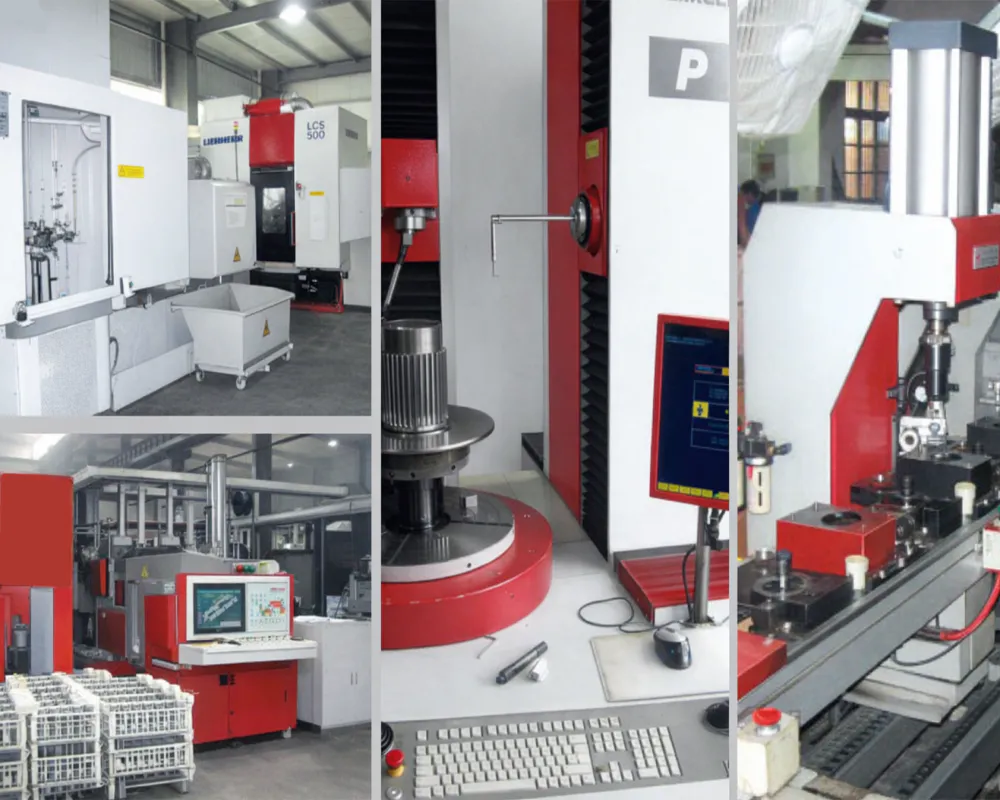
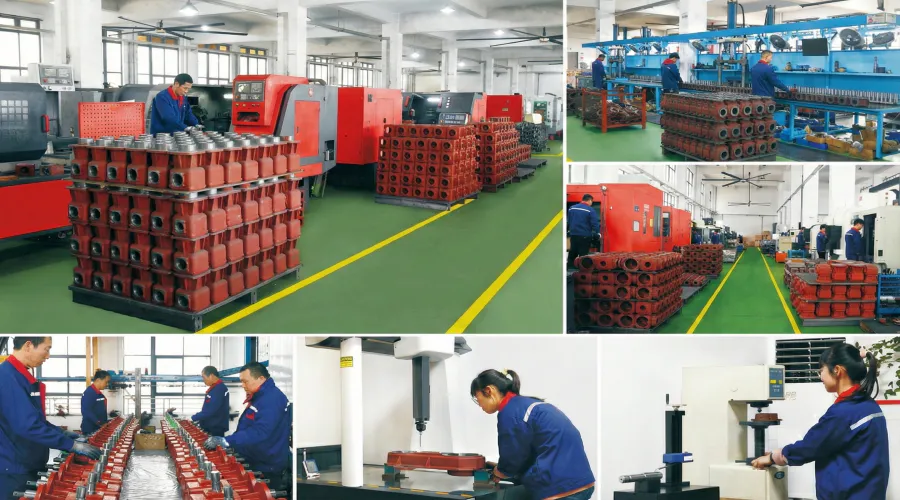
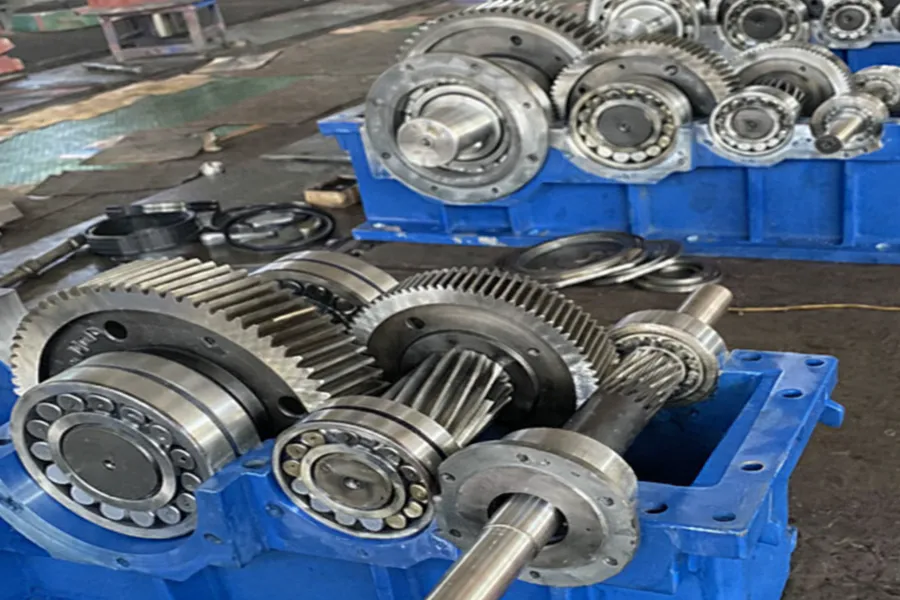
We are a specialized manufacturer of agricultural transmission components with decades of concentrated experience in rotary tiller gearbox design, production, and export. Our production facility houses CNC gear hobbing machines, coordinate measuring equipment, heat treatment furnaces, and dedicated assembly and testing lines. Every Rotary Tiller Cultivator Gearbox that leaves our floor has passed dimensional inspection, gear mesh quality check, and a no-load run-in test before packaging.
We hold ISO 9001:2015 certification across our core manufacturing processes. Our engineering team is available to support custom drawings, OEM branding, and non-standard ratio configurations for buyers with specific application requirements. From small sample orders to full-container production runs, we maintain flexible manufacturing scheduling to serve both small importers and large-scale distributors of agricultural gearbox for rotary tiller machinery.
WorkShop
10. Related Products: Complete Agricultural Drivetrain System
A high-performance Rotary Tiller Cultivator Gearbox is only one element of a full agricultural power transmission system. To simplify sourcing and ensure component compatibility, we also supply the PTO shafts and drive accessories that work in direct conjunction with the EP-9.310. This one-stop-supply approach reduces the risk of mismatched shaft dimensions, spline incompatibilities, or torque rating mismatches that arise from multi-supplier procurement.
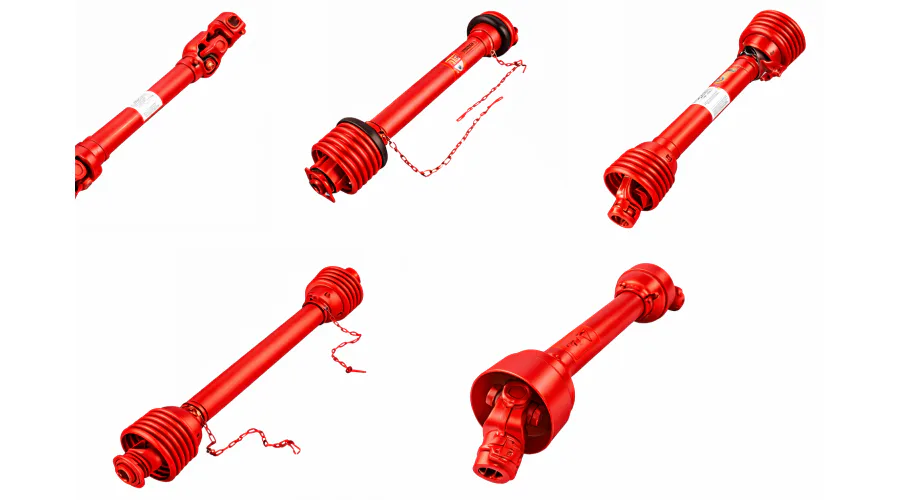
PTO Shafts — Direct-Fit Companion
The EP-9.310 uses a standard 1-3/8 inch 6-spline input, which is the same interface specification used by the most widely stocked PTO shaft series. Sourcing your PTO shaft from the same supply chain as your gearbox ensures matched torque ratings and compatible safety shielding dimensions. Learn more about our compatible Ejes de Toma de Fuerza.
Drive Chains & Sprockets
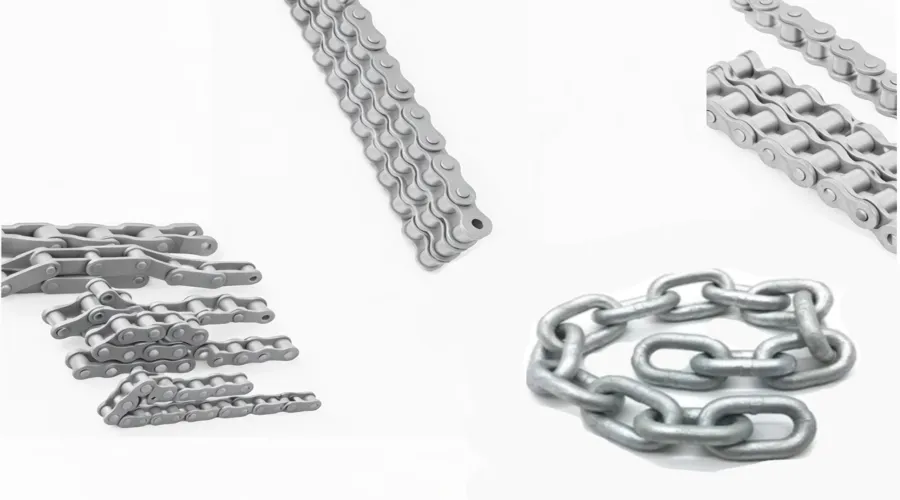
The EP-9.310 features an internal chain drive stage alongside its bevel gear set. We supply matched roller chains and hardened steel sprockets rated for the load cycles of continuous agricultural use. Using factory-matched chain and sprocket sets extends the service interval and eliminates the chain-stretch mismatch common when replacement parts are sourced from general industrial suppliers.

Frequently Asked Questions — Rotary Tiller Cultivator Gearbox
Q1. What is the best rotary tiller gearbox for a 40 HP tractor used in soybean fields in Brazil?
For a 40 HP tractor operating in Brazilian soybean fields, the EP-9.310 is a well-matched choice. Its rated power of 30 HP provides a comfortable service factor when paired with a 40 HP tractor, absorbing torque spikes from root-tangled or compacted Cerrado Oxisol soils. The 1:3 gear ratio delivers the blade shaft speed that produces the fine tilth soybean seeds require at planting depth.
Q2. How does a rotary tiller cultivator gearbox actually work, and what is the bevel gear’s role in the transmission?
The gearbox receives longitudinal rotation from the PTO shaft at 540 RPM and uses a bevel pinion (12 teeth) meshing with a crown gear (36 teeth) to redirect power at 90 degrees and reduce speed to 180 RPM at the blade shaft. This 90-degree axis change is geometrically necessary because the PTO runs front-to-back along the tractor centreline while the tine rotor runs side-to-side across the implement width. The 1:3 ratio multiplies torque proportionally (minus transmission losses), giving the blades enough cutting force to penetrate dense soils.
Q3. How do I know if the EP-9.310 rotary tiller top gearbox will fit my existing tiller frame without modifications?
Fit compatibility depends on three dimensions: the center distance between mounting bolt holes, the output shaft diameter and keyway size, and the housing envelope (L × W × H). The EP-9.310’s approximate housing dimensions are 340 mm × 290 mm × 260 mm. Compare these against your current gearbox’s mounting plate measurements. If your existing gearbox is a 9.310 series or equivalent from another brand, the EP-9.310 is typically a direct bolt-on replacement. Send us your current gearbox drawing or photos and we can confirm fit compatibility before you order.
Q4. How does the power tiller rotary gearbox perform under heavy-clay soil conditions typical of São Paulo state farming regions?
Heavy clay soils — Latossolos and Nitossolos dominant in São Paulo state — impose higher tine resistance and more frequent torque spikes than loam or sandy soils. The EP-9.310 handles these conditions through its service factor of 1.3 and peak-rated 40 HP input capacity, which provides headroom above the 30 HP continuous rating during clay-breaking passes. For primary tillage of dry, shrunk clay soils, operating at a slightly slower ground speed reduces tine impact frequency and extends gearbox life between service intervals.
Q5. What are the advantages and disadvantages of a rotary tiller gearbox compared to a belt-drive tiller transmission?
Gear-driven transmissions like the EP-9.310 offer higher efficiency (typically 95–97% vs. 85–92% for belt drives), more compact packaging, and no belt-slip under load — a critical advantage in wet paddy conditions where belt drives can hydroplane. The main trade-off is that gear drives transmit shock loads directly to the gearbox housing, requiring a higher-grade housing material. Belt drives absorb some shock but require regular tension adjustment and periodic belt replacement. For commercial operations with high annual hours, a gear-driven tiller gearbox provides a lower total cost of ownership.
Q6. Which rotary tiller gearbox parts are most commonly replaced, and how can I get genuine spare parts quickly for my operation in Minas Gerais, Brazil?
The most frequently replaced rotary tiller spare parts gearbox components are output shaft oil seals, tapered roller bearings, and — in high-hour applications — the bevel gear set itself. We supply these as individual spare parts in labelled kit form, and we work with regional distributors in São Paulo and Porto Alegre who can provide local stocking for customers in Minas Gerais and the broader Southeast region. Spare part lead times from factory to Brazilian port typically run 25–35 days by sea freight.
Editor: PXY