
Descripción del producto
UMC is the industry leader in gearbox technology. Over our 40 year history we have introduced many industry changing gearboxes such as the patented TNT gearbox, the 740, the 760, the 775 and more. We continue to define and redefine industry standards for gearbox performance, quality, features and technology. Our gearboxes are purpose built to do the job. Never over-engineered.
UMC stands behind its products and is committed to manufacturing the best products for a global market.
10141-103KU, 740U MASTER WITH SPLINED HYDRAULIC INPUT
Features and Benefits
-
Hydraulic input for direct motor coupling
-
2.25″ diameter steel output shaft
-
50:1 gear ratio
-
Cartridge input and output seals
-
Large input bearings
-
Full cycle external expansion chamber with stainless steel cover
-
11-Bolt mounting pattern
-
External seal protectors for input and output seals
-
Top oil fill plug
-
Filled with extreme pressure gear oil
-
Positive wheel register
10141-105KU, 740U SLAVE
Features and Benefits
-
2.25″ diameter steel output shaft
-
50:1 gear ratio
-
Cartridge input and output seals
-
Large input bearings
-
Full cycle external expansion chamber with stainless steel cover
-
11-Bolt mounting pattern
-
External seal protectors for input and output seals
-
Top oil fill plug
-
Filled with extreme pressure gear oil
-
Dual ended input shaft with a hub cap for the unused end
-
Positive wheel register
TNT-2 Gearbox
Designed for applications where the irrigation system may need to be towed
This gearbox is the perfect solution for a towable irrigation system. Growers typically prefer this gearbox over a gearbox with a towable hub. Simply disengage the worm and tow your system to its working location, then re-engage the worm and you are ready to run. The CX coupler is the perfect compliment for the TNT-2 gearbox due to the ability to control coupler disengagement at the gearbox.
The UMC patented TNT-2 final drive gearbox is designed specifically for applications where a center CZPT or lateral move/ linear irrigation system needs to be towed. The gearbox provides the ability to disengage the worm gear and allows users to move systems from 1 area to another without requiring a Towable Hub add on.
Features and Benefits
- 2.25″ output shaft
- 50:1 gear ratio
- Dual input seals with triple lip output seals
- Bronze gear optional
- Input shaft guard
- External seal protectors for input and output seals
- Top oil fill plug
- 11-Bolt mounting pattern
- Full cycle expansion chamber with stainless steel cover
- Filled with extreme pressure worm gear oil
- Steel output shaft and input shaft
- Tapered roller bearings
- Includes carriage bolts and nuts
- Dual ended input shaft
UMC PLANETARY WHEEL DRIVE GEARBOX, 68:1,Features and Benefits:
1) Planetary gearboxes can replace TL
2) Hydraulic input for direct motor coupling
3) Quick acting is standard for more versatility
4) 24:1 or 68:1 gear ratio
5) 9-bolt wheel flange pattern
6) CZPT output torque of 66,200 in-lbs
7) Filled with lithium grease
UMC is the industry leader in gearbox technology. Over 37 year history they have introduced many industry changing gearboxes such as the patented TNT gearbox, the 740, the 760, the 775 and more. CZPT continue to define and redefine industry standards for gearbox performance, quality, features and technology. CZPT gearboxes are purpose built to do the job. Never over-engineered.UMC stands behind its products and is committed to manufacturing the best products for a global market.
| Aplicación: | Motor, Agricultural Machinery, Agricultural |
|---|---|
| Función: | Reducción de velocidad |
| Dureza: | Hardened |
| Tipo: | Worm and Wormwheel |
| Manufacturing Method: | Cast Gear |
| Changes Way: | Mixed |
| Personalización: |
Disponible
| Solicitud personalizada |
|---|
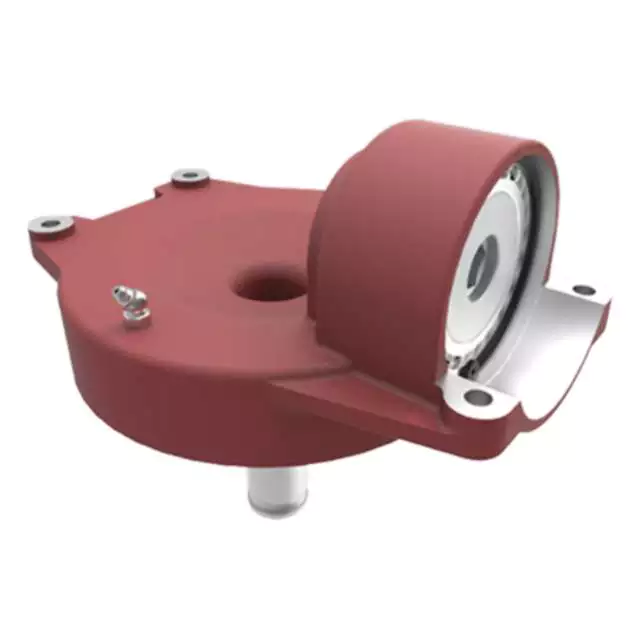
Impacto de las Relaciones de Transmisión en el Rendimiento de la Maquinaria en las Cajas de Cambios Agrícolas
La relación de engranajes en las cajas de cambios agrícolas juega un papel crucial en la determinación del rendimiento de la maquinaria. Afecta directamente la relación entre las velocidades y los pares de entrada y salida. Así es como las relaciones de engranajes influyen en el rendimiento de la maquinaria:
- Conversión de velocidad y par: Las relaciones de transmisión permiten la conversión de velocidad y par entre los ejes de entrada y salida. Las relaciones de transmisión más altas pueden reducir la velocidad de salida mientras aumentan el par de salida, lo que las hace adecuadas para tareas que requieren alta potencia.
- Potencia y Eficiencia: Las relaciones de transmisión afectan la eficiencia de la transmisión de potencia. Si bien reducir la velocidad a través de relaciones de transmisión más altas puede aumentar el par, es esencial lograr un equilibrio para mantener la eficiencia. Una menor eficiencia puede provocar pérdidas de energía y un aumento de la generación de calor.
- Adaptabilidad de Tareas: Diferentes tareas agrícolas requieren distintos niveles de par y velocidad. Las relaciones de engranaje permiten que la maquinaria sea adaptable a diferentes tareas al proporcionar el par necesario para actividades de uso intensivo como el arado o la labranza y velocidades más altas para tareas como el transporte.
- Rendimiento óptimo: La selección de la relación de transmisión adecuada asegura que la maquinaria opere dentro de su rango de rendimiento óptimo. Evita la sobrecarga del motor o la caja de cambios, contribuyendo a un funcionamiento más suave y a una menor desgaste.
- Productividad y eficiencia de combustible: Las relaciones de transmisión adecuadas pueden mejorar la productividad general de la maquinaria agrícola. Al optimizar el par y la velocidad, las tareas se pueden completar de manera eficiente, reduciendo el tiempo y el consumo de combustible necesarios para las operaciones.
- Consideración del terreno Los diferentes terrenos y condiciones del campo requieren ajustes en las relaciones de transmisión. Las pendientes pronunciadas o el terreno pesado pueden requerir relaciones de transmisión más bajas para un mayor par motor, mientras que el terreno plano podría beneficiarse de relaciones más altas para una operación más rápida.
- Impacto en los Componentes: Las relaciones de engranaje pueden influir en la distribución de la carga en los componentes de la caja de cambios. Las relaciones de engranaje más altas podrían someter a los componentes a fuerzas y tensiones crecientes, lo que podría afectar su vida útil.
- Confort del operador: Las relaciones de transmisión adecuadas contribuyen a la comodidad del operador al proporcionar la potencia necesaria para un funcionamiento suave sin forzar la maquinaria. Esto puede reducir la fatiga del operador y mejorar la seguridad.
- Personalización: Algunos equipos agrícolas modernos ofrecen relaciones de engranajes ajustables o variables, lo que permite a los operadores ajustar el rendimiento de la maquinaria según las tareas y condiciones específicas.
Elegir la relación de transmisión adecuada para las cajas de engranajes agrícolas implica considerar factores como la tarea prevista, las condiciones del suelo y las especificaciones del equipo. Es esencial lograr un equilibrio entre el par y la velocidad para optimizar el rendimiento de la maquinaria y maximizar la productividad.
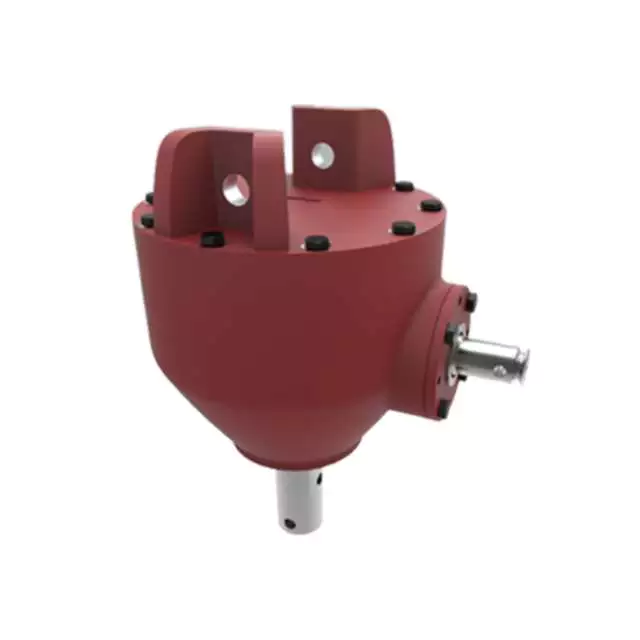
Potential Challenges in Maintenance and Repairs of Agricultural Gearboxes
Maintenance and repairs of gearboxes in agriculture can pose several challenges:
- Harsh Environments: Agricultural machinery operates in challenging environments with exposure to dirt, debris, moisture, and varying temperatures. These conditions can accelerate wear and corrosion, necessitating frequent maintenance.
- Heavy Workloads: Gearboxes in farming equipment often handle heavy workloads, leading to increased stress on components. This can result in faster wear and tear, requiring more frequent inspections and part replacements.
- Accessibility: Some gearboxes are located in hard-to-reach areas of machinery. This makes regular maintenance and repairs more challenging, as technicians may need specialized tools and equipment to access and service the gearboxes.
- Specialized Knowledge: Proper maintenance of agricultural gearboxes requires specialized knowledge and skills. Inadequate understanding of gearbox mechanics and maintenance practices can lead to improper repairs, reducing the gearbox’s lifespan and efficiency.
- Costs: Repairing or replacing gearbox components can be costly, especially for heavy-duty agricultural machinery. Farmers need to consider both the direct costs of parts and labor, as well as potential downtime during repair processes.
- Downtime: The downtime required for gearbox maintenance or repairs can impact farming operations, especially during critical planting or harvesting seasons. Efficient scheduling and backup equipment can help mitigate this challenge.
- Availability of Parts: Obtaining replacement parts for older or less common gearbox models can be challenging. Farmers may need to source parts from specialized suppliers, leading to potential delays in repairs.
Addressing these challenges requires proactive maintenance planning, regular inspections, proper training of maintenance personnel, and sourcing spare parts in advance.
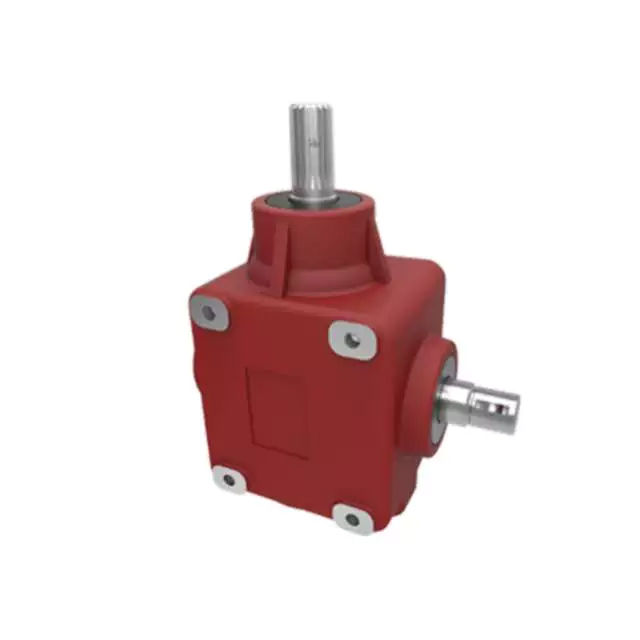
Key Features of a Durable and Reliable Agricultural Gearbox
A durable and reliable agricultural gearbox is crucial for the efficient operation of farming equipment and machinery. The following key features contribute to the durability and reliability of agricultural gearboxes:
- High-Quality Materials: Agricultural gearboxes are often exposed to harsh conditions, including dust, debris, and varying weather. Using high-quality materials, such as strong alloy steels, can enhance the gearbox’s resistance to wear, corrosion, and other forms of deterioration.
- Rugged Construction: The gearbox should have a robust and rugged construction to withstand the stresses and strains associated with agricultural tasks. Reinforced housings, precision machining, and robust seals can help prevent damage and ensure longevity.
- Effective Lubrication System: Proper lubrication is vital to reduce friction, dissipate heat, and prevent premature wear. Agricultural gearboxes should be equipped with efficient lubrication systems that ensure all components are adequately lubricated, even during extended operation.
- Sealing and Protection: Dust, dirt, and moisture are common challenges in agricultural environments. Effective sealing mechanisms, such as gaskets and seals, prevent contaminants from entering the gearbox and protect internal components from damage.
- Heat Dissipation: The gearbox should be designed to dissipate heat effectively, especially during prolonged operation. Overheating can lead to lubrication breakdown and premature wear. Cooling fins and adequate ventilation can help maintain optimal operating temperatures.
- Gear Quality and Precision: High-quality gears with accurate tooth profiles and precision manufacturing ensure smooth and efficient power transmission. Properly machined gears reduce noise, vibration, and the risk of gear failures.
- Advanced Gear Design: Some agricultural gearboxes may feature advanced gear designs, such as helical or planetary gears. These designs offer improved efficiency, reduced noise, and increased load-bearing capacity compared to traditional spur gears.
- Overload Protection: Incorporating overload protection mechanisms, such as shear pins or clutch systems, can prevent damage to the gearbox and other connected components in case of sudden high loads or jams.
- Easy Maintenance Access: The gearbox should be designed with maintenance in mind. Accessible inspection points, drain plugs, and fill ports make it easier for operators to perform routine maintenance tasks.
Manufacturers often engineer agricultural gearboxes to meet these requirements, ensuring that they can withstand the demanding conditions of farming operations and contribute to the reliable performance of agricultural machinery.


editor by CX 2023-09-08