
Descripción del producto
Descripción del producto
-K Series Helical Bevel Gearbox
K series gear reducer, manufactured according to international technical requirements, has a high scientific and technological content; Space saving, reliable and durable, high overload capacity, power up to 132KW; Low energy consumption, superior performance, reducer efficiency up to 95%
It is designed and manufactured on the basis of module combination system. There are a lot of motor combinations, installation forms and structural schemes. The transmission ratio is classified carefully to meet different operating conditions and realize electromechanical integration.
High transmission efficiency, low energy consumption and superior performance.
Reinforced high rigid cast iron box; The hardened gear is made of high-quality alloy steel. Its surface is carburized, quenched and hardened, and the gear is finely ground. It features stable transmission, low noise, large bearing capacity, low temperature rise, and long service life. Performance and characteristics:
1. The gear is carburized and quenched with high-quality alloy, the hardness of the tooth surface is up to 60 ± 2hrc, and the grinding accuracy of the tooth surface is up to 5-6
2. The computer modification technology is used to pre modify the gear, which greatly improves the bearing capacity of the reducer
3. Complete modular structure design is adopted from the box to the internal gear, which is suitable for large-scale production and flexible selection
4. The standard reducer models are divided according to the form of decreasing torque. Compared with the traditional equal proportion division, they are more in line with customer requirements and avoid power waste
5. It is designed and manufactured by cad/cam to ensure the stability of quality
6. Multiple sealing structures are adopted to prevent oil leakage
7. Multi directional noise reduction measures to ensure the excellent low noise performance of the reducer
8. The installation mode of Liyi products is flexible, which makes it easy for customers to choose K57 reducer, K67 reducer, K77 reducer, K87 reducer, K97 reducer, KA87 reducer, KA97 reducer, KA107 reducer, KA127 reducer
/* October 22, 2571 15:47:17 */(()=>{function d(e,r){var a,o={};try{e&&e.split(“,”).forEach(function(e,t){e&&(a=e.match(/(.*?):(.*)$/))&&1
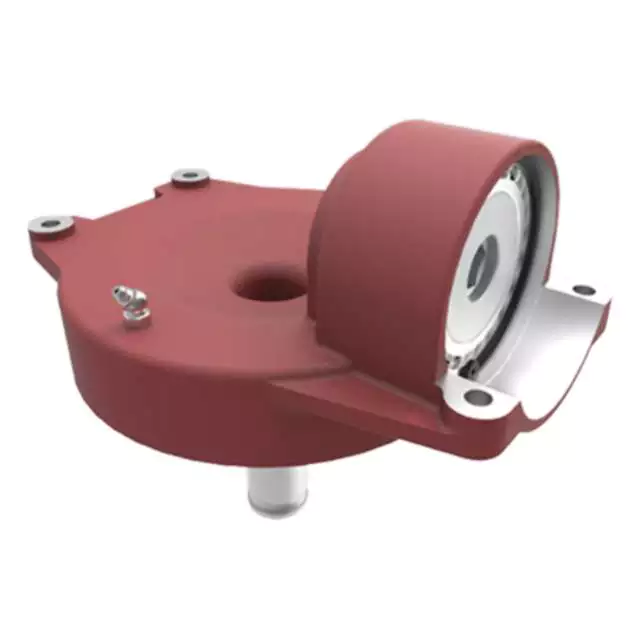
Impacto de las Relaciones de Transmisión en el Rendimiento de la Maquinaria en las Cajas de Cambios Agrícolas
La relación de engranajes en las cajas de cambios agrícolas juega un papel crucial en la determinación del rendimiento de la maquinaria. Afecta directamente la relación entre las velocidades y los pares de entrada y salida. Así es como las relaciones de engranajes influyen en el rendimiento de la maquinaria:
- Conversión de velocidad y par: Las relaciones de transmisión permiten la conversión de velocidad y par entre los ejes de entrada y salida. Las relaciones de transmisión más altas pueden reducir la velocidad de salida mientras aumentan el par de salida, lo que las hace adecuadas para tareas que requieren alta potencia.
- Potencia y Eficiencia: Las relaciones de transmisión afectan la eficiencia de la transmisión de potencia. Si bien reducir la velocidad a través de relaciones de transmisión más altas puede aumentar el par, es esencial lograr un equilibrio para mantener la eficiencia. Una menor eficiencia puede provocar pérdidas de energía y un aumento de la generación de calor.
- Adaptabilidad de Tareas: Diferentes tareas agrícolas requieren distintos niveles de par y velocidad. Las relaciones de engranaje permiten que la maquinaria sea adaptable a diferentes tareas al proporcionar el par necesario para actividades de uso intensivo como el arado o la labranza y velocidades más altas para tareas como el transporte.
- Rendimiento óptimo: La selección de la relación de transmisión adecuada asegura que la maquinaria opere dentro de su rango de rendimiento óptimo. Evita la sobrecarga del motor o la caja de cambios, contribuyendo a un funcionamiento más suave y a una menor desgaste.
- Productividad y eficiencia de combustible: Las relaciones de transmisión adecuadas pueden mejorar la productividad general de la maquinaria agrícola. Al optimizar el par y la velocidad, las tareas se pueden completar de manera eficiente, reduciendo el tiempo y el consumo de combustible necesarios para las operaciones.
- Consideración del terreno Los diferentes terrenos y condiciones del campo requieren ajustes en las relaciones de transmisión. Las pendientes pronunciadas o el terreno pesado pueden requerir relaciones de transmisión más bajas para un mayor par motor, mientras que el terreno plano podría beneficiarse de relaciones más altas para una operación más rápida.
- Impacto en los Componentes: Las relaciones de engranaje pueden influir en la distribución de la carga en los componentes de la caja de cambios. Las relaciones de engranaje más altas podrían someter a los componentes a fuerzas y tensiones crecientes, lo que podría afectar su vida útil.
- Confort del operador: Las relaciones de transmisión adecuadas contribuyen a la comodidad del operador al proporcionar la potencia necesaria para un funcionamiento suave sin forzar la maquinaria. Esto puede reducir la fatiga del operador y mejorar la seguridad.
- Personalización: Algunos equipos agrícolas modernos ofrecen relaciones de engranajes ajustables o variables, lo que permite a los operadores ajustar el rendimiento de la maquinaria según las tareas y condiciones específicas.
Elegir la relación de transmisión adecuada para las cajas de engranajes agrícolas implica considerar factores como la tarea prevista, las condiciones del suelo y las especificaciones del equipo. Es esencial lograr un equilibrio entre el par y la velocidad para optimizar el rendimiento de la maquinaria y maximizar la productividad.
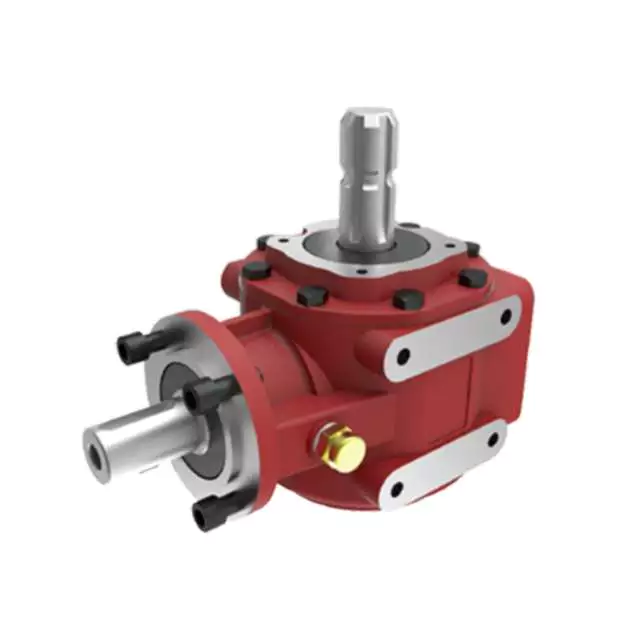
Enhancing Efficiency and Productivity in Farming Operations with Agricultural Gearboxes
Agricultural gearboxes play a pivotal role in enhancing efficiency and productivity across various farming operations. Here’s how agricultural gearboxes contribute to improving farming practices:
- Power Transmission: Agricultural gearboxes efficiently transmit power from the tractor’s engine to various implements, enabling them to perform tasks like plowing, planting, and harvesting with optimal power and torque.
- Variable Speed Control: Gearboxes allow farmers to adjust the speed of attached implements, adapting to different soil types, crop conditions, and tasks. This flexibility ensures precision and optimal performance.
- Task Specialization: With the use of different attachments and implements, one tractor equipped with a gearbox can perform a variety of tasks, reducing the need for multiple specialized machines.
- Optimized Torque: Agricultural gearboxes provide the necessary torque to overcome resistance from tough soils, vegetation, and other challenging conditions, ensuring consistent and efficient operations.
- Improved Crop Management: Gearboxes enable precise control over seeding depth, planting spacing, and fertilization, contributing to better crop management and higher yields.
- Reduced Operator Fatigue: Efficient power transmission and controlled operations reduce the physical strain on operators, enabling them to work longer hours without excessive fatigue.
- Conservation of Resources: By allowing accurate distribution of seeds, fertilizers, and other inputs, gearboxes help conserve resources and minimize waste.
- Enhanced Harvesting: Gearboxes facilitate smooth operation of harvesting equipment, such as combines and forage harvesters, resulting in efficient gathering of crops without damage.
- Time and Labor Savings: Agricultural gearboxes speed up tasks like plowing, tilling, and planting, enabling farmers to cover larger areas in less time, which is particularly crucial during planting and harvesting seasons.
- Reliability and Durability: Well-designed gearboxes are built to withstand the rigors of farming environments, reducing downtime due to maintenance or equipment failure.
Incorporating agricultural gearboxes into farming equipment significantly contributes to streamlining operations, reducing manual effort, and optimizing the use of resources. As a result, farmers can achieve higher levels of efficiency, productivity, and overall farm profitability.
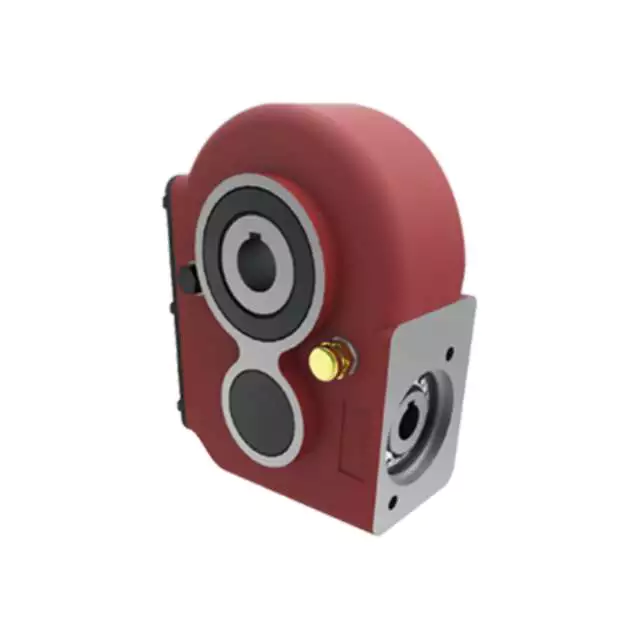
Benefits of Using High-Quality Gearboxes in Agricultural Machinery
Utilizing high-quality gearboxes in agricultural machinery offers several advantages that contribute to enhanced performance, durability, and overall operational efficiency. Here are the key benefits:
- Reliability and Durability: High-quality gearboxes are built to withstand the demanding conditions of agricultural operations. They are constructed using durable materials, precise manufacturing techniques, and stringent quality control measures, ensuring a longer lifespan and reduced downtime due to breakdowns.
- Optimal Power Transmission: High-quality gearboxes facilitate efficient power transmission from the tractor’s engine to various implements. They minimize power losses through well-designed gear profiles, accurate alignments, and minimal friction, allowing for more effective utilization of available power.
- Smooth Operation: Gearboxes manufactured to high standards provide smooth and consistent operation. They reduce vibrations, noise, and unnecessary wear, creating a comfortable working environment for the operator and reducing stress on the machinery.
- Precision and Accuracy: Quality gearboxes offer precise control over speed, torque, and direction changes. This precision ensures accurate implementation of farming tasks, such as seeding, planting, and harvesting, leading to better yield outcomes.
- Increased Efficiency: High-quality gearboxes minimize energy losses due to friction and inefficient gear meshing. This improved efficiency results in better fuel economy and optimized power utilization, reducing operating costs for the farmer.
- Compatibility and Adaptability: Top-tier gearboxes are designed to be compatible with a range of agricultural implements and machinery. Their adaptability allows farmers to switch between different tasks without the need for frequent adjustments or component changes.
- Reduced Maintenance Costs: Quality gearboxes require less frequent maintenance and repair. Their robust construction and precision engineering result in fewer breakdowns and extended maintenance intervals, saving both time and money.
- Enhanced Safety: Reliable gearboxes contribute to safer operations by preventing sudden failures that could lead to accidents. The smooth operation and predictable performance of high-quality gearboxes reduce the risk of mishaps during agricultural tasks.
Overall, investing in high-quality gearboxes for agricultural machinery ensures improved reliability, smoother operation, higher precision, increased efficiency, and reduced maintenance costs. These benefits ultimately contribute to enhanced productivity and better outcomes for farmers and agricultural operations.


editor by lmc 2024-11-28