
Descripción del producto
Tractor Gearbox for Pto Drive Shaft, Agricultural Machines 540 Rpm, 1: 1.92 Ratio, China Manufacturer OEM / ODM
GEAR MATERIALS
20CrMnTi/20CrMnMo for your choice
CASTINGS MATERIALS
Gray cast iron HT250 according to standard GB/T 1348-2009 Ductile iron QT450-10 according to standard GB/T 1348-2009 Cast steel ZG310-570 according to standard GB/T 5613-2014
SHAFTS MATERIALS
40Cr,45#,20CrMnTi,20CrMnMo for your choice according to your request.
POWER To ensure the correct use of the product we recommand to pay attention to the specifications mentioned on our technical sheet.Consider also the input rotation speed,the power input and the transmission ratios.Where the rotation or other working conditions are different,please contact LongQuan technical department.
LUBRICATION
The reducer is usually supplied without lubricant.The recommended quantity of lubricant is indicated on our catalogue and the first replaced must be done after 50-60 hours of running,then replaced after 600-800 working hours. The emptying of the gearbox should be made immediately after the working,with the oil still hot,in order to avoid the deposition of sludge.Check frequently the oil level and top up the oil whenever necessary.
Related Products
Fábrica
Extensive use for agricultural machines
Guarantee: High precision, high wear resistance, low noise, smooth and steady, high strength
Our factory
| Tipo: | Caja de cambios agrícola |
|---|---|
| Usage: | Farmland Infrastructure, Agricultural Machine |
| Material: | Carbon Steel |
| Power Source: | Electricity |
| Weight: | OEM |
| After-sales Service: | Installation Guide |
| Muestras: |
US$ 999/Piece
1 Piece(Min.Order) | |
|---|
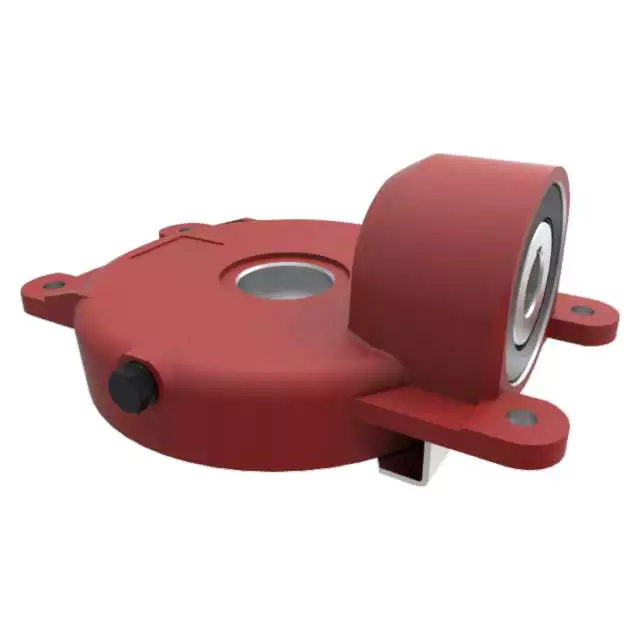
Lubrication Practices for Extending the Lifespan of Agricultural Gearboxes
Proper lubrication is essential for ensuring the longevity and optimal performance of agricultural gearboxes. Here are some essential lubrication practices that can help extend the lifespan of these gearboxes:
- Choose the Right Lubricant: Select a high-quality lubricant specifically designed for gearboxes and agricultural machinery. Consider factors such as viscosity, temperature range, and load-bearing capacity to ensure compatibility with the gearbox’s operating conditions.
- Regular Inspection: Perform regular visual inspections of the gearbox and lubricant to check for signs of contamination, wear, or inadequate lubrication. Address any issues promptly to prevent further damage.
- Cleanliness: Maintain a clean environment around the gearbox to minimize the risk of dirt, debris, and moisture entering the gearbox housing. Contaminants can compromise the lubricant’s effectiveness and accelerate wear.
- Lubricant Level: Monitor and maintain the proper lubricant level in the gearbox. Insufficient lubrication can lead to increased friction and heat, causing premature wear and potential damage to gears and bearings.
- Replace Lubricant: Follow the manufacturer’s recommendations for lubricant change intervals. Over time, lubricants can degrade, lose their properties, and become contaminated. Regularly replacing the lubricant helps ensure optimal performance.
- Use Lubrication Schedule: Create a lubrication schedule based on the gearbox’s usage and operating conditions. Stick to the recommended intervals for applying or changing lubricant to prevent under-lubrication or over-lubrication.
- Appropriate Lubrication Method: Follow the manufacturer’s guidelines for the correct lubrication method, whether it’s through oil bath, grease, or automatic lubrication systems. Proper application ensures even distribution of lubricant across gear surfaces.
- Temperature Considerations: Be aware of temperature variations in your operating environment. Extreme temperatures can affect lubricant viscosity and performance. Choose a lubricant that can handle the temperature range of your equipment.
- Expert Advice: Consult the gearbox manufacturer or a lubrication specialist to determine the best lubrication practices for your specific agricultural gearbox model and application.
By adhering to these lubrication practices, farmers can maximize the lifespan of their agricultural gearboxes, minimize downtime, and ensure efficient and reliable operation of their equipment.
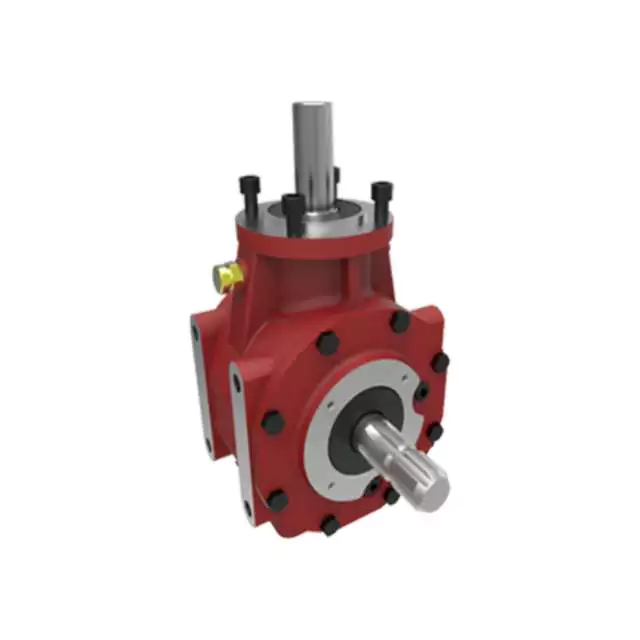
Gestión de demandas de par variables con cajas de engranajes agrícolas
Las cajas de engranajes agrícolas están diseñadas para manejar las variadas demandas de par asociadas con diferentes tareas en las operaciones agrícolas. Los requisitos de par pueden variar según factores como el tipo de tarea, las condiciones del suelo, el terreno y la velocidad de la maquinaria. Las cajas de engranajes agrícolas están equipadas con características que les permiten adaptarse a estas variadas demandas de par:
- Selección de la relación de transmisión: Las cajas de engranajes agrícolas a menudo vienen con múltiples relaciones de transmisión, lo que permite a los operadores seleccionar la relación adecuada para la tarea en cuestión. Las relaciones de engranajes más bajas proporcionan un mayor par motor para tareas que requieren más fuerza, como el arado o la labranza, mientras que las relaciones de engranajes más altas ofrecen velocidades más altas para tareas como el corte de césped o el transporte.
- Multiplicador de par Algunas cajas de engranajes agrícolas están diseñadas con multiplicadores de par que aumentan el par de salida del motor a las ruedas o al implemento. Estos multiplicadores se activan cuando se necesita un mayor par, ayudando a la maquinaria a manejar cargas pesadas o terrenos difíciles.
- Velocidades ajustables Muchas cajas de engranajes agrícolas permiten a los operadores ajustar la velocidad de la maquinaria para que coincida con los requisitos de par de la tarea. Esta flexibilidad es esencial para tareas que implican operaciones de alto par y baja velocidad, así como operaciones de alta velocidad con necesidades de par más bajas.
- Opciones de Toma de Fuerza (TDF) Las cajas de cambios agrícolas a menudo cuentan con mecanismos de toma de fuerza que permiten la transferencia de potencia del motor a los implementos acoplados. Estos mecanismos pueden diseñarse para proporcionar salidas de par variables que se adapten a diferentes implementos, como rotocultivadores, empacadoras o bombas.
La capacidad de las cajas de engranajes agrícolas para manejar demandas de torque variables es crucial para garantizar operaciones agrícolas eficientes y efectivas. Al ofrecer relaciones de transmisión ajustables, multiplicadores de torque y velocidades adaptables, estas cajas de engranajes permiten a los agricultores optimizar el rendimiento de su maquinaria según los requisitos específicos de cada tarea.
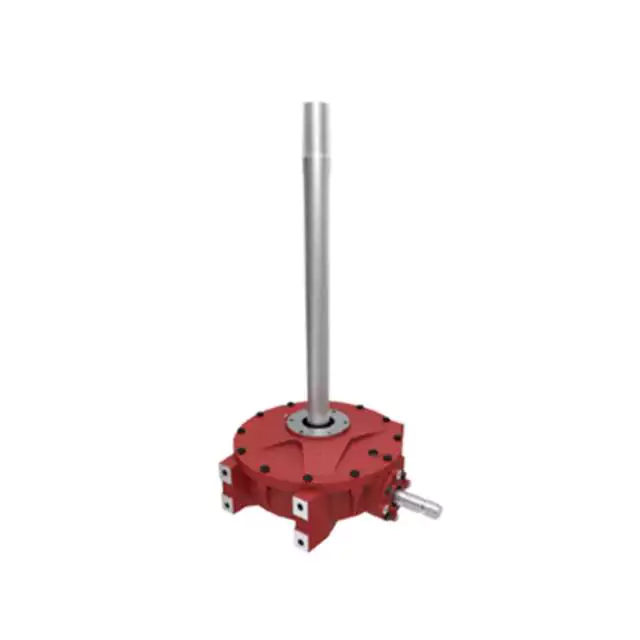
Types of Agricultural Gearboxes for Specific Tasks
Various types of agricultural gearboxes are designed to cater to specific tasks and applications in farming. These gearboxes are engineered to meet the unique requirements of different agricultural machinery and operations. Some common types of agricultural gearboxes include:
- Rotary Mower Gearboxes: These gearboxes are used in rotary mowers and cutters. They transmit power from the tractor’s power take-off (PTO) to the blades, enabling efficient cutting of grass, crops, and vegetation.
- Manure Spreader Gearboxes: Manure spreaders utilize specialized gearboxes to distribute manure evenly across fields. These gearboxes ensure consistent spreading of fertilizer while accommodating variable loads.
- Harvesting Gearboxes: Gearboxes used in harvesting equipment, such as combines and harvesters, enable efficient gathering, threshing, and separating of crops from their stalks. These gearboxes handle high loads and varying operating conditions.
- Seed Drill Gearboxes: Seed drills require gearboxes to distribute seeds accurately and at consistent intervals. These gearboxes ensure precise seed placement for optimal germination and crop growth.
- Hay Rake Gearboxes: Hay rakes utilize gearboxes to gather and arrange hay into windrows for baling. These gearboxes help optimize the hay collection process.
- Irrigation System Gearboxes: Agricultural irrigation systems may use gearboxes to control the movement and positioning of irrigation equipment, ensuring efficient water distribution across fields.
- Tillage Equipment Gearboxes: Gearboxes used in tillage equipment, such as plows and cultivators, help break up soil, prepare seedbeds, and promote seedling emergence.
- Tractor Gearboxes: Tractors may incorporate various gearboxes for tasks such as shifting gears, driving the power take-off, and operating attachments.
- Grain Auger Gearboxes: Grain augers use gearboxes to facilitate the movement of harvested grain from one location to another, such as from a combine to a storage bin.
Each type of agricultural gearbox is designed with specific features, load capacities, and durability to suit the demands of its intended task. Manufacturers engineer these gearboxes to withstand the challenging conditions of agricultural operations while ensuring efficient and reliable performance.


editor by CX 2023-09-26