
Descripción del producto
Descripción del producto
Here is our advantages when compare to similar products from China:
Post Hole Digger Auger Boxes. Gearboxes especially designed for use on grain augersThis selection of gearboxes, are designed specifically for use on grain handling augers. But can be used in other situations.Boxes from the general purpose section may also suit some applications.Size for examples for items please send us inquire!
Product Specifications
| ITEM | HN-01-084 |
| Relación | 4:1 |
| Teeth | 11/44 |
| Module | 5.0 |
| Power | 50 |
| Rated Input | 540rpm |
| Input/Output Description | 1 3/8 Z6 Optic axis |
| Weight(N.W) | 44Kg |
Packaging & Shipping
Equipment
Perfil de la empresa
HangZhou Hanon Technology Co.,ltd is a modern enterprise specilizing in the development,production,sales and services of Agricultural Parts like PTO shaft and Gearboxes and Hydraulic parts like Cylinder , Valve ,Gearpump and motor etc..
We adhere to the principle of ” High Quality, Customers’Satisfaction”, using advanced technology and equipments to ensure all the technical standards of transmission .We follow the principle of people first , trying our best to set up a pleasant surroundings and platform of performance for each employee. So everyone can be self-consciously active to join Hanon Machinery.
PREGUNTAS FRECUENTES
1.WHAT’S THE PAYMENT TERM?
When we quote for you,we will confirm with you the way of transaction,FOB,CIFetc.<br> For mass production goods, you need to pay 30% deposit before producing and70% balance against copy of documents.The most common way is by T/T.
2.HOW TO DELIVER THE GOODS TO US?
Usually we will ship the goods to you by sea.
3.How long is your delivery time and shipment?
30-45days
| Tipo: | Pit Digger |
|---|---|
| Usage: | Agricultural Machinery |
| Material: | 20 Crmnti |
| Weight: | 22-49kg |
| After-sales Service: | Online Support |
| Warranty: | 1 Year |
| Muestras: |
US$ 30/Piece
1 Piece(Min.Order) | |
|---|
| Personalización: |
Disponible
| Solicitud personalizada |
|---|
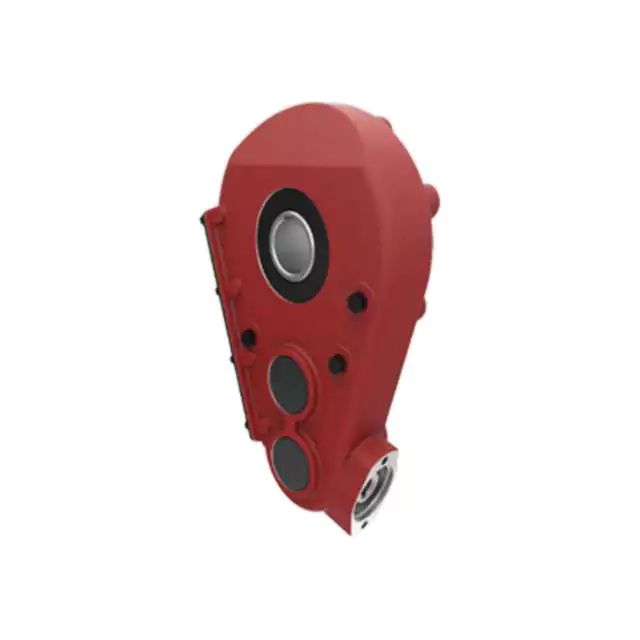
Technological Advancements in Agricultural Gearbox Design
Advancements in agricultural gearbox design have significantly improved the efficiency, durability, and performance of farming equipment. Here are some notable technological advancements:
- Materials and Manufacturing: The use of advanced materials, such as high-strength alloys and composite materials, has enhanced the durability and longevity of gearbox components. Precision manufacturing techniques, including computer-aided design (CAD) and computer numerical control (CNC) machining, ensure tight tolerances and reliable performance.
- Gear Tooth Design: Modern gear tooth profiles, such as optimized helical and spiral bevel gears, reduce noise, vibration, and wear. Advanced tooth design also improves power transmission efficiency and load distribution.
- Sealing and Lubrication: Improved sealing technologies, such as double-lip seals and labyrinth seals, help prevent contaminants from entering gearboxes while retaining lubricants. Advanced lubrication systems, including automatic lubrication and improved oil formulations, extend maintenance intervals and enhance efficiency.
- Electronic Controls: Agricultural gearboxes increasingly integrate with electronic control systems. Sensors and actuators provide real-time data on gearbox performance, allowing for condition monitoring, predictive maintenance, and adjustments to optimize machinery operation.
- Smart Gearboxes: Some agricultural gearboxes are equipped with smart features, such as load sensors, temperature monitors, and feedback systems. These features enhance precision, safety, and overall equipment performance.
- Hybrid Power Transmission: Integration of hybrid power transmission systems, combining internal combustion engines with electric motors, allows for more efficient power delivery and reduced fuel consumption. Gearboxes play a crucial role in managing power distribution in these systems.
- Reduced Environmental Impact: Advancements in gear design contribute to reducing environmental impact. Quieter and more efficient gearboxes minimize noise pollution and energy consumption while meeting emissions regulations.
- Customization and Modularity: Some modern agricultural gearboxes offer modular designs that allow farmers to customize gear ratios, output speeds, and other specifications to match specific tasks and conditions.
- Simulation and Testing: Computer simulations and advanced testing methods, such as finite element analysis (FEA) and computational fluid dynamics (CFD), help optimize gearbox design, reduce prototyping costs, and ensure reliability before production.
These advancements collectively contribute to the evolution of agricultural gearboxes, making farming machinery more efficient, environmentally friendly, and adaptable to the changing needs of modern agriculture.
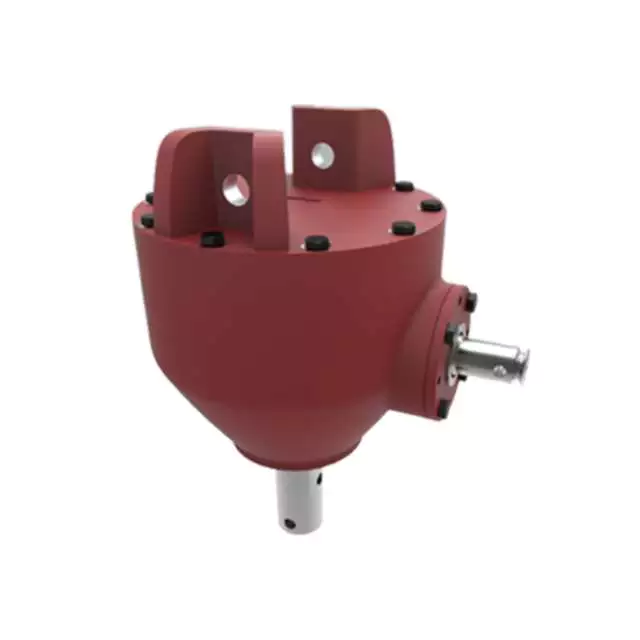
Potential Challenges in Maintenance and Repairs of Agricultural Gearboxes
Maintenance and repairs of gearboxes in agriculture can pose several challenges:
- Harsh Environments: Agricultural machinery operates in challenging environments with exposure to dirt, debris, moisture, and varying temperatures. These conditions can accelerate wear and corrosion, necessitating frequent maintenance.
- Heavy Workloads: Gearboxes in farming equipment often handle heavy workloads, leading to increased stress on components. This can result in faster wear and tear, requiring more frequent inspections and part replacements.
- Accessibility: Some gearboxes are located in hard-to-reach areas of machinery. This makes regular maintenance and repairs more challenging, as technicians may need specialized tools and equipment to access and service the gearboxes.
- Specialized Knowledge: Proper maintenance of agricultural gearboxes requires specialized knowledge and skills. Inadequate understanding of gearbox mechanics and maintenance practices can lead to improper repairs, reducing the gearbox’s lifespan and efficiency.
- Costs: Repairing or replacing gearbox components can be costly, especially for heavy-duty agricultural machinery. Farmers need to consider both the direct costs of parts and labor, as well as potential downtime during repair processes.
- Downtime: The downtime required for gearbox maintenance or repairs can impact farming operations, especially during critical planting or harvesting seasons. Efficient scheduling and backup equipment can help mitigate this challenge.
- Availability of Parts: Obtaining replacement parts for older or less common gearbox models can be challenging. Farmers may need to source parts from specialized suppliers, leading to potential delays in repairs.
Addressing these challenges requires proactive maintenance planning, regular inspections, proper training of maintenance personnel, and sourcing spare parts in advance.
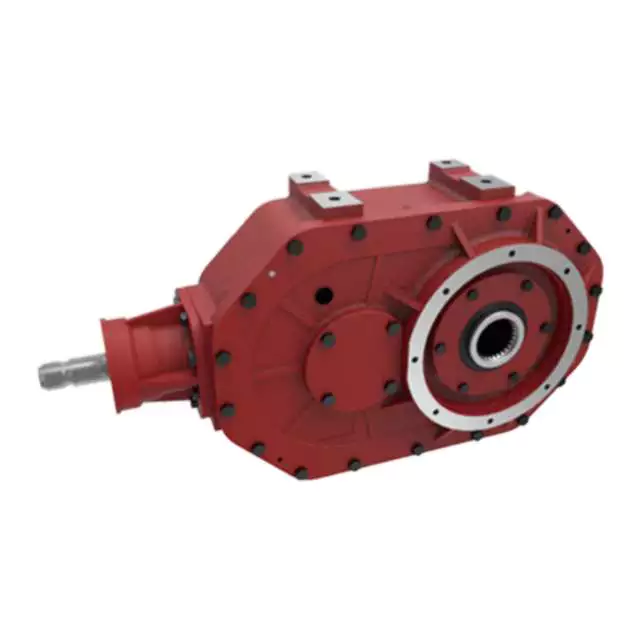
Transmisión de potencia en equipos agrícolas con cajas de engranajes agrícolas
Las cajas de cambios agrícolas desempeñan un papel vital en la facilitación de la transmisión de potencia dentro de varios tipos de equipos agrícolas. Estas cajas de cambios son componentes integrales que permiten la transferencia de potencia rotacional del motor de un tractor a diferentes implementos y maquinaria agrícolas. Así es como las cajas de cambios agrícolas contribuyen a la transmisión de potencia:
- Reducción de Velocidad: En muchas operaciones agrícolas, el motor de un tractor u otra fuente de potencia funciona a una velocidad superior a la adecuada para el funcionamiento óptimo de los implementos agrícolas. Las cajas de cambios agrícolas proporcionan una reducción de velocidad utilizando una combinación de engranajes con diferentes números de dientes. Esta reducción de velocidad permite que la maquinaria funcione a la velocidad requerida para tareas eficientes como el arado, la siembra o la cosecha.
- Multiplicación de Potencias: Algunas tareas agrícolas requieren una cantidad significativa de torque para operar eficazmente. Las cajas de cambios pueden multiplicar el torque de entrada del motor para generar un mayor torque en el eje de salida. Esto es crucial para tareas como el arado, donde se necesita una fuerza sustancial para romper la tierra.
- Cambio de dirección Las cajas de engranajes agrícolas también permiten cambios en la dirección de la transmisión de potencia. Por ejemplo, el eje de toma de fuerza (TDF) de un tractor puede necesitar transmitir potencia en un ángulo recto con respecto al motor del tractor. Las cajas de engranajes con engranajes cónicos u otras configuraciones permiten este cambio de dirección, asegurando que la potencia se dirija adecuadamente al implemento.
- Distribución de potencia: En ciertos casos, la potencia necesita ser distribuida a múltiples componentes o implementos. Las cajas de engranajes agrícolas con múltiples ejes de salida pueden distribuir potencia a diferentes tareas simultáneamente, optimizando la eficiencia y la productividad.
- Operación de Adjunto: Muchas herramientas agrícolas, como arados, sembradoras y cortacéspedes rotativos, requieren una potencia constante y controlada para funcionar de manera efectiva. Las cajas de cambios proporcionan la potencia y el control necesarios a estos accesorios, garantizando un funcionamiento uniforme y resultados precisos.
Al facilitar la reducción de velocidad, la multiplicación de potencia, los cambios de dirección, la distribución de potencia y la operación de accesorios, las cajas de engranajes agrícolas contribuyen significativamente a la eficiencia y productividad general del equipo agrícola. Permiten a los agricultores adaptar su maquinaria a diversas tareas, optimizar el uso de la potencia y lograr mejores resultados en diferentes operaciones agrícolas.


editor by CX 2023-10-12