
Descripción del producto
Descripción del producto
NB142 series adopts the design of integrating its sun gear and input shaft, the design of integrating its output structure. Using high- strength bearing, the product itself is characterized by high load, high precision, and low noise, focusing on the use of automation equipment, various types of packaging, printing, lithium-ion, LCD screens, robots, palletizers, woodworking, doors and windows and other industry sectors.
Product Name: High Precision Planetary Gearbox
Product Series: NB142 Series
Product features: high precision, high load, low noise.
Product Description:
Integrated design concept with high strength bearings ensure the product itself is durable and efficient
A variety of output ideas such as shaft output, flange and gear are available.
1 arc minute ≤ backlash ≤ 3 arc minutes
Reduction ratios ranging from 3 to 100
Frame design: increases torque and optimises power transmission
Optimised selection of oil seals: reduces friction and laminate transmission efficiency
Protection class IP65
Warranty: 2 years
Our Advantages
High precision
High load
Low noise
Detailed Photos
Product Parameters
| Segment number | Single segment | ||||||||
| Relación | i | 3 | 4 | 5 | 6 | 7 | 8 | 9 | 10 |
| Rated output torque | Nm | 320 | 510 | 610 | 570 | 520 | 470 | 420 | 420 |
| Emergency stop torque | Nm | Three times of Maximum Output Torque | |||||||
| Rated input speed | Rpm | 3000 | |||||||
| Max input speed | Rpm | 6000 | |||||||
| Ultraprecise backlash | arcmin | ≤1 | |||||||
| Precision backlash | arcmin | ≤3 | |||||||
| Standard backlash | arcmin | ≤5 | |||||||
| Torsional rigidity | Nm/arcmin | 50 | |||||||
| Max.bending moment | Nm | 9400 | |||||||
| Max.axial force | N | 4700 | |||||||
| Service life | hr | 20000(10000 under continuous operation) | |||||||
| Efficiency | % | ≥97% | |||||||
| Peso | kg | 14.5 | |||||||
| Operating Temperature | ºC | -10ºC~+90ºC | |||||||
| Lubricación | Synthetic grease | ||||||||
| Protection class | IP64 | ||||||||
| Mounting Position | All directions | ||||||||
| Noise level(N1=3000rpm,non-loaded) | dB(A) | ≤65 | |||||||
| Rotary inertia | Kg·cm² | 9.21 | 7.54 | 7.42 | 7.25 | 7.14 | 7.07 | 7.04 | 7.03 |
Applicable Industries
Packaging Machinery Mechanical Hand Textile Machinery
Non Standard automation Machine Tool Printing Equipment /* March 10, 2571 17:59:20 */!function(){function s(e,r){var a,o={};try{e&&e.split(“,”).forEach(function(e,t){e&&(a=e.match(/(.*?):(.*)$/))&&1
| Aplicación: | Motor, Machinery, Marine, Agricultural Machinery |
|---|---|
| Dureza: | Superficie dental endurecida |
| Instalación: | All Direction |
| Disposición: | Planetary Gearbox |
| Forma del engranaje: | Helical Gear |
| Paso: | Paso único |
| Personalización: |
Disponible
| Solicitud personalizada |
|---|
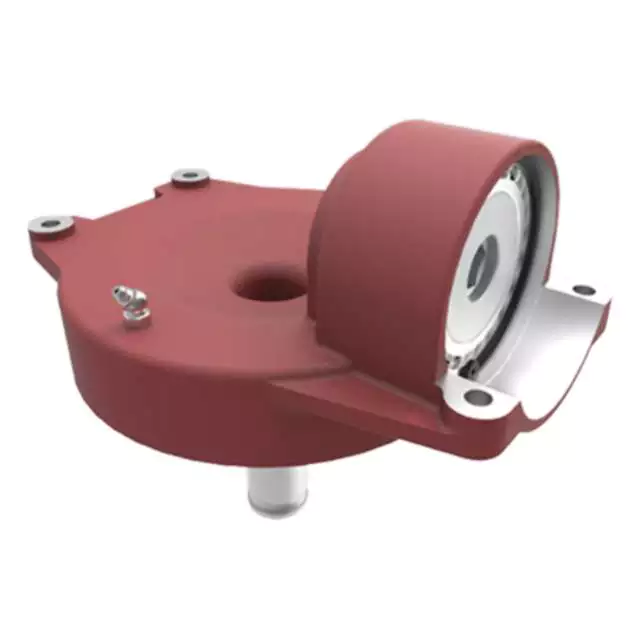
Impacto de las Relaciones de Transmisión en el Rendimiento de la Maquinaria en las Cajas de Cambios Agrícolas
La relación de engranajes en las cajas de cambios agrícolas juega un papel crucial en la determinación del rendimiento de la maquinaria. Afecta directamente la relación entre las velocidades y los pares de entrada y salida. Así es como las relaciones de engranajes influyen en el rendimiento de la maquinaria:
- Conversión de velocidad y par: Las relaciones de transmisión permiten la conversión de velocidad y par entre los ejes de entrada y salida. Las relaciones de transmisión más altas pueden reducir la velocidad de salida mientras aumentan el par de salida, lo que las hace adecuadas para tareas que requieren alta potencia.
- Potencia y Eficiencia: Las relaciones de transmisión afectan la eficiencia de la transmisión de potencia. Si bien reducir la velocidad a través de relaciones de transmisión más altas puede aumentar el par, es esencial lograr un equilibrio para mantener la eficiencia. Una menor eficiencia puede provocar pérdidas de energía y un aumento de la generación de calor.
- Adaptabilidad de Tareas: Diferentes tareas agrícolas requieren distintos niveles de par y velocidad. Las relaciones de engranaje permiten que la maquinaria sea adaptable a diferentes tareas al proporcionar el par necesario para actividades de uso intensivo como el arado o la labranza y velocidades más altas para tareas como el transporte.
- Rendimiento óptimo: La selección de la relación de transmisión adecuada asegura que la maquinaria opere dentro de su rango de rendimiento óptimo. Evita la sobrecarga del motor o la caja de cambios, contribuyendo a un funcionamiento más suave y a una menor desgaste.
- Productividad y eficiencia de combustible: Las relaciones de transmisión adecuadas pueden mejorar la productividad general de la maquinaria agrícola. Al optimizar el par y la velocidad, las tareas se pueden completar de manera eficiente, reduciendo el tiempo y el consumo de combustible necesarios para las operaciones.
- Consideración del terreno Los diferentes terrenos y condiciones del campo requieren ajustes en las relaciones de transmisión. Las pendientes pronunciadas o el terreno pesado pueden requerir relaciones de transmisión más bajas para un mayor par motor, mientras que el terreno plano podría beneficiarse de relaciones más altas para una operación más rápida.
- Impacto en los Componentes: Las relaciones de engranaje pueden influir en la distribución de la carga en los componentes de la caja de cambios. Las relaciones de engranaje más altas podrían someter a los componentes a fuerzas y tensiones crecientes, lo que podría afectar su vida útil.
- Confort del operador: Las relaciones de transmisión adecuadas contribuyen a la comodidad del operador al proporcionar la potencia necesaria para un funcionamiento suave sin forzar la maquinaria. Esto puede reducir la fatiga del operador y mejorar la seguridad.
- Personalización: Algunos equipos agrícolas modernos ofrecen relaciones de engranajes ajustables o variables, lo que permite a los operadores ajustar el rendimiento de la maquinaria según las tareas y condiciones específicas.
Elegir la relación de transmisión adecuada para las cajas de engranajes agrícolas implica considerar factores como la tarea prevista, las condiciones del suelo y las especificaciones del equipo. Es esencial lograr un equilibrio entre el par y la velocidad para optimizar el rendimiento de la maquinaria y maximizar la productividad.
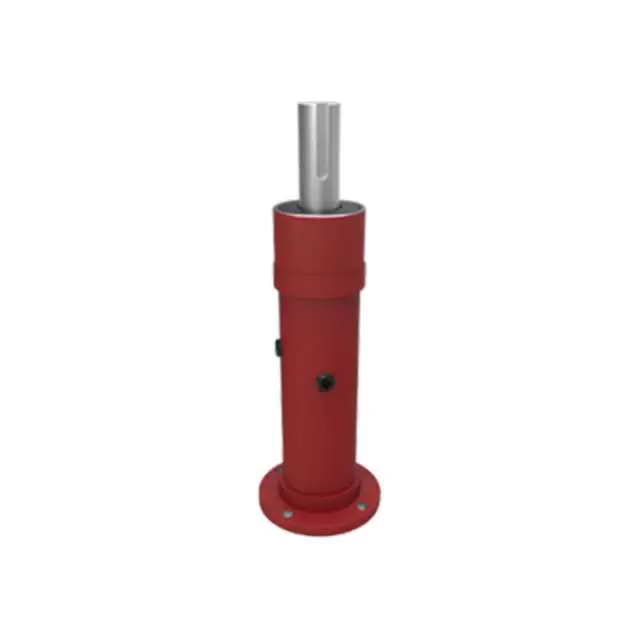
Factors to Consider When Selecting the Right Gearbox for Farm Machinery
Choosing the appropriate gearbox for farm machinery is crucial to ensure optimal performance and efficiency. Here are the key factors to consider when selecting the right gearbox:
- Power and Torque Requirements: Assess the power and torque needed for the specific task the machinery will perform. Select a gearbox that can handle the required load without straining the components.
- Speed Variation: Determine if the machinery requires variable speed control for different tasks. Some gearboxes offer adjustable speed options to match varying conditions and applications.
- Task Compatibility: Ensure that the chosen gearbox is compatible with the implements and attachments the machinery will use. Different tasks may require different gear ratios and torque capabilities.
- Efficiency: Opt for gearboxes known for their efficiency in power transmission. Efficient gearboxes minimize energy losses and maximize the output of the machinery.
- Durability: Farming environments can be demanding, so select a gearbox that is built to withstand the conditions, such as exposure to dirt, moisture, and impacts.
- Size and Weight: Consider the available space and weight limits on the machinery. Choose a gearbox that fits within these constraints without compromising performance.
- Maintenance: Evaluate the maintenance requirements of the gearbox. Gearboxes that are easy to maintain and service can minimize downtime and keep the machinery running smoothly.
- Cost: Balance the initial cost of the gearbox with its long-term benefits and performance. Investing in a quality gearbox can lead to better overall cost-effectiveness over time.
- Compatibility: Ensure that the gearbox is compatible with the power source (such as the tractor’s power take-off) and other components of the machinery.
- Manufacturer Reputation: Choose gearboxes from reputable manufacturers with a history of producing reliable and high-quality agricultural machinery components.
By carefully considering these factors, farmers can select the right gearbox that meets the specific needs of their farm machinery, leading to enhanced efficiency, productivity, and longevity of equipment.
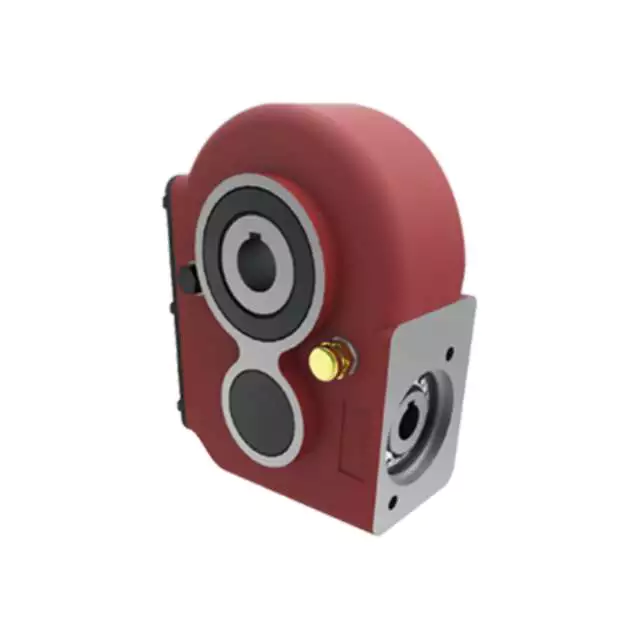
Benefits of Using High-Quality Gearboxes in Agricultural Machinery
Utilizing high-quality gearboxes in agricultural machinery offers several advantages that contribute to enhanced performance, durability, and overall operational efficiency. Here are the key benefits:
- Reliability and Durability: High-quality gearboxes are built to withstand the demanding conditions of agricultural operations. They are constructed using durable materials, precise manufacturing techniques, and stringent quality control measures, ensuring a longer lifespan and reduced downtime due to breakdowns.
- Optimal Power Transmission: High-quality gearboxes facilitate efficient power transmission from the tractor’s engine to various implements. They minimize power losses through well-designed gear profiles, accurate alignments, and minimal friction, allowing for more effective utilization of available power.
- Smooth Operation: Gearboxes manufactured to high standards provide smooth and consistent operation. They reduce vibrations, noise, and unnecessary wear, creating a comfortable working environment for the operator and reducing stress on the machinery.
- Precision and Accuracy: Quality gearboxes offer precise control over speed, torque, and direction changes. This precision ensures accurate implementation of farming tasks, such as seeding, planting, and harvesting, leading to better yield outcomes.
- Increased Efficiency: High-quality gearboxes minimize energy losses due to friction and inefficient gear meshing. This improved efficiency results in better fuel economy and optimized power utilization, reducing operating costs for the farmer.
- Compatibility and Adaptability: Top-tier gearboxes are designed to be compatible with a range of agricultural implements and machinery. Their adaptability allows farmers to switch between different tasks without the need for frequent adjustments or component changes.
- Reduced Maintenance Costs: Quality gearboxes require less frequent maintenance and repair. Their robust construction and precision engineering result in fewer breakdowns and extended maintenance intervals, saving both time and money.
- Enhanced Safety: Reliable gearboxes contribute to safer operations by preventing sudden failures that could lead to accidents. The smooth operation and predictable performance of high-quality gearboxes reduce the risk of mishaps during agricultural tasks.
Overall, investing in high-quality gearboxes for agricultural machinery ensures improved reliability, smoother operation, higher precision, increased efficiency, and reduced maintenance costs. These benefits ultimately contribute to enhanced productivity and better outcomes for farmers and agricultural operations.


editor by CX 2024-02-04