
Agrinulear Nucleo Agro (Agencia Ever-power Brasil)
Defending the Pulse of Brazilian Irrigation: High-Efficiency Automatic Self-Cleaning Filters and Precision Power Solutions
1. Industrial Specification Matrix: V-Series Automatic Filters
| Parámetro técnico | Especificación industrial | Application Value for Brazil |
|---|---|---|
| Flow Rate Capacity | 80 – 1,200 m³/h | Supports large-scale coffee & cane estates |
| Filtration Degree | 10 – 500 Microns | Protects micro-drippers from fine silt |
| Max. Working Pressure | 10 Bar (145 PSI) Standard | Compatible with high-head diesel pumps |
| Cleaning Drive Type | Hydraulic / Caja de cambios agrícola | Energy-independent or Electric options |
| Screen Material | Stainless Steel 316L (Sintered) | Resists corrosive fertigation acids |
| Flange Standard | DIN / ANSI / ABNT NBR | Direct fit for Brazilian pipe networks |
| Control System | PLC with GSM/LoRa Connectivity | Remote monitoring for remote farms |
| Self-Cleaning Time | 15 – 30 Seconds | Zero disruption to downstream emitters |
| Waste Water Ratio | < 1% per cycle | Conserves water in dry-season Minas Gerais |
| Gearbox Lubrication | Synthetic ISO VG 220 | Maintains viscosity in 40°C+ heat |
| Surface Coating | Electrostatically Charged Epoxy | Withstands coastal humidity in Espirito Santo |
| Inlet/Outlet Size | 2″ to 24″ Inches | Flexible for any head-hub layout |
| Backwash Valve | Reinforced Nylon / Cast Iron | Durable under high-frequency operation |
| Operating Temp | 0°C to 70°C | Tested for extreme Mato Grosso summers |
| Seal Material | EPDM / Viton Option | Resistant to agricultural ozone and oils |
| Certifications | NR-12, CE, ISO 9001 | Compliance for Brazilian safety labor laws |
| Power Consumption | 50W (Controller only) | Ideal for solar-powered remote stations |
| Maintenance Interval | Once per Season (Inspect) | Reduces labor costs for large cooperatives |
| Shaft Hardness | HRC 55-60 | Prevents wear on internal scanner drive |
| Vibration Standard | ISO 10816 Class I | Quiet and stable head-hub operation |
2. Revolutionizing Head-Hub Filtration in Brazil’s Fertile Frontiers
In the vast agricultural expanses of Mato Grosso, Goiás, and São Paulo, precision irrigation is the cornerstone of high-yield sugarcane and soybean production. The automatic self-cleaning filter serves as the “immune system” of the micro-irrigation head-hub (Cabeçal de Controle), protecting delicate drippers and emitters from the high-silt water sourced from the Paraná and Amazon basins. Unlike manual filtration systems, our automated solutions ensure zero pressure-drop downtime. As a premier fabricante agrícola, Agrinulear Nucleo Agro understands that the cleaning mechanism often relies on a small but powerful hydraulic reductor agrícola or motor to drive the internal scanning nozzle. This integration of mechanical power and hydraulic precision is what allows our systems to thrive in the demanding “Terra Roxa” (red clay) soils of Brazil, where filtration demands are ten times higher than in temperate climates. By maintaining consistent flow and preventing calcification, our filters directly enhance the lifespan of your entire irrigation investment.
The synergy between water management and mechanical reliability is further emphasized by our deep expertise in caja de cambios agrícola design. In many large-scale self-cleaning hub installations, the rotational movement of the suction scanner is synchronized via a caja de cambios pto interface or independent drive systems. This ensures that every square centimeter of the screen is cleaned with the exact torque required to dislodge sticky organic matter without damaging the fine mesh. In Brazil’s competitive agribusiness landscape, where energy costs and water usage rights (ANA regulations) are increasingly scrutinized, having a filter that maximizes water recovery while minimizing energy consumption is not just an advantage—it is a necessity. Our filters are designed to handle the massive flow rates required for “Pivot Central” support and “Drip Irrigation” setups, bridging the gap between robust Chinese manufacturing efficiency and local Brazilian agronomic requirements.
3. Engineered for Endurance: Working Principle and Material Science
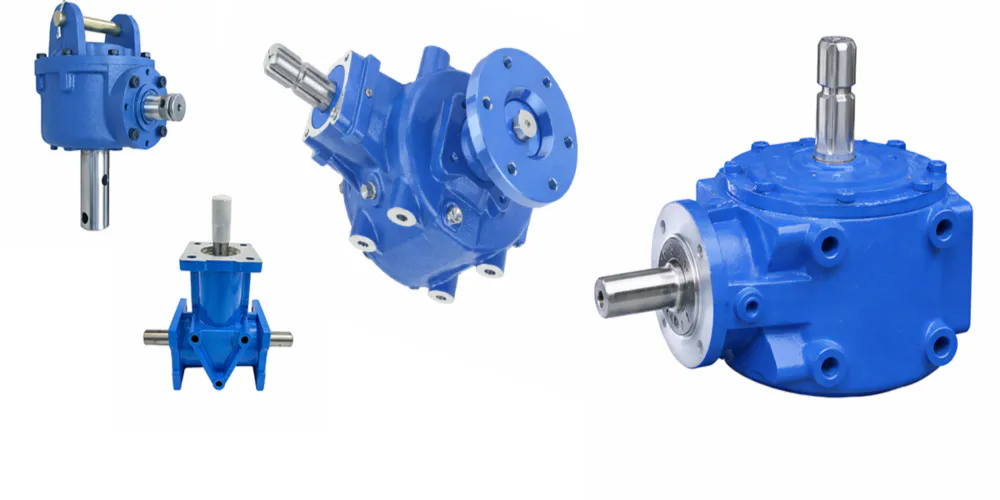
Our automatic self-cleaning filters operate on a differential pressure principle. When the screen traps enough debris to cause a specific pressure drop (typically 0.5 bar), the internal sensors trigger the cleaning cycle. A high-torque reductor agrícola activates the rotating suction scanner, which “vacuums” the debris from the inside of the screen while the filter remains online. This process utilizes the internal water pressure to flush waste through a dedicated drain valve. The material selection is critical for longevity in tropical environments. We utilize SUS316L stainless steel for our multi-layer screens to resist the corrosive nature of fertigation chemicals. The housing is constructed from high-tensile carbon steel coated with a 300-micron fusion-bonded epoxy, ensuring resistance to UV radiation and the abrasive dust common in the Brazilian Cerrado. This robust construction, combined with our precision caja de cambios agrícola components, ensures a service life exceeding 15 years under standard maintenance protocols.
4. Compliance and Local SEO: Navigating Brazil’s NR-12 and Global Standards
For any fabricante agrícola, entering the Brazilian market requires more than just a high-quality product; it requires strict adherence to NR-12 (Norma Regulamentadora 12), which governs the safety of machinery and work equipment. Our filtration units are designed with fully enclosed drive systems and safety interlocks for the caja de cambios agrícola components, ensuring that operators are protected during maintenance. In states like Rio Grande do Sul and Paraná, where agricultural inspectors are particularly active, Agrinulear Nucleo Agro provides all technical manuals and safety warnings in Portuguese, fully compliant with ABNT standards. Furthermore, we recognize that our clients in neighboring Argentina and Paraguay face similar challenges with high-sediment river water. Our global certification suite, including the EU CE Machinery Directive and ASABE irrigation codes, ensures that our head-hub solutions are ready for export to any market where reliability is paramount.
Strategic localized search (Local SEO) is at the heart of our service. Whether you are a procurement manager in Ribeirão Preto searching for “filtros autolimpantes” or a farm owner in Sorriso looking for “reductor agrícola for irrigation hubs,” our network of distribution points ensures that technical support is always within reach. By integrating our knowledge of local crop seasons—such as the soybean harvest in Mato Grosso or the coffee flowering in Minas Gerais—we optimize our maintenance schedules to ensure your filters are in peak condition when you need them most. This commitment to local relevance, backed by our authority as a leading fabricante agrícola, is what builds the long-term trust (EEAT) that defines the Agrinulear brand in South America.
5. The Future of Filtration: IoT Integration and Hybrid Drives
The Brazilian agricultural sector is rapidly transitioning towards “Agriculture 4.0.” The next generation of self-cleaning filters will not just filter water; they will act as data hubs for the entire irrigation system. We are already seeing a trend towards IoT-integrated filters that monitor real-time pressure, flow, and turbidity, transmitting this data via LoRaWAN to cloud-based farm management software. At the mechanical level, the evolution of the caja de cambios agrícola used in these filters is moving towards “Smart Drives”—hybrid systems that can switch between hydraulic and electric power depending on the solar availability at the pump station. This reduces the energy footprint of the head-hub by up to 30%, a vital factor as carbon credits become a new revenue stream for Brazilian farmers. As the preferred fabricante agrícola for forward-thinking estates, we are at the forefront of these innovations, ensuring our clients are always one step ahead of the curve.
6. Engineer’s Field Notes: Global Filtration Success Stories
Case 1: Brazil (Mato Grosso) – High-Silt River Water
Customer: J. Ferreira Group | Purpose: Cotton irrigation from the Teles Pires River.
Note: “The fine sand was eating our manual filters. We installed the Agrinulear automatic system with the reinforced reductor agrícola drive. After one full harvest, our dripper blockage rate dropped from 15% to zero. The NR-12 compliance was a huge plus for our safety audits.”
Case 2: USA (California) – Hard Water & Salinity
Customer: West Coast Almonds | Purpose: Deep-well filtration for orchard irrigation.
Note: “Scale buildup was our nemesis. The SUS316L screen in the Agrinulear filter handled the high minerals perfectly. Their caja de cambios pto-compatible auxiliary drive options made it easy to integrate with our mobile pump units.”
Case 3: France (Loire Valley) – Organic Horticulture
Customer: Bio-Veg France | Purpose: Precise water management for organic seedlings.
Note: “We needed a filter that didn’t waste water during cleaning. The backwash ratio on this unit is exceptionally low. It’s clearly built by a professional fabricante agrícola who understands water scarcity.”
Case 4: Australia (Queensland) – Remote Cane Farms
Customer: Northern Sugar Estates | Purpose: Remote head-hub management.
Note: “The LoRa connectivity is a game changer. We can see the filter status from 20km away. The rugged caja de cambios agrícola design has survived two seasons of extreme heat without a single oil change.”
Case 5: India (Punjab) – Multi-Crop Rotation
Customer: Progressive Farmers Coop | Purpose: General irrigation support for rice and wheat.
Note: “We swap between river and pond water. The versatility of the filtration degrees and the robustness of the reductor agrícola makes this the most reliable piece of kit on our hub.”
7. The Integrated Power Ecosystem: Beyond Filtration
At Agrinulear Nucleo Agro, we believe that a truly efficient farm is built on a unified power transmission and water management strategy. Our automatic filters are designed to work in perfect harmony with our extensive range of cajas de cambio agrícolas. We don’t just supply individual components; we provide a complete drivetrain ecosystem. Whether you are equipping a high-capacity harvester or a precision head-hub, our parts are engineered for seamless compatibility. This “one-stop shop” approach reduces supply chain complexity, ensures standardized maintenance protocols, and provides a single point of technical accountability for the most critical systems on your farm.
Transmission Systems
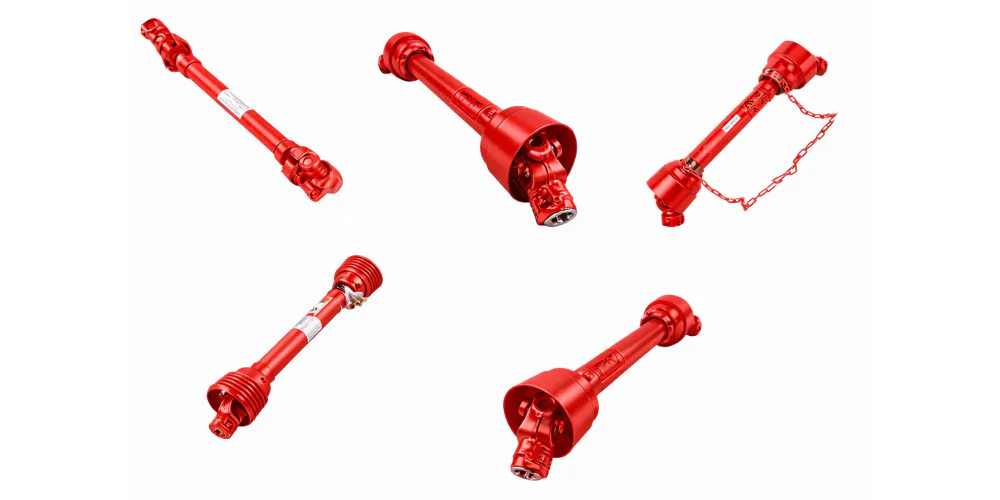
Heavy-duty pto shaft solutions and precision sprocket assemblies for all machinery types.
Drive Accessories
High-tensile pulley drives and hardened gears for balers, mowers, and specialty harvesters.
Full-Range Gearboxes
From caja de cambios pto units to complex reductor agrícola systems for every possible agricultural application.
PREGUNTAS FRECUENTES
Q1: How does a hydraulic-drive reductor agrícola impact the overall energy efficiency of a filtration hub?
A1: A hydraulic-drive system utilizes the existing water pressure to actuate the cleaning cycle, meaning no external electrical power is required at the point of application. By using a high-efficiency reductor agrícola, we ensure that the maximum amount of hydraulic energy is converted into scanning torque, reducing the “pressure overhead” required from your main pumps and saving on fuel or electricity costs.
Q2: What is the primary cause of filter screen failure in the abrasive red clay soils of Brazil?
A2: The “Terra Roxa” contains fine silicates that act as an abrasive. If the cleaning scanner isn’t perfectly synchronized by a high-precision caja de cambios agrícola, the uneven suction can cause localized erosion on the stainless steel mesh. Our filters use a constant-speed scanning logic to ensure uniform cleaning and extended screen life even in the most abrasive conditions.
Q3: Why is NR-12 compliance so important for automatic filters using caja de cambios pto interfaces in São Paulo?
A3: NR-12 is a mandatory labor safety law in Brazil. If your machinery—especially high-torque components like the cleaning drive or caja de cambios pto—lacks the required safety shields and documentation, you risk heavy fines and immediate site shutdown. As an authorized fabricante agrícola, we guarantee that all Agrinulear products are fully compliant with these stringent local regulations.
Q4: Can these filters handle the high-acid fertilizers common in Mato Grosso fertigation systems?
A4: Absolutely. We use SUS316L sintered stainless steel and high-grade EPDM seals specifically because they are resistant to the corrosive chemicals used in modern Brazilian agriculture. Our epoxy coatings are also “fertigation-proof,” ensuring the housing remains rust-free for decades.
Q5: Which filtration degree is recommended for Netafim or Rivulis drippers in coffee irrigation?
A5: Most precision drippers require 130 microns (120 mesh) or finer. However, for the high-silt river water in Minas Gerais, we often recommend a two-stage approach: a 200-micron pre-filter followed by our 100-micron automatic self-cleaning unit. This dual strategy protects your caja de cambios agrícola drives from excessive cycles while maintaining emitter health.
Q6: Where can I find genuine ever-power reductor agrícola spare parts in the MATOPIBA region?
A6: Agrinulear Nucleo Agro has established dedicated service hubs in Luís Eduardo Magalhães (Bahia) and Balsas (Maranhão). We maintain a full stock of gears, seals, and PLC controllers, ensuring that any maintenance requirement is handled within 24-48 hours, keeping your downtime to an absolute minimum.
Q7: How do you adjust the backwash duration if our water turbidity increases during the rainy season?
A7: Our filters feature an intuitive PLC interface. You can easily adjust the “Cleaning Window” or the differential pressure set-point via the touchscreen or remote app. This flexibility is essential for handling the seasonal river changes common in Brazil’s Central-West region.
Q8: Does the caja de cambios agrícola used in the scanner require specialized lubricant for tropical climates?
A8: Yes, we pre-fill our gearboxes with a synthetic ISO VG 220 oil that is stable at ambient temperatures up to 50°C. Standard oils can thin out in the intense sun of Goiás, leading to premature gear wear. Our lubricant strategy is a key part of our EEAT commitment to engineering excellence.
Q9: Are there cost-saving benefits to using your filters in large-scale pivot irrigation systems?
A9: Definitely. By preventing nozzle clogs, you ensure uniform water distribution, which can increase yield by up to 12%. Furthermore, reducing the frequency of manual filter cleaning saves significant labor costs—a critical factor for large estates managing over 5,000 hectares.
Q10: When should I consider replacing the entire filter housing instead of just the internal reductor agrícola?
A10: If the housing shows structural pitting due to electrochemical corrosion (common in high-mineral water), it’s time for a full replacement. However, if the issue is just rotational fatigue, replacing our modular reductor agrícola is a cost-effective way to restore your system to factory performance.
Editor: PXY