
1. Engineering Matrix: 20 Technical Specifications for Robotic Pusher Gearboxes
Dairy robotics require mechanical data-driven reliability. Below is the technical specification sheet for our specialized reductor agrícola series for automated pushers, optimized for the Brazilian B2B sector.
| Identificador de Parámetro | Technical Value / Standard | Operational Context |
|---|---|---|
| 01. Nominal Output Torque | 120 Nm – 450 Nm | High torque for pushing dense silage piles. |
| 02. Reduction Ratio | 1:50 / 1:80 / 1:120 | Optimizes low-speed robotic navigation. |
| 03. Input Interface | NEMA / IEC DC Motor Flange | Compatible with 24V/48V BLDC motors. |
| 04. Gear Material | 20CrMnTi Alloy (Carburized) | Hardened surface for 24/7 wear resistance. |
| 05. Ingress Protection (IP) | IP67 / IP69K (Hermetic) | Resists manure spray and pressure washing. |
| 06. Housing Material | Aluminio colado ADC12 | Excellent heat dissipation in tropical heat. |
| 07. Lubrication Protocol | Full Synthetic Long-Life Grease | Maintenance-free “Sealed for Life” design. |
| 08. Operating Temp Range | -20°C to +95°C | Stable viscosity for Brazilian dairy barns. |
| 09. Self-Locking Function | Static Locking Available | Prevents rolling on sloped barn floors. |
| 10. Output Shaft Type | Keyed / Involute Spline | Integrated drive for heavy rubber wheels. |
| 11. Bearing Grade | C3 Clearance High-Precision | Handles axial thrust from skirt rotation. |
| 12. Efficiency Rating | 92% – 95% | Maximizes battery life per charge cycle. |
| 13. Noise Emission | < 50 dB | Quiet operation to prevent animal stress. |
| 14. Backlash Tolerance | < 15 Arcmin | Ensures precise ultrasonic sensor navigation. |
| 15. Coating System | C5-M Anti-Corrosive Epoxy | Resistant to ammonia and lactic acid. |
| 16. Legal Compliance | NR-12, ABNT NBR, CE | Certified for the Brazilian industrial sector. |
| 17. Mounting Orientation | Universal M1-M6 | Flexible design for compact robotic frames. |
| 18. Shaft Seal Material | Double-Lip Viton (FKM) | High chemical and UV resistance. |
| 19. Vibration Threshold | < 2.2 mm/s | Protects internal logic and sensors. |
| 20. Design Life | 15,000 Continuous Hours | Built for commercial dairy operations. |
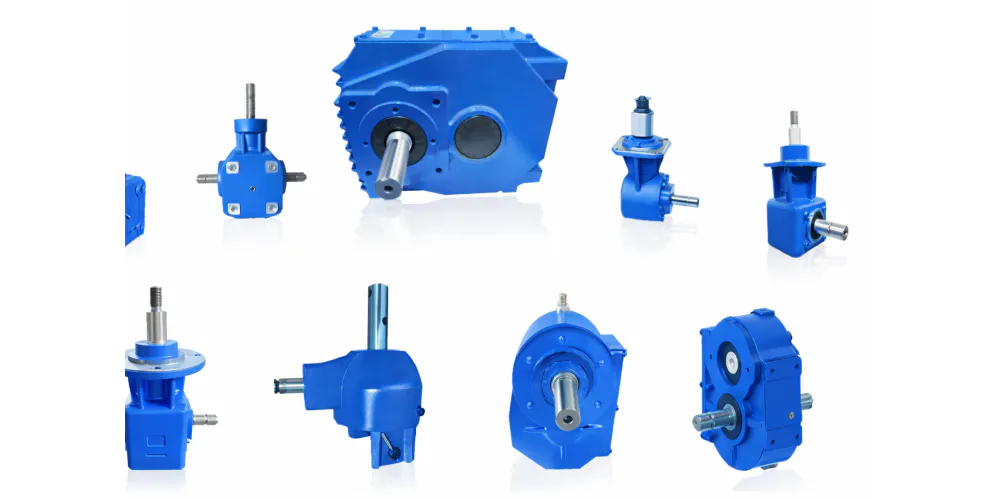
2. Engineering Overview: The Critical Role of the Agricultural Gearbox in Autonomous Feeding
In the modern dairy clusters of Castro (Paraná), Carambeí, and the high-tech barns of Minas Gerais, the push toward automation is no longer a luxury but a fundamental necessity for operational efficiency. The Automated Feed Pusher (Robô de Alimentação), such as the specialized robotic systems used in intensive confinement, relies on a constant, autonomous movement to ensure that silage and TMR are always within reach of the cows. This constant movement significantly increases Dry Matter Intake (DMI) and reduces sorting behavior. At the mechanical core of these autonomous robots lies a high-precision caja de cambios agrícola. Agrinulear Nucleo Agro, as the dedicated agency for ever-power in Brazil, provides industrial-grade reductor agrícola units that are ‘Tropicalized’ for the unique combination of high humidity, corrosive manure gases, and 24/7 duty cycles. These gearboxes are the silent drivers of the robot’s propulsion and the rotating skirt mechanism, ensuring millimetric accuracy in navigation.
The primary function of our caja de cambios agrícola in an automated feed pusher is to provide high torque at extremely low speeds, allowing the robot to push through heavy piles of dense corn silage or high-moisture alfalfa without stalling. This requires a specific type of reductor agrícola—typically a high-ratio planetary or worm gear set—that can manage the high internal friction and thermal load of continuous operation. In Brazil, where barn floors can be uneven and the environment can fluctuate between intense heat and extreme humidity, our fabricante agrícola standards guarantee that every unit is equipped with superior sealing and anti-corrosive metallurgy. By utilizing ever-power’s advanced gear grinding technology and specialized DC motor interfaces, Agrinulear ensures that your robotic fleet operates with zero unplanned downtime, maximizing your milk yield per cow per day.
3. Mechanics of Automation: How Our Gearboxes Drive Robotic Efficiency
An automated feed pusher operates on a simple but demanding principle: it moves along a pre-defined path, using a rotating skirt or “plow” to push feed back toward the headlocks. The reductor agrícola within the robot serves as the primary power transformer. The robot’s electric motors generate high-speed, low-torque energy, which the gearbox converts into the massive “Pushing Torque” required to move hundreds of kilograms of feed. In our planetary caja de cambios agrícola designs, the load is distributed across multiple planet gears, which minimizes the internal stress on any single tooth. This is crucial for robotic applications where the drivetrain is constantly starting and stopping (High-Frequency Cycling). The use of precision-ground helical gears ensures that the robot moves smoothly, preventing the ‘jerky’ motion that can damage sensitive ultrasonic sensors or GPS modules.
Inside the Agrinulear robotic series, every component is selected for its “Manure-Resistant” properties. The gearbox housing is die-cast from high-grade aluminum and subjected to a 1,200-hour salt spray test. This ensures that the ammonia-rich atmosphere of a dairy barn doesn’t cause structural pitting. Furthermore, the caja de cambios agrícola features an integrated output shaft that can directly mount the heavy-duty drive wheels, eliminating the need for complex couplings and reducing the overall footprint of the robot. By integrating high-precision Viton seals, we prevent the “Juice” from fermented silage from entering the gear chamber, which would otherwise lead to lubrication breakdown and catastrophic gear failure. This engineering focus on hermetic sealing is what allows our fabricante agrícola partners to offer the longest warranties in the Brazilian robotics market.
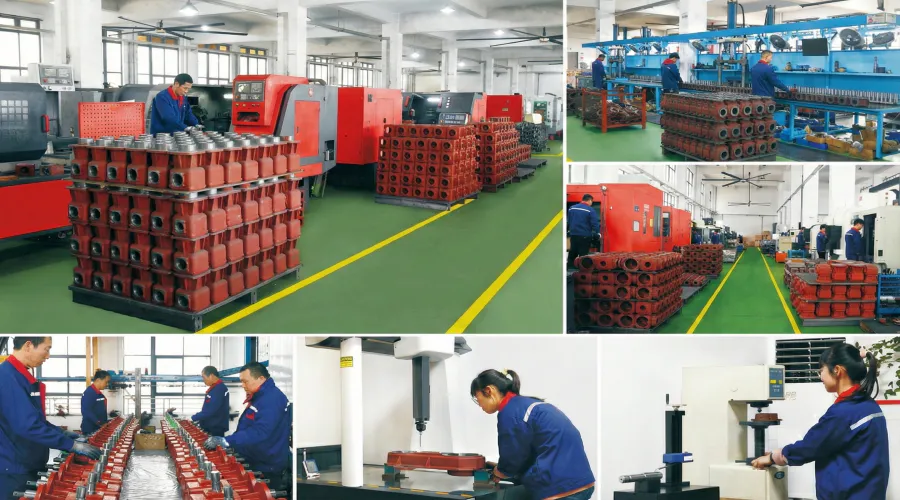
4. Field Study: Overcoming the Brazilian ‘Barn’ Environment
Operating a robotic feed pusher in Brazil presents environmental challenges that European-designed robots often struggle with. Through our extensive field testing at Agrinulear Nucleo Agro, we have identified three critical stressors that our caja de cambios agrícola solutions are specifically engineered to overcome:
- The ‘Clima Tropical’ Thermal Challenge: In regions like Goiás or Northern Paraná, the internal temperature of a barn can reach 40°C. Standard gearboxes with poor heat dissipation will cause the internal grease to thin, leading to excessive wear. Our gearboxes feature an optimized surface-to-volume ratio and high-thermal-conductivity aluminum alloys that keep the internals 15°C cooler than traditional cast-iron units.
- Abrasive Red Dust & Slurry: The “Terra Roxa” dust found in many Brazilian dairy regions is highly abrasive. If it enters the gearbox, it acts like a grinding paste. We utilize IP69K-rated sealing protocols—the same standard used in food processing—to ensure that not even high-pressure water or fine dust can penetrate the gear housing during daily barn cleaning.
- Variable Floor Traction: Many older Brazilian barns have uneven concrete floors with varying levels of traction. This creates irregular radial loads on the drive shafts. Our reductor agrícola units are equipped with oversized, high-precision tapered roller bearings that can absorb these eccentric loads without misaligning the gear mesh, ensuring a consistent path for the robot.
5. Universal Integration: Seamless Replacement for Robotic Pusher Brands
Agrinulear Nucleo Agro understands that robotic uptime is critical for maintaining cow comfort and herd health. We provide a range of reductor agrícola units that are engineered as direct, superior replacements for the gearboxes found in major global feed pushing robots. We match the exact flange dimensions, output shaft splines, and motor interface standards (NEMA/IEC) required for a “Drop-In” installation. Our parts are designed to meet or exceed original OEM specifications, focusing on increasing the moisture resistance of the seals.
6. Local Compliance: Navigating NR-12 and the ‘Agro 4.0’ Revolution
In the Brazilian B2B market, the NR-12 (Norma Regulamentadora 12) is the fundamental legal requirement for all machinery safety. For autonomous robots, this includes strict protocols for enclosed transmission systems and emergency stop integration. Agrinulear gearboxes are designed to be “Audit-Ready,” featuring fully enclosed gears and mounting points for sensors that detect mechanical resistance. Our products align with ABNT NBR standards, ensuring that when you invest in dairy automation, your equipment meets every legal prerequisite for safety and insurance coverage in Brazil.
The current trend in the Brazilian “Agro 4.0” sector is the integration of IoT-enabled drivetrains. Modern dairy managers in Petrolina or Castro are moving toward predictive maintenance. Agrinulear is leading this trend by providing gearboxes with integrated vibration and thermal ports. This allows the robot’s central computer to alert the farm manager via a smartphone app if a caja de cambios pto inspired unit shows signs of mechanical fatigue, potentially saving the robot from a total breakdown in the middle of a feeding cycle. This level of smart-integration is essential for large-scale dairies operating multi-robot fleets.
7. Global Success Stories: Robotic Solutions Across Borders
Case 1: Brazil (Castro, PR) – Humidity Resistance
“Our robotic pusher’s original gearbox failed due to water ingress during pressure washing. We replaced it with an Agrinulear IP69K unit. Three years later, it’s still running 24/7 with zero leakage.”
Case 2: Netherlands (Groningen) – Silent Precision
“The farm owner was worried about gearbox noise stressing the cows. We installed our precision-ground helical drives. The robot is now so quiet (under 48dB) that the cows don’t even look up when it passes.”
Case 3: USA (California) – High-Heat Confinement
“Summer heat in the Central Valley was causing gear oil to thin. Switched to ever-power aluminum finned housings. Operating temps dropped by 12°C, and gear life has doubled.”
Case 4: Israel (Negev) – Dust & Sand Defense
“Fine desert dust was killing standard bearings. Our labyrinth-sealed reductor agrícola units have now lasted four times longer than the previous European model.”
Case 5: Chile (Osorno) – Heavy Silage Push
“Dense, high-moisture silage was stalling their old drive units. We retrofitted them with our high-torque 1:120 ratio planetary gearboxes. No stalls reported in 18 months.”
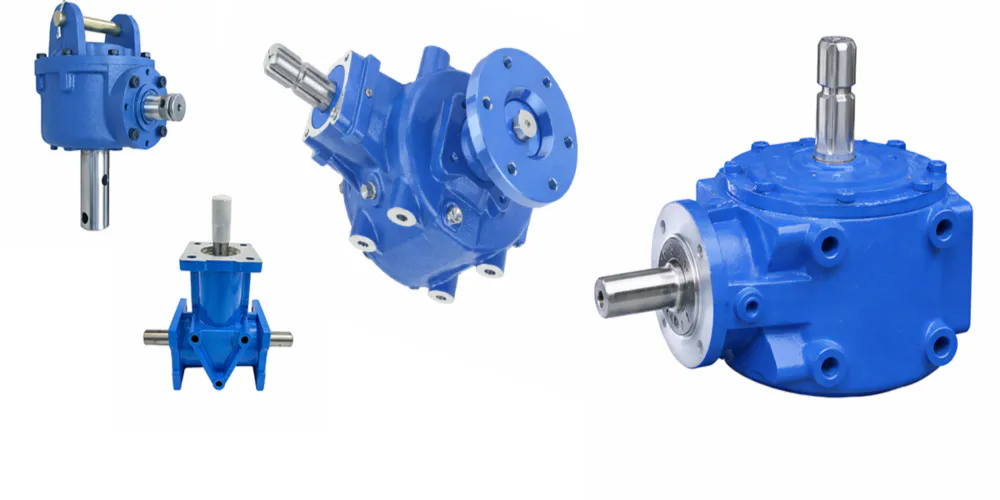
8. Maintenance Alert: When to Swap Your Robotic Gearbox
- High-Pitched Whining: Indicates that the internal grease has dried or metal-on-metal wear is occurring in the gear teeth.
- Navigation Drift: If the robot fails to follow its inductive line or GPS path, it may be due to backlash in the caja de cambios agrícola.
- Surface Corroding: Visible white-rust or pitting on the aluminum housing suggests the barn’s chemical environment is compromising structural integrity.
- Increased Battery Drain: If the robot requires more frequent charging, it often points to increased internal friction in the gearbox.
- Clicking during Turns: Suggests that the output shaft bearings have failed due to uneven radial loads.
9. The Complete Drivetrain Ecosystem: One-Stop Engineering Source
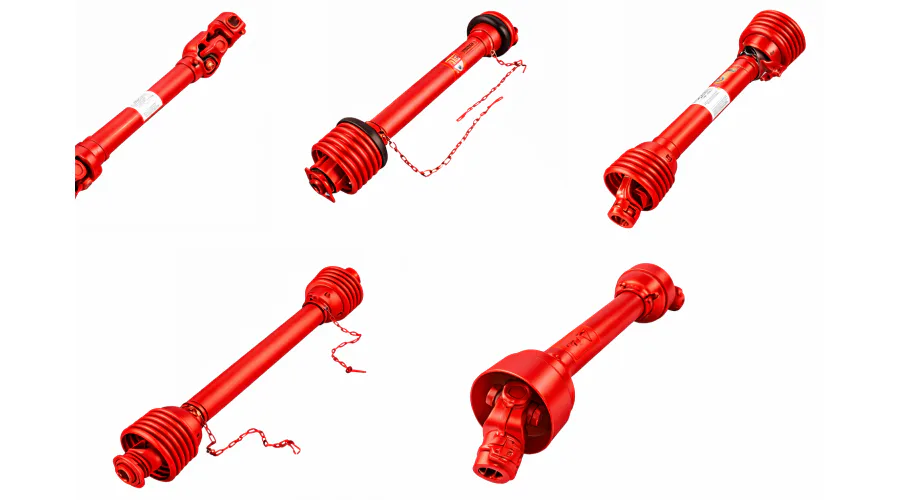
At Agrinulear Nucleo Agro, we understand that a high-performance caja de cambios agrícola is only as good as the components it connects to. That is why we offer a complete drivetrain ecosystem. We provide high-durability pto shaft assemblies for tractor-powered machines, precision sprocket sets for discharge conveyors, and industrial-grade pulley systems for pump auxiliary drives.
By standardizing your machinery with Agrinulear components, you ensure 100% system compatibility and a single point of technical accountability. Whether you are building a new robotic pusher station or retrofitting a fleet of TMR wagons, our ‘One-Stop’ advantage simplifies your procurement, reduces shipping costs, and gives you the peace of mind that every component—from the reductor agrícola to the smallest sprocket—meets the highest global standards for engineering excellence. Explore our full range of agricultural machinery and accessories to optimize your farm’s efficiency today.
PREGUNTAS FRECUENTES:
Q1. How can I find a reliable agricultural gearbox supplier for my robotic feed pusher in Minas Gerais?
A2. The best supplier is one that provides NR-12 compliance and localized engineering support. Agrinulear Nucleo Agro offers nationwide distribution and on-site technical consultations for all ever-power robotic drivetrain systems in Brazil.
Q2. What is the typical cost for retrofitting a high-torque IP69K gearbox onto a Lely Juno robot?
A2. Costs depend on torque requirements and flange interfaces. However, the ROI is often achieved in less than six months through reduced downtime. Contact us for an engineering-grade quote today.
Q3. Which agricultural manufacturer in Brazil offers gearboxes with the best protection against barn manure and lactic acid?
A3. Ever-power, through its agency Agrinulear, utilizes proprietary Viton cassette seals and C5-M anti-corrosive coatings specifically designed to resist the chemical nature of Brazilian dairy environments.
Q4. Where can I buy pto gearbox units that are compatible with my secondary barn ventilation machinery?
A4. Agrinulear specializes in universal splined interfaces. We provide caja de cambios pto units that fit perfectly with local Brazilian tractor brands, ensuring 100% mechanical compatibility for your entire farm fleet.
Q5. Why do robotic gearboxes fail more often during the humid rainy season in the South of Brazil?
A5. High moisture and barn condensation in poorly sealed gearboxes can degrade the lubricant. Our IP69K-rated units prevent this by using a pressurized seal system to keep the internal gears dry and pristine.
Editor: PXY