
1. Technical Specifications and Performance Metrics
| Parameter Attribute | Specification Details | Performance Impact |
|---|---|---|
| Material de vivienda | High-Pressure Die-Cast Aluminum (ADC12) | Corrosion resistance & heat dissipation |
| Gear Material | 20CrMnTi Alloy Steel (Heat Treated) | Maximum torque resistance and wear life |
| Max Planting Speed | Up to 1.2 m/s (High-Speed Rotary) | Increased seasonal efficiency |
| Tipo de lubricación | EP-00 Lithium-based Grease / SAE 90 Oil | Reduced friction & extended service intervals |
| Sealing System | Multi-lip Viton Seals + Dust Shield | Prevents contamination in mud/water |
| Precision Tolerance | DIN Class 6 (Gear Grinding) | Silent operation and zero-backlash timing |
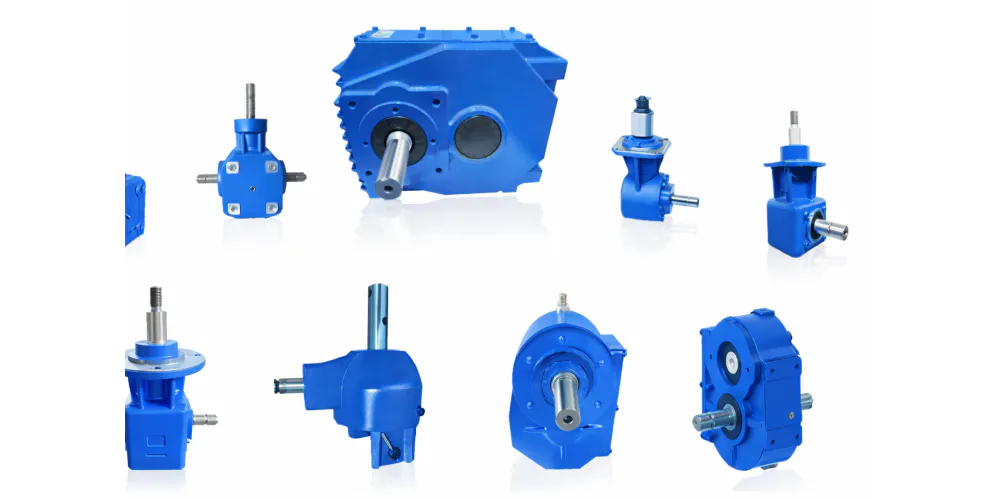
2. Advancing Brazilian Rice Cultivation with High-Performance Transmission Systems
Brazil stands as a global powerhouse in agricultural production, and the rice sector, particularly in regions like Rio Grande do Sul and Santa Catarina, demands nothing less than mechanical perfection. At Agrinulear Nucleo Agro (Ever-power Brazil Agency), we recognize that the planting case, or rotary case, is the mechanical heart of any modern high-speed rice transplanter. This sophisticated transmission component is responsible for converting rotational energy from the main drive shaft into the precise, rhythmic motion required for the planting claws. In the challenging terrain of Brazilian wetlands, where soil consistency can vary drastically, the reliability of the planting case determines the uniformity of the crop. A minor deviation in gear timing or a failure in the rotary seal can lead to skipped plantings or damaged seedlings, directly impacting the final yield. Our engineering focus centers on creating a transmission environment that minimizes friction while maximizing torque delivery to the transplanting arms, ensuring that every seedling is placed at the optimal depth and spacing regardless of the operational speed.
The complexity of the rotary case lies in its internal planetary gear sets and eccentric cams. Unlike standard gearboxes, the planting case must execute a non-linear trajectory for the planting needle, mimicking the delicate hand-motion of manual labor but at a frequency of over 400 strokes per minute. This requires a level of manufacturing precision that only high-end CNC machining and rigorous heat treatment can provide. In the Brazilian market, where machinery often operates for extended hours during the peak planting window, thermal stability within the case is paramount. We utilize advanced synthetic lubricants and optimized housing designs to dissipate heat efficiently, preventing the degradation of seals and ensuring the longevity of the internal needle bearings. By integrating the latest Japanese and European design philosophies with local Brazilian field testing, Agrinulear Nucleo Agro provides a product that is not just a spare part, but a significant upgrade to the machine’s overall efficiency and operational lifespan.
3. Operational Dynamics: Working Principles, Material Science, and Field Application
The working principle of the Agrinulear planting case is based on a sophisticated rotary-eccentric mechanism. As the power-take-off (PTO) shaft engages, the internal sun gear drives the planetary gears, which are linked to the planting arm carriers. This arrangement allows the planting needles to perform a specialized “D-curve” motion. This curve is essential for the needle to enter the seedling tray, pick up a precise amount of soil and root mass, and then plunge into the flooded field without creating excessive turbulence that could dislodge the plant. The precision of this trajectory is maintained by a series of cam-guided tracks within the case. Any wear in these tracks would lead to “vibration chatter,” which is why our cases feature reinforced guide rails. In the Brazilian context, where farmers often transition between different rice varieties, the ability of our rotary case to maintain consistent timing under varying load conditions is a decisive advantage. The synchronization between the lateral movement of the seedling platform and the vertical stroke of the planting case is managed through a secondary output shaft, ensuring a perfect grid pattern in the field.
Material selection is the foundation of our durability promise. The external housing of the Agrinulear planting case is cast from a high-grade ADC12 aluminum alloy, which provides an excellent strength-to-weight ratio and superior corrosion resistance—a critical factor for machinery constantly exposed to water and agricultural chemicals. Internally, the gears are forged from 20CrMnTi alloy steel, subjected to carbonitriding heat treatment to achieve a surface hardness of HRC 58-62. This ensures that the gear teeth can withstand high impact loads without chipping. Furthermore, we employ double-lipped Viton oil seals to prevent the ingress of muddy water, which is the leading cause of premature gearbox failure in tropical climates like Brazil’s. The use of specialized needle roller bearings from Tier-1 global suppliers ensures that rotational friction is kept to an absolute minimum, allowing the transplanter to operate with lower fuel consumption and reduced vibration, thereby enhancing the comfort of the operator during long shifts.
4. Regulatory Framework: Compliance with Brazilian NR-12 and Global Standards
In the Brazilian agricultural machinery landscape, safety and operational compliance are governed strictly by the NR-12 (Norma Regulamentadora 12). This regulation dictates the safety standards for machinery and equipment, emphasizing the protection of operators from moving parts. Agrinulear Nucleo Agro ensures that all planting cases are designed with integrated shielding and smooth external surfaces to prevent entanglement, meeting all requirements for safety certification in Brazil. Our transmission systems are designed to be “tamper-evident” and feature clear maintenance access points that do not compromise the structural integrity of the machine’s safety guards. Furthermore, for export and high-end local markets, our products adhere to ISO 4254-1, the international standard for agricultural machinery safety. This ensures that every component, from the smallest circlip to the main rotary case, undergoes stress testing that mimics a decade of field usage, providing peace of mind for Brazilian agro-industrial enterprises that prioritize both safety and uptime.
Beyond Brazil, the global rice-growing community in regions like Japan (MAFF standards) and the European Union (CE Marking) sets a high bar for environmental and mechanical efficiency. Agrinulear components are engineered to meet these stringent global benchmarks, particularly regarding noise levels and vibration emission (ISO 2631). In Vietnam and Thailand, where rice intensification is at its peak, our gearboxes are recognized for their ability to handle “double-cropping” schedules without mid-season failures. We also comply with REACH and RoHS standards regarding the materials used in our seals and coatings, ensuring that no harmful chemicals leach into the paddy water during the planting process. By maintaining these high standards, Agrinulear Nucleo Agro not only serves the Brazilian farmer but contributes to a global movement toward sustainable and highly mechanized food production systems.
| Region | Regulatory Body / Standard | Focus Area |
|---|---|---|
| Brazil | NR-12 / ABNT NBR ISO 4254 | Operator Safety & Mechanical Shielding |
| European Union | CE Directive 2006/42/EC | General Machinery Safety & Reliability |
| Japan | JIS B 9112 | Rice Transplanter Specific Performance |
| Global | ISO 9001:2015 | Quality Management in Manufacturing |
5. Future Trends in Rice Transplanter Transmission Technology
The agricultural machinery industry is currently witnessing a paradigm shift toward “Intelligent Mechanization.” In Brazil, the trend is moving away from basic mechanical transplanters toward autonomous and GPS-guided units. This evolution places even greater demands on the planting case. Future rotary cases from Agrinulear Nucleo Agro are being designed to incorporate integrated sensors that monitor gear temperature and vibration in real-time. This “Predictive Maintenance” capability allows farmers to identify potential issues before they result in field downtime, which is crucial during the narrow planting windows of the South American summer. Additionally, there is a significant push towards “Zero-Maintenance” units. By utilizing advanced ceramic-hybrid bearings and self-lubricating composites, we are aiming to extend the service life of the rotary case to match the lifespan of the transplanter itself, eliminating the need for complex internal repairs.
Another emerging trend is the lightweighting of transmission components without sacrificing strength. As transplanters become larger and carry more seedling trays to increase efficiency, the weight of the planting arm assemblies must be reduced to prevent soil compaction and maintain machine buoyancy in deep mud. Our R&D team is currently testing magnesium-alloy housings and hollow-core gears that offer the same torque capacity as traditional steel but at a 30% lower weight. Furthermore, the integration of electronic variable-speed drives within the transmission system allows for “on-the-fly” adjustments to planting density. This means that a Brazilian farmer can vary the seedling spacing based on soil nutrient maps provided by drones, all facilitated by a highly responsive and digitally-interfaced planting case. Agrinulear Nucleo Agro is at the forefront of these innovations, ensuring our Brazilian clients are always one step ahead.
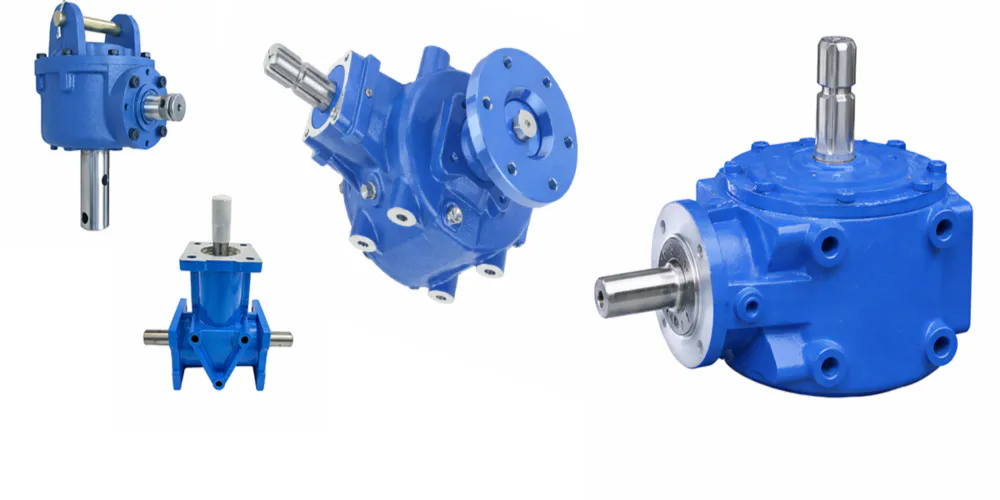
6. Voice of the Customer: Global Success Stories
“Switching to the Agrinulear rotary cases transformed our planting efficiency in Pelotas. The precision timing is unmatched, and we’ve seen a noticeable decrease in fuel consumption thanks to the smoother gear operation. A truly reliable partner for Brazilian rice farmers.”
— Ricardo S., Farm Manager (Brazil)
“We have used these planting cases for over three seasons in our intensive rice projects in Niigata. The durability of the heat-treated gears is exceptional. Even after hundreds of hours, the mechanical noise remains low and the planting accuracy stays high.”
— Kenji Tanaka, Technical Director (Japan)
“In the humid and muddy conditions of the Mekong Delta, sealing is everything. The Agrinulear dual-seal system has proven to be the most effective at keeping contaminants out of the gearbox. It’s the standard we now use for our entire fleet.”
— Nguyen Van Minh, Agricultural Engineer (Vietnam)
7. Why Choose Us?
1. Comprehensive Solutions: We understand the importance of having reliable, compatible components in your machinery. By offering both agricultural gearboxes and PTO shafts, we ensure that every part works together perfectly, improving efficiency and reducing downtime.
2. Built for Durability: Our PTO shafts are constructed from high-quality materials to withstand the toughest working conditions. Whether you’re powering heavy-duty equipment or maintaining small-scale farming machinery, our PTO shafts provide the strength and reliability you need.
3. Seamless Integration: Designed to perfectly complement our agricultural gearboxes, our PTO shafts ensure smooth power transmission, enhancing the overall performance of your equipment. This seamless integration allows you to maximize productivity and reduce mechanical failures.
4. Customizable Options: We offer a wide range of PTO shaft options, from standard configurations to custom solutions, ensuring that your specific needs are met. Whether you’re working in agriculture, construction, or any related field, we’ve got the perfect PTO shaft for you.
5. Cost-Effective: By sourcing both agricultural gearboxes and PTO shafts from a single supplier, you save on costs and streamline your procurement process. Our products are designed to offer long-lasting value, reducing the need for frequent replacements.
6. Reliable Service and Support: Our team of experts is always available to assist with product selection, installation, and maintenance advice. We are committed to ensuring that your machinery runs smoothly and efficiently, so you can focus on your work without interruptions.
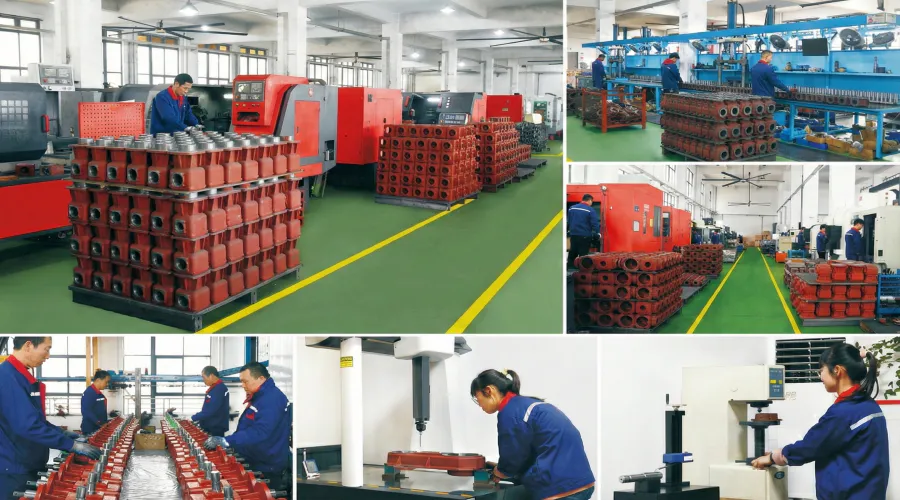
8. Related Products-PTO Shaft
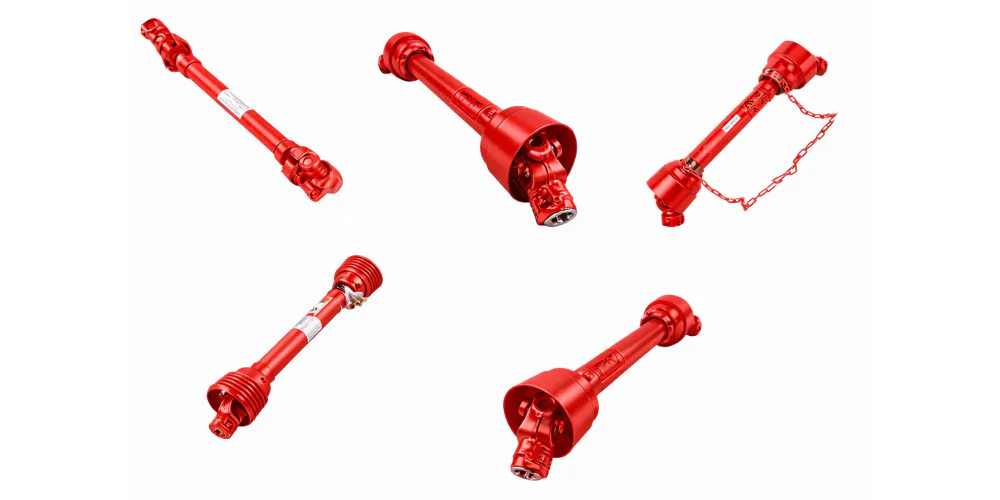
At EVER-POWER, we not only focus on producing high-quality agricultural gearboxes, but also on manufacturing a critical component that powers various agricultural and industrial applications – the power take-off shaft (PTO shaft). Our PTO shafts are designed to meet the demanding requirements of modern agricultural equipment, providing durability and efficiency for a wide range of operations. Compatible with local Brazilian industries.
Our PTO Shaft product types include: PTO Shaft for Discbines, PTO Shaft for Feed Mixers, PTO Shaft for Flail Shredders, PTO Shaft for Round Balers, and PTO Shaft for Square Balers.
Frequently Asked Questions
Q1. What is the expected lifespan of a rotary planting case when operating in the heavy clay soils found in Rio Grande do Sul?
A1. With proper maintenance and use of our recommended high-pressure lubricants, our rotary cases typically last 8-10 seasons, even in challenging soil conditions. The key is regular seal inspection to prevent abrasive mud from entering the gear assembly.
Q2. How can I get a quote for a bulk order of planting cases for my commercial rice farm in Brazil?
A2. You can request a personalized quote by contacting our local agency, Agrinulear Nucleo Agro. We provide tailored commercial packages based on the volume of units and the specific model requirements of your fleet.
Q3. Why should a professional rice supplier choose a high-speed rotary case over a traditional mechanical lever-type planting system?
A3. High-speed rotary cases offer up to 40% higher productivity and significantly better seedling placement accuracy. This allows for faster field completion and more uniform growth, which is essential for modern commercial rice production.
Q4. Where can I find a reliable supplier of genuine Agrinulear transplanter parts near the agricultural hubs of Mato Grosso?
A4. Agrinulear Nucleo Agro (Ever-power Brazil Agency) maintains a robust distribution network. We can ship genuine transmission components directly to your location with expedited logistics to minimize your machine’s downtime.
Q5. When is the best time to perform a full overhaul of the planting case transmission to ensure maximum performance?
A5. We recommend a comprehensive inspection and overhaul during the post-harvest off-season. Checking gear tolerances and replacing Viton seals annually ensures that your equipment is 100% ready for the next planting window.
Q6. Which technical features of the Agrinulear planting case contribute most to the reduction of operational costs for Brazilian farmers?
A6. The primary cost-saving features are the high-grade ADC12 aluminum housing for heat dissipation and our precision-ground 20CrMnTi gears. These components reduce energy loss and extend the interval between expensive mechanical failures.
Q7. What is the impact of precision gear timing in the rotary case on the overall seedling survival rate in flooded paddies?
A7. Precision timing ensures a gentle but firm “clutch and release” action. This prevents the needle from crushing the delicate rice stem, leading to a much higher survival rate compared to lower-quality, non-synchronized gearboxes.
Q8. How does Agrinulear ensure that its transmission systems comply with the strict NR-12 safety regulations required in the Brazilian market?
A8. Every Agrinulear unit is designed with safety-first principles, including integrated mechanical shielding and fail-safe mounting points. We provide full documentation to help your machinery pass local safety audits with ease.
Q9. Which specific lubricants are compatible with the high-speed planetary gears inside the rotary case for optimal thermal stability?
A9. We recommend using high-performance EP-00 lithium grease or a specialized SAE 90 gear oil. Using the correct lubricant is vital for maintaining low internal temperatures and preventing gear scoring during high-speed operations.
Q10. What are the main differences between the Agrinulear rotary case and cheaper aftermarket alternatives available in South America?
A10. The main differences lie in material quality and manufacturing precision. Cheap alternatives often use cast iron and lower-grade steel, leading to rapid wear, oil leaks, and poor planting accuracy that ultimately costs the farmer more in lost yield.
Editor: PXY