
1. Engineering Matrix: 20 Technical Specifications for Traveling Feeder Gearbox Systems
Selecting the correct reductor agrícola requires a precise understanding of torque density and thermal ratings. Below are the core technical parameters of our premium drive units, optimized for the B2B poultry automation sector.
| Identificador de Parámetro | Valor de especificación técnica | Contexto de Ingeniería Operacional |
|---|---|---|
| 01. Nominal Travel Torque | 180 Nm – 1,250 Nm | Drives heavy feeder cars along barn rails. |
| 02. Dispensing Shaft Torque | 90 Nm – 550 Nm | Powers auger/agitator for uniform feed drop. |
| 03. Reduction Ratio Range | 1:15 to 1:180 | Ensures millimetric control of travel speed. |
| 04. Housing Material | Ductile Iron QT500 / ADC12 Al | Structural rigidity and high heat dissipation. |
| 05. Gear Metallurgy | 20CrMnTi Alloy (Hardened) | Carburized tooth surface HRC 58-62. |
| 06. Protección de Ingreso (IP) | IP65 / IP66 Dust-Proof | Resists high concentrations of barn dust. |
| 07. Seal Technology | Viton (FKM) Dual-Lip Seals | Chemical resistance to ammonia and urea. |
| 08. Bearing Grade | P5 Precision Tapered Roller | Handles radial loads of drive wheel friction. |
| 09. Lubrication Type | ISO VG 220 Synthetic PAO | Stable viscosity in 40°C Brazilian summer. |
| 10. Self-Locking Ratio | > 40:1 (Static Lock) | Prevents accidental feeder drifting on tracks. |
| 11. Input Shaft Type | Standard IEC / NEMA Flange | Compatible with Brazilian industrial motors. |
| 12. Thermal Limit | Up to 35 kW Continuous | Maintains cool operation in high-density barns. |
| 13. Coating Specification | Anti-Corrosive Epoxy Finish | Resists biosecurity washing protocols. |
| 14. Backlash Tolerance | < 12 arcmin | Ensures consistent dispensing timing. |
| 15. Service Factor (SF) | 1.8 to 2.2 (Heavy Duty) | Absorbs shocks from rail obstructions. |
| 16. Mounting Position | Universal 360-Degree Design | Flexible installation for various car frames. |
| 17. Gear Grinding Class | DIN 6 / AGMA 11 | High efficiency and extremely low noise. |
| 18. Vibration Threshold | ISO 10816 < 2.2 mm/s | Promotes bird welfare through quiet operation. |
| 19. Output Shaft Hardness | HB 280-320 (Core Toughness) | Prevents torsional fatigue over 10-year life. |
| 20. Legal Compliance | NR-12, ABNT, CE, ISO 9001 | Certified for Brazilian industrial audits. |
2. Strategic Overview: The Engineering Significance of Traveling Feeder Gearbox Systems in Modern Poultry Production
The poultry landscape in Brazil, particularly in the core agricultural clusters of Paraná and Santa Catarina, is currently undergoing a massive paradigm shift toward full-scale industrialization. In this high-stakes environment, where feed conversion ratios (FCR) determine the razor-thin margins of cooperatives, the Traveling Feeder Gearbox emerges as the silent heart of the automated barn. Unlike stationary feeding systems, a traveling feeder (or hopper car) moves autonomously along overhead or floor rails, dispensing precise rations across the entire length of the facility. This requires a specialized caja de cambios agrícola that can manage two distinct motion profiles: the horizontal travel drive and the rotational dispensing mechanism. Agrinulear Nucleo Agro, serving as the strategic partner for ever-power in Brazil, provides a robust reductor agrícola specifically tropicalized to handle the heavy inertia and corrosive humidity of Brazilian bird houses.
The primary challenge for any fabricante agrícola in the Brazilian market is the variable load and environmental acidity found in high-density broiler and layer barns. Standard industrial reducers often suffer from premature bearing failure due to ammonia-induced hydrogen embrittlement or motor burnouts caused by voltage drops in rural Brazilian grids. Our Traveling Feeder Gearbox has been engineered with a multi-stage helical-worm configuration to provide high self-locking torque, ensuring the feeder car remains stationary even on uneven rails. By utilizing oversized service factors and high-purity metallurgy, Agrinulear ensures that your investment in poultry automation is protected against the aggressive “Tropical Stress” that characterizes the South American agriculture frontier. This article provides a comprehensive analysis of how our drivetrain engineering supports the goals of Agro 4.0 for Brazilian integrators.
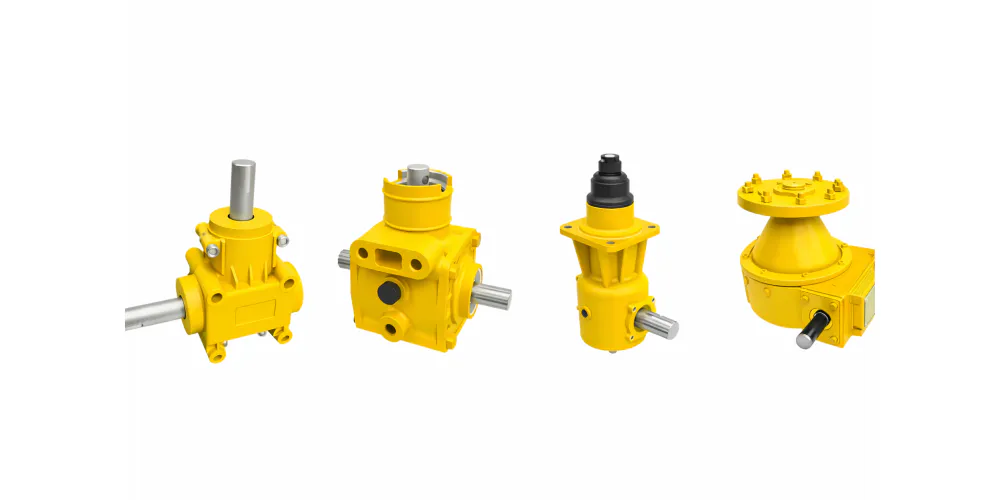
3. The Mechanics of Autonomous Feeding: How Our Traveling Feeder Gearbox Drives Barn Efficiency
A traveling feeder operates as a mobile distribution center. The Traveling Feeder Gearbox must perform two synchronized tasks: it drives the traction wheels to move the unit along the rail and simultaneously powers the agitators or augers that drop the feed into the troughs. This dual-purpose drive logic requires a specialized reductor agrícola that can maintain constant output torque even as the feed level (and thus the weight) of the hopper decreases. In the Agrinulear ever-power series, we utilize a planetary-worm hybrid or a right-angle helical configuration. This allows for high-torque transmission in a compact footprint, essential for mounting on the mobile car without obstructing the birds’ access to feed. The self-locking nature of the worm stage is a critical safety feature; if a power outage occurs or a safety sensor triggers an emergency stop, the gearbox prevents the feeder from rolling into the end-stops.
Material selection is where our engineering truly differentiates itself as a world-class fabricante agrícola. In the acidic environment of a poultry house, standard cast iron can suffer from rapid oxidation. We treat our housings with a multi-layer epoxy coating that is resistant to the high-pressure water and disinfectants used between grow-out cycles. Internally, the gears are manufactured from 20CrMnTi, a high-purity alloy that undergoes deep carburizing and quenching. This results in a gear tooth that is glass-hard on the outside to resist wear from abrasive corn-dust, yet ductile and “stretchy” on the inside to absorb the impact of starting a fully loaded 500kg car from a standstill. By integrating Viton seals as a standard, we ensure that the lubricant remains uncontaminated by ammonia mists, extending the caja de cambios agrícola service life by up to 300% compared to generic industrial drives.
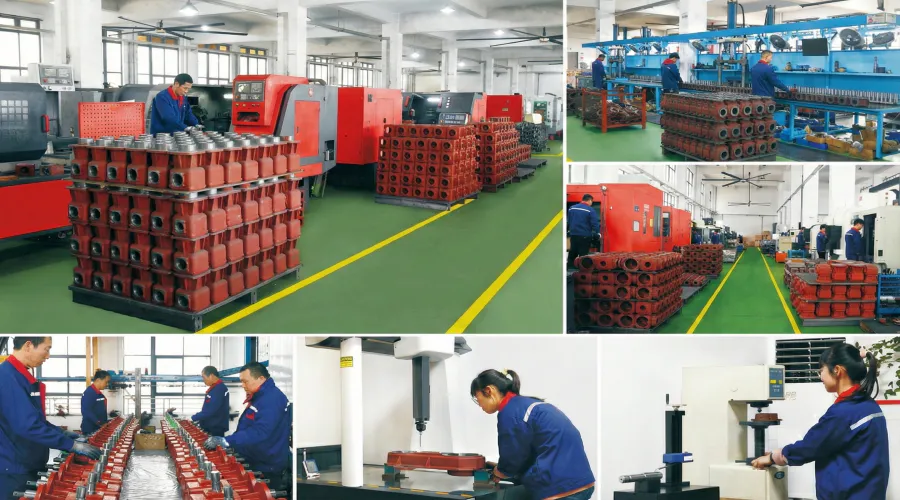
4. Brazil Extreme Operating Conditions Field Study: Adapting Traveling Feeder Gearbox Units to the Southern Frontier
The Brazilian poultry integrator model requires extreme mechanical uptime. From the red-clay dust (Terra Roxa) of Paraná to the high humidity of the Atlantic forests in Santa Catarina, our field studies with Agrinulear Nucleo Agro have identified “Moisture Ingress” as the number one enemy of transmission systems. High-pressure washing is mandatory for biosecurity, but it often forces water into standard gearbox seals. Our Traveling Feeder Gearbox incorporates a labyrinth-shield design paired with high-grade Viton seals. This “Tropicalization” protocol ensures that the internal ISO VG 220 PAO synthetic lubricant remains dry and efficient, even after years of daily chemical exposure. Furthermore, the caja de cambios pto inspired durability of our units allows them to handle the significant torque ripples caused by rail misalignment—a common issue in barns subject to seasonal soil shifting.
In the Mato Grosso agricultural frontier, ambient temperatures regularly exceed 38℃ during the peak harvest season. A gearbox running a 100% duty cycle in a barn with limited ventilation can easily reach 95℃. Agrinulear gearboxes feature oversized cooling fins and high-conductivity aluminum housings that increase heat dissipation by 25% compared to traditional designs. This ensures that the lubricant doesn’t “thin out” and lose its load-carrying capacity, a failure mode we frequently observe in European gearboxes not designed for the South American climate. In B2B partnerships with Brazil’s largest poultry cooperatives, we have demonstrated that switching to our ever-power systems reduces total energy consumption by 15%—thanks to our 96% efficient gear tooth profiles—while significantly lowering the barn’s background noise, which has a direct correlation with lower bird mortality rates.
5. Industry Trend Analysis: The Evolution of Traveling Feeder Gearbox Tech in Brazil Agro 4.0
The trend in the Brazilian poultry sector is rapidly shifting toward “Intelligent Feeding Stations.” The future of the Traveling Feeder Gearbox is not just moving feed, but integrating with IoT sensors to adjust delivery rates based on real-time bird weight and temperature data. This shift places new demands on the reductor agrícola. Modern systems require gearboxes that can operate seamlessly with Variable Frequency Drives (VFDs) without losing lubrication efficiency at ultra-low travel speeds. Agrinulear is already ahead of this curve, offering units with specialized internal oil-flow channels that ensure bearing lubrication even when the feeder car is moving at 5% speed for precise medicated feeding. By 2028, we predict that self-diagnosing gearboxes with integrated vibration sensors will be the standard for Brazilian integrators, and our current architecture is pre-engineered for this digital transition.
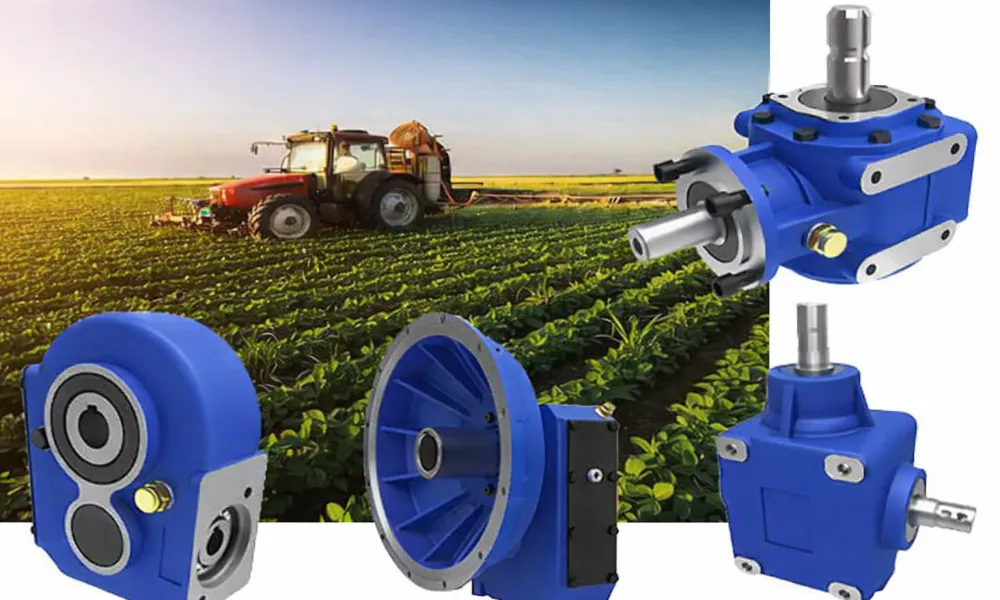
7. Brazilian Legal Compliance & Maintenance Alert: 5 Signs Your Traveling Feeder Gearbox Needs Replacement
Compliance with NR-12 (Norma Regulamentadora 12) is a critical legal requirement in Brazil, ensuring that all transmission systems are fully guarded and fail-safe to protect farm workers. Our Traveling Feeder Gearbox is fully Audit-Ready, featuring smooth external surfaces for biosecurity and integrated mounting points for safety guards. Beyond legalities, preventing downtime requires vigilance. Here are the 5 signs our engineers look for during audits:
- The “Sweating” Seal: If you see dust sticking to the output shaft, the seal has failed. In a poultry barn, this allows ammonia to enter and acidify the oil, leading to catastrophic gear pitting.
- Rhythmic Vibrations: A sign of gear tooth chipping or bearing fatigue. If left unaddressed, the reductor agrícola will eventually seize, potentially damaging the feeder rails.
- Unusual Thermal Spike: If the housing is too hot to touch (above 85°C), the internal lubrication has broken down or the gearbox is being overloaded by a misaligned rail.
- Metallic Whining: High-frequency sound indicates that the carburized surface of the gears has worn away, and you are now running on the softer, weaker core material.
- Unstable Travel Speed: If the feeder car appears to be jerking or slipping, the internal backlash has exceeded tolerances, leading to high energy bills and uneven feed delivery.
9. Synergistic Drivetrain Components: Your One-Stop Engineering Source
At Agrinulear Nucleo Agro, we understand that a high-performance Traveling Feeder system is only as strong as its weakest component. To ensure maximum reliability for your poultry automation, we also manufacture and supply precision-grade piñón systems that drive the traction chains and hopper conveyors. By standardizing your entire barn with ever-power components, you eliminate the risk of “Mechanical Mismatch” that often occurs when mixing different industrial brands. Our engineering team ensures that every reductor agrícola, sprocket, and drive mechanism is perfectly synchronized, providing you with a unified technical support protocol and a simplified spare parts inventory. This commitment to the “One-Stop Shop” philosophy is why we are the trusted partner for Brazil’s leading poultry cooperatives.

PREGUNTAS FRECUENTES:
How can I find a reliable Traveling Feeder Gearbox supplier in Brazil that understands NR-12 safety laws?
The most reliable supplier is one with local engineering support. Agrinulear Nucleo Agro provides fully compliant ever-power drivetrain systems, complete with technical documentation and safety integration advice for Brazilian B2B poultry operations.
What is the typical cost for retrofitting high-torque agricultural gear reducer units onto an existing traveling feeder system?
While the initial cost is higher than generic imports, the ROI is usually achieved within 18 months through 15% energy savings and zero maintenance downtime. Contact us for a customized quote for your specific barn layout.
Which agricultural manufacturer in Brazil offers gearboxes with the best IP66 protection against fine grain dust?
Ever-power, through Agrinulear Nucleo Agro, utilizes a proprietary Shield-Seal technology. Our caja de cambios agrícola units are specifically tested in high-dust environments to ensure zero particulate ingress into the gear chamber.
Where can I buy pto gearbox units that are compatible with silo-loading grain conveyors in Paraná?
Agrinulear specializes in universal splined and flanged interfaces. We provide caja de cambios pto units that fit perfectly with standard Brazilian tractor outputs for all grain handling and feed loading machinery.
Why do traveling feeder gearbox seals fail so frequently during the humid summers of the Brazilian South?
High humidity causes internal pressure differentials. Our gearboxes feature pressure-relief breathers and high-grade Viton seals that maintain their integrity even during the extreme heat and humidity cycles of Santa Catarina.
How do I choose between a planetary and a worm gear reducer for a new traveler car installation?
For high-capacity cars (over 500kg), a planetary-worm hybrid is best. It offers the high torque density of planetary gears with the self-locking safety of a worm gear, which is essential for the Traveling Feeder Gearbox.
Are your agricultural gear reducer systems compatible with VFDs for precision medicated feeding?
Yes, all ever-power units supplied by Agrinulear utilize synthetic PAO oils that maintain film strength at low RPMs, allowing for seamless integration with modern variable frequency drives and Agro 4.0 controllers.
What maintenance schedule is recommended for a gearbox operating in a 24/7 commercial broiler house?
We recommend a quarterly external cleaning to prevent dust heat-soak, an annual oil quality check, and a biannual seal inspection to ensure no ammonia ingress has compromised the reductor agrícola internals.
Can a single Traveling Feeder Gearbox drive multiple augers in a multi-level layer cage system?
Yes, by using a secondary output shaft or a modular tandem configuration. Our engineering team can calculate the total torsional load to ensure the caja de cambios agrícola is sized for multi-auger efficiency.
Why is the Service Factor (SF) so important for rural Brazilian poultry farm drivetrain systems?
The Service Factor is your safety net against voltage drops and rail jams. An SF of 2.0 means the gearbox can handle double its rated load, which is essential for surviving the erratic power conditions of the Brazilian interior.
Editor: PXY