
1. Technical Specifications: Pellet Mill Drive Data
Calibrated for Tropical Feed & Biomass Applications (Horizontal Ring Die).
| Parameter Description | Value / Specification | Unit / Note |
|---|---|---|
| Nominal Motor Power | 90 – 450 | kW |
| Velocidad de entrada | 1480 / 1780 | RPM (50/60Hz) |
| Gear Reduction Ratio | 1:12 to 1:24 | Double Reduction |
| Output Torque Capacity | 8,500 – 65,000 | Nm |
| Main Shaft Speed | 120 – 280 | RPM |
| Material de vivienda | Ductile Iron QT500-7 | Vibration Dampening |
| Gear Material | Acero aleado 20CrMnTi | Carburized |
| Surface Hardness | HRC 58 – 62 | Wear Resistant |
| Core Hardness | HRC 32 – 40 | Impact Resistant |
| Input Shaft Diameter | 80 – 140 | mm |
| Quill Shaft Type | Hollow / Flanged | Anti-Fretting Coating |
| Thrust Bearing | Oversized Spherical | Axial Load Absorption |
| Lubrication System | Forced Splash & Spray | Integrated Pump |
| Oil Capacity | 60 – 180 | Liters |
| Cooling Method | Air-Oil / Water-Oil | External Exchange |
| Service Factor | 2.5 Minimum | AGMA Standard |
| Nivel de ruido | < 82 | dB(A) @ 1m |
| Seal Type | Labyrinth + Lip Seal | Dust Proof IP65 |
| Bearing Life (L10) | > 50,000 | Hours |
| Operating Temperature | -10°C to +90°C | Tropical Rated |
2. Revolutionizing Biomass Densification: The Agrinulear Advantage
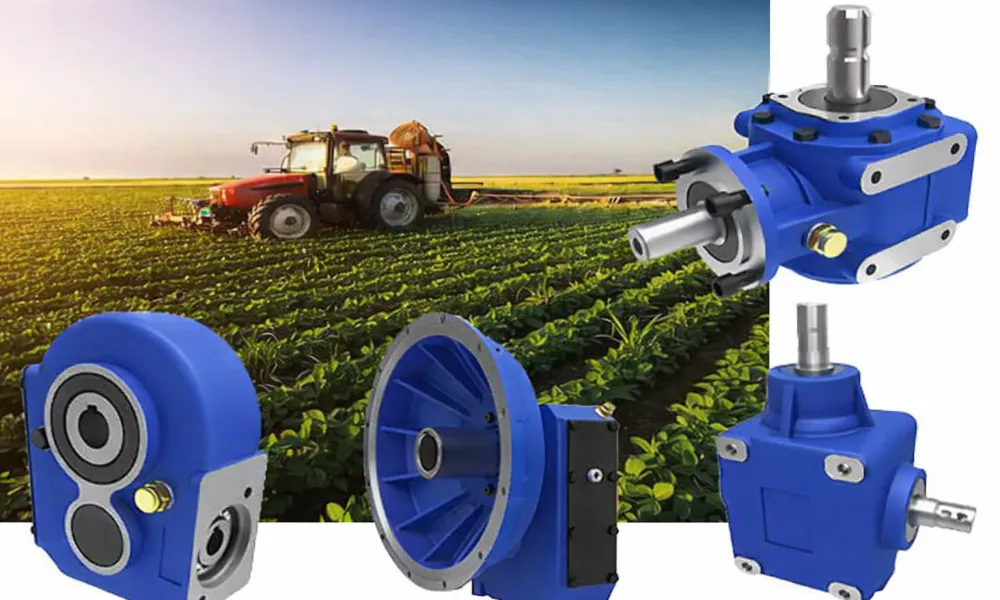
In the rapidly expanding agricultural landscape of Brazil, particularly within the intensive poultry feed sectors of Santa Catarina and the biomass energy hubs of São Paulo utilizing sugarcane bagasse (bagaço), the Pellet Mill Gearbox stands as the critical kinetic component. Unlike standard industrial transmissions, an caja de cambios agrícola in this application must withstand continuous shock loads and extreme axial thrust generated during the compression of fibrous materials. Agrinulear Nucleo Agro has developed the “Agri-Densify” series specifically to address the failures common in generic gearboxes, such as overheating and bearing fatigue caused by the relentless 24/7 production cycles typical of Brazilian harvest seasons. By integrating a high-capacity oil circulation system and using case-hardened 20CrMnTi alloy steel gears, our units ensure that the immense torque from the electric motor is efficiently transferred to the ring die without energy loss. As a premier fabricante agrícola, we recognize that downtime in a feed mill translates directly to spoiled feedstock and lost contracts. Therefore, our gearboxes are engineered with a service factor of 2.5, surpassing the standard requirements to provide a safety margin that protects your operation against the unpredictable variations in raw material density found in tropical agriculture.
3. Engineering the Extrusion Process: Durability Meets Precision
The working principle of the Agrinulear Pellet Mill Gearbox centers on the precise reduction of high-speed motor input into the massive torque required to force biomass through a metal die. In a horizontal ring die configuration, the gearbox drives the main quill shaft, which rotates the die at speeds typically between 150 and 300 RPM. As the feedstock enters the chamber, stationary rollers press it against the spinning die, generating extreme friction and pressure (up to 1000 bar). This process creates a significant “kickback” force—an axial thrust load that pushes backward through the shaft into the gearbox internals. To counter this, our reductor agrícola incorporates a specialized thrust bearing assembly located at the rear of the housing. This assembly isolates the gears from the axial load, ensuring that the gear teeth mesh perfectly without misalignment, even under peak loads caused by wet or uneven raw materials often found in Brazilian agriculture.
Material selection is paramount for longevity in these harsh environments. The gears within our units are forged from premium 20CrMnTi alloy steel, chosen for its exceptional response to carburizing heat treatment. This process infuses carbon into the surface of the gear teeth, creating a diamond-hard wear layer (HRC 58-62) that resists pitting and spalling. Simultaneously, the core of the tooth remains tough and ductile, allowing it to absorb sudden shock loads—such as when a foreign object like a bolt or stone accidentally enters the pellet mill—without snapping. This “Hard Case, Tough Core” philosophy extends to the housing as well, which is cast from QT500-7 ductile iron. Unlike rigid welded steel boxes that transmit vibration, ductile iron absorbs the harmonic frequencies generated by the pelletizing process, significantly reducing noise and protecting the sensitive bearing races from micro-fretting, ultimately extending the lifespan of your caja de cambios agrícola investment.
4. Engineered for the “Cerrado”: Combating Heat and Dust
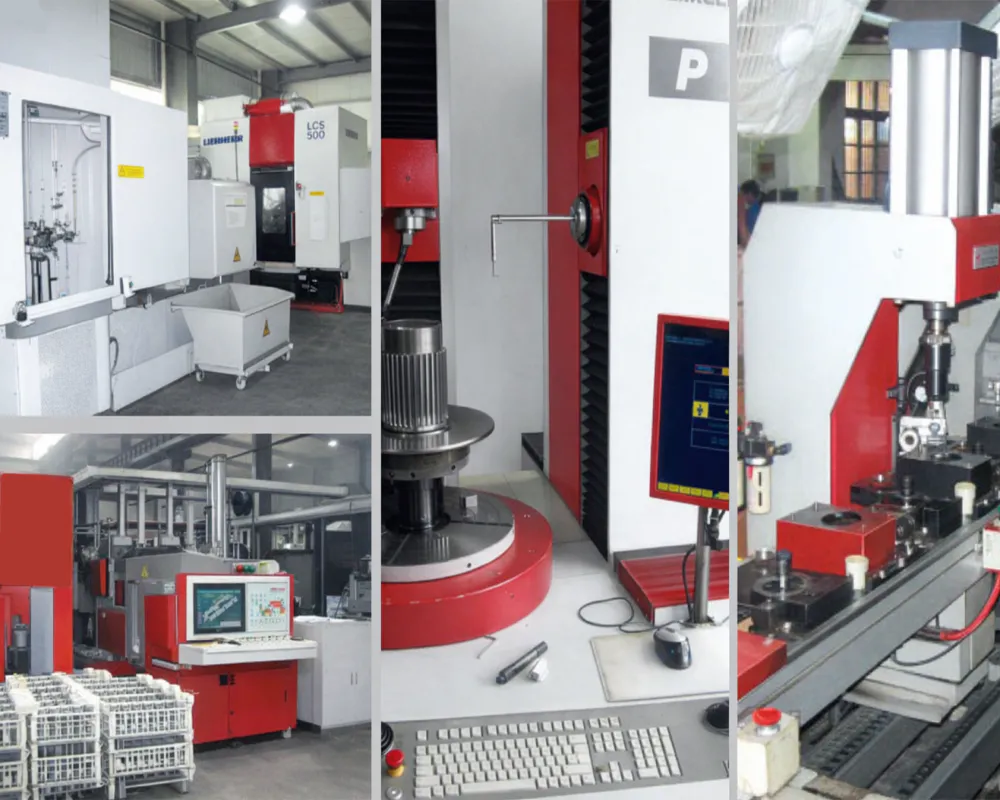
Operating machinery in the Brazilian “Cerrado” or the tropical plains of Mato Grosso presents two formidable enemies: abrasive dust and intense ambient heat. In a typical soy processing plant, fine particulate dust is omnipresent. If this dust penetrates the gearbox seals, it turns the lubricating oil into a grinding paste that destroys bearings within weeks. Agrinulear addresses this with a proprietary “Air-Purge Labyrinth” seal system. This design utilizes a non-contact path that makes it physically difficult for dust to enter, supplemented by an optional air purge that pressurizes the seal cavity, actively blowing contaminants away from the shaft. This ensures that the internal environment of the caja de cambios pto and main drive remains pristine, even in the dustiest feed mills.
Thermal management is equally critical when ambient temperatures regularly exceed 35°C. As the gearbox operates, friction generates internal heat which, combined with the external climate, can cause oil to lose viscosity and fail. Our gearboxes are designed with an expanded oil sump capacity and external cooling fins that maximize surface area for natural heat dissipation. For high-throughput lines running 24/7, we provide forced lubrication systems equipped with external air-to-oil radiators or water heat exchangers. These systems maintain the oil temperature strictly below 80°C, preventing oxidation and sludge formation. This thermal stability ensures that a protective hydrodynamic film is always present on the gear teeth, guaranteeing reliable operation throughout the hottest months of the Brazilian summer.
5. Engineer’s Field Notes: Performance Across the Continent
Case 1: Brazil (Ribeirão Preto, SP) – Sugarcane Bagasse
“We were replacing bearings every 3 months on our old gearboxes due to the shock loads from fibrous bagasse. The Agrinulear unit has run for 18 months without a single stop. The vibration damping is noticeable.” — Carlos M., Plant Manager
Case 2: Brazil (Cascavel, PR) – Poultry Feed
“Our production targets required pushing the pellet mills to 110% capacity. The cooling system on the Agrinulear gearbox kept the oil temp at a steady 75°C, while our other units were overheating.” — Felipe S., Maintenance Lead
Case 3: Paraguay (Alto Paraná) – Soy Hulls
“Dust ingress was a major issue for us. The labyrinth seal design on this new gearbox is superior. Oil analysis shows zero silica contamination after 2,000 hours.” — Diego R., Operations Director
Case 4: Brazil (Goiás) – Cattle Feed
“We needed a drop-in replacement for a broken European gearbox. Agrinulear’s team identified the correct model and shipped it from their São Paulo stock immediately. Perfect fit.” — Roberto L., Mill Supervisor
Case 5: Argentina (Santa Fe) – Alfalfa Pellets
“The torque required for alfalfa is incredibly high at startup. This gearbox handles the low-end grunt without hesitation. It’s built like a tank.” — Mateo G., Technical Head
6. Complete Drivetrain Solutions for Feed Mills
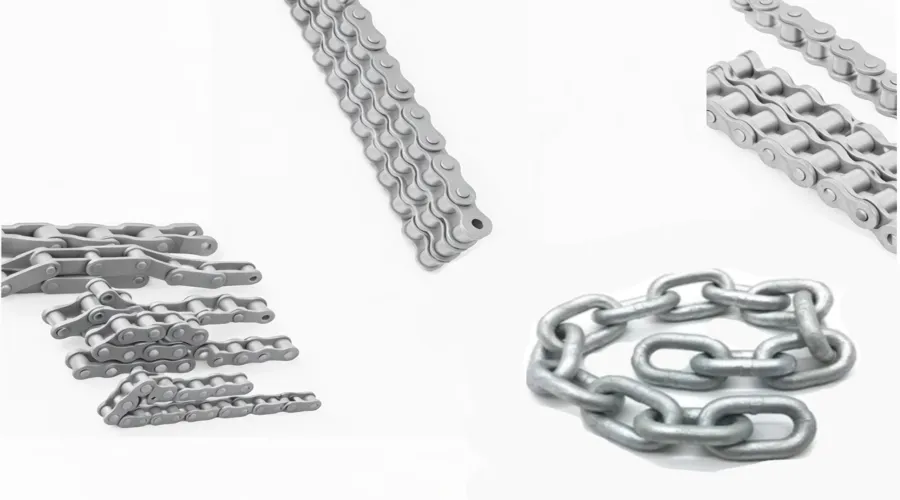
A high-efficiency feed mill relies on a synchronized system of components. Beyond the core pellet mill gearbox, Agrinulear Nucleo Agro supplies the essential auxiliary parts that keep your lines moving. From heavy-duty drive components for your drag chain conveyors to precision-balanced pulleys for your hammer mills and durable roller chains for bucket elevators. We emphasize system compatibility, ensuring that every part of your drivetrain works in harmony. For your conveyor systems, we highly recommend our industrial-grade Chain solutions, which are pre-stretched and shot-peened to resist fatigue failures under heavy load conditions, providing a true one-stop supply advantage for your facility.
7. Future Trends: Smart Gearboxes for Industry 4.0
The future of Brazilian feed processing is decisively digital. As the industry moves toward “Smart Manufacturing” (Indústria 4.0), the humble gearbox is evolving into an intelligent node within the production network. Agrinulear is pioneering the integration of IoT sensors directly into the gearbox housing. These sensors monitor vibration signatures, oil temperature, and particulate contamination in real-time. By feeding this data into the plant’s SCADA system, operators can detect anomalies such as early-stage bearing pitting or misalignment weeks before a catastrophic failure occurs. This shift from reactive repairs to predictive maintenance promises to maximize uptime, optimize maintenance schedules, and significantly reduce the Total Cost of Ownership (TCO) for forward-thinking producers in the competitive global protein market.
8. FAQ:
Q1: How does your gearbox handle the extreme shock loads of sugarcane bagasse pelletizing?
A1: We specifically engineer our gearboxes with a Service Factor of 2.5 or higher for fibrous biomass applications like bagasse. By using widened gear faces and case-hardened alloy steel, we distribute the sudden torque spikes over a larger surface area, effectively preventing tooth breakage during density fluctuations.
Q2: Can I use synthetic lubricants to extend the service intervals in my feed plant?
A2: Absolutely. We highly recommend using synthetic PAO or PAG gear oils for the Brazilian climate. These oils maintain stable viscosity at high temperatures and resist oxidation, allowing you to safely extend oil change intervals from 2,000 to over 4,000 hours, reducing maintenance costs.
Q3: Do you offer a direct replacement for my existing Buhler or CPM pellet mill gearbox?
A3: Yes, we have an extensive database of OEM specifications. We can supply a “drop-in” replacement unit that matches the bolt pattern, shaft height, and quill dimensions of your existing machine, often with upgraded internal components for better durability.
Q4: What cooling options do you provide for continuous 24/7 operation in Mato Grosso?
A4: For continuous duty in hot climates, we offer integrated lubrication pumps that circulate oil through an external filter and an air-to-oil cooler (radiator). This active cooling system ensures oil temperatures stay below 80°C, protecting the gears and bearings from thermal degradation.
Q5: Is the main quill shaft treated to prevent wear from the die clamp assembly?
A5: Yes, the quill shaft is a critical component. We use 42CrMo steel and apply induction hardening or hard chrome plating to the mating surfaces. This prevents fretting corrosion and wear, ensuring the die remains concentric and easy to change during maintenance cycles.
Q6: How does your sealing system prevent fine soy dust from entering the gearbox?
A6: We utilize a multi-stage defense strategy. The primary seal is a grease-filled labyrinth, followed by a double-lip Viton seal. For extreme dust environments, we offer an air-purge option that pressurizes the seal cavity to actively blow dust away from the shaft.
Q7: What is the typical lead time for a custom ratio gearbox for my specific feed formulation?
A7: For standard ratios, we often have stock available in Brazil. For custom gear ratios optimized for specific pellet densities, our manufacturing lead time is typically 4-6 weeks. We can also expedite air shipping to minimize your facility’s downtime.
Q8: Does the gearbox come with a warranty covering biomass applications?
A8: Yes, we stand behind our products with a comprehensive 12-month warranty on materials and workmanship, even for demanding biomass applications, provided that the recommended service factors and lubrication schedules are adhered to.
Q9: Can this gearbox be adapted for use in vertical ring die pellet mills?
A9: While the specifications shown here are for horizontal mills, we do manufacture specialized vertical gearboxes with reinforced output bearings designed to support the heavy weight of the die assembly and the vertical thrust loads common in those machines.
Q10: How do I select the correct ISO viscosity grade oil for my region?
A10: For most Brazilian regions, an ISO VG 220 or 320 synthetic gear oil is ideal. However, in hotter northern zones or for extremely heavy duty cycles, VG 460 may be required to maintain adequate film thickness. Our technical support team can provide a specific recommendation based on your location.
Editor: PXY