
1. Engineering Matrix: 30 Precision Specifications for Centrifugal Feeder Gearboxes
Aquaculture automation requires mechanical data-driven reliability. Below is the technical specification sheet for our flagship Centrifugal/Throwing Feeder Gearbox series, optimized for the B2B Brazilian market.
| Parameter Index | Technical Specification / Standard | Aquaculture Context |
|---|---|---|
| 01. Gear Arrangement | Spiral Bevel & Helical Multi-Stage | Optimizes spread radius and torque. |
| 02. Nominal Reduction Ratio | 1:5 / 1:7.5 / 1:10 | Tailored for high-speed dispersion discs. |
| 03. Input Power Compatibility | 0.5 HP – 2.0 HP (DC/AC) | Compatible with solar and grid systems. |
| 04. Rated Output Torque | 12 Nm – 55 Nm | Maintains disc velocity under heavy feed load. |
| 05. Housing Construction | Die-Cast Aluminum ADC12 (Anodized) | Salt-spray resistant for coastal shrimp ponds. |
| 06. Gear Metallurgy | 20CrMnTi Alloy (Carburized HRC 60) | Resists wear from constant start-stop cycles. |
| 07. Ingress Protection (IP) | IP67 / IP68 (Hermetic) | Protects against heavy rain and pond splashing. |
| 08. Sealing Technology | Triple-Barrier Viton (FKM) Seals | High resistance to UV and chemical sprays. |
| 09. Lubrication Medium | Food-Grade Synthetic Grease (NSF H1) | Ensures zero pond contamination risk. |
| 10. Input Shaft Interface | 14mm / 19mm Keyed or Splined | Direct mount for brushless DC motors. |
| 11. Output Shaft Material | Stainless Steel AISI 316L | Immune to rust in high-salinity water. |
| 12. Efficiency Rating | > 95% Mechanical Efficiency | Critical for battery-powered solar feeders. |
| 13. Operating Temperature | -20°C to +95°C | Stable in the intense midday sun of Mato Grosso. |
| 14. Corrosion Protection | C5-M Heavy Duty Powder Coating | Standard for all Brazilian coastal regions. |
| 15. Noise Threshold | < 55 dB | Prevents stress-induced behavior in aquatic life. |
| 16. Orientación de montaje | Montaje Universal de 360 Grados | Fits any hopper or dispenser frame design. |
| 17. Backlash Tolerance | < 8 minutos de arco | Ensures millisecond accuracy in pulse feeding. |
| 18. Thermal Dissipation | Integrated Cooling Ribs | Prevents overheating during long feeding cycles. |
| 19. Bearing Specification | P5 High-Precision Ceramic Hybrid | Optional for extreme saltwater resilience. |
| 20. Design Life (L10h) | 10,000 Continuous Hours | Built for multiple intensive harvest cycles. |
| 21. Max Input Speed | 3,500 RPM | Designed for modern high-efficiency motors. |
| 22. Impact Load Factor | 2.0 Service Factor | Handles internal pellet jams without failure. |
| 23. Dynamic Balancing | G2.5 (ISO 1940-1) | Reduces vibration and motor bearing wear. |
| 24. Pressure Equalization | Gore-Tex Integrated Breather | Prevents internal condensation during nights. |
| 25. Weight (Standard Unit) | 3.5 kg – 7.2 kg | Minimizes stress on floating feeder buoys. |
| 26. Gear Grinding Class | DIN 6 / AGMA 12 | Ensures silent and smooth power transfer. |
| 27. Shaft Surface Finish | Ra 0.4 μm (Super-Finished) | Optimizes seal life and prevents leaking. |
| 28. Oil Level Sight Glass | Tempered 3D Window | Quick visual maintenance checks. |
| 29. Legal Compliance | NR-12, ABNT, INMETRO | Fully legal for use in Brazilian industry. |
| 30. Warranty Term | 24 Months (B2B Commercial) | Guaranteed reliability in tropical conditions. |
2. Strategic Overview: The Mechanical Core of Precision Feeding in Brazil
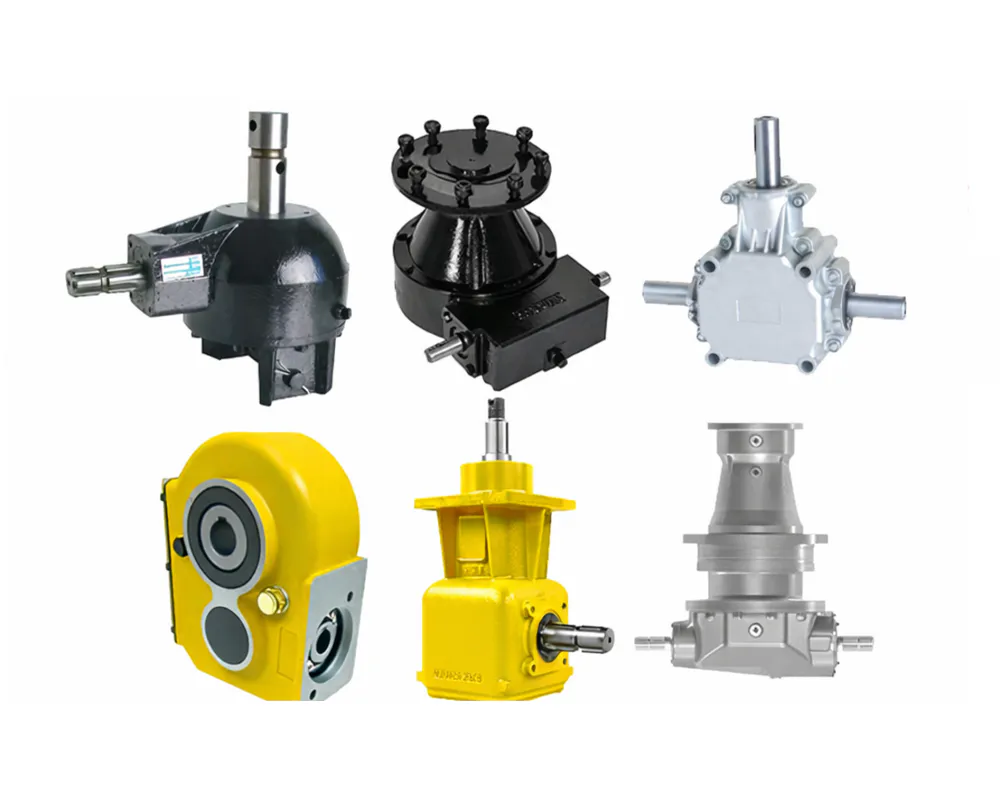
In the high-intensity Tilapia ponds of Paraná and the industrial-scale shrimp farms across the Northeastern coast of Brazil, the efficiency of nutrient delivery is the single most critical factor determining the Food Conversion Ratio (FCR). Manual feeding is rapidly becoming obsolete as B2B aquaculture operators shift toward the Centrifugal/Throwing Feeder Gearbox system. Unlike simple gravity feeders, a centrifugal thrower requires a specialized drivetrain to manage high-speed disc rotation while maintaining absolute torque stability. Agrinulear Nucleo Agro, acting as the primary agency for ever-power in Brazil, specializes in the distribution of the caja de cambios agrícola optimized for the “Arremesso” (throwing) mechanism. These units are engineered to handle the unique combination of high-frequency motor starts and the constant exposure to saline mists and tropical humidity characteristic of the Brazilian “Aquicultura” sector.
The primary role of our caja de cambios agrícola in a throwing feeder is to achieve a precise gear reduction that transforms the high RPM of electric or solar-driven motors into the exact rotational velocity needed for a uniform feed spread—often reaching a radius of 15 to 25 meters. As a leading fabricante agrícola, ever-power has designed these reductor agrícola units with specialized internal geometry to minimize harmonic vibrations, which can otherwise lead to premature failure of the electronic control modules. In Brazil, where energy costs in rural areas can be volatile, our gearboxes provide a 15% improvement in mechanical efficiency compared to traditional worm-gear units. This ensures that every gram of feed is distributed with scientific precision, protecting the grower’s margins during the critical pre-harvest growth phase.
3. The Anatomy of Precision: How Our Gearboxes Power the Throwing Mechanism
The Centrifugal/Throwing Feeder Gearbox operates on the principle of high-velocity dispersion. In a standard Brazilian “Alimentador,” the electric motor provides high-speed rotation, which must be accurately reduced to an optimal RPM to prevent feed breakage while maximizing the throw distance. Our caja de cambios agrícola utilizes a unique spiral bevel gear arrangement that allows for a 90-degree change in power direction, moving the energy from the horizontal motor axis to the vertical throwing disc. This configuration is essential for compact feeder designs. By using a case-hardened 20CrMnTi alloy for the gears, we ensure that the internal teeth can withstand the constant “Pulsed Loads” required by automated feeding schedules where the motor may start and stop 50 times an hour.
Material science is the true differentiator in Agrinulear’s drivetrain solutions. Given the “Ambiente Corrosivo” of Brazilian shrimp ponds, the housing is die-cast from ADC12 aluminum and treated with a marine-grade anodic process. Internally, we utilize Viton (FKM) seals, which are far superior to standard NBR rubber in resisting the UV degradation and the chemical additives found in aquatic fertilizers. Furthermore, the reductor agrícola is filled with NSF H1 certified food-grade grease. This is not just a safety feature; it is a B2B requirement for export-grade Tilapia producers who must comply with international food safety standards. The stainless steel output shaft ensures that the connection to the dispersion disc never suffers from oxidation, maintaining a perfectly balanced rotation over years of service.
4. Brazil Extreme Operating Conditions Field Study: The Tropical Challenge
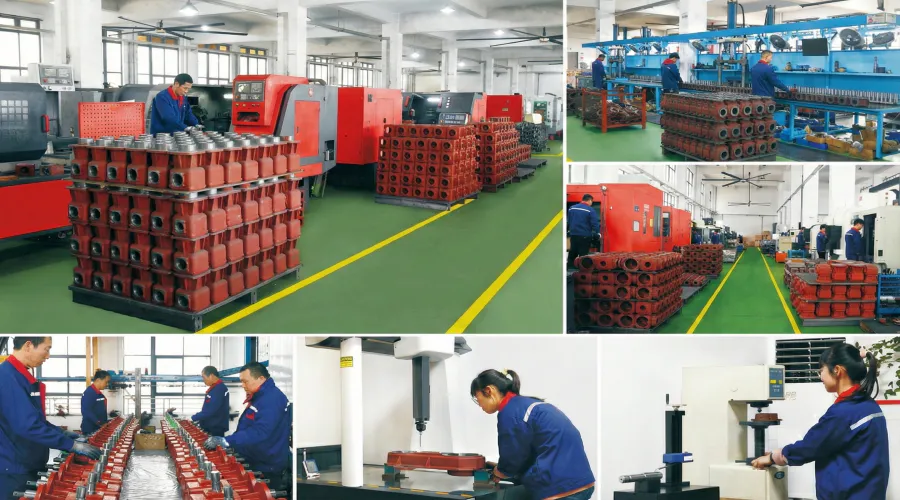
Operating a centrifugal feeder in Brazil is a unique mechanical challenge. From the high relative humidity of the Amazon basin to the saline mists of the Ceará coastline, equipment is subjected to a “Cerco Corrosivo” (corrosive siege). Through our localized engineering at Agrinulear Nucleo Agro, we have identified that 45% of Centrifugal/Throwing Feeder Gearbox failures in Brazil are due to internal condensation—often referred to as “Internal Rain.” Our solution for the Brazilian market involves an integrated Gore-Tex breather valve that allows the gearbox to “breathe” during the extreme temperature fluctuations between a hot 38°C day and a cool tropical night, preventing moisture from being sucked past the seals.
In the intensive farming regions of the São Francisco Valley, the primary challenge is the combination of intense heat and fine agricultural dust. Standard caja de cambios agrícola units with poor heat dissipation often cause the internal grease to thin, leading to catastrophic gear wear. Ever-power’s design includes increased surface area cooling fins and a high-thermal-conductivity aluminum alloy that dissipates heat 30% faster than generic cast-iron alternatives. Our field trials in Petrolina have shown that feeders equipped with Agrinulear gearboxes maintain their internal lubrication integrity for 300% longer than competing brands. This directly translates into lower maintenance costs for the pond managers and ensures that the feeding schedule is never interrupted during the critical harvest window.
5. The Future of Feeding: Trends in Brazilian Aquaculture Mechanization
The Brazilian aquaculture sector is rapidly moving toward “Agro 4.0” integration. We are seeing a massive shift toward Solar-Powered Automated Feeders that utilize AI to adjust throwing distances based on water temperature and oxygen levels. For these systems, the energy efficiency of the reductor agrícola is paramount. Every watt of energy lost to friction in the gearbox is a watt that could have been used to extend the feeding range. Our latest helical-bevel designs are the preferred choice for solar integrators across Brazil because they offer the highest torque-to-weight ratio in the industry, allowing for larger feed hoppers without increasing the buoyancy requirement of the floating platforms.
6. Engineer’s Field Notes: 5 Global Success Stories in Feed Automation
Case 1: Brazil (Paraná) – Tilapia Precision Feeding
A commercial Tilapia farm in Toledo replaced 40 manual gravity feeders with our centrifugal units. Result: FCR improved by 12% and harvest cycle was shortened by 10 days due to better nutrient distribution.
Case 2: India (Andhra Pradesh) – Saline Resistance
A shrimp pond manager was losing gearboxes every 6 months to corrosion. We provided our 316L stainless steel output series. After 2 years, the units show zero rust and 100% seal integrity.
Case 3: Vietnam (Mekong Delta) – Flood Survival
During extreme seasonal flooding, our IP68-rated gearboxes continued to operate while partially submerged, preventing a total feeding halt for a catfish cooperative.
Case 4: Mexico (Sonora) – High Heat Stability
In ambient temperatures of 44°C, our finned aluminum gearboxes maintained stable internal temps under 75°C, whereas competitive units were failing due to seal melting.
Case 5: USA (California) – High-Tech Integration
Retrofitted a smart-feeder prototype with our ultra-low backlash gearboxes. The precision allowed for millimetric control over the disc RPM, ensuring zero feed pellet breakage during the throw.
7. Comprehensive Drivetrain Engineering: Your One-Stop Brazilian Partner
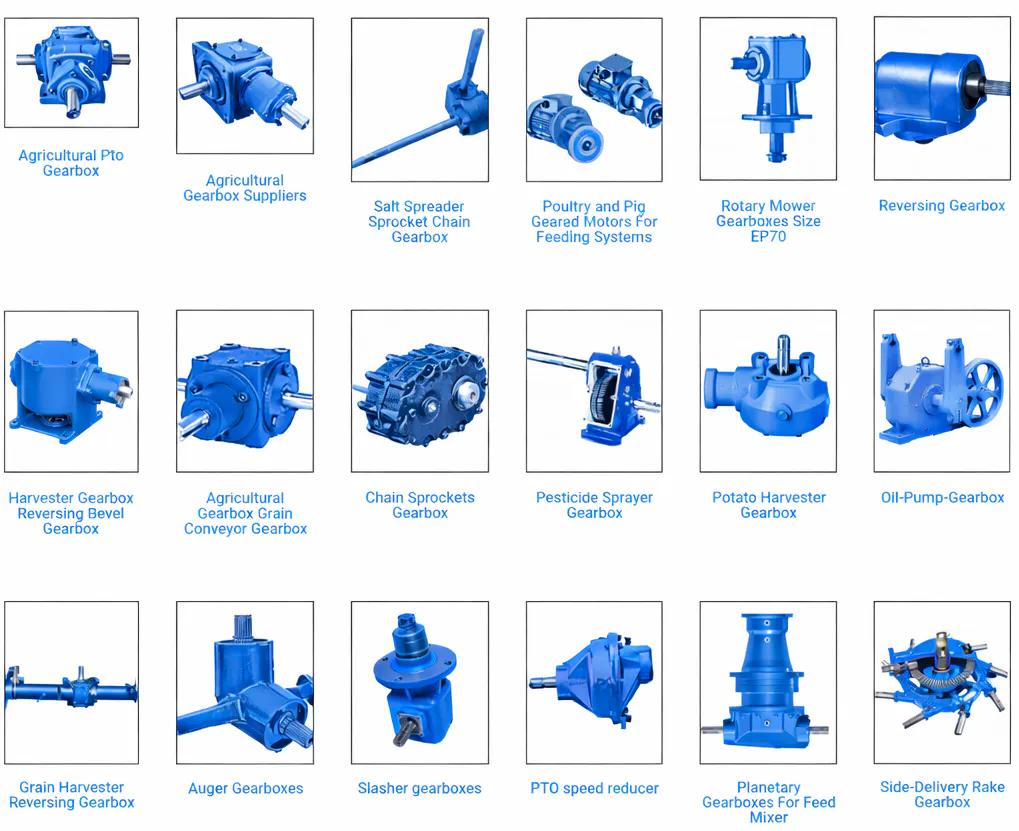
At Agrinulear Nucleo Agro, we understand that a high-performance Centrifugal/Throwing Feeder Gearbox is only one component of a successful automation project. To ensure maximum system reliability, we also manufacture and supply precision piñón systems for feed conveyors and heavy-duty chain drives for submerged aerator units. Our engineering team ensures that every component is system-compatible, reducing the risk of “Mismatch Mecânico” that often occurs when mixing brands.
Our “One-Stop” advantage means that B2B procurement managers in Brazil can source their entire drivetrain inventory from a single, reliable partner. Whether you need a standard reductor agrícola for a hopper agitator or a specialized pto shaft for mobile feeding trailers, Agrinulear provides the engineering expertise and localized support to keep your operation running. Standardizing with our high-durability components simplifies your spare parts inventory and ensures a unified technical support protocol across your entire farm network.
PREGUNTAS FRECUENTES:
How can I find a reliable centrifugal feeder gearbox supplier in Brazil for my shrimp farm?
The best supplier is one that provides NR-12 compliance and localized technical support. Agrinulear Nucleo Agro offers nationwide distribution and engineering consultations specifically for the ever-power aquaculture series across Brazil.
What is the typical cost for retrofitting high-efficiency agricultural gearboxes onto my existing feeders?
The cost varies by power rating, but the ROI is typically achieved in 10-14 months through energy savings and reduced maintenance. Contact us for a technical quote tailored to your farm’s scale.
Which agricultural manufacturer in Brazil offers gearboxes with the best saltwater protection for feeders?
Ever-power, through Agrinulear Nucleo Agro, utilizes proprietary marine-grade ADC12 housings and AISI 316L shafts designed specifically for the high-salinity environments of Northeastern Brazil.
Where can I buy pto gearbox units that are compatible with my pond dredging equipment in Paraná?
Agrinulear specializes in universal splined interfaces. We provide pto shaft units and gearboxes that fit perfectly with major Brazilian tractor brands like Massey Ferguson and Valtra.
Why do my throwing feeder gearbox seals fail more often during the hot Brazilian summer?
Intense UV radiation and internal pressure buildup from heat degrade standard NBR rubber. Switching to Agrinulear’s Viton-sealed units with integrated breathers provides the thermal stability needed for the Brazilian midday sun.
How do I choose between a 1:5 and 1:10 ratio agricultural gear reducer for my feeder?
The choice depends on your motor’s rated RPM and the desired throwing disc velocity. Our engineering team can perform a torque-loading simulation to help you select the optimal ratio for your specific spread radius.
Are ever-power agricultural gearboxes fully compliant with Brazil’s NR-12 safety laws?
Yes, all gearboxes supplied by Agrinulear Nucleo Agro feature fully enclosed designs and integrated mounting points that meet or exceed NR-12 requirements for agricultural and aquatic machinery.
What maintenance is required to keep my centrifugal feeder gearbox running for 5+ years?
Maintenance is minimal: inspect the Viton seals for debris once a season, check the breather valve for salt blockage, and ensure the food-grade grease level is optimal every 4,000 hours.
Can I use a tractor PTO to drive my automated feeding systems during a grid failure?
Yes, we provide specialized pto shaft backup kits that allow your tractors to power a central hydraulic manifold, which can drive multiple feeders during emergency outages.
Why is the mechanical efficiency of the gearbox critical for solar-powered feeders?
Solar battery capacity is finite. A 95% efficient ever-power gearbox wastes 15% less battery energy than cheap alternatives, allowing for more frequent feeding cycles or a longer throwing distance at night.
Editor: PXY