
Description du produit
Hot sale Km6107 Speed up Pto Gear Box for agricultural machinery
The Gearboxes are designed for connecting gear pumps to farm tractor power take offs (PTO).Output speed of power take offs is 540rpm which can be compared with the proper running speeds of hydraulic pumps.Different input running speeds can also be suitable,provided that the PTO gearbox output speed does not exceed 3000 rpm.
Gears
Made in Steel CHINAMFG 18 PCR M03.Stub teeth guarantee very high resistance and run very quietly.
Shafts
Made in steel CHINAMFG 16 CRN4.They are coupled with splined gears and are designed to stand the torque values stated in the catalogue.
Lubrication
SAE 90 gear oil must be put in the pto gearbox prior to use, change the oil after the first 60-80 hours and then every 12 months or 1500 hours which ever falls first.
Maintenance
Please check the oil level via the special oil window every 50 hours.Working temperatures should not exceed 120 degrees celcius under continuos duty cycle.
Drawing
Our Services
Service A: OEM and customized products are acceptable
Our company can do OEM and customized products according to the requirements of customer.
Service B: Develop new products is welcome
We have technicians and research department to make new products, if customers need us to develop new products according to sample or drawing, it is welcome.
Service C: Sourcing related producs
Our company have much experience in hydraulic and transmissions parts field, if you need other products, we can find for you.
Packaging & Shipping
Plastic bag packing for 1 piece / two pieces in 1 exporting carton / 100 cartons put on a pallet
FAQ
1.Q:Is your company a trading company or a manufacturer?
A:Our company is a trading company also a manufacturer, we have our own factory to produce gearbox, pump support..Etc
Also we distribute gear pumps, tractor machinery,dump truck pump from selected premium suppliers to meet customers’ variable demand.
2.Q:What about the quality control and warranty ?
A:”Quality first, Customers foremost”.Every piece of products is cheeked and tested strictly 1 by 1 before packing and shipping.
Our products have 1 year warranty, technical support is endless from us.
3.Q:Can you provide samples for checking and testing?
A:Yes,we provide free samples for checking the build quality and real performance of our products,the freight need to be coverd by customer.
4.Q:How can I get to your company?
A:Our company address is No.888 Huaxu Road,Xihu (West Lake) Dis. district,ZheJiang ,China
It is about 30 minutes by car from ZheJiang Xihu (West Lake) Dis.ao airport or ZheJiang Xihu (West Lake) Dis.ao Railway station.
/* January 22, 2571 19:08:37 */!function(){function s(e,r){var a,o={};try{e&&e.split(“,”).forEach(function(e,t){e&&(a=e.match(/(.*?):(.*)$/))&&1
| Type : | Forest Machine |
|---|---|
| Usage: | Agricultural Products Processing, Farmland Infrastructure |
| Material: | Aluminum |
| Power Source: | Hydraulic |
| Weight: | 5kg |
| After-sales Service: | 1 Year |
| Échantillons : |
US$ 70/Piece
1 Pièce (Commande minimale) | |
|---|
| Personnalisation : |
Disponible
| Demande personnalisée |
|---|
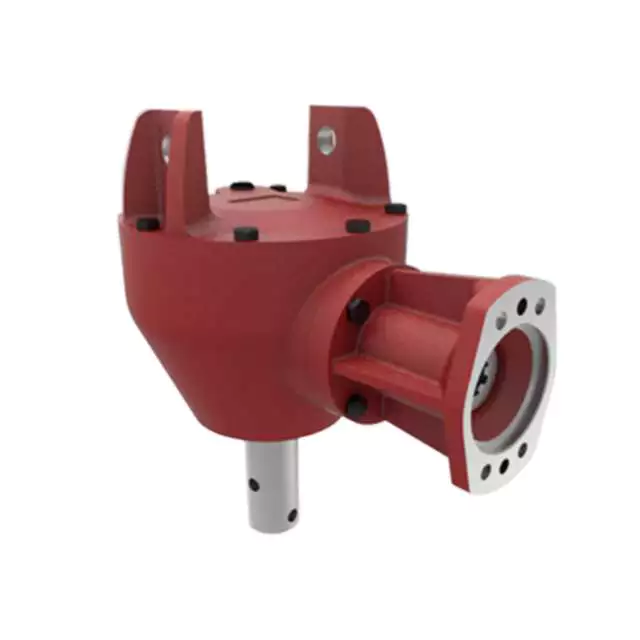
Case Studies: Successful Implementations of Agricultural Gearboxes
Several case studies highlight the successful integration of agricultural gearboxes in farming machinery:
- Case Study 1: Tractor Versatility
A farm in the Midwest implemented tractors equipped with adjustable gearboxes. The gearboxes allowed the tractors to seamlessly switch between plowing, planting, and harvesting tasks. The ability to customize speed and torque ratios improved efficiency and reduced the need for multiple machines.
- Case Study 2: Orchard Management
An orchard in California utilized specialized gearboxes in its mechanized harvesters. These gearboxes facilitated controlled movement and precise positioning of the harvesters among trees. The adaptability of the gearboxes enabled the harvesters to navigate the orchard’s uneven terrain while minimizing damage to trees and fruit.
- Case Study 3: Precision Planting
A farm in Europe integrated precision planting machinery with gearboxes that offered adjustable gear ratios. This allowed for precise control over seed placement and depth. The gearboxes played a vital role in achieving uniform crop emergence and optimizing seed-to-soil contact.
- Case Study 4: Multi-Tasking Implements
A farming cooperative in Australia utilized multi-tasking implements equipped with versatile gearboxes. These implements could seamlessly switch between tasks such as plowing, harrowing, and fertilizing. The gearboxes’ ability to manage torque and speed ratios ensured optimal performance across various tasks.
- Case Study 5: Soil Conservation
A farm in Africa adopted gearboxes in its soil conservation practices. By attaching specialized implements with adjustable gearboxes to their tractors, the farm effectively controlled soil erosion and improved water infiltration rates. The gearboxes allowed for precise adjustments based on soil type and slope.
These case studies illustrate the impactful role of agricultural gearboxes in enhancing efficiency, versatility, and productivity across a spectrum of farming applications.
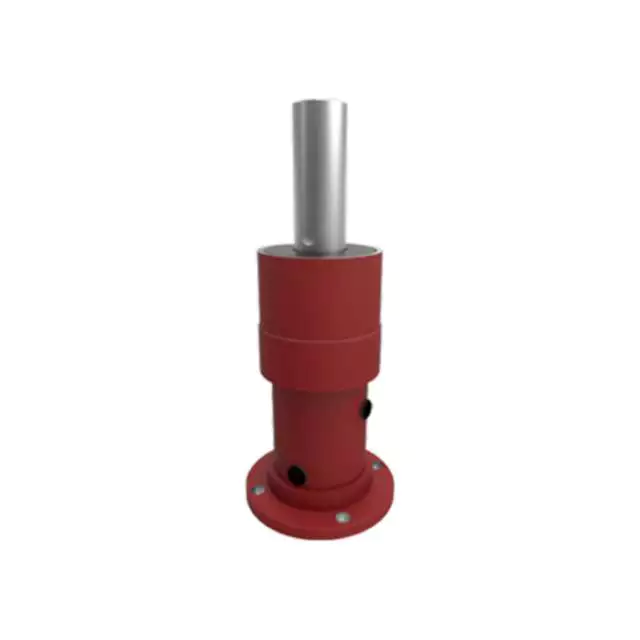
Common Signs of Gearbox Wear and Their Solutions
Gearboxes, like any mechanical components, can experience wear over time due to factors such as friction, load, and operating conditions. Recognizing the common signs of gearbox wear is essential for timely maintenance and avoiding potential breakdowns. Here are some signs to watch out for and the solutions to address them:
- Unusual Noises: Grinding, clicking, or whining noises during operation can indicate worn gears or bearings. Inspect the gearbox for damaged teeth or inadequate lubrication. Replace damaged components and ensure proper lubrication.
- Increased Vibration: Excessive vibration suggests misalignment or imbalance within the gearbox. Check for proper alignment and balance the components if necessary. Also, inspect for worn or damaged shafts or bearings.
- Leakage: Oil or lubricant leaks may indicate worn seals or gaskets. Replace seals and gaskets to prevent leakage and ensure adequate lubrication.
- Slipping Gears: Gears slipping out of engagement or difficulty shifting can point to worn or damaged gear teeth. Inspect gears for signs of wear or chipping, and replace as needed.
- Temperature Increase: Abnormal heat generation can result from increased friction due to worn parts. Check lubrication levels and quality, and replace worn bearings or gears causing excess friction.
- Decreased Performance: Reduced power transmission or output efficiency can indicate wear in the gearbox. Inspect gears, bearings, and other components for signs of wear and replace as necessary.
- Excessive Play: Excessive play or backlash in gears can indicate worn gear teeth or bearings. Inspect components for wear, adjust backlash, and replace worn parts.
Addressing gearbox wear requires routine maintenance, including proper lubrication, alignment checks, and regular inspections. Timely replacement of worn or damaged components can extend the gearbox’s lifespan and maintain optimal performance in various applications.
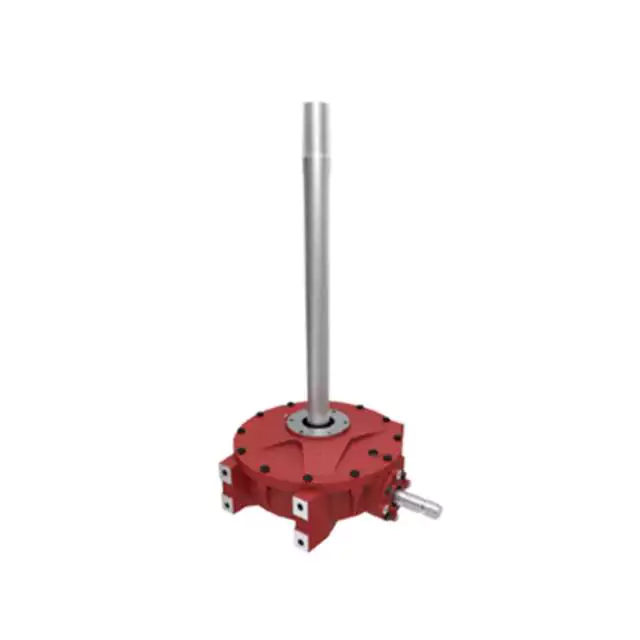
Types de réducteurs agricoles pour des tâches spécifiques
Différents types de réducteurs agricoles sont conçus pour répondre à des tâches et des applications spécifiques dans le domaine de l'agriculture. Ces boîtes de vitesses sont conçues pour répondre aux exigences uniques des différentes machines et opérations agricoles. Les types de boîtes de vitesses agricoles les plus courants sont les suivants :
- Boîtes de vitesses pour faucheuses rotatives : Ces boîtes de vitesses sont utilisées dans les faucheuses et les coupeuses rotatives. Ils transmettent la puissance de la prise de force du tracteur aux lames, ce qui permet de couper efficacement l'herbe, les cultures et la végétation.
- Boîtiers d'engrenages pour épandeurs de fumier : Les épandeurs de fumier utilisent des boîtes de vitesses spécialisées pour répartir le fumier uniformément sur les champs. Ces boîtes de vitesses assurent une épandage constant d'engrais tout en s'adaptant à des charges variables.
- Récolte des boîtes de vitesses : Les boîtes de vitesses utilisées dans les équipements de récolte, tels que les moissonneuses-batteuses et les moissonneuses, permettent une collecte, un battage et une séparation efficaces des cultures de leurs tiges. Ces boîtes de vitesses gèrent des charges élevées et des conditions d'exploitation variables.
- Boîtiers d'engrenages de semoirs Les semoirs nécessitent des boîtes de vitesses pour distribuer les semences avec précision et à intervalles réguliers. Ces boîtes de vitesses assurent un placement précis des semences pour une germination et une croissance optimales des cultures.
- Boîtes de vitesses pour faucheuses-andaineuses : Les râteaux à foin utilisent des boîtes de vitesses pour rassembler et disposer le foin en andains en vue de la mise en balles. Ces boîtes de vitesses permettent d'optimiser le processus de collecte du foin.
- Boîtiers d'engrenage pour systèmes d'irrigation : Les systèmes d'irrigation agricole peuvent utiliser des boîtes de vitesses pour contrôler le mouvement et le positionnement du matériel d'irrigation, assurant ainsi une distribution efficace de l'eau dans les champs.
- Boîtiers d'engrenages pour équipements de travail du sol : Gearboxes used in tillage equipment, such as plows and cultivators, help break up soil, prepare seedbeds, and promote seedling emergence.
- Boîtes de vitesses de tracteur : Les tracteurs peuvent intégrer diverses boîtes de vitesses pour des tâches telles que le changement de vitesse, l'entraînement de la prise de force et le fonctionnement des outils.
- Boîtiers d'engrenages pour vis sans fin à grains Les vis sans fin de grain utilisent des boîtes de vitesses pour faciliter le déplacement du grain récolté d'un endroit à un autre, par exemple d'une moissonneuse-batteuse à un silo de stockage.
Chaque type de boîte de vitesses agricole est conçu avec des caractéristiques spécifiques, des capacités de charge et une durabilité adaptées aux exigences de sa tâche prévue. Les fabricants conçoivent ces boîtes de vitesses pour résister aux conditions difficiles des opérations agricoles tout en garantissant une performance efficace et fiable.


editor by CX 2024-03-28