
Description du produit
Description du produit
-K Series Helical Bevel Gearbox
K series gear reducer, manufactured according to international technical requirements, has a high scientific and technological content; Space saving, reliable and durable, high overload capacity, power up to 132KW; Low energy consumption, superior performance, reducer efficiency up to 95%
It is designed and manufactured on the basis of module combination system. There are a lot of motor combinations, installation forms and structural schemes. The transmission ratio is classified carefully to meet different operating conditions and realize electromechanical integration.
High transmission efficiency, low energy consumption and superior performance.
Reinforced high rigid cast iron box; The hardened gear is made of high-quality alloy steel. Its surface is carburized, quenched and hardened, and the gear is finely ground. It features stable transmission, low noise, large bearing capacity, low temperature rise, and long service life. Performance and characteristics:
1. The gear is carburized and quenched with high-quality alloy, the hardness of the tooth surface is up to 60 ± 2hrc, and the grinding accuracy of the tooth surface is up to 5-6
2. The computer modification technology is used to pre modify the gear, which greatly improves the bearing capacity of the reducer
3. Complete modular structure design is adopted from the box to the internal gear, which is suitable for large-scale production and flexible selection
4. The standard reducer models are divided according to the form of decreasing torque. Compared with the traditional equal proportion division, they are more in line with customer requirements and avoid power waste
5. It is designed and manufactured by cad/cam to ensure the stability of quality
6. Multiple sealing structures are adopted to prevent oil leakage
7. Multi directional noise reduction measures to ensure the excellent low noise performance of the reducer
8. The installation mode of Liyi products is flexible, which makes it easy for customers to choose K57 reducer, K67 reducer, K77 reducer, K87 reducer, K97 reducer, KA87 reducer, KA97 reducer, KA107 reducer, KA127 reducer
/* October 22, 2571 15:47:17 */(()=>{function d(e,r){var a,o={};try{e&&e.split(“,”).forEach(function(e,t){e&&(a=e.match(/(.*?):(.*)$/))&&1
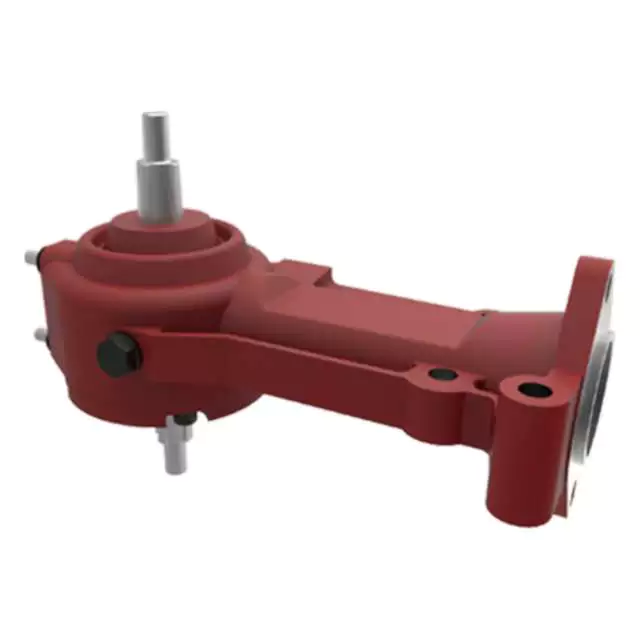
Considerations for Heavy-Duty Farming Gearboxes
Heavy-duty farming applications require robust and reliable gearboxes that can withstand high loads, harsh conditions, and frequent use. Here are the key considerations for selecting gearboxes for heavy-duty farming:
- Load Capacity: Heavy-duty gearboxes must have a high load-carrying capacity to handle the demands of agricultural machinery, such as tillers, plows, and combines.
- Material Durability: Gearboxes should be constructed from durable materials, such as hardened steel or cast iron, that can withstand the stresses and impacts associated with heavy-duty tasks.
- Sealing and Protection: Effective sealing and protection mechanisms, such as robust seals and gaskets, prevent the ingress of dirt, water, and contaminants that can cause premature wear and damage.
- Lubrication System: A reliable and efficient lubrication system is crucial for heavy-duty gearboxes to ensure proper lubrication of components under high loads and temperatures.
- Heat Dissipation: Heavy-duty applications generate significant heat. Gearboxes should have efficient heat dissipation mechanisms, such as cooling fins or oil coolers, to prevent overheating and maintain performance.
- Design and Construction: Gearbox design should incorporate reinforced housing, larger bearings, and robust gears to handle heavy loads without compromising structural integrity.
- Alignment and Mounting: Proper alignment and mounting are essential to ensure smooth and efficient power transmission. Misalignment can lead to increased wear and reduced gearbox lifespan.
- Maintenance Accessibility: Heavy-duty gearboxes should be designed for easy maintenance access. Features such as removable covers and inspection points simplify servicing and repairs.
- Compatibilité : Gearboxes should be compatible with the specific machinery and tasks they will be used for. Customizable gear ratios and output shaft configurations enhance versatility.
- Reliability and Longevity: Heavy-duty gearboxes should be built to last, with quality craftsmanship and components that can withstand the demanding conditions of agricultural operations.
- Safety: Safety features, such as guards and emergency shutdown mechanisms, are essential to protect operators and nearby personnel from potential hazards.
- Environmental Considerations: Gearbox designs should consider environmental regulations and emissions standards to minimize the impact on the environment.
- Cost-Effectiveness: While heavy-duty gearboxes require a higher upfront investment, their durability and performance contribute to long-term cost-effectiveness by reducing downtime and the need for frequent replacements.
By carefully considering these factors, farmers can select the appropriate heavy-duty gearboxes that enhance productivity and reliability in their farming operations.
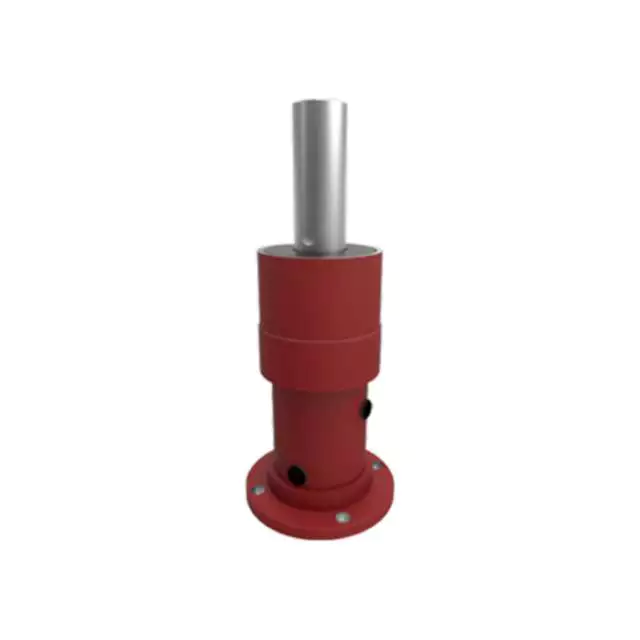
Common Signs of Gearbox Wear and Their Solutions
Gearboxes, like any mechanical components, can experience wear over time due to factors such as friction, load, and operating conditions. Recognizing the common signs of gearbox wear is essential for timely maintenance and avoiding potential breakdowns. Here are some signs to watch out for and the solutions to address them:
- Unusual Noises: Grinding, clicking, or whining noises during operation can indicate worn gears or bearings. Inspect the gearbox for damaged teeth or inadequate lubrication. Replace damaged components and ensure proper lubrication.
- Increased Vibration: Excessive vibration suggests misalignment or imbalance within the gearbox. Check for proper alignment and balance the components if necessary. Also, inspect for worn or damaged shafts or bearings.
- Leakage: Oil or lubricant leaks may indicate worn seals or gaskets. Replace seals and gaskets to prevent leakage and ensure adequate lubrication.
- Slipping Gears: Gears slipping out of engagement or difficulty shifting can point to worn or damaged gear teeth. Inspect gears for signs of wear or chipping, and replace as needed.
- Temperature Increase: Abnormal heat generation can result from increased friction due to worn parts. Check lubrication levels and quality, and replace worn bearings or gears causing excess friction.
- Decreased Performance: Reduced power transmission or output efficiency can indicate wear in the gearbox. Inspect gears, bearings, and other components for signs of wear and replace as necessary.
- Excessive Play: Excessive play or backlash in gears can indicate worn gear teeth or bearings. Inspect components for wear, adjust backlash, and replace worn parts.
Addressing gearbox wear requires routine maintenance, including proper lubrication, alignment checks, and regular inspections. Timely replacement of worn or damaged components can extend the gearbox’s lifespan and maintain optimal performance in various applications.
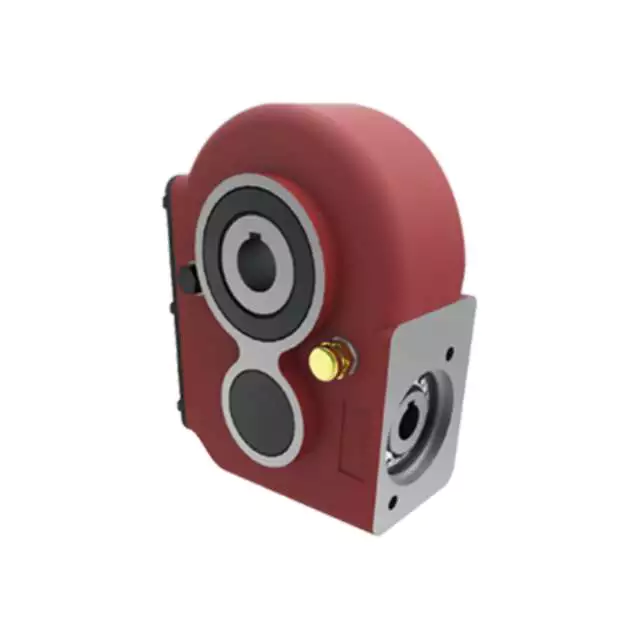
Benefits of Using High-Quality Gearboxes in Agricultural Machinery
Utilizing high-quality gearboxes in agricultural machinery offers several advantages that contribute to enhanced performance, durability, and overall operational efficiency. Here are the key benefits:
- Reliability and Durability: High-quality gearboxes are built to withstand the demanding conditions of agricultural operations. They are constructed using durable materials, precise manufacturing techniques, and stringent quality control measures, ensuring a longer lifespan and reduced downtime due to breakdowns.
- Optimal Power Transmission: High-quality gearboxes facilitate efficient power transmission from the tractor’s engine to various implements. They minimize power losses through well-designed gear profiles, accurate alignments, and minimal friction, allowing for more effective utilization of available power.
- Smooth Operation: Gearboxes manufactured to high standards provide smooth and consistent operation. They reduce vibrations, noise, and unnecessary wear, creating a comfortable working environment for the operator and reducing stress on the machinery.
- Precision and Accuracy: Quality gearboxes offer precise control over speed, torque, and direction changes. This precision ensures accurate implementation of farming tasks, such as seeding, planting, and harvesting, leading to better yield outcomes.
- Increased Efficiency: High-quality gearboxes minimize energy losses due to friction and inefficient gear meshing. This improved efficiency results in better fuel economy and optimized power utilization, reducing operating costs for the farmer.
- Compatibility and Adaptability: Top-tier gearboxes are designed to be compatible with a range of agricultural implements and machinery. Their adaptability allows farmers to switch between different tasks without the need for frequent adjustments or component changes.
- Reduced Maintenance Costs: Quality gearboxes require less frequent maintenance and repair. Their robust construction and precision engineering result in fewer breakdowns and extended maintenance intervals, saving both time and money.
- Enhanced Safety: Reliable gearboxes contribute to safer operations by preventing sudden failures that could lead to accidents. The smooth operation and predictable performance of high-quality gearboxes reduce the risk of mishaps during agricultural tasks.
Overall, investing in high-quality gearboxes for agricultural machinery ensures improved reliability, smoother operation, higher precision, increased efficiency, and reduced maintenance costs. These benefits ultimately contribute to enhanced productivity and better outcomes for farmers and agricultural operations.


editor by lmc 2024-11-29