
Description du produit
Description du produit
Here is our advantages when compare to similar products from China:
| 1. Large output torque |
| 2. Safe, reliable, economical, and durable |
| 3. Stable transmission, quiet operation |
| 4. High modularization design, may equip with various outer power inputs conveniently. The same machine type may equip with various power motors. It is easy to realize the combination and junction between every machine type |
| 5. Form of installation: The position to be installed is not limited |
| 6. High strength, compact the box body of high strength cast iron, gear and gear shaft adopt the gas carbonization, quenching, and fine grinding process, therefore the bearing capacity of unit volume is high |
| 7. Long life: Under the condition of the correct type chosen(including choosing suitable operation parament ) normal operation and maintenance, the life of the main parts speed reducer(except wearing parts)should not be less than 20000 hours |
| 8. Low noise: Because the main parts of the speed reducer are processed, and tested critically, therefore the noise of the speed reducer is low |
Product Specifications
| ITEM | HN-RTM130 |
| Ratio | 1:1.46 |
| Teeth | 15/22 |
| Module | 6.0 |
| Power | 45 |
| Rated Input | 540rpm |
| Weight(N.W) | 31Kg |
Packaging & Shipping
Certifications
Company Profile
HangZhou Hanon Technology Co.,ltd is a modern enterprise specilizing in the development,production,sales and services of Agricultural Parts like PTO shaft and Gearboxes and Hydraulic parts like Cylinder , Valve ,Gearpump and motor etc..
We adhere to the principle of ” High Quality, Customers’Satisfaction”, using advanced technology and equipments to ensure all the technical standards of transmission .We follow the principle of people first , trying our best to set up a pleasant surroundings and platform of performance for each employee. So everyone can be self-consciously active to join Hanon Machinery.
FAQ
1.WHAT’S THE PAYMENT TERM?
When we quote for you,we will confirm with you the way of transaction,FOB,CIFetc.<br> For mass production goods, you need to pay 30% deposit before producing and70% balance against copy of documents.The most common way is by T/T.
2.HOW TO DELIVER THE GOODS TO US?
Usually we will ship the goods to you by sea.
3.How long is your delivery time and shipment?
30-45days
| Type : | Cultivator Gearbox |
|---|---|
| Usage: | Agricultural Machinery |
| Material: | 20 Crmnti |
| Weight: | 31kg |
| After-sales Service: | Online Support |
| Warranty: | 1 Year |
| Échantillons : |
US$ 30/Piece
1 Pièce (Commande minimale) | |
|---|
| Personnalisation : |
Disponible
| Demande personnalisée |
|---|
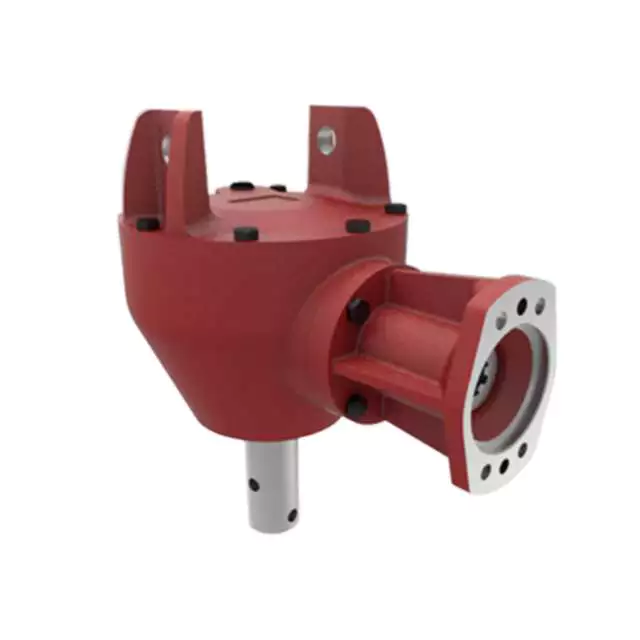
Case Studies: Successful Implementations of Agricultural Gearboxes
Several case studies highlight the successful integration of agricultural gearboxes in farming machinery:
- Case Study 1: Tractor Versatility
A farm in the Midwest implemented tractors equipped with adjustable gearboxes. The gearboxes allowed the tractors to seamlessly switch between plowing, planting, and harvesting tasks. The ability to customize speed and torque ratios improved efficiency and reduced the need for multiple machines.
- Case Study 2: Orchard Management
An orchard in California utilized specialized gearboxes in its mechanized harvesters. These gearboxes facilitated controlled movement and precise positioning of the harvesters among trees. The adaptability of the gearboxes enabled the harvesters to navigate the orchard’s uneven terrain while minimizing damage to trees and fruit.
- Case Study 3: Precision Planting
A farm in Europe integrated precision planting machinery with gearboxes that offered adjustable gear ratios. This allowed for precise control over seed placement and depth. The gearboxes played a vital role in achieving uniform crop emergence and optimizing seed-to-soil contact.
- Case Study 4: Multi-Tasking Implements
A farming cooperative in Australia utilized multi-tasking implements equipped with versatile gearboxes. These implements could seamlessly switch between tasks such as plowing, harrowing, and fertilizing. The gearboxes’ ability to manage torque and speed ratios ensured optimal performance across various tasks.
- Case Study 5: Soil Conservation
A farm in Africa adopted gearboxes in its soil conservation practices. By attaching specialized implements with adjustable gearboxes to their tractors, the farm effectively controlled soil erosion and improved water infiltration rates. The gearboxes allowed for precise adjustments based on soil type and slope.
These case studies illustrate the impactful role of agricultural gearboxes in enhancing efficiency, versatility, and productivity across a spectrum of farming applications.
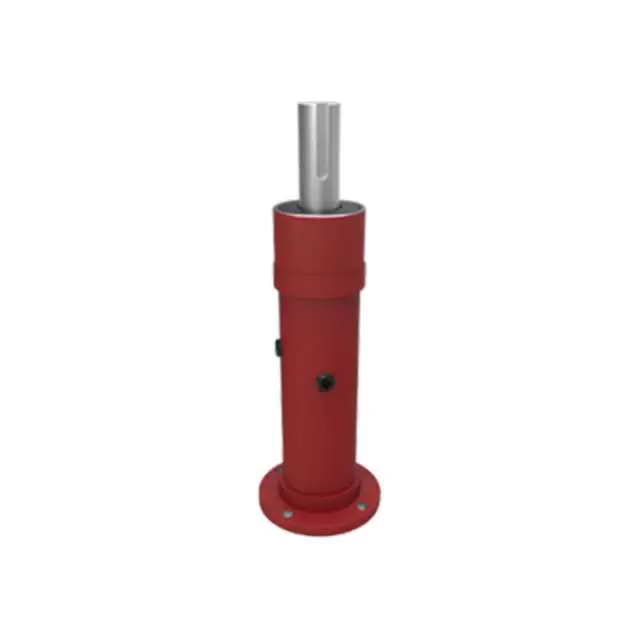
Facteurs à considérer lors de la sélection du bon réducteur pour la machinerie agricole
Choisir la boîte de vitesses appropriée pour les machines agricoles est essentiel pour assurer des performances et une efficacité optimales. Voici les principaux facteurs à prendre en compte lors de la sélection de la bonne boîte de vitesses :
- Puissance et couple requis : Évaluer la puissance et le couple nécessaires pour la tâche spécifique que la machine doit accomplir. Choisir une boîte de vitesses capable de supporter la charge requise sans solliciter les composants.
- Variation de vitesse : Déterminez si la machinerie nécessite un contrôle de vitesse variable pour différentes tâches. Certaines boîtes de vitesses offrent des options de vitesse réglable pour s'adapter aux conditions et aux applications variables.
- Compatibilité des tâches : Assurez-vous que la boîte de vitesses choisie est compatible avec les outils et les accessoires que la machine utilisera. Différentes tâches peuvent nécessiter des rapports d'engrenage et des capacités de couple différents.
- Efficacité : Optez pour des réducteurs reconnus pour leur efficacité en matière de transmission de puissance. Des réducteurs efficaces minimisent les pertes d'énergie et maximisent le rendement de la machine.
- Durabilité : Les environnements agricoles peuvent être difficiles, alors choisissez un réducteur conçu pour résister aux conditions, telles que l'exposition à la saleté, à l'humidité et aux chocs.
- Taille et poids : Tenez compte de l'espace disponible et des limites de poids de la machine. Choisissez une boîte de vitesses qui s'adapte à ces contraintes sans compromettre les performances.
- Maintenance : Évaluez les besoins d'entretien du réducteur. Les boîtes de vitesses faciles à entretenir et à réparer permettent de minimiser les temps d'arrêt et d'assurer le bon fonctionnement des machines.
- Coût : Comparez le coût initial du réducteur avec ses avantages et ses performances à long terme. Investir dans un réducteur de qualité peut se traduire par une meilleure rentabilité globale au fil du temps.
- Compatibilité : Assurez-vous que la boîte de vitesses est compatible avec la source d'alimentation (telle que la prise de force du tracteur) et les autres composants de la machine.
- Réputation du fabricant : Choisissez des boîtes de vitesses provenant de fabricants réputés qui ont l'habitude de produire des composants de machines agricoles fiables et de haute qualité.
En examinant attentivement ces facteurs, les agriculteurs peuvent choisir la boîte de vitesses qui répond aux besoins spécifiques de leurs machines agricoles, ce qui permet d'améliorer l'efficacité, la productivité et la longévité de l'équipement.
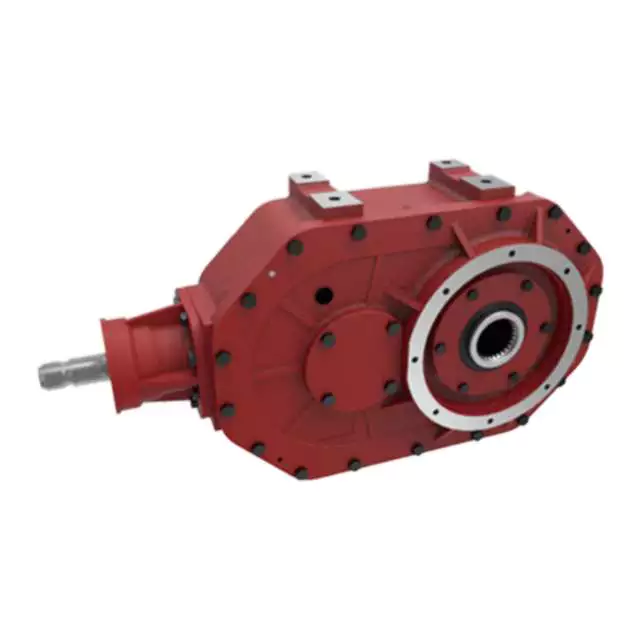
Power Transmission in Farming Equipment with Agricultural Gearboxes
Agricultural gearboxes play a vital role in facilitating power transmission within various types of farming equipment. These gearboxes are integral components that enable the transfer of rotational power from a tractor’s engine to different agricultural implements and machinery. Here’s how agricultural gearboxes contribute to power transmission:
- Speed Reduction: In many farming operations, the engine of a tractor or other power source operates at a higher speed than is suitable for the optimal functioning of agricultural implements. Agricultural gearboxes provide speed reduction by using a combination of gears with different numbers of teeth. This reduction in speed allows the machinery to operate at the required speed for efficient tasks like tilling, planting, or harvesting.
- Power Multiplication: Some agricultural tasks require a significant amount of torque to operate effectively. Gearboxes can multiply the input torque from the engine to generate higher torque at the output shaft. This is crucial for tasks such as plowing, where substantial force is needed to break up the soil.
- Directional Change: Agricultural gearboxes also allow for changes in the direction of power transmission. For instance, a tractor’s power take-off (PTO) shaft may need to transmit power at a right angle to the tractor’s engine. Gearboxes with bevel gears or other arrangements enable this change in direction, ensuring that power is properly directed to the implement.
- Power Distribution: In certain cases, power needs to be distributed to multiple components or implements. Agricultural gearboxes with multiple output shafts can distribute power to different tasks simultaneously, optimizing efficiency and productivity.
- Attachment Operation: Many agricultural implements, such as plows, seed drills, and rotary mowers, require consistent and controlled power to function effectively. Gearboxes provide the necessary power and control to these attachments, ensuring uniform operation and accurate results.
By facilitating speed reduction, power multiplication, directional changes, power distribution, and attachment operation, agricultural gearboxes contribute significantly to the overall efficiency and productivity of farming equipment. They allow farmers to adapt their machinery to various tasks, optimize power usage, and achieve better results in different agricultural operations.


editor by CX 2023-09-28