
Description du produit
Agricultural 540rpm pto gearbox KM7004+GR3 PUMP+FLANGE for agricultural machinery
The Gearboxes are designed for connecting gear pumps to farm tractor power take offs (PTO).Output speed of power take offs is 540rpm which can be compared with the proper running speeds of hydraulic pumps.Different input running speeds can also be suitable,provided that the PTO gearbox output speed does not exceed 3000 rpm.
Gears
Made in Steel CHINAMFG 18 PCR M03.Stub teeth guarantee very high resistance and run very quietly.
Shafts
Made in steel CHINAMFG 16 CRN4.They are coupled with splined gears and are designed to stand the torque values stated in the catalogue.
Lubrication
SAE 90 gear oil must be put in the pto gearbox prior to use, change the oil after the first 60-80 hours and then every 12 months or 1500 hours which ever falls first.
Maintenance
Please check the oil level via the special oil window every 50 hours.Working temperatures should not exceed 120 degrees celcius under continuos duty cycle.
Packaging & Shipping
Plastic bag packing for 1 piece / two pieces in 1 exporting carton / 100 cartons put on a pallet
FAQ
1.Q:Is your company a trading company or a manufacturer?
A:Our company is a trading company also a manufacturer, we have our own factory to produce gearbox, pump support..Etc
Also we distribute gear pumps, tractor machinery,dump truck pump from selected premium suppliers to meet customers’ variable demand.
2.Q:What about the quality control and warranty ?
A:”Quality first, Customers foremost”.Every piece of products is cheeked and tested strictly 1 by 1 before packing and shipping.
Our products have 1 year warranty, technical support is endless from us.
3.Q:Can you provide samples for checking and testing?
A:Yes,we provide free samples for checking the build quality and real performance of our products,the freight need to be coverd by customer.
4.Q:How can I get to your company?
A:Our company address is No.888 Huaxu Road,Xihu (West Lake) Dis. district,ZheJiang ,China
It is about 30 minutes by car from ZheJiang Xihu (West Lake) Dis.ao airport or ZheJiang Xihu (West Lake) Dis.ao Railway station.
/* January 22, 2571 19:08:37 */!function(){function s(e,r){var a,o={};try{e&&e.split(“,”).forEach(function(e,t){e&&(a=e.match(/(.*?):(.*)$/))&&1
| Type : | Forest Machine |
|---|---|
| Usage: | Agricultural Products Processing, Farmland Infrastructure |
| Material: | Aluminum |
| Power Source: | Diesel |
| Weight: | 15kg |
| After-sales Service: | Support |
| Échantillons : |
US$ 180/Piece
1 Pièce (Commande minimale) | |
|---|
| Personnalisation : |
Disponible
| Demande personnalisée |
|---|
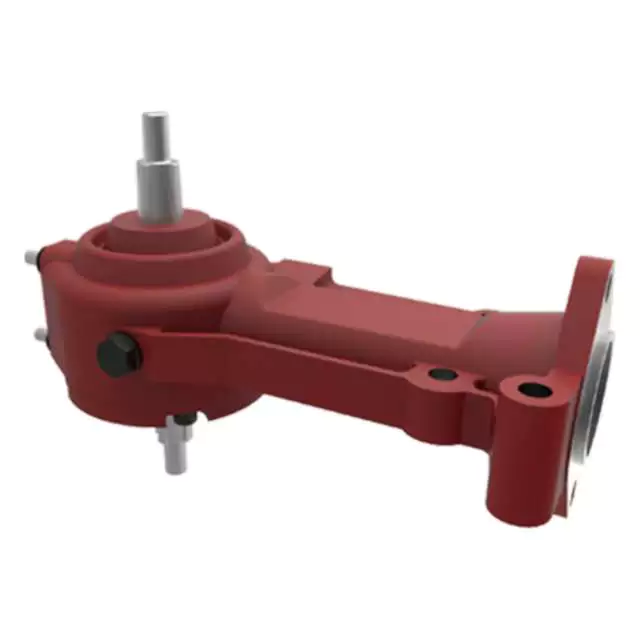
Considerations for Heavy-Duty Farming Gearboxes
Heavy-duty farming applications require robust and reliable gearboxes that can withstand high loads, harsh conditions, and frequent use. Here are the key considerations for selecting gearboxes for heavy-duty farming:
- Load Capacity: Heavy-duty gearboxes must have a high load-carrying capacity to handle the demands of agricultural machinery, such as tillers, plows, and combines.
- Material Durability: Gearboxes should be constructed from durable materials, such as hardened steel or cast iron, that can withstand the stresses and impacts associated with heavy-duty tasks.
- Sealing and Protection: Effective sealing and protection mechanisms, such as robust seals and gaskets, prevent the ingress of dirt, water, and contaminants that can cause premature wear and damage.
- Lubrication System: A reliable and efficient lubrication system is crucial for heavy-duty gearboxes to ensure proper lubrication of components under high loads and temperatures.
- Heat Dissipation: Heavy-duty applications generate significant heat. Gearboxes should have efficient heat dissipation mechanisms, such as cooling fins or oil coolers, to prevent overheating and maintain performance.
- Design and Construction: Gearbox design should incorporate reinforced housing, larger bearings, and robust gears to handle heavy loads without compromising structural integrity.
- Alignment and Mounting: Proper alignment and mounting are essential to ensure smooth and efficient power transmission. Misalignment can lead to increased wear and reduced gearbox lifespan.
- Maintenance Accessibility: Heavy-duty gearboxes should be designed for easy maintenance access. Features such as removable covers and inspection points simplify servicing and repairs.
- Compatibilité : Gearboxes should be compatible with the specific machinery and tasks they will be used for. Customizable gear ratios and output shaft configurations enhance versatility.
- Reliability and Longevity: Heavy-duty gearboxes should be built to last, with quality craftsmanship and components that can withstand the demanding conditions of agricultural operations.
- Safety: Safety features, such as guards and emergency shutdown mechanisms, are essential to protect operators and nearby personnel from potential hazards.
- Environmental Considerations: Gearbox designs should consider environmental regulations and emissions standards to minimize the impact on the environment.
- Cost-Effectiveness: While heavy-duty gearboxes require a higher upfront investment, their durability and performance contribute to long-term cost-effectiveness by reducing downtime and the need for frequent replacements.
By carefully considering these factors, farmers can select the appropriate heavy-duty gearboxes that enhance productivity and reliability in their farming operations.
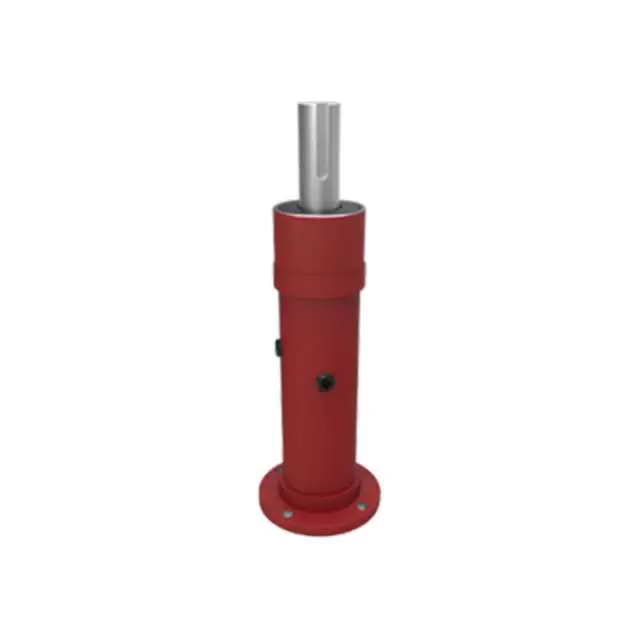
Facteurs à considérer lors de la sélection du bon réducteur pour la machinerie agricole
Choisir la boîte de vitesses appropriée pour les machines agricoles est essentiel pour assurer des performances et une efficacité optimales. Voici les principaux facteurs à prendre en compte lors de la sélection de la bonne boîte de vitesses :
- Puissance et couple requis : Évaluer la puissance et le couple nécessaires pour la tâche spécifique que la machine doit accomplir. Choisir une boîte de vitesses capable de supporter la charge requise sans solliciter les composants.
- Variation de vitesse : Déterminez si la machinerie nécessite un contrôle de vitesse variable pour différentes tâches. Certaines boîtes de vitesses offrent des options de vitesse réglable pour s'adapter aux conditions et aux applications variables.
- Compatibilité des tâches : Assurez-vous que la boîte de vitesses choisie est compatible avec les outils et les accessoires que la machine utilisera. Différentes tâches peuvent nécessiter des rapports d'engrenage et des capacités de couple différents.
- Efficacité : Optez pour des réducteurs reconnus pour leur efficacité en matière de transmission de puissance. Des réducteurs efficaces minimisent les pertes d'énergie et maximisent le rendement de la machine.
- Durabilité : Les environnements agricoles peuvent être difficiles, alors choisissez un réducteur conçu pour résister aux conditions, telles que l'exposition à la saleté, à l'humidité et aux chocs.
- Taille et poids : Tenez compte de l'espace disponible et des limites de poids de la machine. Choisissez une boîte de vitesses qui s'adapte à ces contraintes sans compromettre les performances.
- Maintenance : Évaluez les besoins d'entretien du réducteur. Les boîtes de vitesses faciles à entretenir et à réparer permettent de minimiser les temps d'arrêt et d'assurer le bon fonctionnement des machines.
- Coût : Comparez le coût initial du réducteur avec ses avantages et ses performances à long terme. Investir dans un réducteur de qualité peut se traduire par une meilleure rentabilité globale au fil du temps.
- Compatibilité : Assurez-vous que la boîte de vitesses est compatible avec la source d'alimentation (telle que la prise de force du tracteur) et les autres composants de la machine.
- Réputation du fabricant : Choisissez des boîtes de vitesses provenant de fabricants réputés qui ont l'habitude de produire des composants de machines agricoles fiables et de haute qualité.
En examinant attentivement ces facteurs, les agriculteurs peuvent choisir la boîte de vitesses qui répond aux besoins spécifiques de leurs machines agricoles, ce qui permet d'améliorer l'efficacité, la productivité et la longévité de l'équipement.
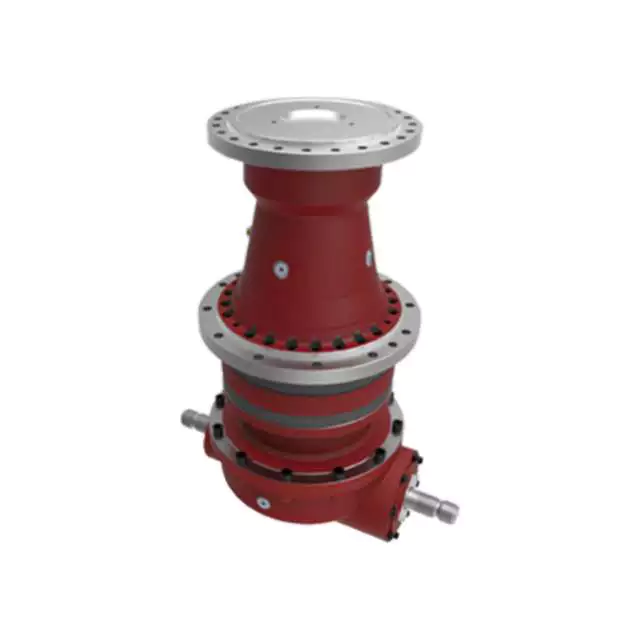
Maintenance Requirements for Agricultural Gearboxes
Maintaining agricultural gearboxes is crucial to ensure the smooth and efficient operation of farming equipment. Proper maintenance helps extend the lifespan of gearboxes and prevents costly breakdowns. Here are the key maintenance requirements:
- Regular Inspections: Conduct routine visual inspections to check for signs of wear, damage, leaks, or misalignment. Regularly inspect gear teeth, seals, and bearings for any issues.
- Lubrication: Proper lubrication is essential to minimize friction and wear in gearboxes. Follow the manufacturer’s guidelines for the type of lubricant to use and the recommended intervals for lubrication.
- Lubricant Checks: Monitor the gearbox’s lubricant levels and quality regularly. Replace or replenish lubricants as needed, and ensure that contaminants are kept out of the lubrication system.
- Tightening Bolts and Fasteners: Check and tighten bolts, nuts, and fasteners to prevent loosening due to vibrations during operation. Loose components can lead to misalignment and premature wear.
- Seal Inspection: Examine seals for leaks and proper sealing. Damaged or worn seals should be replaced promptly to prevent lubricant leakage and the ingress of contaminants.
- Cleaning: Keep gearboxes clean by removing dirt, debris, and residue. Regular cleaning prevents abrasive particles from entering the gearbox and causing damage.
- Alignment: Ensure that gearboxes are properly aligned with connected components, such as shafts and couplings. Misalignment can lead to increased wear and reduced efficiency.
- Temperature Monitoring: Monitor the operating temperature of the gearbox. Abnormal temperature increases may indicate issues like overloading or insufficient lubrication.
- Filter Replacement: If the gearbox has a filtration system, regularly replace or clean the filters to prevent contaminants from entering the gearbox.
- Expert Inspection: Periodically have gearboxes inspected by qualified technicians. They can identify potential problems that may not be visible during routine inspections.
Adhering to these maintenance requirements ensures that agricultural gearboxes remain in optimal condition and contribute to the reliability and efficiency of farming equipment. Regular maintenance not only prevents unexpected downtime but also prolongs the service life of the gearboxes, ultimately benefiting the productivity of agricultural operations.


editor by CX 2024-03-29