
Description du produit
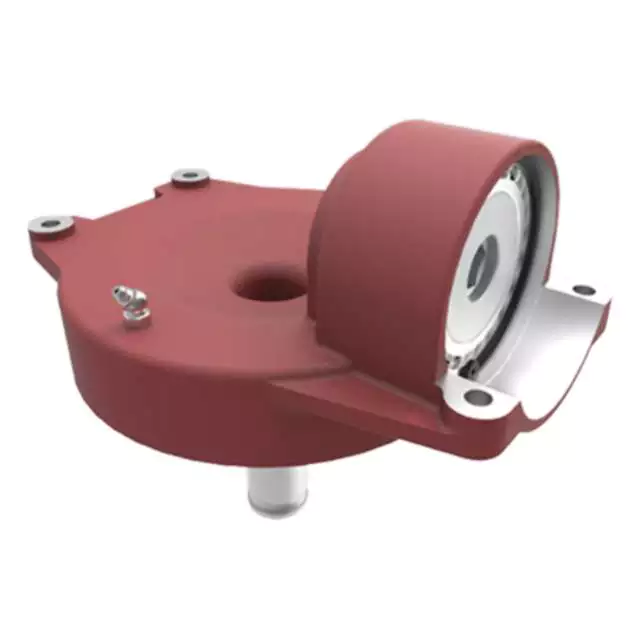
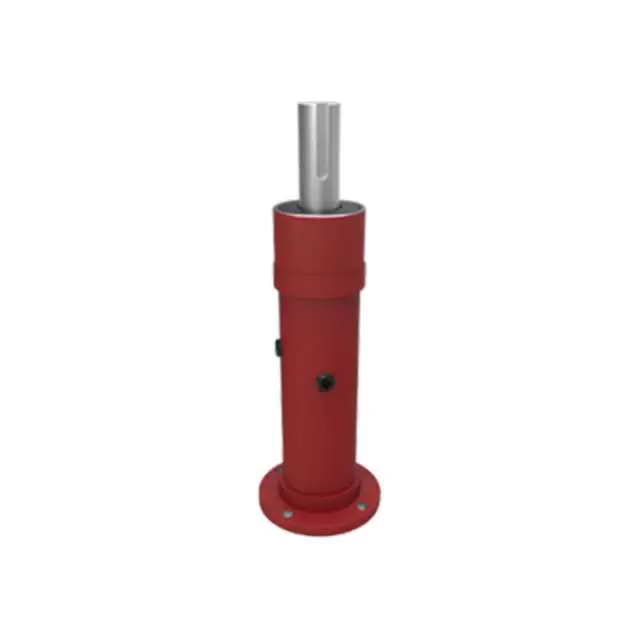
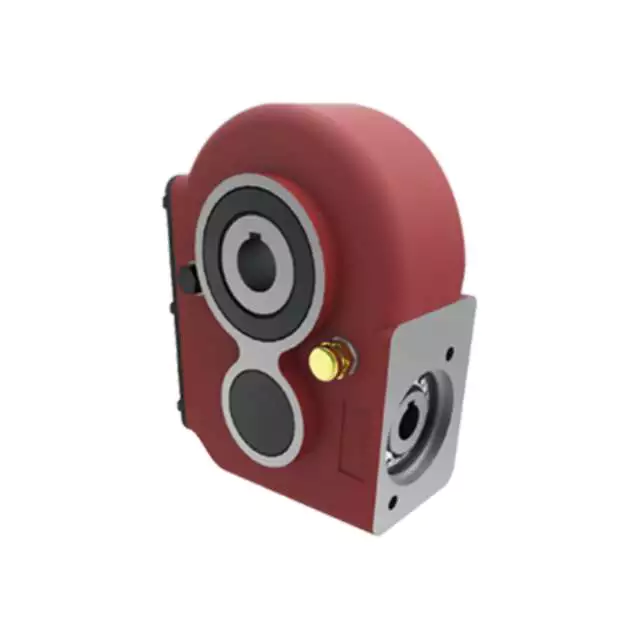
Agricultural Stalk Shredders Gearbox for Flail Mowers
Related products:
Our Factory:
1. Shell: made of high rigidity fc-25 cast iron;
2. Gear: high purity alloy steel 20crmnt is used for quenching and tempering, carburizing, quenching and grinding;
3. Spindle: high purity alloy steel 40Cr quenching and tempering processing, with high hanging load capacity.
4. Bearing: equipped with tapered roller bearing with heavy load capacity;
5. Oil seal: imported double lip oil seal, with the ability of dust and oil leakage.
Product lubrication:
The use of proper lubricating oil for t spiral bevel gear commutator can give full play to the efficiency of the steering gear and improve its service life.
1. The initial wear period is 2 weeks or 100-200 hours. There may be a small amount of metal wear particles between them. Please clean the interior and replace it with new lubricating oil;
2. In case of long-term use, change the lubricating oil every half a year or 1000-2000 hours.
Technical parameters of T spiral bevel gear commutator:
It can be equipped with single horizontal axis, double horizontal axis, single vertical axis and double vertical axis 1:5, 1:5, 1:1, 1:5, 1:5, 1:1
Company Profile: /* March 10, 2571 17:59:20 */!function(){function s(e,r){var a,o={};try{e&&e.split(“,”).forEach(function(e,t){e&&(a=e.match(/(.*?):(.*)$/))&&1
| Application : | Motor, Electric Cars, Motorcycle, Machinery, Marine, Agricultural Machinery, Car |
|---|---|
| Fonction : | Distribution Power, Clutch, Change Drive Torque, Change Drive Direction, Speed Changing, Speed Reduction, Speed Increase |
| Layout: | Coaxial |
| Hardness: | Hardened Tooth Surface |
| Installation : | Type horizontal |
| Step: | Three-Step |
| Échantillons : |
US$ 9999/Piece
1 Pièce (Commande minimale) | |
|---|
Impact of Gear Ratios on Machinery Performance in Agricultural Gearboxes
The gear ratio in agricultural gearboxes plays a crucial role in determining the performance of machinery. It directly affects the relationship between the input and output speeds and torques. Here’s how gear ratios influence machinery performance:
- Speed and Torque Conversion: Gear ratios allow for the conversion of speed and torque between the input and output shafts. Higher gear ratios can reduce output speed while increasing output torque, making it suitable for tasks requiring high power.
- Power and Efficiency: Gear ratios affect the efficiency of power transmission. While reducing the speed through higher gear ratios can increase torque, it’s essential to strike a balance to maintain efficiency. Lower efficiency can lead to energy loss and increased heat generation.
- Task Adaptability: Different agricultural tasks require varying levels of torque and speed. Gear ratios enable machinery to be adaptable to different tasks by providing the necessary torque for heavy-duty activities like plowing or tilling and higher speeds for tasks like transport.
- Optimal Performance: Selecting the appropriate gear ratio ensures that machinery operates within its optimal performance range. It prevents overloading the engine or the gearbox, contributing to smoother operation and reduced wear and tear.
- Productivity and Fuel Efficiency: Proper gear ratios can enhance the overall productivity of agricultural machinery. By optimizing torque and speed, tasks can be completed efficiently, reducing the time and fuel consumption required for operations.
- Consideration of Terrain: Different terrains and field conditions require adjustments in gear ratios. Steep slopes or heavy soil may necessitate lower gear ratios for increased torque, while flat terrain could benefit from higher ratios for faster operation.
- Impact on Components: Gear ratios can influence the load distribution on gearbox components. Higher gear ratios might subject components to increased forces and stresses, potentially affecting their lifespan.
- Operator Comfort: Proper gear ratios contribute to operator comfort by providing the necessary power for smooth operation without straining the machinery. This can lead to reduced operator fatigue and improved safety.
- Personnalisation : Some modern agricultural equipment offers adjustable or variable gear ratios, allowing operators to fine-tune machinery performance based on specific tasks and conditions.
Choosing the right gear ratio for agricultural gearboxes involves considering factors such as the intended task, soil conditions, and equipment specifications. It’s essential to strike a balance between torque and speed to achieve optimal machinery performance and maximize productivity.
Facteurs à considérer lors de la sélection du bon réducteur pour la machinerie agricole
Choisir la boîte de vitesses appropriée pour les machines agricoles est essentiel pour assurer des performances et une efficacité optimales. Voici les principaux facteurs à prendre en compte lors de la sélection de la bonne boîte de vitesses :
- Puissance et couple requis : Évaluer la puissance et le couple nécessaires pour la tâche spécifique que la machine doit accomplir. Choisir une boîte de vitesses capable de supporter la charge requise sans solliciter les composants.
- Variation de vitesse : Déterminez si la machinerie nécessite un contrôle de vitesse variable pour différentes tâches. Certaines boîtes de vitesses offrent des options de vitesse réglable pour s'adapter aux conditions et aux applications variables.
- Compatibilité des tâches : Assurez-vous que la boîte de vitesses choisie est compatible avec les outils et les accessoires que la machine utilisera. Différentes tâches peuvent nécessiter des rapports d'engrenage et des capacités de couple différents.
- Efficacité : Optez pour des réducteurs reconnus pour leur efficacité en matière de transmission de puissance. Des réducteurs efficaces minimisent les pertes d'énergie et maximisent le rendement de la machine.
- Durabilité : Les environnements agricoles peuvent être difficiles, alors choisissez un réducteur conçu pour résister aux conditions, telles que l'exposition à la saleté, à l'humidité et aux chocs.
- Taille et poids : Tenez compte de l'espace disponible et des limites de poids de la machine. Choisissez une boîte de vitesses qui s'adapte à ces contraintes sans compromettre les performances.
- Maintenance : Évaluez les besoins d'entretien du réducteur. Les boîtes de vitesses faciles à entretenir et à réparer permettent de minimiser les temps d'arrêt et d'assurer le bon fonctionnement des machines.
- Coût : Comparez le coût initial du réducteur avec ses avantages et ses performances à long terme. Investir dans un réducteur de qualité peut se traduire par une meilleure rentabilité globale au fil du temps.
- Compatibilité : Assurez-vous que la boîte de vitesses est compatible avec la source d'alimentation (telle que la prise de force du tracteur) et les autres composants de la machine.
- Réputation du fabricant : Choisissez des boîtes de vitesses provenant de fabricants réputés qui ont l'habitude de produire des composants de machines agricoles fiables et de haute qualité.
En examinant attentivement ces facteurs, les agriculteurs peuvent choisir la boîte de vitesses qui répond aux besoins spécifiques de leurs machines agricoles, ce qui permet d'améliorer l'efficacité, la productivité et la longévité de l'équipement.
Benefits of Using High-Quality Gearboxes in Agricultural Machinery
Utilizing high-quality gearboxes in agricultural machinery offers several advantages that contribute to enhanced performance, durability, and overall operational efficiency. Here are the key benefits:
- Reliability and Durability: High-quality gearboxes are built to withstand the demanding conditions of agricultural operations. They are constructed using durable materials, precise manufacturing techniques, and stringent quality control measures, ensuring a longer lifespan and reduced downtime due to breakdowns.
- Optimal Power Transmission: High-quality gearboxes facilitate efficient power transmission from the tractor’s engine to various implements. They minimize power losses through well-designed gear profiles, accurate alignments, and minimal friction, allowing for more effective utilization of available power.
- Smooth Operation: Gearboxes manufactured to high standards provide smooth and consistent operation. They reduce vibrations, noise, and unnecessary wear, creating a comfortable working environment for the operator and reducing stress on the machinery.
- Precision and Accuracy: Quality gearboxes offer precise control over speed, torque, and direction changes. This precision ensures accurate implementation of farming tasks, such as seeding, planting, and harvesting, leading to better yield outcomes.
- Increased Efficiency: High-quality gearboxes minimize energy losses due to friction and inefficient gear meshing. This improved efficiency results in better fuel economy and optimized power utilization, reducing operating costs for the farmer.
- Compatibility and Adaptability: Top-tier gearboxes are designed to be compatible with a range of agricultural implements and machinery. Their adaptability allows farmers to switch between different tasks without the need for frequent adjustments or component changes.
- Reduced Maintenance Costs: Quality gearboxes require less frequent maintenance and repair. Their robust construction and precision engineering result in fewer breakdowns and extended maintenance intervals, saving both time and money.
- Enhanced Safety: Reliable gearboxes contribute to safer operations by preventing sudden failures that could lead to accidents. The smooth operation and predictable performance of high-quality gearboxes reduce the risk of mishaps during agricultural tasks.
Overall, investing in high-quality gearboxes for agricultural machinery ensures improved reliability, smoother operation, higher precision, increased efficiency, and reduced maintenance costs. These benefits ultimately contribute to enhanced productivity and better outcomes for farmers and agricultural operations.


editor by CX 2024-01-08