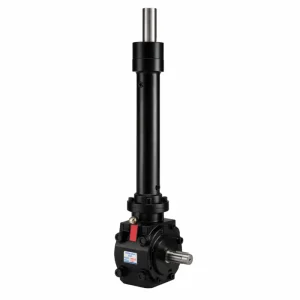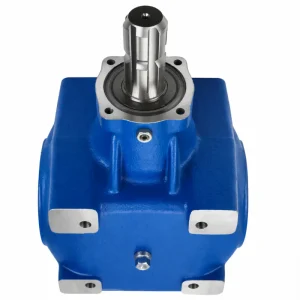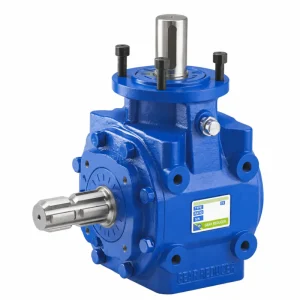
Beschrijving
EP-T-292B Rotary Tiller Gearbox
Replacement of Comer Code T-292B | Ratio 1.86:1 | SKU: EPT-T292B
Heavy-Duty Agricultural Gearbox for Rotary Tiller Applications
1. Technical Specifications
The following table presents 20 key technical parameters of the EP-T-292B Rotary Tiller Gearbox. These data points are drawn from the original Comer Code T-292B benchmark specification and validated against common field operating conditions for tractor rotary tiller gearbox applications across both temperate and tropical farming environments. Engineers and procurement teams can use these values to verify compatibility with existing tractor PTO configurations and soil preparation equipment.
| Parameter | Value / Detail |
|---|---|
| Model / SKU | EPT-T292B |
| Gear Ratio (Increasing) | 1 : 1.86 |
| Gear Ratio (Reducing) | 1.86 : 1 |
| Rated Input Power | 58.9 kW / 80 HP |
| Uitgaand koppel | 54.2 daNm |
| Huisvestingsmateriaal | Cast Iron GGG40 (Nodular) |
| Gear Arrangement (Increasing) | 33 – 34 Teeth |
| Input Shaft Z Profile | 1-3/8″ Z6 (A) — 6-spline |
| Output Shaft X Profile | 1-3/8″ Z6 (B) — 6-spline |
| Output Shaft Y Profile | 1-3/8″ Z6 (B) — 6-spline |
| Unit Weight | 33 kg |
| Maximum Oil Capacity | 2.5 L |
| Oil SAE Viscosity Grade | SAE 80W-90 GL-4 / GL-5 |
| First Oil Change Interval | After 50 operating hours |
| Max. Oil Change Interval | Every 500 operating hours |
| Oil Check Frequency | Every 25 hours or start of season |
| Bedrijfstemperatuurbereik | -20°C to +80°C |
| Noise Level (at rated load) | ≤ 72 dB(A) |
| Montagetype | Direct Flange Mount on Tiller Frame |
| Supply Condition | Without Oil (dry ship) |
2. How the Rotary Tiller Gearbox Works
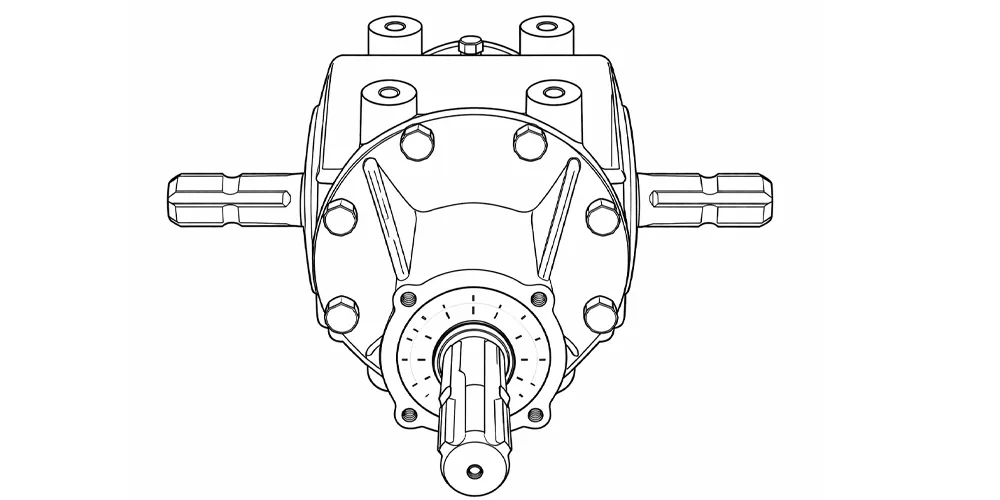
Understanding the working principle of a Rotary Tiller Gearbox helps both operators and procurement engineers select the right unit and maintain it correctly throughout its service life. Power flow begins at the tractor’s rear PTO shaft, which typically spins at either 540 RPM or 1,000 RPM depending on the tractor model and selected PTO mode. A PTO driveline connects this spinning shaft to the input shaft of the rotary tiller gearbox — in this case, the 1-3/8″ six-spline Z-profile shaft.
Inside the cast-iron GGG40 housing, a carefully calculated helical gear set meshes to transform the input rotation. With the 1.86:1 increasing ratio activated, the output shaft rotates faster than the input, delivering the blade-driving speed that aggressive tillage work demands. Conversely, when the reducing mode (1.86:1 reducing) is engaged, torque is amplified for heavy-duty soil breaking in dense clay or laterite soils — soil types that are especially common in Brazil’s central plateau regions. The two output shafts (Shaft X and Shaft Y) allow the gearbox to serve dual-blade or double-sided tine configurations without secondary adapters.
Precision-machined helical gears within the gearbox for rotary tiller generate less noise, run cooler, and transfer more of the input power to the blades compared to older spur-gear designs. The nodular cast iron housing absorbs operational vibrations and dissipates heat effectively, protecting the internal gear train even during sustained multi-hour tillage sessions. The SAE 80W-90 lubricant film maintained inside the housing ensures that all gear and bearing contact surfaces remain protected against wear, scoring, and thermal breakdown across the full operating temperature range of -20°C to +80°C — a range that comfortably covers both the cool winters of Southern Brazil and the intense summer heat of the Brazilian Northeast.
3. Five Key Advantages of the EP-T-292B Rotary Tiller Gearbox
1. Exceptional Transmission Efficiency
The helical gear arrangement inside this pto tiller gearbox achieves transmission efficiency exceeding 96% under rated load conditions. This means that the majority of the mechanical energy drawn from your tractor’s PTO shaft actually reaches the tilling blades, rather than being lost as heat or vibration. For large-scale Brazilian farming operations where fuel costs and working hours are closely monitored, this level of efficiency directly translates to lower operating costs per hectare. Compared to older spur-gear rotary tiller spare parts gearbox designs that were common a decade ago, the helical tooth profile significantly reduces friction losses and gear whine, contributing to a quieter, more stable working environment for the machine operator.
2. Heavy-Duty GGG40 Nodular Cast Iron Housing
The housing of this agricultural gearbox for rotary tiller is manufactured from GGG40 nodular cast iron, a material grade that strikes an excellent balance between machinability, impact resistance, and long-term structural integrity. Nodular iron offers significantly greater toughness than grey cast iron, resisting the micro-crack propagation that can occur when gearboxes are subjected to sudden torque spikes — for example, when the tiller blades encounter embedded rocks, compacted laterite, or hardpan clay layers typical of many Brazilian and tropical farming soils. The housing dimensions are held to tight manufacturing tolerances, ensuring that bearing pre-load and gear alignment remain stable throughout years of field service.
3. Direct Comer Code T-292B Drop-In Replacement
One of the most practical advantages of this tractor rotary tiller gearbox is its verified dimensional compatibility with the original Comer Code T-292B specification. All three shaft profiles — the 1-3/8″ six-spline input (Z), the X output, and the Y output — are machined to the same dimensions as the Comer original. The mounting bolt pattern on the flange face is identical, so removal of the worn unit and installation of this replacement takes a trained mechanic less than two hours under field conditions. This rotary tiller gearbox replacement capability is particularly valued by equipment dealers and agricultural cooperatives in Brazil’s Mato Grosso, Goiás, and Paraná states, where minimizing machinery downtime during planting season is critical to operational economics.
4. Low Maintenance, Long Service Intervals
The EP-T-292B is designed with reduced maintenance demand as a core engineering objective. The maximum oil change interval is 500 operating hours — considerably longer than the 250-hour intervals required by older-generation gearbox designs. The sealed bearing arrangement minimizes grease replenishment requirements, and the oil drain plug is positioned at the lowest point of the housing for quick, clean oil changes without spilling lubricant onto the tiller frame. For Brazilian family farms and cooperative members who may not have immediate access to specialized workshops, a power tiller rotary gearbox that can go 500 hours between fluid services represents a meaningful reduction in maintenance overhead throughout each growing season.
5. Versatile Application Range
Beyond its primary role in rotary tillers, the EP-T-292B gearbox rotary cultivator configuration makes it suitable for mowers and other PTO-driven implements that share the same shaft and power input requirements. This versatility extends the investment value of the unit for farms that use the same tractor across multiple implements throughout the year. Horticultural operations, landscaping contractors, and small-to-medium scale vegetable producers also benefit from the compact dimensions of this gearbox for tiller, which fits neatly into the space-constrained drive sections of narrower-width cultivation equipment used between crop rows.
4. Materials & Construction Quality
Every component inside the EP-T-292B Rotary Tiller Gearbox has been selected based on its functional role, expected stress loads, and long-term compatibility with SAE 80W-90 gear oil. The material choices reflect engineering priorities common to serious agricultural equipment manufacturers — where field repairability, resistance to wear debris contamination, and tolerance of thermal cycling are equally important alongside raw mechanical strength.
The outer housing is cast from GGG40 spheroidal graphite (nodular) cast iron, providing excellent damping of impact loads and a near-zero porosity microstructure that prevents oil seepage through the housing walls. Internal gear wheels are manufactured from case-hardened alloy steel with a surface hardness of approximately 58–62 HRC after heat treatment. This hardened tooth surface resists pitting and spalling even when the gearbox for tiller operates at high torque for extended periods without interruption. The gear core remains relatively soft and tough, allowing it to absorb sudden overload conditions without catastrophic fracture.
The input and output shafts are turned from medium-carbon chromium-molybdenum steel (commonly 42CrMo4), a grade well known for its fatigue resistance and machinability to tight tolerances. Shaft splines are hobbed and case-hardened to a depth of 0.8–1.2 mm, ensuring that the mating interface with PTO couplings and output flanges remains dimensionally stable after thousands of engagement and disengagement cycles. Rolling element bearings at all shaft support points are sourced to meet or exceed ABEC-5 dimensional standards, ensuring controlled radial play and consistent gear mesh geometry over the unit’s service life. All internal sealing is achieved through rubber-lipped radial shaft seals rated for continuous operation at temperatures up to 100°C, providing reliable containment of the lubricant and preventing ingress of dust, water, and fine soil particles that are unavoidably present in intensive tillage environments.
5. How to Install the Rotary Tiller Gearbox
Proper installation is essential to ensure that this Rotary Tiller Gearbox delivers its rated performance and that warranty conditions are maintained. Follow these steps carefully before initial use, and refer to your tractor and tiller manufacturer’s documentation for any model-specific torque values or clearance requirements.
- Position the tractor on a level surface, engage the parking brake, and shut down the engine. Disconnect the old gearbox unit, noting the orientation of any shims or spacers used in the original installation.
- Align the EP-T-292B Rotary Tiller Gearbox with the tiller’s center drive housing. Confirm that the input shaft axis is co-axial with the PTO driveline axis — angular misalignment greater than 6° will cause premature universal joint and shaft wear.
- Slide the input shaft (Z, 1-3/8″ six-spline) into the tiller attachment shaft and secure the mounting flange bolts. Tighten to the torque value specified by the tiller manufacturer, typically in the range of 80–120 Nm for M12 grade 8.8 fasteners.
- Connect the PTO shaft to the tractor’s PTO output, ensuring the safety shield is correctly seated and the locking collar clicks fully into place. Never operate the PTO shaft without the protective guard in position — this is a mandatory safety requirement under both Brazilian NR-31 occupational safety regulations and the EU Machinery Directive 2006/42/EC.
- Connect the far end of the PTO shaft to the gearbox input stub, aligning the spline profiles before pressing home and securing with the retaining pin or locking ring provided.
- Fill the gearbox housing with SAE 80W-90 GL-4 or GL-5 rated gear oil up to the oil level plug hole. Replace and tighten the fill plug. The maximum capacity is 2.5 litres; do not overfill.
- Adjust tilling depth and blade pitch settings according to soil type and target tilth depth.
- Start the tractor and engage PTO at low engine speed (approx. 600–800 RPM). Observe the tiller for 3–5 minutes before increasing to full working speed. Check for any abnormal noise or vibration. After the first 50 operating hours, drain and refill the gearbox oil to remove metal particles from the initial break-in period.
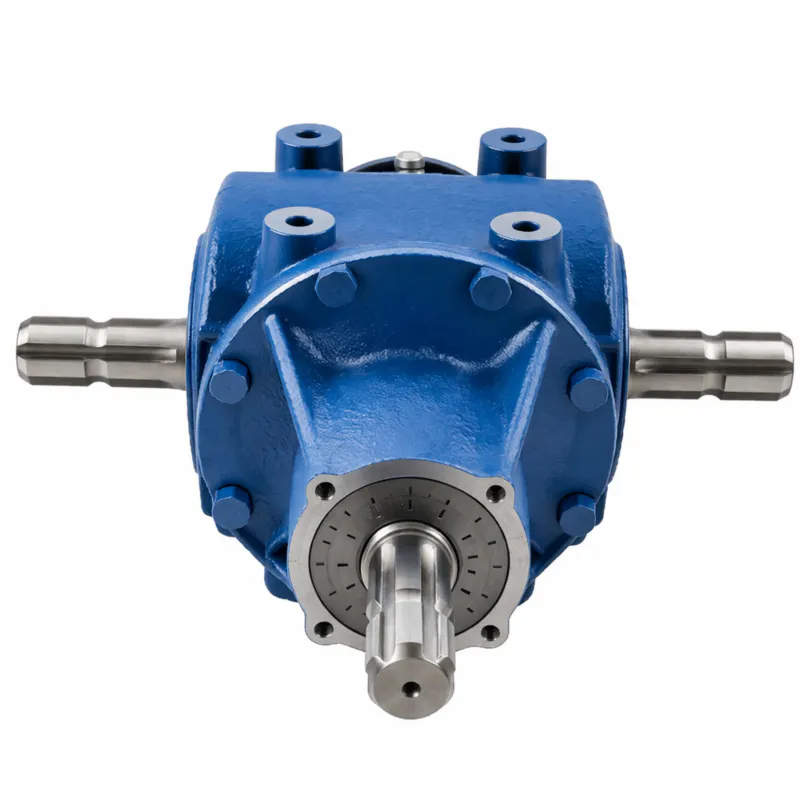
6. Rotary Tiller Gearbox Oil Level Check
Regular oil level monitoring is one of the simplest and most effective maintenance practices for extending the service life of any Rotary Tiller Gearbox. We recommend checking the oil level every 25 operating hours or at the beginning of each planting or tillage season, whichever occurs first. In high-ambient-temperature conditions — such as the hot dry season in Brazil’s northeastern Sertão region or the summer months in central Brazil — more frequent checks are advisable, since elevated operating temperatures accelerate oil oxidation and can gradually reduce oil volume through evaporation of lighter fractions.
To check the oil level: park the tiller on a flat, level surface and turn off the tractor engine. Allow the gearbox to cool for at least 10 minutes before opening any plugs. Locate the oil level plug on the side of the housing and remove it using the appropriate hex key. The oil level should be flush with the bottom edge of the plug hole. If oil does not flow to the edge when the plug is removed, the level is low and oil must be added through the fill port at the top of the housing. Use only SAE 80W-90 API GL-4 or GL-5 gear oil. Mixing different viscosity grades or oil types can degrade the lubrication film and reduce gear protection. Perform a full oil change every 500 hours, or annually at the end of the tillage season — whichever comes first — to remove wear debris and degraded additive packages from the housing.
7. Application Scenarios
The EP-T-292B Rotary Tiller Gearbox serves a wide spectrum of agricultural and horticultural tasks. Its robust power handling and versatile shaft configuration make it the preferred tiller gearbox across several distinct farming contexts in Brazil and globally.
Soybean & Corn Seedbed Preparation (Brazil)
In the major grain-producing states of Brazil — Mato Grosso, Paraná, Goiás, and Minas Gerais — farmers rely on rotary tillers powered by mid-frame tractors for intensive seedbed preparation before planting cycles. The EP-T-292B Rotary Tiller Gearbox delivers the torque output needed to break compacted latosol and oxisol layers that develop after the dry season. Its compatibility with tractors in the 60–80 HP range makes it especially relevant for medium-scale cooperative members and family agricultural enterprises (Agricultura Familiar) across Brazil’s interior regions.
Sugarcane Ratoon Field Renovation
Brazil is the world’s largest sugarcane producer, and ratoon field management involves periodic deep tillage to rejuvenate compacted inter-row soils after successive harvests. The best rotary tiller gearbox for tractor operations in these applications must withstand the high cyclic loads generated when blades cut through dense root mats and heavy clay soils. The GGG40 nodular iron housing and case-hardened gear set in the EP-T-292B are specifically suited to handle these demanding conditions over multiple consecutive growing seasons without requiring intermediate servicing beyond standard oil changes.
Horticulture & Market Gardening
Vegetable growers and market gardeners who cultivate raised beds, tunnel houses, and open-field plots benefit from the compact design of this gearbox for rotary tiller. The unit’s dimensions allow it to be mounted on narrower tiller frames — typically 1.0–1.5 m working width — used for close-row inter-cultivation between crops such as tomatoes, lettuce, and peppers. The gradual increasing ratio (1.86:1) also helps tune blade tip speed for finer tilth requirements common in horticultural soil preparation, where excessively aggressive tillage can damage delicate soil structure and reduce water infiltration capacity.
Pasture Renovation & Lawn Management
Land managers responsible for renovating degraded pastures or preparing lawns for sports turf applications also use rototiller gearbox equipped implements. In pasture renovation, the tiller breaks up the compacted surface mat before overseeding with improved grass varieties. The dual-output shaft capability of the EP-T-292B allows blade rotation direction to be selected — an important feature for operators who need to choose between forward or reverse blade rotation depending on whether they want soil loosening or fine incorporation of organic matter.
Mowing & Mulching Applications
As noted in the product specifications, this Rotary Tiller Gearbox is also rated for use in mowers. Many Brazilian and Latin American farmers use their tractors with PTO-driven mulching mowers for weed management between crop rows and for orchard floor maintenance. The EP-T-292B’s power rating, shaft geometry, and gear ratio fall within the operating envelope of a broad range of mower head assemblies, making this a genuinely multi-purpose gearbox investment for mixed-use agricultural operations.
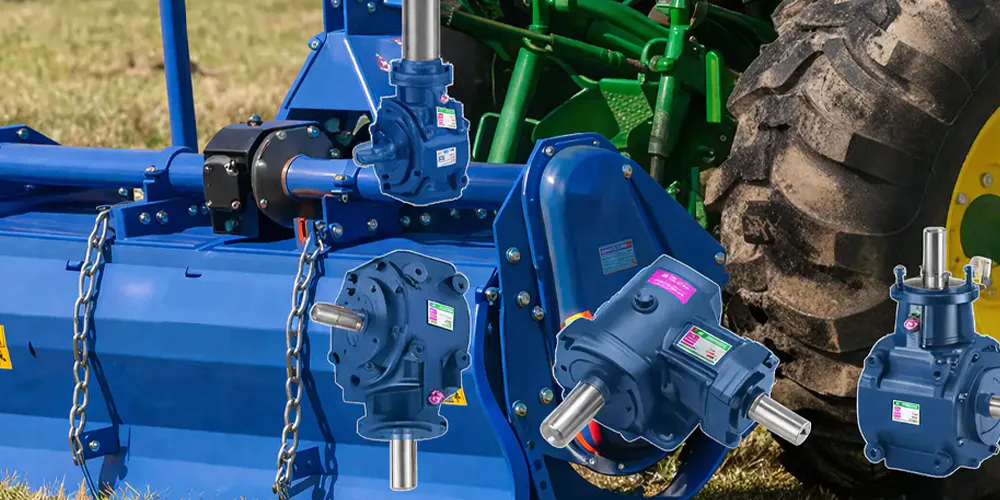
8. Regulatory Compliance & Standards
Agricultural machinery components including the Rotary Tiller Gearbox are subject to a variety of national and international regulations governing safety, quality, and market access. Understanding which standards apply to your purchasing context helps ensure legal compliance and simplifies import procedures. The following overview covers the principal regulatory frameworks relevant to buyers in Brazil, the European Union, North America, and other key agricultural markets.
In Brazil, the primary regulatory body for agricultural machinery is the Ministério da Agricultura, Pecuária e Abastecimento (MAPA). PTO-driven implements including rotary tillers must comply with relevant provisions of the Norma Regulamentadora NR-31 (Segurança e Saúde no Trabalho na Agricultura) issued by the Ministério do Trabalho e Emprego. NR-31 mandates that all power transmission guards, including PTO shaft shields and gearbox protective covers, must be in place and in serviceable condition during operation. Failure to comply can result in fines and liability in the event of workplace accidents. The Brazilian Association of Technical Standards (ABNT) maintains NBR ISO standards harmonized with international ISO norms that apply to agricultural machine components. Buyers operating in Brazil should also be aware of INMETRO product certification requirements that may apply when commercializing agricultural machinery parts at the retail level within the country.
In EU member states, all agricultural machinery components designed to be incorporated into complete machines must comply with Directive 2006/42/EC (the Machinery Directive). For gearboxes like the rotary tiller top gearbox that are sold as replacement parts rather than as standalone machines, CE marking requirements depend on whether the component is considered a “safety component” or a standard mechanical sub-assembly. Buyers in Germany, France, Italy, the Netherlands, and Poland — key agricultural machinery markets — should verify CE documentation with their supplier. ISO 11684 covers safety signs for agricultural machinery, while EN ISO 4254-1 establishes general safety requirements for agricultural machinery relevant to PTO-driven equipment.
In North America, the American Society of Agricultural and Biological Engineers (ASABE) publishes the principal technical standards for PTO-driven agricultural equipment. ASABE standard ANSI/ASABE S203.13 governs PTO shaft connections and dimensional requirements, including the 1-3/8″ six-spline profile used on the EP-T-292B tractor rotary tiller gearbox. In Canada, the corresponding standards are maintained by the Canadian Standards Association (CSA) under its agricultural machinery series. OSHA 1928.57 in the United States also establishes requirements for guarding of farm field equipment, including requirements that PTO drive lines be equipped with master shields.
In Australia, agricultural machinery must comply with AS 4024 series safety standards for machinery. PTO guards and gearbox housing integrity are addressed specifically in AS 4024.3305. In markets such as Indonesia, Thailand, and Vietnam — where rotary tiller gearbox for tractor parts are widely sourced for smallholder mechanization programs — compliance with local Ministry of Agriculture certification programs and, where applicable, ASEAN harmonized standards, is increasingly required for products entering government-funded mechanization schemes. All buyers are advised to work with their local agricultural machinery regulatory authority to confirm the specific documentation required for their market before completing procurement.
9. About the Manufacturer
We are a specialized manufacturer of agricultural transmission components, with primary product lines covering the full range of agricultural gearboxes, PTO shafts, and related driveline assemblies for global farming markets. Our engineering and production teams have accumulated substantial experience in producing both OEM-specification components for major agricultural machinery brands and high-quality aftermarket replacement units — including this rotary tiller gearbox for tractor replacement product.
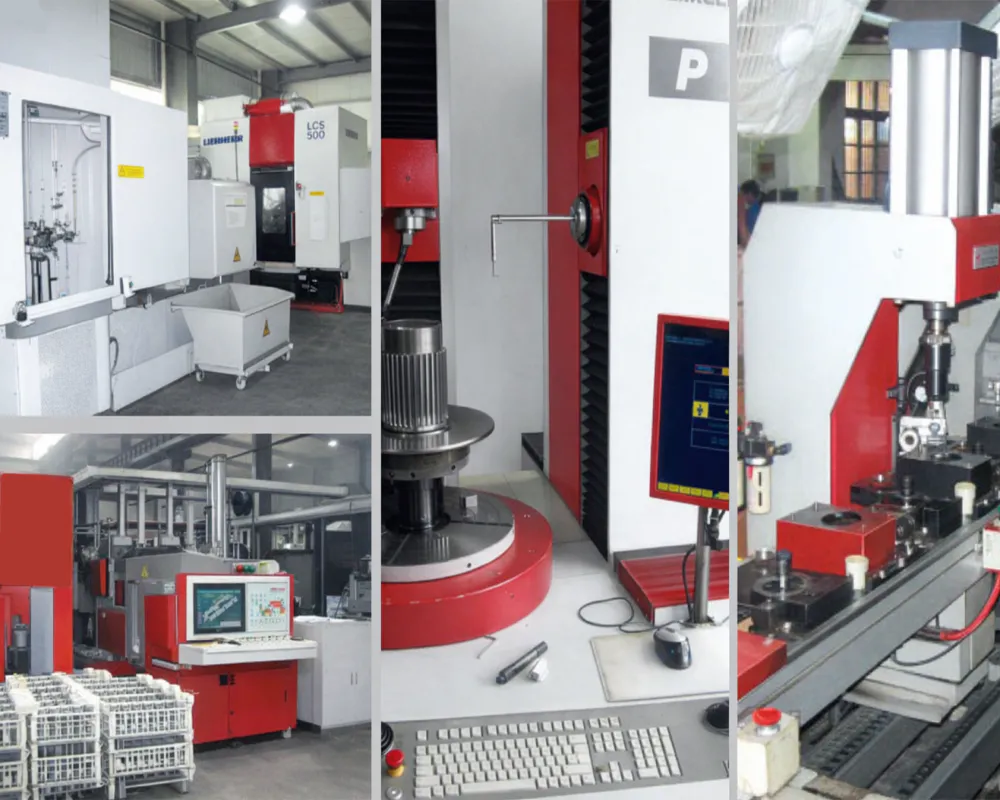
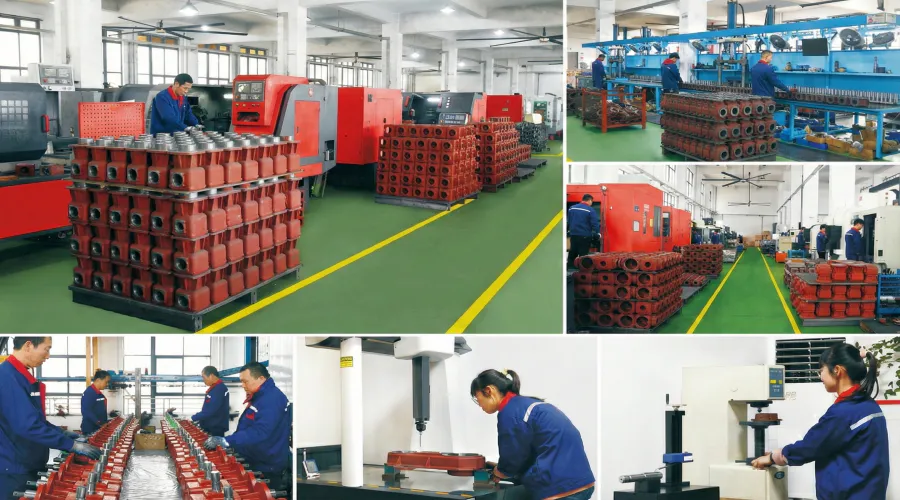
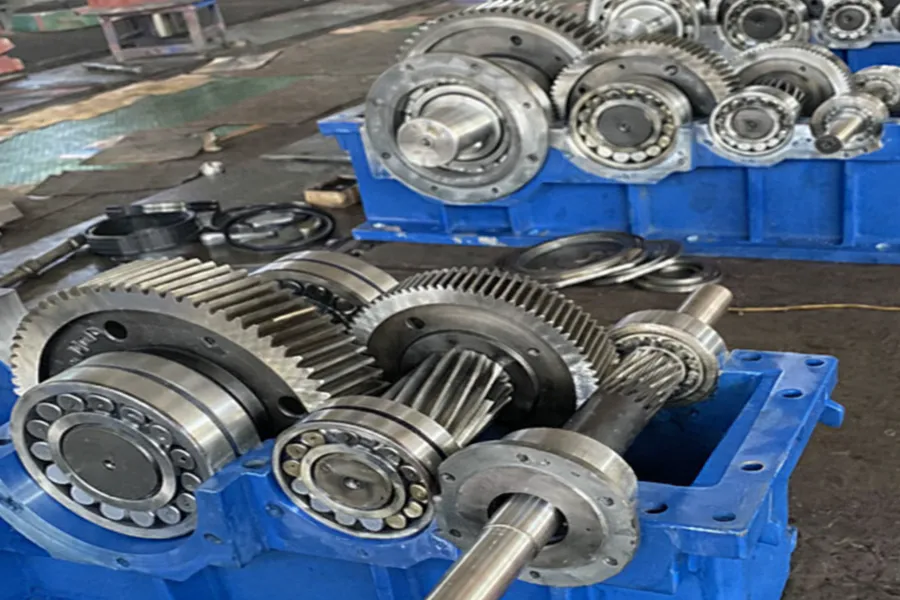
Our production facility operates under a quality management system certified to ISO 9001:2015, covering the full manufacturing process from raw material incoming inspection through machining, heat treatment, assembly, and final functional testing. Every Rotary Tiller Gearbox unit leaves the factory only after passing a run-in test under loaded conditions that verifies gear mesh quality, oil seal integrity, and absence of abnormal noise or vibration.
WorkShop
10. Related Products & System Compatibility
A Rotary Tiller Gearbox performs best when it is part of a properly matched driveline system. We manufacture and supply a full range of complementary agricultural transmission components that are engineered to work seamlessly with the EP-T-292B gearbox. Our one-stop supply capability means that procurement teams can source the complete driveline from a single, quality-controlled source — reducing supplier management complexity and ensuring dimensional compatibility across all system interfaces.
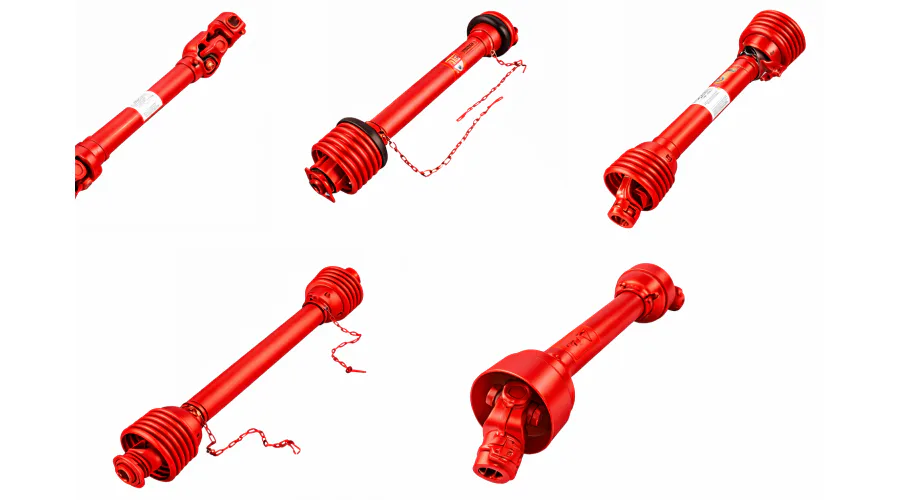
Agricultural PTO Shaft
The PTO shaft is the critical power bridge between your tractor’s rear output and the EP-T-292B Rotary Tiller Gearbox input. Our PTO shafts are manufactured with matched 1-3/8″ six-spline profiles at both ends, complete with CE-compliant safety guards, friction clutch overload protection options, and a full range of working lengths to suit different tractor-implement distances. Selecting a PTO shaft from the same supplier as your gearbox ensures that cross-section dimensions, safety guard attachment points, and torque ratings are harmonized — a key detail that affects both field safety and driveline longevity. Browse our full PTO Shaft product range to find the correct working length and overload protection specification for your tractor and tiller combination.
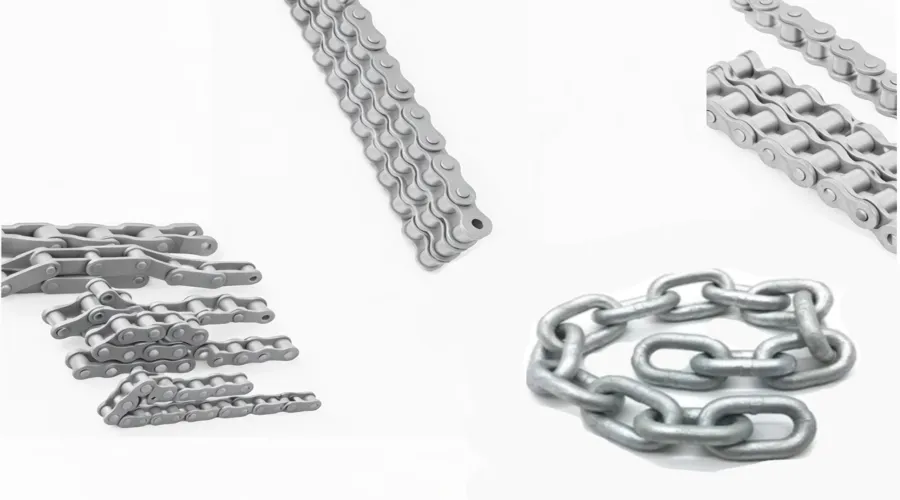
Drive Chain & Sprockets
Some rotary tiller designs incorporate a secondary chain drive between the gearbox output and the tine shaft assembly. We supply agricultural roller chain and matching sprockets in standard ANSI and ISO pitch sizes commonly used in rotary tiller and mulcher drive configurations. Using matched chain and sprocket sets from a single source reduces the risk of pitch mismatch, uneven wear distribution, and premature chain fatigue that can occur when components from different suppliers are combined. Our sprockets are available in through-hardened carbon steel for long wear life and bore-machined to match standard shaft diameters. Pairing our chain and sprocket assemblies with the EP-T-292B gearbox for rotary tiller delivers a complete, well-matched secondary drive system that requires minimal periodic adjustment.

Veelgestelde vragen
Redacteur: PXY