
Beschrijving
EP-Agricultural Micro Tiller Gearbox
Compact Rotary Power Transmission for Smallholder Farms, Market Gardens and Horticultural Operations Across Brazil and Latin America
1. Technical Specifications
| Ratio | Input r.p.m | Ingangsvermogen | Output Nm | Input Shaft | Comments | |
| kW | HP | |||||
| 3.38:1 | 540 | 16.9 | 23 | 985 | X/Y | |
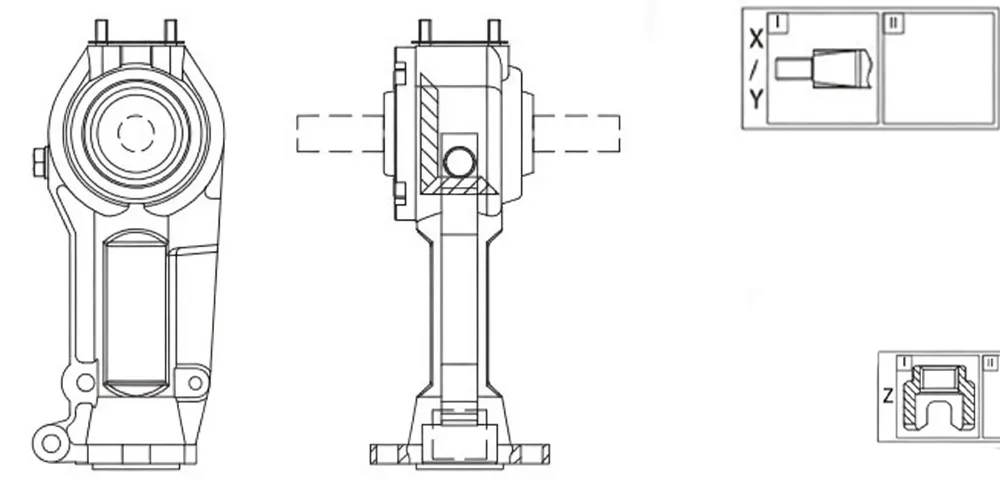
| Parameter | Specificatie |
| Ratio | 3.38:1 |
| Input | 540 rpm |
| Input shaft | X/Y |
| Ingangsvermogen | 16.9kw, 23hp |
| Output | 985Nm |
2. Micro Tiller Gearbox Working Principle
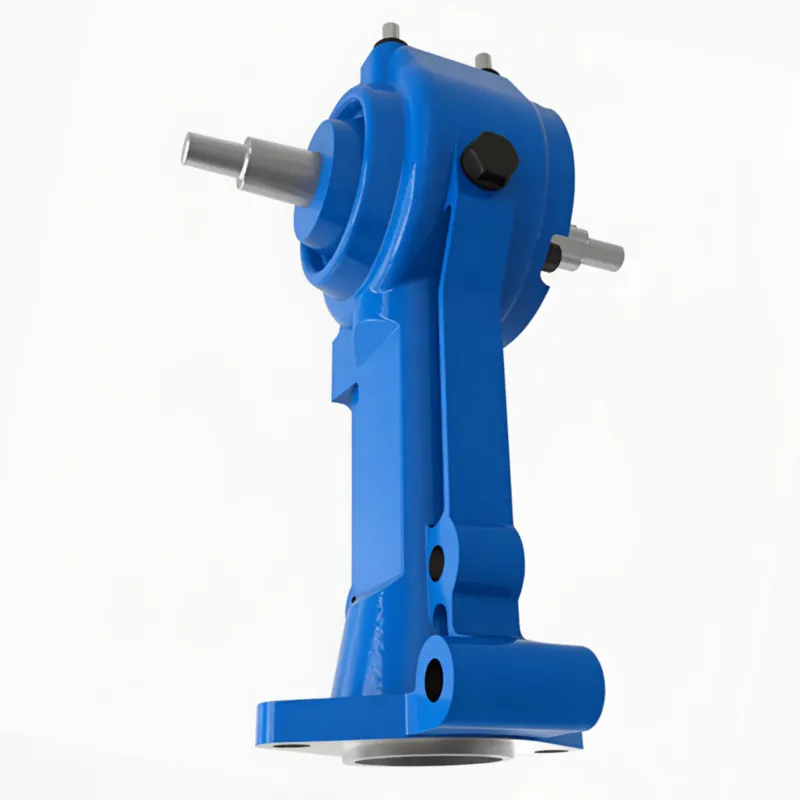
Understanding the Micro Tiller Gearbox working principle helps operators and repair workshops get the most from every machine. Power from the tiller engine enters the gearbox through a splined input shaft, where it engages a small pinion gear that meshes with a larger bull gear cut into the main reduction stage. This first reduction slows shaft speed while multiplying torque, delivering the low-speed, high-force rotation needed to drive rotor blades through soil. Depending on the tiller design, the Micro Tiller Gearbox may also include a secondary stage that reroutes motion through ninety degrees via a bevel gear set, so the rotor axis lies transverse to the direction of travel.
Inside the Agricultural Micro Tiller Gearbox, a shift mechanism lets the operator select forward, reverse, or neutral positions, enabling the machine to back out of tight rows or reposition against a fence line. Selecting the lowest ratio delivers maximum torque for chopping hard ground, while higher settings are used for transport between plots. Splash lubrication distributes gear oil across every meshing surface as the shafts rotate, carrying heat away from tooth flanks and protecting against micro-pitting. Precision lip seals on the input and rotor shafts keep abrasive particles on the outside of the Micro Tiller Gearbox, which is essential when working the fine silt-clay soils of southern Brazilian family farms.
3. Five Key Advantages of the EP-Agricultural Micro Tiller Gearbox
1. Multi-Speed Rotor Control
The multi-speed arrangement inside the Micro Tiller Gearbox lets the farmer change rotor speed on the fly, adapting the machine to soft seed beds or stubborn compacted soils without stopping to reconfigure the drive pulley system used by simpler models.
2. Forward and Reverse Operation
Integrated forward-neutral-reverse selection makes it straightforward to back out of raised bed corners in Brazilian market gardens. This is a defining Agricultural Micro Tiller Gearbox benefit compared to belt-driven competitors that lack a mechanical reverse option.
3. Waterproof Rotor Supports
Waterproof rotor supports combined with a double-layered deck keep small stones and root fragments out of the bearing area. That single design choice minimises stone indentations and preserves rotor shaft concentricity through years of hard use on cerrado red earth.
4. High Torque Density
A 985 Nm output from a compact 3.38:1 reduction delivers the pulling power needed on heavy Atlantic rainforest loam, while keeping the overall Micro Tiller Gearbox envelope small enough to fit tight greenhouse aisles in Paraná and Santa Catarina growing regions.
5. Workshop-Friendly Serviceability
Split housing, accessible drain and fill plugs, and standard bearing sizes make routine oil changes and eventual Micro Tiller Gearbox replacement work straightforward for rural mechanics across Brazil, even without specialised agricultural service tooling.
4. Material Construction and Build Quality
Material selection for the EP-Agricultural Micro Tiller Gearbox reflects years of field learning about what actually fails first in walk-behind equipment. The housing is cast from HT250 grey iron, a grade that balances vibration damping with the machinability needed to finish bearing bores to tight tolerances. Internal gears are forged from 20CrMnTi alloy steel blanks, carburised and quenched to HRC 58-62 surface hardness with a tougher HRC 33-40 core. This duplex hardness structure resists both surface pitting and tooth-root fatigue during the stop-start duty cycle typical of smallholder tilling work, where the rotor encounters rocks, roots, and compacted clay in rapid succession.
Input and rotor shafts are machined from 42CrMo4 tempered steel to HRC 25-30, providing excellent shock resistance when the tiller blades strike buried stones. Tapered roller bearings handle combined radial and axial loading, while double-lip NBR oil seals block fine Brazilian red soil particles that would otherwise accelerate seal and bearing wear. External surfaces receive an epoxy primer plus polyurethane topcoat, a combination that handles UV exposure during extended outdoor storage plus occasional contact with fertiliser residues and agricultural chemicals. Attention to Micro Tiller Gearbox quality begins with these material decisions and continues through every machining and assembly step.
5. Application Scenarios
The EP-Agricultural Micro Tiller Gearbox serves the diverse smallholder agriculture landscape of Brazil and surrounding countries. Below are the most common application scenarios encountered by family farmers, market gardeners, and horticultural professionals.
Smallholder Vegetable Plots
Family vegetable growers throughout Minas Gerais and Espírito Santo use walk-behind tillers to prepare lettuce, tomato, and pepper beds. A dependable Micro Tiller Gearbox keeps the rotor turning through morning dew and afternoon heat alike, allowing a single operator to prepare several raised beds in a single working day.
Greenhouse and Polytunnel Preparation
Protected horticulture operations around Curitiba and Joinville rely on compact tillers to turn over greenhouse soils between planting cycles. The slim footprint of a walk-behind machine powered by an EP-series Agricultural Micro Tiller Gearbox fits the narrow aisles typical of commercial polytunnel layouts.
Orchard and Vineyard Floor Management
Vineyards and fruit orchards across Rio Grande do Sul and the Serra Gaúcha use micro tillers to manage cover crops and weed control between rows. Reverse gear lets the operator back out of tight tree-row dead ends without touching trunks or drip irrigation lines.
Urban Community Gardens
Urban agriculture projects in São Paulo and Belo Horizonte deploy compact tillers in community plots and rooftop garden installations. A quiet, controllable Micro Tiller Gearbox contributes to operator comfort in shared spaces where noise and disturbance must be minimised.
Landscaping and Municipal Gardens
Municipal parks departments and landscaping contractors use walk-behind tillers to prepare flower beds and maintain public green spaces. A workshop-friendly Micro Tiller Gearbox keeps maintenance fleets running with minimal specialist support, important for public sector budget discipline.
6. How to Use and Install the Micro Tiller Gearbox
Understanding how to use Micro Tiller Gearbox equipment safely begins before the engine starts. The operator should verify oil level at the sight plug, check the shift linkage for free movement across forward, neutral, and reverse positions, and inspect rotor tine bolts for tightness. A quick walk-around also catches cracked guards or loose fasteners that would otherwise fail in service. When starting work, engage low range on hard ground to let the rotor chop through compacted clay without stalling the engine, then shift upward as the soil loosens.
Knowing how to install Micro Tiller Gearbox units during a fleet refresh saves time in the workshop. Clean the mating flange on the tiller chassis, inspect dowel pins, and transfer rotor tines carefully to avoid damaging splines. Torque the housing fasteners in cross pattern to the manufacturer specification, then fill with the recommended SAE 80W-90 GL-4 gear oil to the sight plug level. Rotate the output shaft by hand to confirm smooth meshing before final reassembly of the guards, and run the machine at low load for thirty minutes to let bearings bed in before applying full tilling depth. Good installation records help future Micro Tiller Gearbox replacement decisions.
7. Compliance With National and Regional Regulations
Brazil. Walk-behind tillers equipped with a Micro Tiller Gearbox fall within the framework of NR-12, the Ministry of Labour regulatory standard on safety of machinery and equipment, which mandates guarding, warning labels, and operator documentation in Portuguese. ABNT NBR ISO 4254-5 harmonises safety requirements for rotary cultivators, and Brazilian importers typically provide an operator manual translated into Portuguese together with pictograms identifying rotating parts and pinch points. INMETRO certification may apply to certain consumer-grade machines sold through retail distribution.
European Union. Compact tillers marketed in the EU must comply with Machinery Directive 2006/42/EC, EN 709 for walk-behind tractors and cultivators, and EN ISO 4254-5 for rotary cultivator safety. Noise emission requirements under Directive 2000/14/EC also apply.
United States. ANSI/OPEI B175.9 addresses walk-behind rotary tiller safety, while ASABE/ANSI standards cover broader agricultural machinery guarding principles. California buyers should also check CARB emission requirements for small engines.
Australia and MERCOSUR. Australian users reference AS 2153 for agricultural driveline safety principles as relevant to walk-behind equipment. Argentine and Paraguayan markets generally follow IRAM and MERCOSUR technical regulations aligned with ISO frameworks. The EP-Agricultural Micro Tiller Gearbox is designed to support manufacturer compliance across these jurisdictions when installed with appropriate guarding, decals, and operator literature.
8. About Us
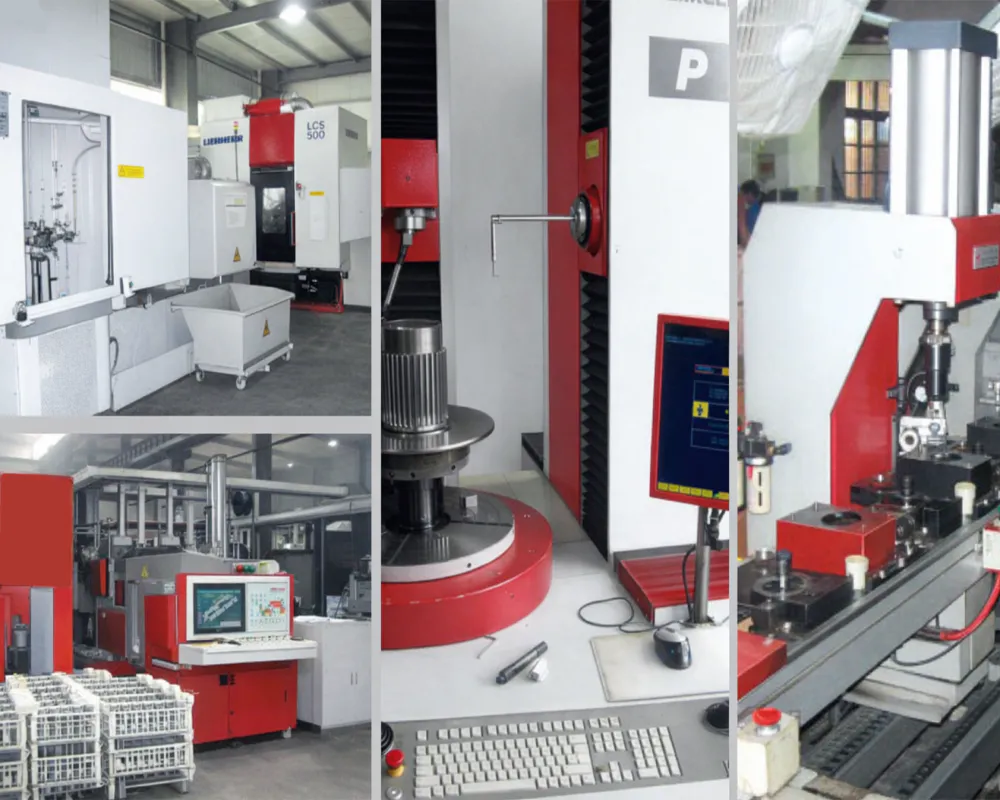
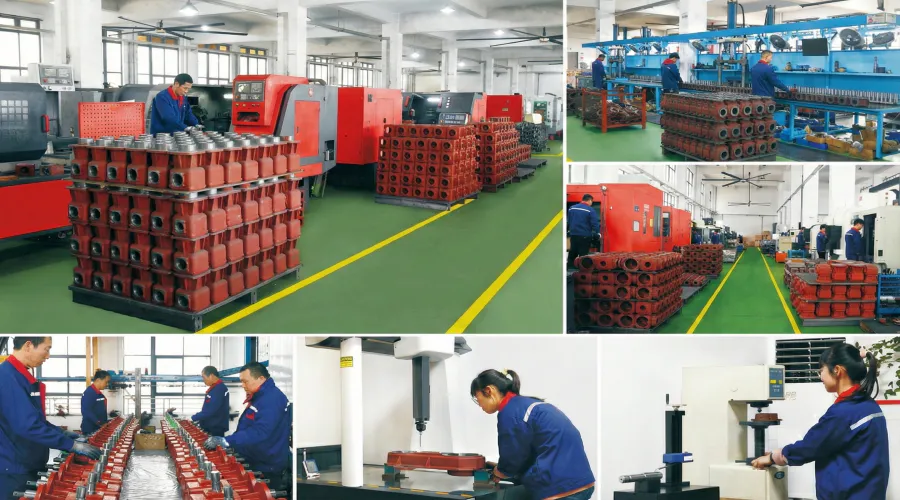
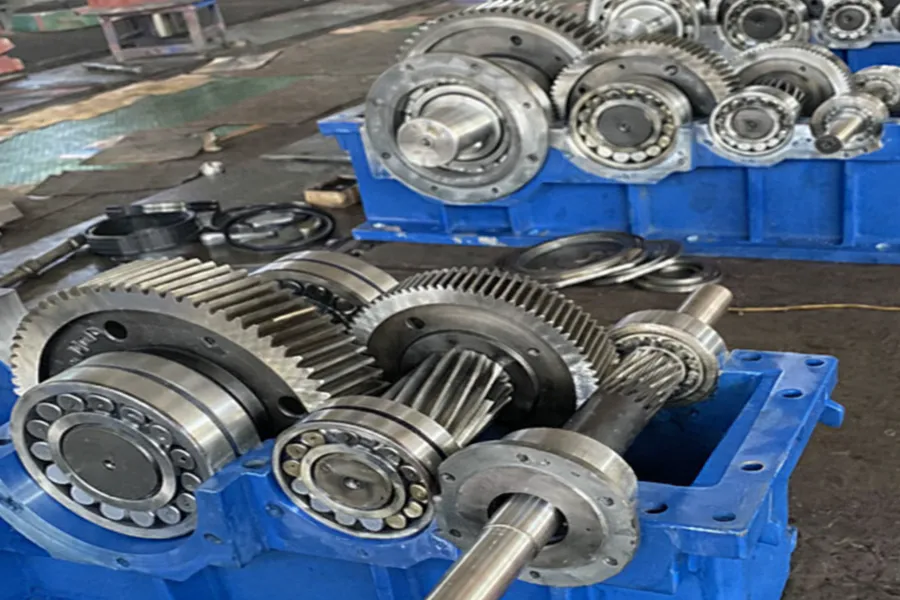
The in-house foundry pours grey iron daily in induction furnaces with spectrometer verification, while our machine shop operates modern CNC hobbing, shaping, and grinding centres. Assembly follows ISO 9001:2015 quality procedures, including torque testing on every finished gearbox and selective noise sampling on batch releases.
WorkShop
9. Related Products and System Compatibility
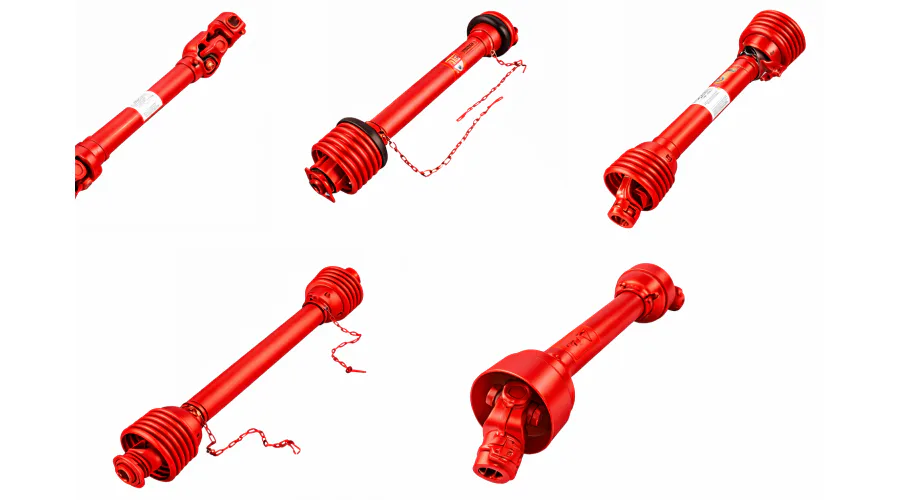
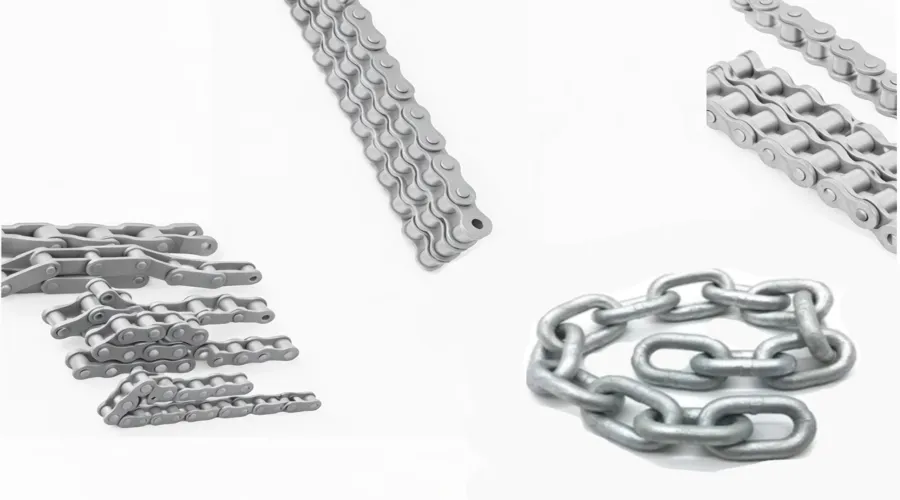
Beyond the Micro Tiller Gearbox itself, we manufacture a full range of agricultural driveline components. Ordering matched sets from one supplier shortens lead times, simplifies customs paperwork, and keeps component performance within the designed envelope. Two of our most frequently paired products appear below.
Aftakas
A properly matched PTO Shaft transfers engine torque into the input spline of the Micro Tiller Gearbox when the tiller chassis separates the engine and transmission housings. We produce cross joint and universal joint driveshafts with protective shielding compliant with ISO 5674 for walk-behind and small agricultural equipment. Pairing a fresh Micro Tiller Gearbox with a matched PTO Shaft preserves the alignment gained during the rebuild, because worn telescopic tubes otherwise introduce angular vibration that shortens bearing life. Brazilian customers consolidate orders from a single supplier to streamline freight and customs paperwork on mixed component shipments.
Agricultural Chain
Agricultural roller chain forms the final drive link between the Micro Tiller Gearbox output shaft and the rotor on many walk-behind tiller designs. We manufacture hardened steel roller chain in standard ANSI and ISO pitches, with tooth-hardened sprockets engineered for the abrasive environment of soil cultivation. When the Micro Tiller Gearbox is overhauled or replaced, refreshing the connected chain at the same time restores drive tension and prevents worn-chain loads from stressing the freshly rebuilt gearbox output bearings. Consolidating gearbox and chain orders under one purchase order shortens downtime for family farms and contract operators alike.
Veelgestelde vragen
Q1. What oil goes in a tiller gearbox for Brazilian smallholder farmers operating walk-behind cultivators in humid regions?
Brazilian smallholder farmers should fill the Micro Tiller Gearbox with SAE 80W-90 API GL-4 mineral gear oil, which balances viscosity across cool morning starts and hot afternoon working conditions typical of humid tropical agriculture. Capacity is approximately 0.8 litres, filled to the sight plug level with the machine level. Compatible grades are widely available through Petrobras Lubrax, Ipiranga, and Shell distributors serving rural supply chains. The first oil change is due after 50 hours, and subsequent changes every 200 to 300 hours or annually, whichever comes first. Record-keeping supports future maintenance decisions.
Q2. What is Micro Tiller Gearbox terminology and how does it differ from standard agricultural transmissions for Paraná growers?
Paraná growers asking what is Micro Tiller Gearbox should understand that this term refers specifically to the compact reduction transmission fitted to walk-behind rotary cultivators. The unit differs from a standard tractor-mounted agricultural gearbox in size, power rating, and operator interface. A Micro Tiller Gearbox handles inputs in the 15-25 kW range with integrated forward-neutral-reverse selection, whereas tractor-mounted units handle far higher torque but lack the walk-behind controls. The compact size suits greenhouse aisles, vineyard rows, and small vegetable plots common across southern Brazilian horticultural regions where smallholder growers prioritise manoeuvrability.
Q3. Why choose Micro Tiller Gearbox units with reverse gear for vineyard operators in Serra Gaúcha?
Serra Gaúcha vineyard operators should choose a Micro Tiller Gearbox with integrated reverse because vine row dead-ends force the tiller to back out between plantings. Belt-driven tillers lacking mechanical reverse require the operator to physically lift and turn the machine at every row end, which damages vine stakes and drip irrigation lines on narrow-spacing vineyards. A forward-neutral-reverse Micro Tiller Gearbox protects infrastructure and reduces operator fatigue across long working days in the Brazilian wine region. The productivity gain over a season easily justifies choosing a gearbox-equipped machine over a simpler pulley design.
Q4. How to install Micro Tiller Gearbox replacement units correctly for rural workshops in Minas Gerais?
Rural workshops in Minas Gerais installing a Micro Tiller Gearbox replacement should clean the tiller chassis mating flange, check dowel pins, and transfer the rotor tines carefully to preserve spline condition. Torque housing fasteners in cross pattern to the manufacturer specification, fill with SAE 80W-90 GL-4 gear oil to the sight plug level, and rotate the output by hand to confirm smooth meshing. Run the completed machine at low load for thirty minutes before committing to full tilling depth. Documenting each installation step in a workshop log supports warranty claims and provides a service history for future maintenance decisions.
Q5. Which Micro Tiller Gearbox advantages and disadvantages matter most for Brazilian community garden coordinators?
Brazilian community garden coordinators evaluating Micro Tiller Gearbox advantages and disadvantages should weigh several factors. Advantages include integrated reverse gear, stable torque delivery across hard and soft soils, lower noise than belt-driven alternatives, and longer service intervals. Disadvantages include higher initial cost compared to simple pulley designs and the need for basic workshop tooling during eventual overhaul. For shared community equipment where multiple volunteers operate the machine, the consistent behaviour of a geared transmission outweighs the simplicity of a belt system, because untrained operators produce fewer expensive accidents on a gearbox machine.
Q6. How do I identify the correct Micro Tiller Gearbox parts for an older tiller chassis still in service on Uruguayan farms?
Uruguayan farmers servicing older tiller chassis should identify correct Micro Tiller Gearbox parts by referencing the original model plate, the input shaft spline profile, and the flange bolt pattern on the removed unit. Measuring overall dimensions against the EP-series specification sheet confirms fitment. Our technical team cross-references customer-supplied photographs and measurements to validate compatibility before order confirmation, which prevents the disappointment of receiving parts that do not fit. Accurate identification also preserves the investment value of the older tiller chassis by matching it with a modern gearbox featuring improved sealing and bearing specifications for extended service life.
Q7. What are the documented Micro Tiller Gearbox effects on productivity for horticultural operators across Brazilian greenhouse belts?
Brazilian greenhouse operators across Paraná and Santa Catarina report several documented Micro Tiller Gearbox effects on productivity. Integrated reverse gear eliminates the manual repositioning that wastes several minutes per row turn, while multi-speed selection matches rotor speed to soil condition without stopping to adjust belt tension. Lower operational noise improves worker comfort during long bed preparation shifts, and extended oil change intervals reduce scheduled downtime. Collectively these effects add several productive hours per week to a typical commercial horticultural operation, which compounds into meaningful revenue gains over the multi-cycle production year typical of protected vegetable cultivation.
Redacteur: PXY